
Film
All My Sons
Arthur Miller's devastating examination of American ambition and moral compromise. A factory owner's wartime crime—defective aircraft parts that killed soldiers—surfaces years later, destroying the fragile peace of two families. Taut, classical, emotionally brutal. For anyone who believes drama means something.
If you liked this
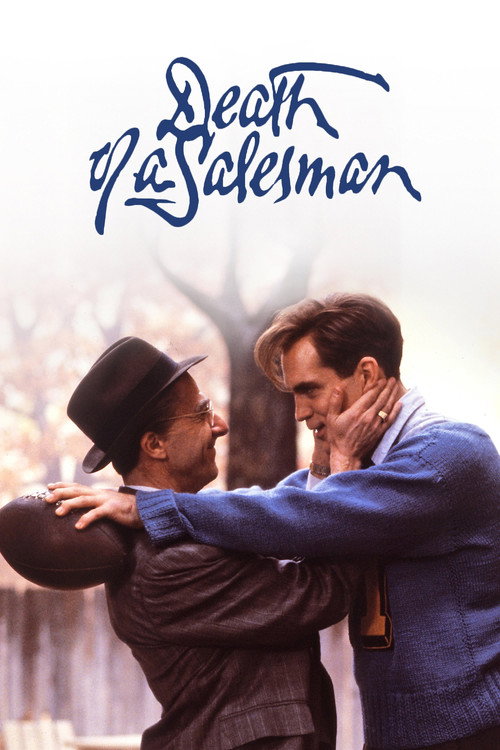
Death of a Salesman1985
Miller's other masterpiece, equally relentless about the American dream's cost. Dustin Hoffman's Willy Loman is a man crushed by the gap between promise and reality. The same moral clarity, different wreckage.
But Deeply sad in a way that doesn't offer uplift or catharsis. Some find it airless rather than profound.
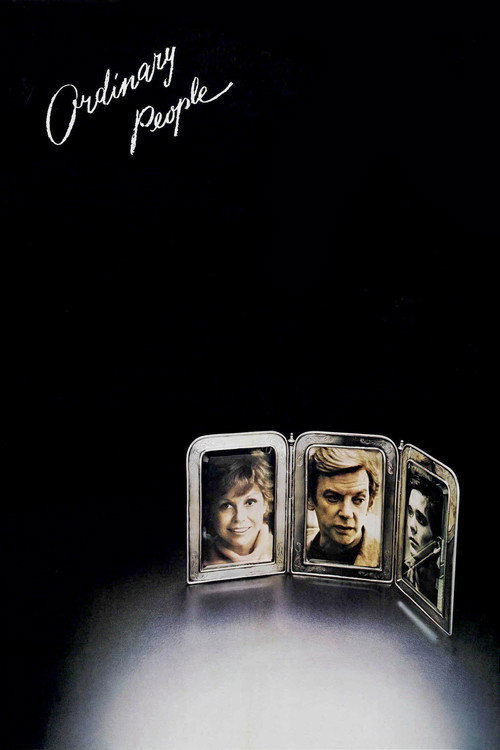
Ordinary People1980
A family implodes under the weight of secrets and unspoken resentment. Beautifully restrained; every glance means something. The same precision about how good people rationalize cruelty.
But Upper-middle-class trauma can feel narrow in scope. The therapy subplot hasn't aged perfectly.
The Best Years of Our Lives1946
Post-war America grappling with what comes next. Three servicemen return home to find their old lives don't fit. Honest about both joy and dislocation, without sentimentality.
But Nearly four hours. The pacing is deliberate, even slow by modern standards.

Not sure tonight? Get a pick in a minute, starting from All My Sons
The wildcard
Something you would not have found on your own.
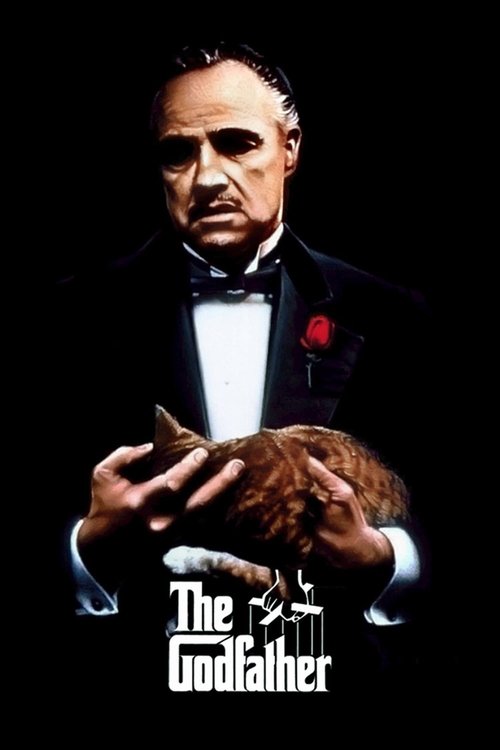
The Godfather1972
Both explore how ordinary men rationalize extraordinary crimes to protect their families, and how that rationalization poisons everyone near them.
A Sicilian family business built on crime and murder. Coppola's film is baroque where Miller is austere, but both are about blood obligation and the price of complicity. About men who decide their family's survival justifies anything.
But Three and a half hours. Some find the mythologizing of organized crime morally queasy.
More like this (7)
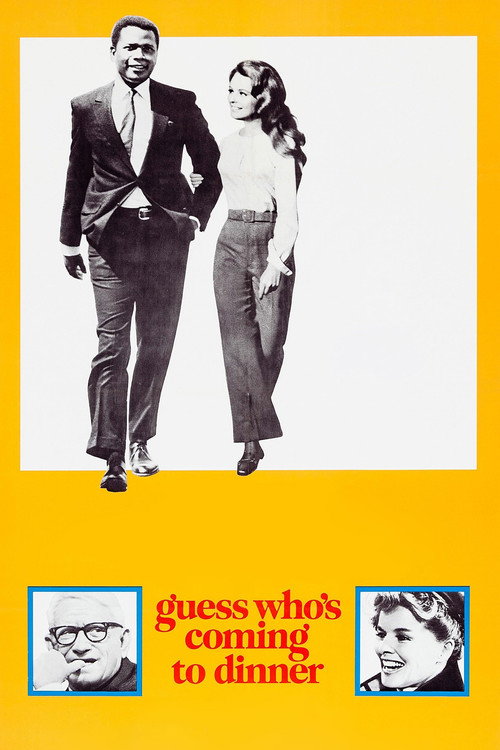
Guess Who's Coming to Dinner1967
A family's liberal self-image tested by reality. Poitier and Hepburn are magnificent. About the distance between what we say we believe and what we actually do.
But The politics feel like a 1967 compromise now. The ending is tidier than Miller would allow.
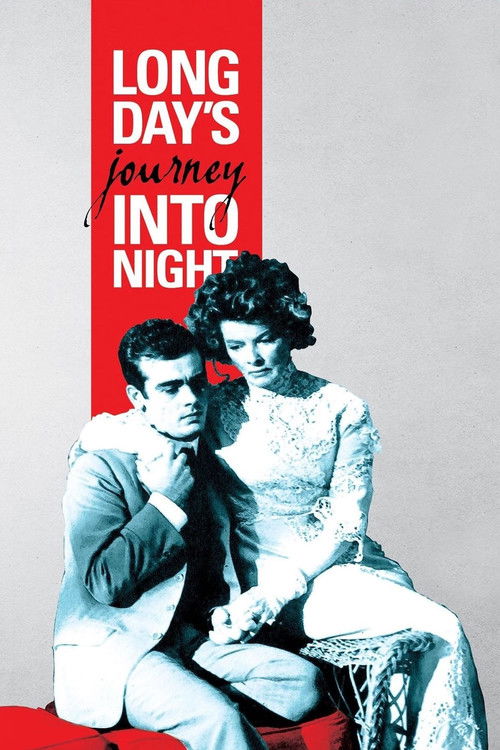
Long Day's Journey Into Night1962
O'Neill's four-hour family autopsy. Every character damned and pitied in equal measure. The same claustrophobic intensity, the past as an inescapable weight.
But Glacially paced. Requires patience and willingness to sit in discomfort for hours.
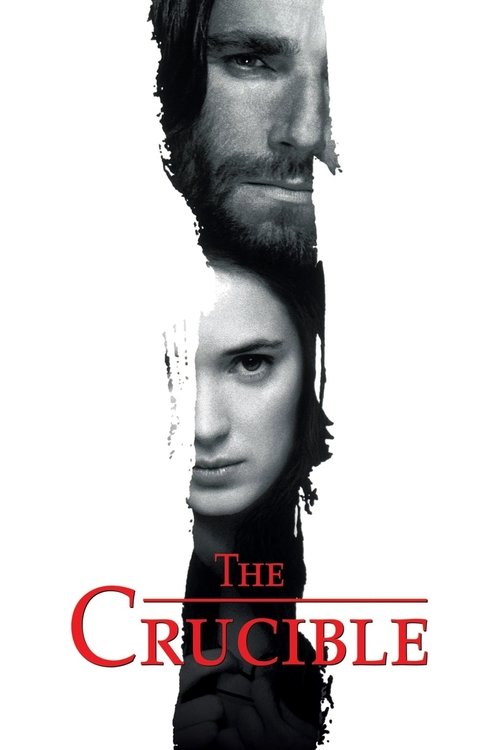
The Crucible1996
Miller again, about the Salem witch trials as a mirror for McCarthyism. Hysteria and accusation. The exploration of how fear makes ordinary people into persecutors.
But The allegory is a bit on-the-nose. Arthur Miller can feel like he's hitting you with the message.
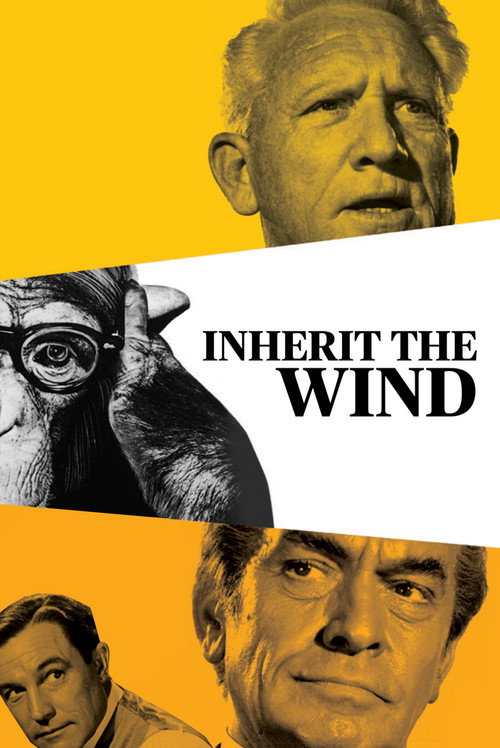
Inherit the Wind1960
A courtroom drama about the Scopes trial, really about the collision between science and dogma. Magnificent argument disguised as entertainment.
But Depends heavily on dialogue and debate. Minimal plot movement for long stretches.
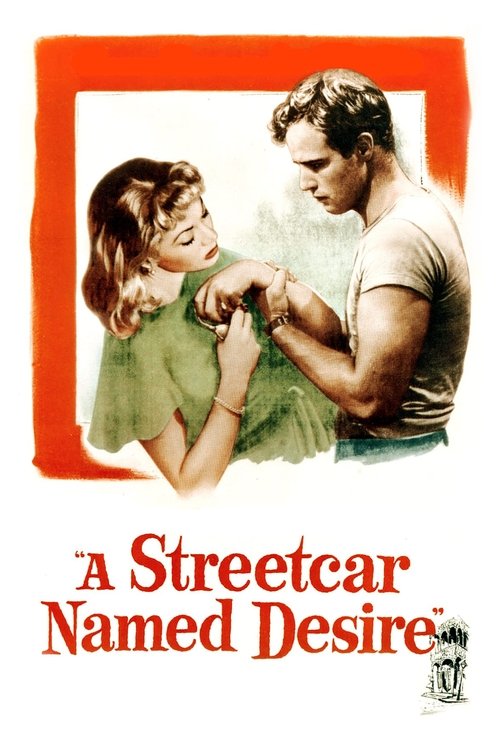
A Streetcar Named Desire1951
Tennessee Williams on desire and class. Vivien Leigh and Brando combust. The family as pressure cooker, morality versus appetite.
But Sexualized violence. Deeply uncomfortable in ways intentional but still taxing to watch.
Ikiru1952
Both are about men confronting the consequences of their choices too late, and the question of whether redemption is possible when the damage is done.
A Japanese bureaucrat discovers he's dying and must reckon with a wasted life. Kurosawa's masterpiece about meaning and mortality. Where *All My Sons* asks what we owe the dead, this asks what we owe ourselves before we join them.
But Japanese cinema from 1952 will feel formally distant. The pacing is meditative, not dramatic in a Western sense.

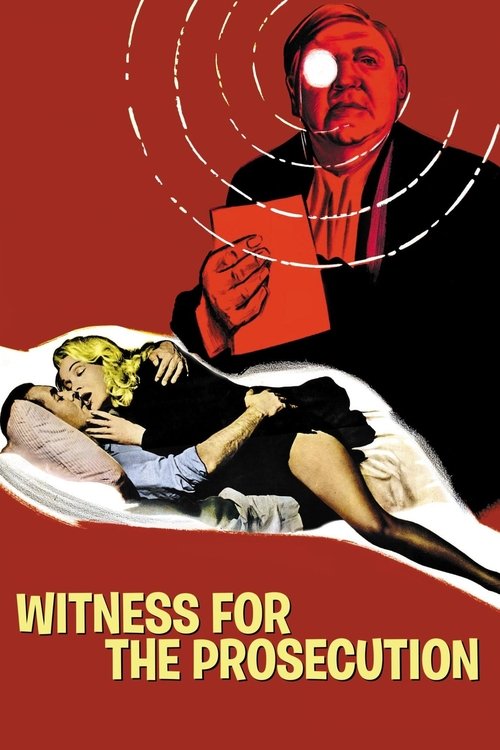
Witness for the Prosecution1957
Both use a central crime and its revelation to ask harder questions: not just what happened, but what it means about the relationships and complicity surrounding it.
Agatha Christie's courtroom mystery, but really about marriage, betrayal, and what we choose to believe about the people we love. Marlene Dietrich is unforgettable. A thriller with Miller's moral weight underneath.
But A twist ending that divides viewers. Some find it clever, others feel manipulated by it.
People
Cast
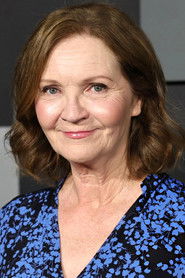 Joan AllenAnn Deever
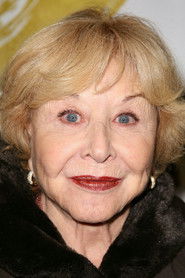 Michael LearnedKate Keller
 Aidan QuinnChris Keller
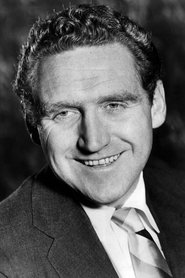 James WhitmoreJoe Keller
 Željko IvanekGeorge Deever
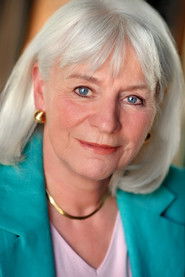 Joanna MilesSue Bayliss
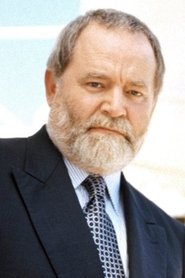 Alan ScarfeDr. Jim Bayliss
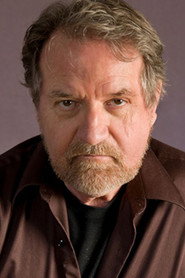 Layne ColemanFrank Lubey
- Mary LongLydia Lubley
- Marlow VellaBurt
Directing
- Jack O'BrienDirector
Writing
- Arthur MillerTheatre Play
Production
- Iris MerlisProducer
- John BlanchardProducer
- Michael BrandmanProducer