
Film
The Anonymous People
A documentary that centers the voices of people in long-term recovery from addiction, letting them tell their own stories rather than speaking about them. It's intimate and unglamorous, focused on lived experience over tragedy porn. For anyone curious about addiction recovery beyond the familiar media narratives, or anyone whose life has been touched by addiction wanting to see themselves reflected with dignity.
Should you watch it?
Watch it if you want a plainspoken, testimony-driven campaign for a cause, where ordinary people talking about getting sober do more persuading than any slick visual flourish.
Skip it if you came for the science of addiction or a stylish film; this is an argument first, its visuals plain, and its message repeats more than it needs.
What it asks of you: Eighty-eight minutes of interviews and calls to action, mostly sitting still, with the same point made several times over.
Not sure? Find tonight's pick in a minute.
If you liked this
Dopesick2021
A gripping limited series about the opioid crisis that traces how pharmaceutical companies created the epidemic. Unflinching about corporate culpability while treating addicted people with genuine humanity, not as moral failures.
But Heavy subject matter that doesn't look away from suffering. Some people find it exhausting rather than cathartic, and the scope is so vast it can feel overwhelming.

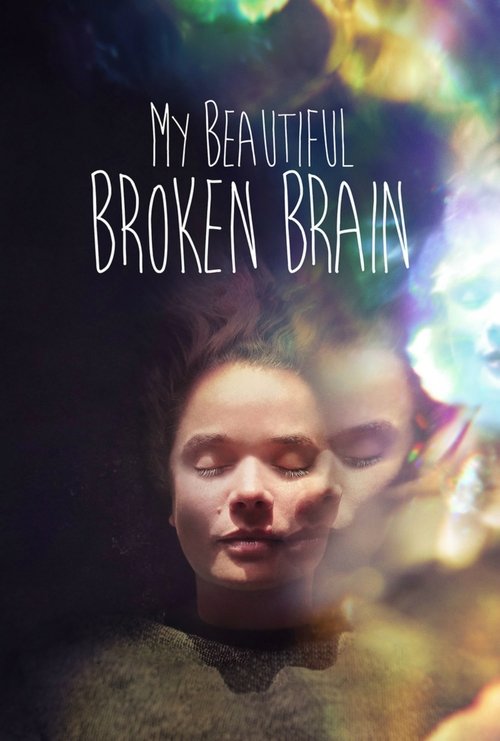
My Beautiful Broken Brain2014
A Netflix documentary where a filmmaker recovering from a stroke documents her own rehabilitation and the neuroplasticity that allowed her to rebuild her life. Personal, visually inventive, and ultimately about human resilience and reinvention.
But The experimental visual style won't appeal to everyone—it's deliberately unconventional rather than straightforward. Some find the self-focused narrative indulgent.
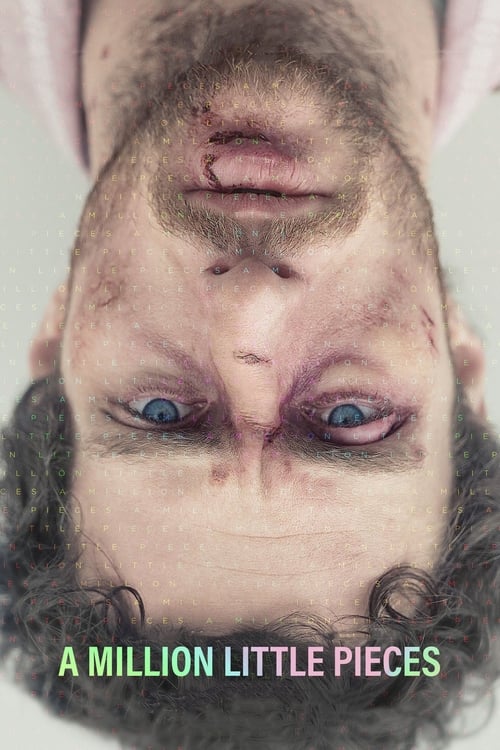
A Million Little Pieces2019
Adapted from James Frey's controversial memoir, it follows a man in recovery at an intensive treatment center. Visually stylish and unsentimental about what rehabilitation actually looks and feels like.
But The source material's credibility was damaged by fabrication scandals. Some find the aesthetic more interesting than the narrative itself.
Not sure tonight? Get a pick in a minute, starting from The Anonymous People
The wildcard
Something you would not have found on your own.
Moonlight2016
Both center people whose stories are usually told by others, reclaiming narrative authority and rejecting the pathology framework. Moonlight shows addiction as one consequence of systemic failure, not individual moral collapse.
A three-act portrait of a Black gay man growing up in Miami, dealing with addiction, incarceration, and the search for connection and identity. It's about marginalization and survival without sentimentality, and it wins you over through accumulated humanity rather than plot.
But Deliberately paced and poetic; no scene moves faster than it needs to. Some find the quietness disorienting, and the fragmented narrative demands patience.

More like this (5)
Requiem for a Dream2000
A masterpiece of formal filmmaking that captures addiction's psychological reality through fractured narrative and sound design. It treats desire and dependency with artistic seriousness no other film quite matches.
But Deliberately harrowing and deliberately unmerciful. It's art, not comfort, and the final sequences are designed to devastate. Some find it gratuitously bleak.

The Ride2018
A documentary following a recovering addict on a bicycle journey across America, encountering community and finding meaning through movement. Smaller in scope than epidemic narratives but genuinely moving about individual transformation.
But Gentle and meandering. If you want urgency or clear dramatic stakes, the contemplative pace might feel slow or self-indulgent.

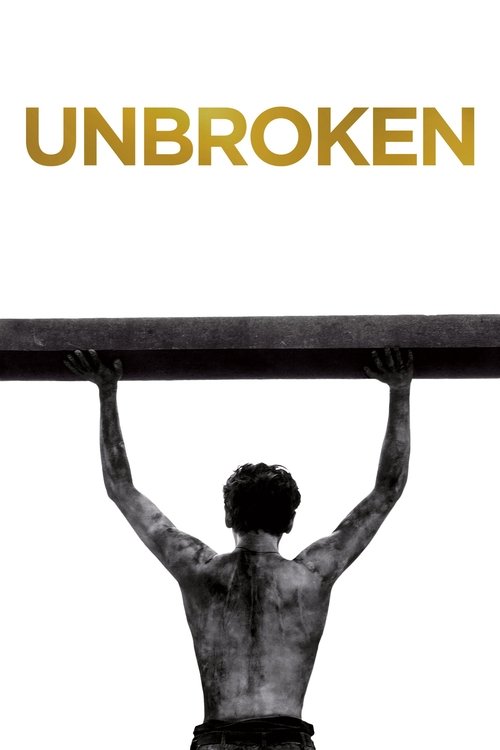
Unbroken2014
Based on Laura Hillenbrand's bestseller, this tells the true story of an Olympic runner's survival through POW camps and subsequent struggle with PTSD and addiction. Epic in scope, visually gorgeous, and humanely portrayed.
But The addiction subplot takes a backseat to the war story itself. Some find the inspirational tone simplifies complex recovery work into a narrative arc.
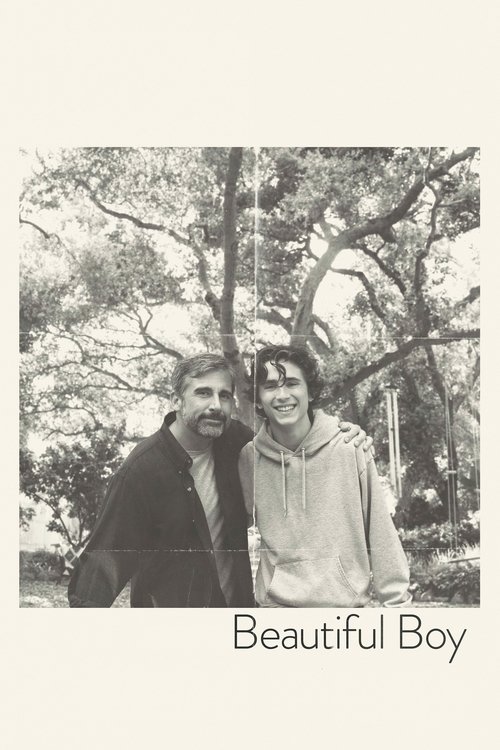
Beautiful Boy2018
Where Anonymous People centers people in recovery speaking for themselves, Beautiful Boy shows the other side: what addiction does to the people watching. The two together give a fuller picture of the system.
Timothée Chalamet and Steve Carell play a father and son through addiction and recovery—told partly from the father's perspective, which is rare. Honest about the collateral damage to families and the failed interventions.
But Focuses heavily on a privileged white family's pain, which can read as self-pitying. The oscillating timeline is deliberately disorientating, not to everyone's taste.
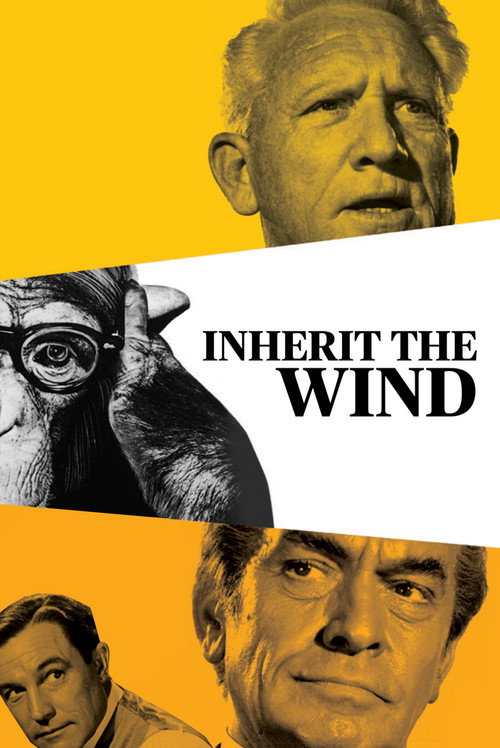
Inherit the Wind1960
The parallel is structural and thematic: recovery communities often function like the town in this film, with their own orthodoxies and their own mechanisms for excluding or redeeming outsiders. Anonymous People shows this happening now, in real time, across the country.
A courtroom drama about faith versus reason that seems completely unrelated until you realize it's actually about how communities ostracize and scapegoat people for beliefs that challenge their worldview. Spencer Tracy is magnificent.
But It's from 1960 and shot in black-and-white. The theatrical pacing and dialogue feel distant to modern audiences. It's not about addiction directly, so the connection requires active thinking.
People
Directing
- Greg D. WilliamsDirector