Television series
Nuremberg
A TNT miniseries about the Nuremberg trials that follows Chief Prosecutor Robert Jackson and defendant Hermann Göring as twenty-four Nazis face charges of war crimes and crimes against humanity. It's a measured, courtroom-centered drama that treats the law as both shield and inadequate answer to atrocity. For viewers interested in how justice attempts to reckon with industrial-scale evil.
If you liked this
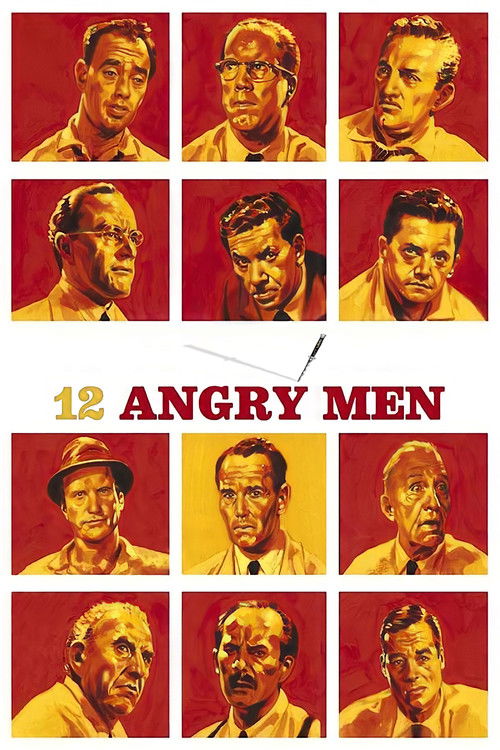
12 Angry Men1957
Sidney Lumet's masterclass in how a jury deliberates justice, with Henry Fonda as a man who thinks beyond guilty or not guilty. Every scene is argument; every argument is about conscience. The spiritual ancestor of serious trial drama.
But Black-and-white, confined to one room, entirely dialogue-driven. If you need movement and spectacle, you will lose patience.
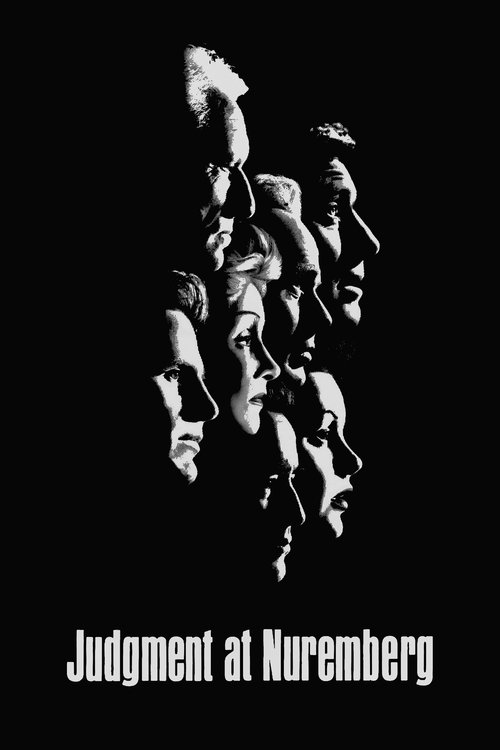
Judgment at Nuremberg1961
Spencer Tracy, Burt Lancaster, Richard Widmark in Stanley Kramer's vast courtroom epic about prosecuting German judges. Longer and more ambitious than the TNT version, with deeper performances from its Nazi defendants. Unflinching about how easily evil normalizes itself.
But Three-and-a-half hours and it earns every minute, but the pacing is deliberate to the point of austere. Not for viewers who need momentum.
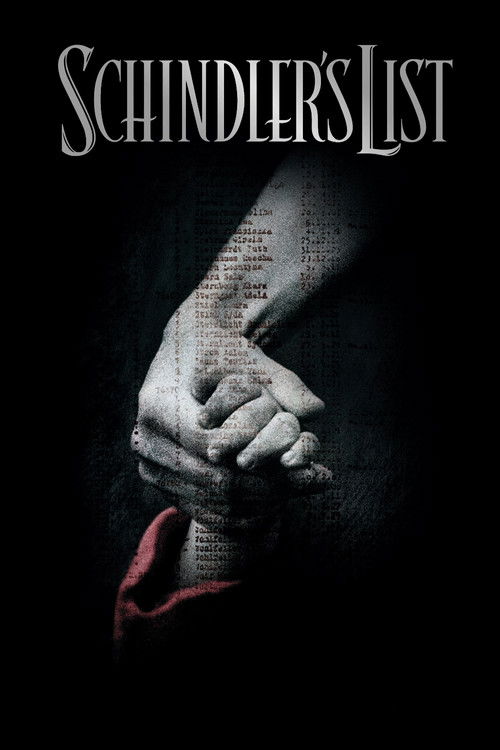
Schindler's List1993
Spielberg's four-hour account of a man who saved Jewish lives during the Holocaust. Essential viewing on the subject of Nazi Germany and moral choice. Black-and-white cinematography gives it weight beyond the historical record.
But Extremely graphic depictions of Holocaust atrocities. This is not entertainment; watching it is work, and it is meant to be.
Not sure tonight? Get a pick in a minute, starting from Nuremberg
The wildcard
Something you would not have found on your own.
The Act of Killing2012
Both examine what happens when history is forced to reckon with mass atrocity. Nuremberg assumes justice is possible; The Act of Killing shows a world where it never comes.
A documentary in which Indonesian death-squad leaders are asked to reenact their murders on film. It asks what happens when perpetrators are never tried, never judged, never held accountable. The inverse of Nuremberg: a world where the killers walk free and narrate their own crimes.
But Genuinely difficult to watch. The filmmakers let the men explain themselves without interruption, which feels like complicity. You may feel manipulated or unclean after.

More like this (7)
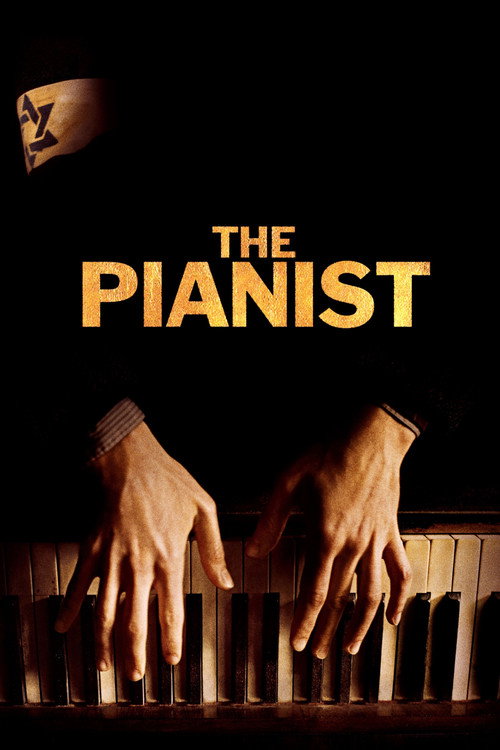
The Pianist2002
Roman Polanski's account of a Jewish pianist surviving Warsaw under Nazi occupation. More intimate than historical; Adrien Brody's performance is restrained and devastating. The piano becomes the engine of survival and dignity.
But Long stretches of quiet desperation and starvation. The film trusts you to feel the weight of mundane horror rather than punctuating it with drama.
Come and See1985
A Soviet film about two boys caught in the Eastern Front; perhaps the most unflinching depiction of what war does to civilians and soldiers alike. Not a courtroom, but a complete moral reckoning with the thing Nuremberg tried to prosecute.
But Extremely brutal and bleak. Not a film that offers catharsis or redemption. Watching it is difficult in the way that matters.

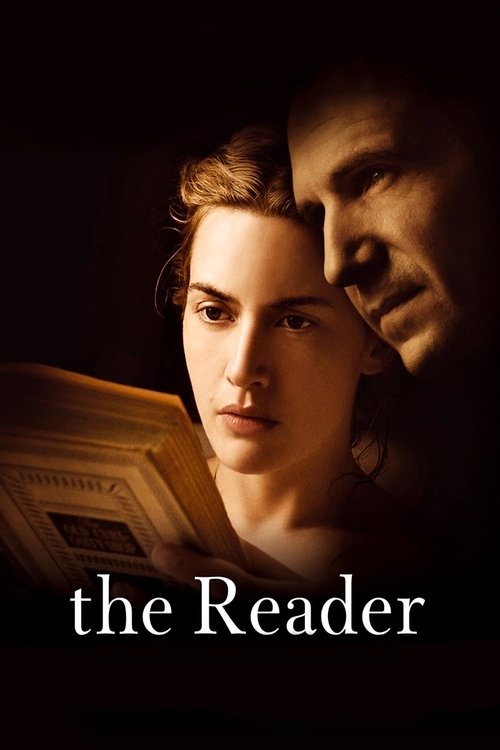
The Reader2008
Kate Winslet as a woman on trial for war crimes, with Michael Rourke as a man who knew her before the war. Asks uncomfortable questions about complicity, literacy, and whether understanding someone's humanity changes judgment of their guilt. Complex and uneasy.
But The central relationship feels designed to generate sympathy for a war criminal. Some viewers will find that morally corrupting rather than challenging.
The Fog of War2003
Errol Morris's documentary of Robert McNamara reflecting on decisions made during the Vietnam War and WWII. Not about Nuremberg but about how powerful men justify actions later. A document of conscience examined too late.
But It is a man justifying himself. You may find that infuriating rather than illuminating, and that's a fair response.

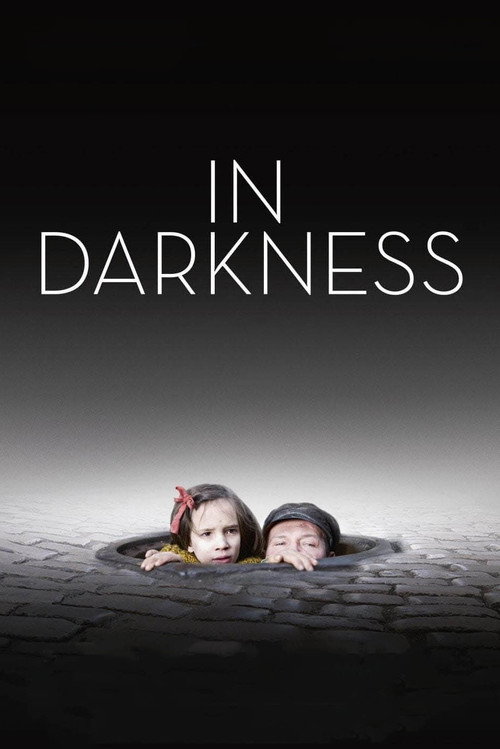
In Darkness2011
A Polish film about a sewer rat who hides Jews in the tunnels beneath Lvov. Survival story told in darkness, literally and morally. A smaller, stranger perspective on the same history, set in the same era.
But Grimy, claustrophobic, and difficult to parse visually. The moral questions are murky, which is the point, but some will find it frustrating.
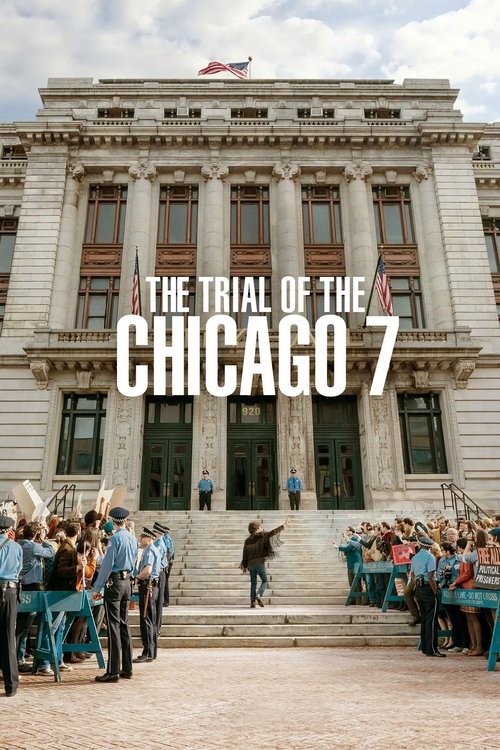
The Trial of the Chicago 72020
Same structure—trial as mirror of a nation's values—but Sorkin is asking the opposite question. Nuremberg: can we punish evil? Chicago 7: can we punish dissent without becoming evil?
Aaron Sorkin's courtroom drama about 1969 protesters tried for conspiracy during the Democratic Convention. Fast-moving, funny, morally furious. A trial about whether dissent is crime, versus Nuremberg's trial about whether power is guilt.
But Sorkin's dialogue is self-admiring and can feel performative. If you want restraint and weight, this is closer to theater than to law.
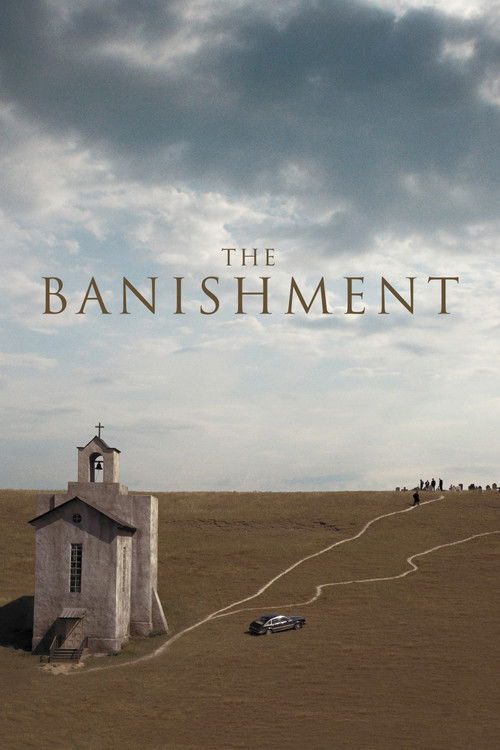
The Banishment2008
Nuremberg assumes guilt can be proven and justice served. The Banishment asks whether any judgment, legal or personal, actually heals anything.
Andrei Zvyagintsev's Russian film about a man accused by his wife of a terrible crime, no trial, just exile from his own family. A philosophical western about guilt and judgment without law. What happens when verdict comes from love instead of courts.
But Slow, bleak, and ambiguous about whether the accusation is true. No closure. The man's innocence or guilt matters less than what judgment does to him.