
Film
Morphine
- Drama
- Very dark
A 2008 Russian drama set during the 1917 revolution in a frozen countryside village. A newly arrived doctor, confronted with suffering he cannot cure, descends into morphine addiction. Aleksandr Sokurov's film is visually austere and morally unsparing—a meditation on compassion's cost and complicity, where good intentions curdle into dependency. For viewers drawn to psychological portraits of collapse.
If you liked this
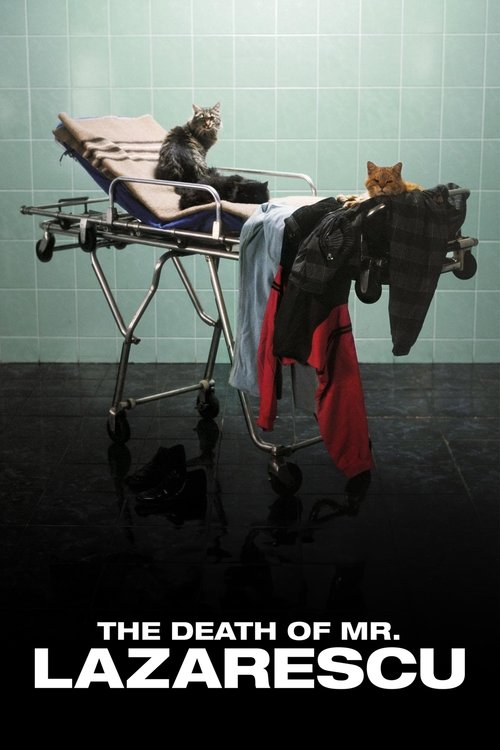
The Death of Mr. Lazarescu2005
Romanian masterpiece about a dying man passed between hospitals and indifferent bureaucracies. Like Morphine, it observes suffering with unflinching clarity and finds dark comedy in institutional failure without ever mocking the suffering itself.
But Deliberately paced and bleak. You watch someone deteriorate across four hours with minimal relief. Patience required.
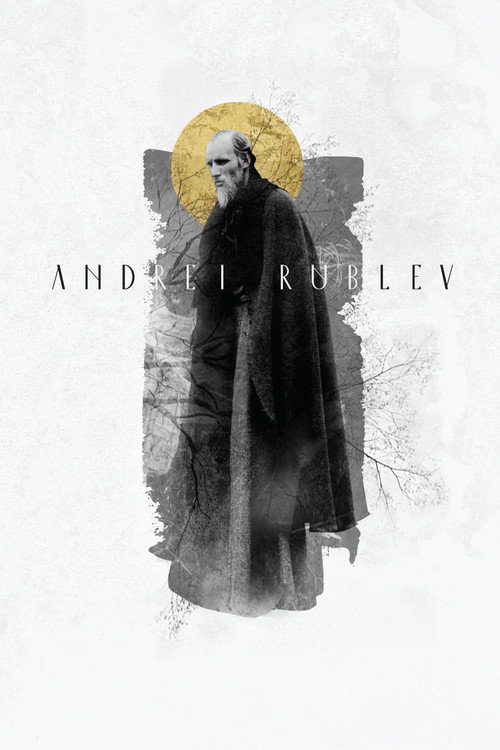
Andrei Rublev1966
Tarkovsky's portrait of an artist-monk during medieval upheaval, grappling with faith and violence. Both films follow men trying to do good in chaos, watching their principles strain under pressure. Visually hypnotic.
But Nearly three hours of 1960s Soviet cinema. Demands active attention; will not entertain passively.
The Seventh Seal1957
Bergman's knight plays chess with Death during plague. Medieval setting, philosophical weight, a man confronting suffering and mortality. The same register of moral inquiry as Morphine, with more direct metaphysical wrestling.
But Formally austere by design. If you want plot momentum or emotional catharsis, this will frustrate you.

Not sure tonight? Get a pick in a minute, starting from Morphine
The wildcard
Something you would not have found on your own.
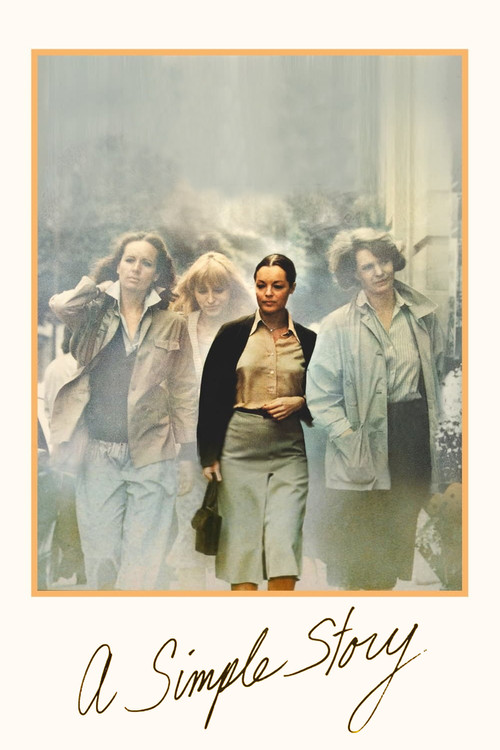
A Simple Story1978
Both are precise, unsentimental studies of addiction and professional collapse. Both refuse the junkie-as-romantic-antihero narrative and instead show addiction as a banal catastrophe.
Éva Szabó's Hungarian film about a morphine-addicted nurse losing her grip on life and work. Directly mirrors Morphine's subject but approaches it through intimate, almost mundane domesticity rather than psychological extremity. Quietly devastating.
But Obscure 1970s Hungarian cinema. If you want something recognizable or comforting, this offers neither. Slow and unglamorous.
More like this (8)
Come and See1985
Elem Klimov's uncompromising portrait of a Soviet boy-soldier during WWII. The same unflinching gaze at human wreckage. Both films refuse to look away or offer consolation. Devastatingly powerful.
But Genuinely difficult to watch. Not depressing in a cathartic way—more like witnessing actual horror. Scars rather than moves you.

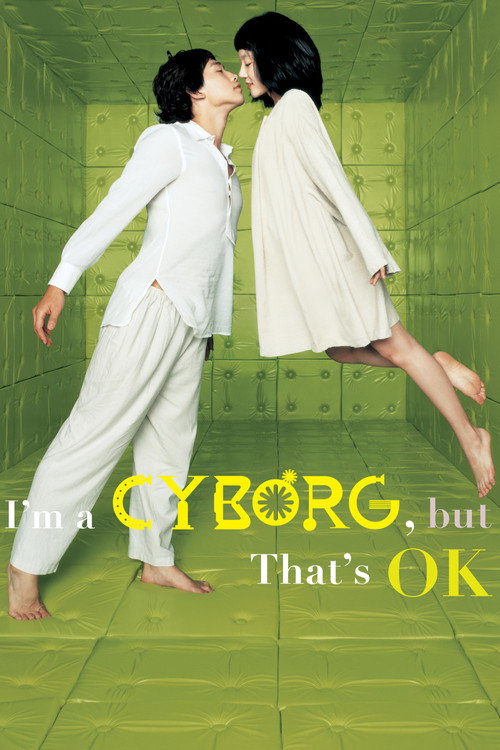
I'm a Cyborg, But That's OK2006
Park Chan-wook's gentle film about a woman convinced she's a cyborg and the man in a psychiatric hospital who loves her. Both explore addiction and escape, but this one finds strange tenderness in broken people. A different tone entirely.
But Whimsical Korean melodrama. If you want the serious Russian register, this might feel frivolous, even if it earns that lightness.
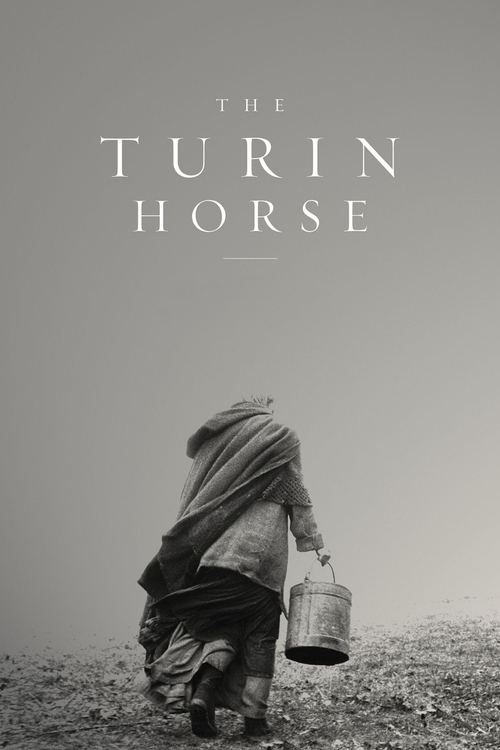
The Turin Horse2011
Béla Tarr's final film: a philosopher's last days in a dying world. Grayscale, sparse, glacially paced. The same formal severity as Morphine and a matching sense of inevitable decline.
But Apocalyptic and utterly bleak. No warmth, no hope, no humor. If you're already in a dark place, this might push you further.
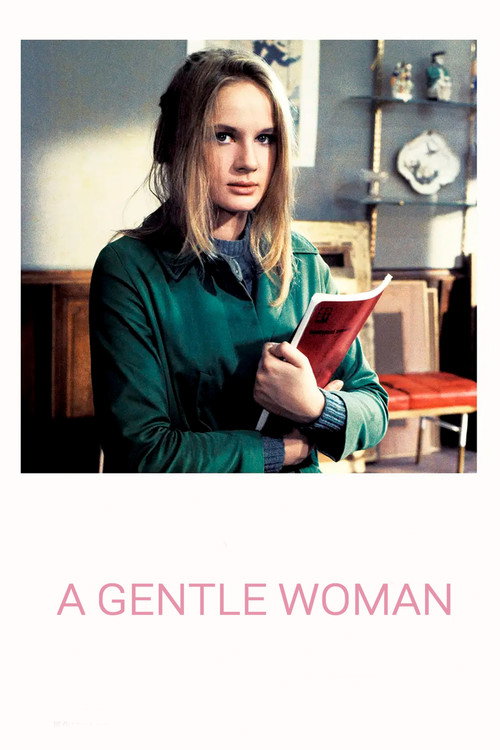
A Gentle Woman1969
Bresson's adaptation of Dostoevsky about a woman who steals for her husband and the moral aftermath. Russian soul, Bresson's crystalline style, a portrait of how suffering can calcify into judgment.
But Formal and cold. Bresson strips away conventional emotion; some find this liberating, others alienating.
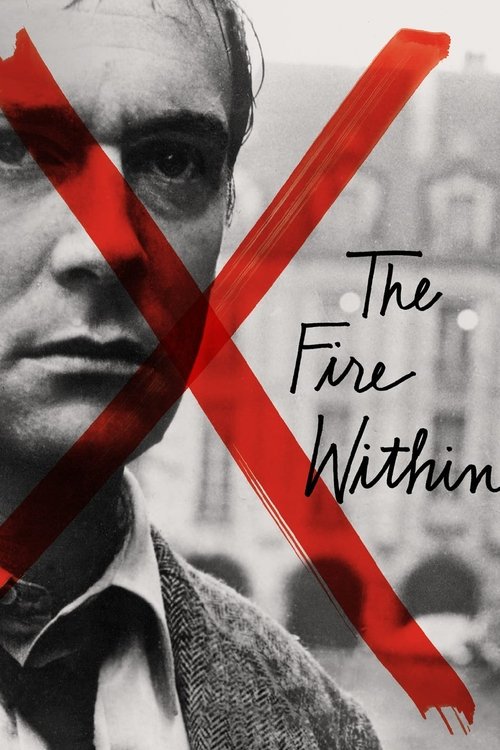
The Fire Within1963
Louis Malle's portrait of a man's slow suicide in Paris. Not sensational—quiet, ordinary, a study in how despair accumulates. The same refusal to dramatize or prettify human breakdown.
But Suicide is not a metaphor here; it's the literal trajectory. Watching it unfold methodically can feel unbearable rather than cathartic.
Winter Light1963
Bergman's shortest film: a pastor's crisis of faith during a Swedish winter. Spare, glacial, about the inadequacy of faith and compassion in the face of suffering. Thematic kin to Morphine.
But Forty-one minutes of ecclesiastical despair in black and white. Minimal plot, maximum angst. Some find it profound; others find it a slog.

Memories of Murder2003
Both are about institutions and individuals, about how a man's principles are eroded by circumstance and necessity. Both are furiously intelligent about complicity and compromise.
Bong Joon-ho's serial killer procedural set in 1980s South Korea. Genres apart from Morphine, but identical in moral architecture: decent men in systems that corrupt them, watching their own compromises compound. Urgent, brilliant, morally complex.
But Dark crime thriller, not a meditative portrait. Faster paced, more plot-driven. Requires stomach for violence and moral ambiguity without resolution.

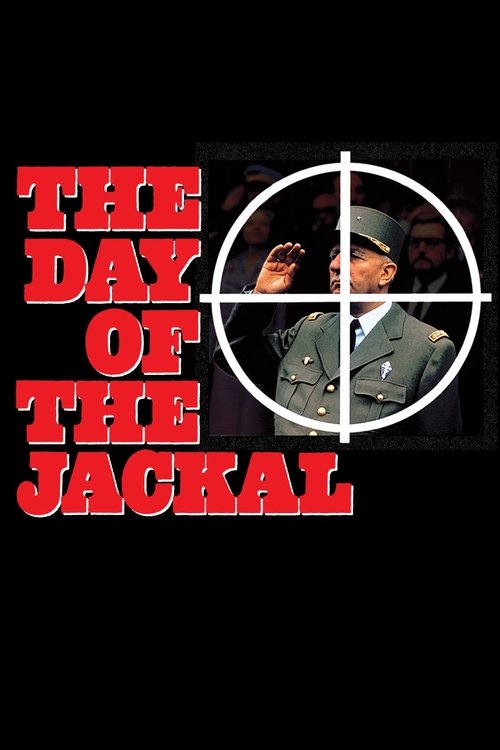
The Day of the Jackal1973
Both are about the logic of descent—how one choice leads to the next with almost mathematical inevitability. Both are ice-cold and precise about that machinery.
Zinnemann's ice-cold thriller about a hired assassin and the manhunt. Genre opposite to Morphine, but structurally identical: incremental precision, moral collapse, a man drawn deeper into something he cannot escape. Tense as Morphine is quiet, but the same inexorable logic.
But A 1970s political thriller. If you want psychological depth or character complexity, this prioritizes plot and technique. Elegant but procedural.
People
Cast
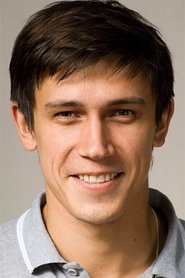 Leonid BichevinDoctor Mikhail Alekseyevich Polyakov
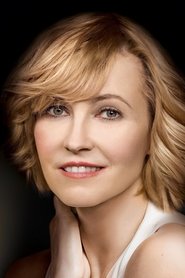 Ingeborga DapkūnaitėAnna Nikolayevna
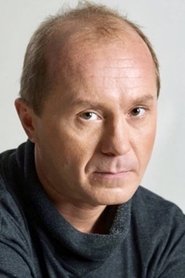 Andrei PaninMedical Assistant Anatoliy Lukich Demiyanenko
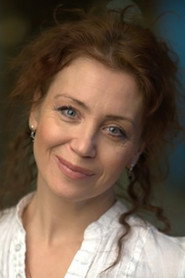 Svetlana PismichenkoPelageya Ivanovna
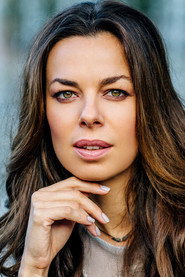 Katarina RadivojevićEkaterina Karlovna
 Aleksandr MosinVlas
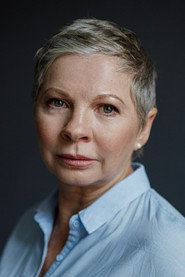 Irina RakshinaAksinya
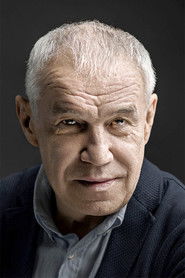 Sergey GarmashVasily Osipovich Soborevsky
- Yulia DeynegaTanya
- Andrey PoluyanOfitser
- Oleg KorytinFirefighter
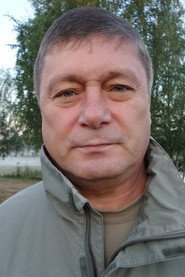 Valeriy Zaytsevgeneral
Directing
- Olga KashirinaAssistant Director
- Aleksei BalabanovDirector
Writing
- Mikhail BulgakovNovel
- Sergei Bodrov Jr.Screenplay
Production
- Alla PetelinaCasting
- Sergei SelyanovProducer