
Film
I'm a Cyborg, But That's OK
- Medical drama
- Strange
A whimsical South Korean romance about two psychiatric patients—one convinced she's a cyborg, the other determined to prove she's human. Director Park Chan-wook trades his usual darkness for absurdist tenderness, finding genuine warmth in delusion and connection. It's a film that treats mental illness with both humour and unexpected grace, asking what it means to be broken alongside someone else.
Should you watch it?
Watch it if you have a soft spot for gentle oddballs in strange, bright worlds, where a tender love story is told with playful, deliberately off-kilter invention and a sweetness that never quite stops being sly.
Skip it if you need a story that moves briskly, since this one drifts into long stretches of stillness and repetition, and its hospital-ward cheerfulness can feel more wilful than charming.
What it asks of you: It runs about an hour and three-quarters and asks you to stay with its deliberate, dreamlike rhythms, shifting from pastel-bright comedy to sudden, uneasy darkness without warning.
Not sure? Find tonight's pick in a minute.
If you liked this
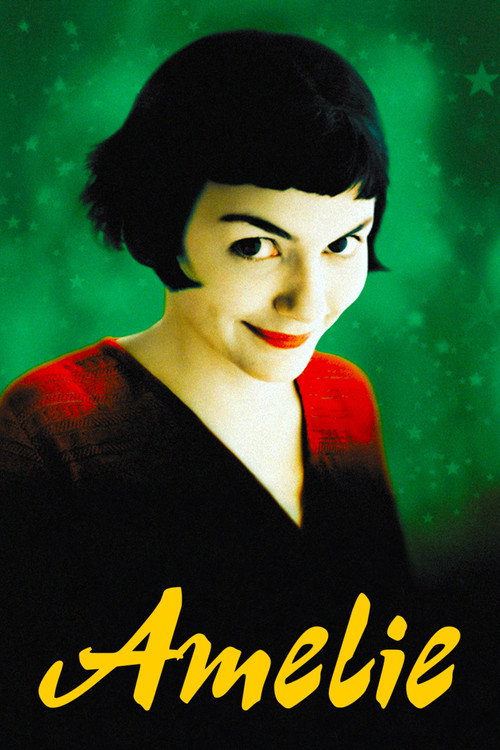
Amélie2001
Shares the same whimsical magic-realism sensibility and belief that kindness can rewire the world. Both celebrate outsiders and find poetry in small, deliberately strange moments of human connection.
But If you want plot to drive things forward, you'll find both dreamlike and meandering. They privilege mood and character eccentricity over narrative momentum.
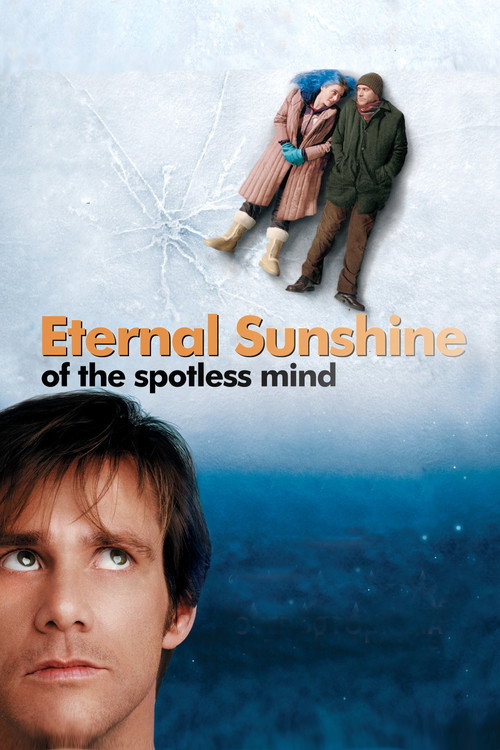
Eternal Sunshine of the Spotless Mind2004
Both explore unconventional romance between damaged people, using the lovers' interior worlds as the true landscape. Each finds tenderness in sadness and oddness, never treating mental struggle as something to overcome quickly.
But Requires patience with surrealism and abstraction. Neither film explains itself; they ask you to feel rather than understand.
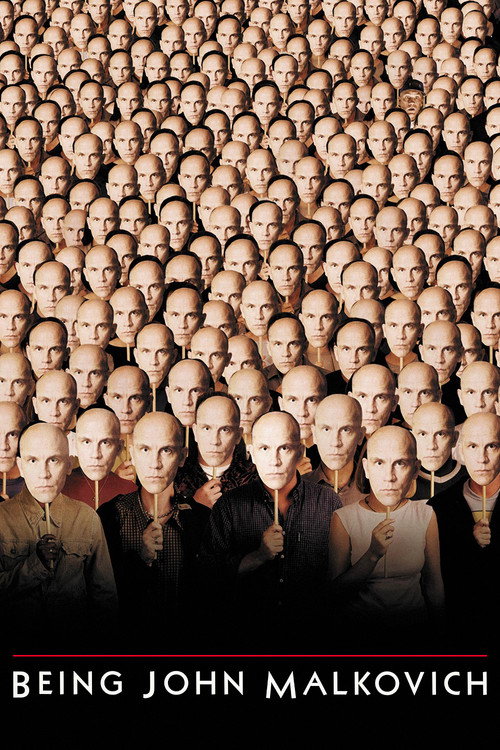
Being John Malkovich1999
Shares the commitment to building a whole world around a single surreal premise, then mining it for genuine emotion. Both are funny without being cynical, strange without being cruel.
But The logic is dream-logic, not real-world logic. If you need things to make practical sense, both will frustrate you.
Not sure tonight? Get a pick in a minute, starting from I'm a Cyborg, But That's OK
The wildcard
Something you would not have found on your own.
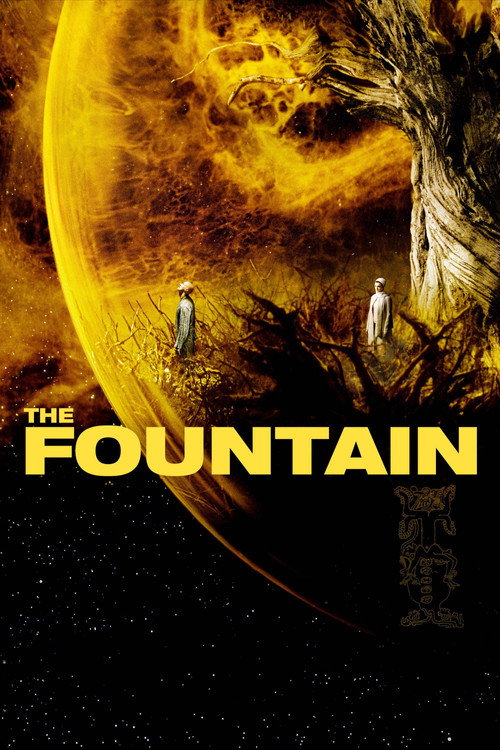
The Fountain2006
Both films build elaborate, dreamlike worlds to answer a simple question: what would you do to save someone you love? Both trust visual poetry over exposition.
Darren Aronofsky's ambitious, visually stunning meditation on love across centuries. Like Park's film, it privileges the feeling of devotion over plot clarity, and trusts viewers to sit with strangeness.
But Famously polarizing and narratively opaque. Many find it pretentious or incomprehensible; it demands genuine patience and surrender.
More like this (8)
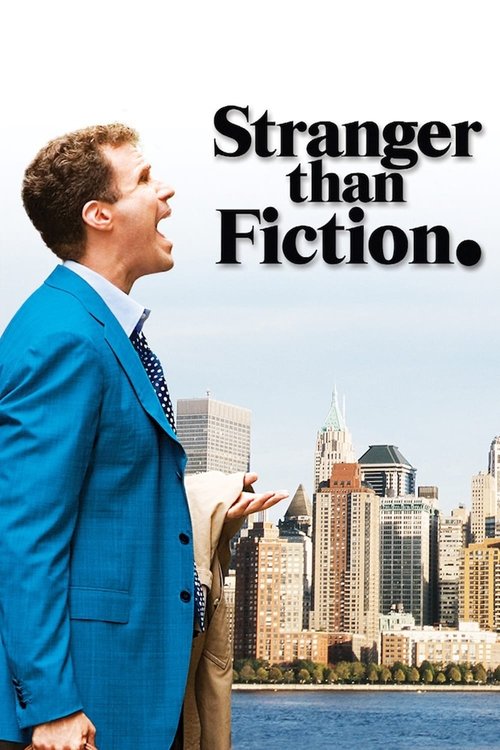
Stranger Than Fiction2006
Another film that treats delusion—or unusual perception—as a vehicle for real romance and self-discovery. Both balance whimsy with authentic emotional stakes.
But Earnestness throughout. There's no ironic distance; if sincerity feels cloying to you, this won't convert you.
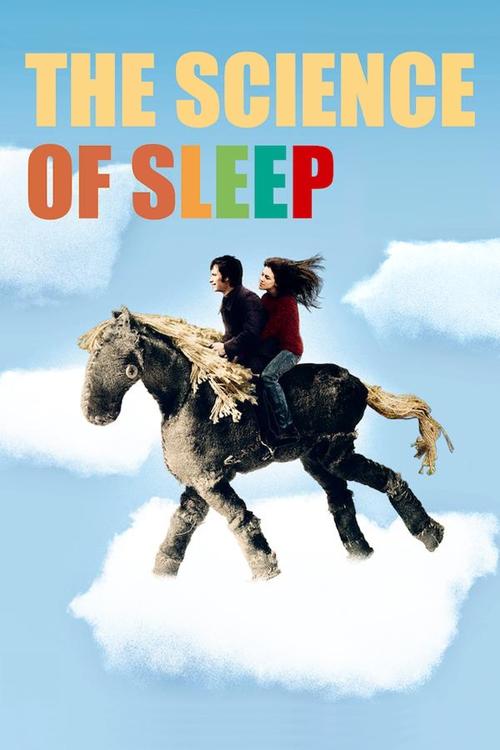
The Science of Sleep2006
Michel Gondry's handmade aesthetic shares Park's commitment to visualising internal worlds. Both centre on a man gently pursuing a woman through her own strange logic rather than forcing her into his.
But Charming but slight. Some find it precious or overly quirky; the romance can feel more conceptual than felt.
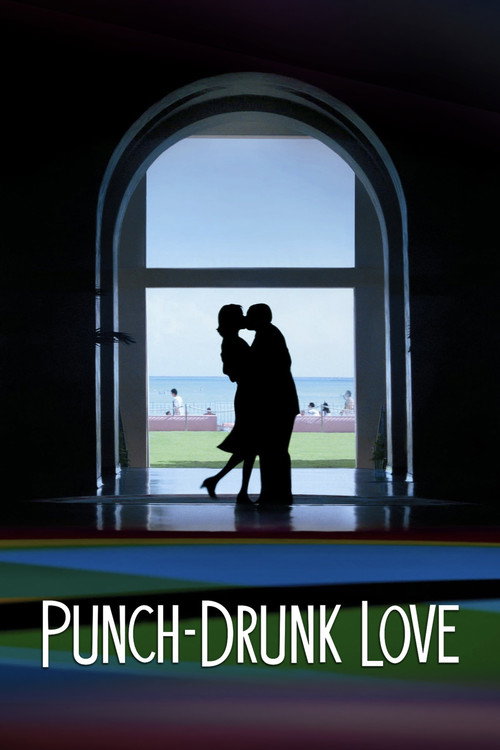
Punch-Drunk Love2002
Paul Thomas Anderson finds genuine romance and chaos in a protagonist's fractured mind. Like Park's film, it refuses to mock its damaged lead or resolve them neatly.
But Visually abrasive and tonally unpredictable. Adam Sandler plays against type in a role that unsettles some viewers.
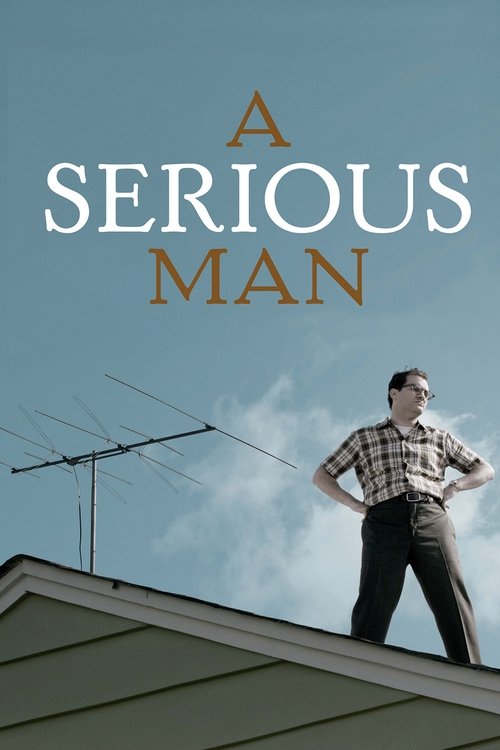
A Serious Man2009
The Coen Brothers create a world where trauma, absurdity, and connection coexist. Both films treat suffering as real without requiring it to be grimly realistic.
But Bleaker than it seems. The resolution—or lack of one—may leave you cold rather than moved.
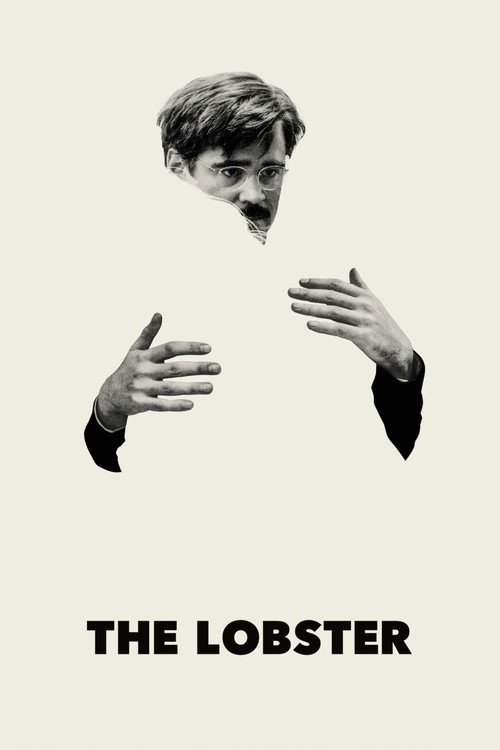
The Lobster2015
Yorgos Lanthimos builds elaborate, logic-defying worlds to explore how we connect. Both treat surreal premises as perfect frames for examining loneliness and attachment.
But Deliberately artificial in tone and performance. Deadpan throughout; warmth emerges only if you accept the film's strange rules first.
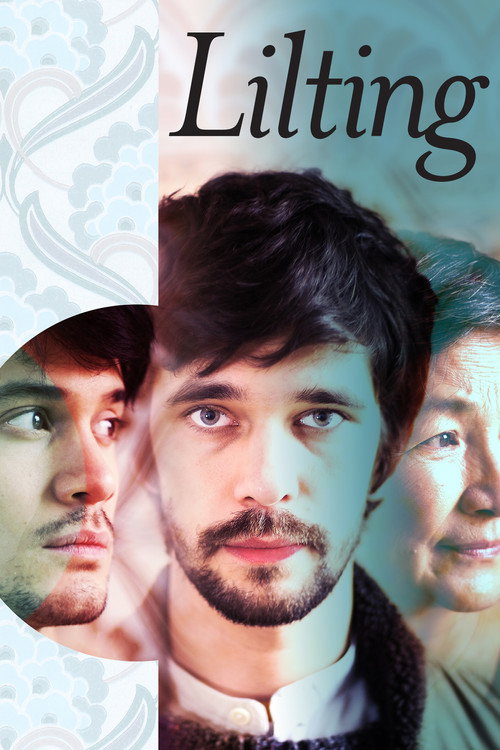
Lilting2014
A quieter, less fantastical film about grief and two people finding each other in shared loss. Shares the gentleness and the refusal to simplify emotional damage.
But Very slow and very sad. The surrealism of Park's film is replaced by realism; some find it depressing rather than moving.
Come and See1985
Where Park uses delusion as tenderness, Klimov uses fragmentation and montage to show trauma. Both reject narrative realism in service of emotional truth. Both are about how the mind survives unbearable things.
Elem Klimov's devastating Soviet war film shares Park's conviction that cinema can show us internal truth through surrealism and fragmentation. A masterpiece of psychological cinema.
But This is a harrowing document of war's horror on a child. It's the opposite of whimsy—devastating and difficult to watch.

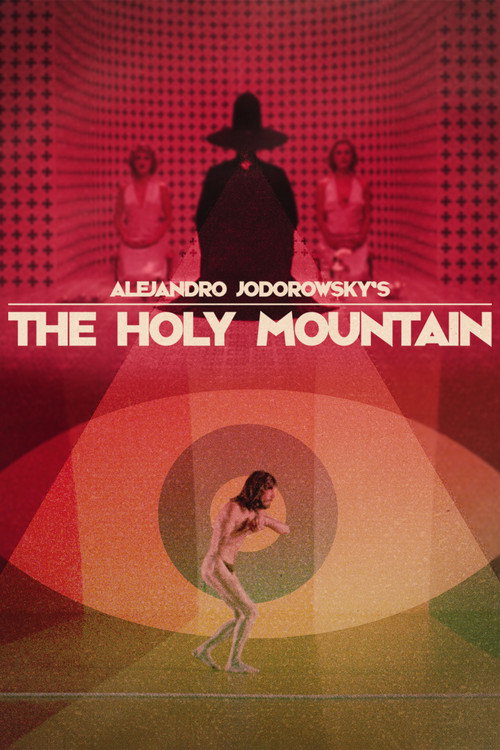
The Holy Mountain1973
Both directors build complete alternative realities to explore psychological and spiritual states. Both have absolute formal control despite—or because of—their strangeness. Both trust cinema as a language that can bypass reason entirely.
Jodorowsky's surrealist odyssey is genuinely weird in ways mainstream film rarely permits. Like Park, it creates its own dream-logic and asks nothing but your presence and trust.
But Surrealism without a safety net. No recognizable story, no comfort, sometimes deliberately gross or disturbing. From a different film language entirely.
People
Cast
 Im Soo-jungCha Young-goon
 RainPark Il-soon
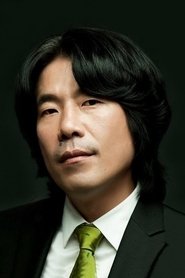 Oh Dal-suShin Duk-cheon
- Lee Yeong-miOh Seol-mi
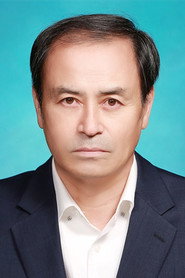 Kim Chun-giLee Dae-pyeong
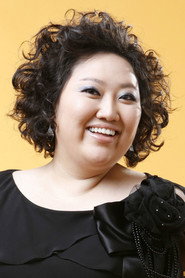 Park Jun-myunWang Gop-dan
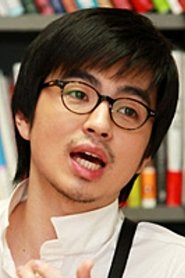 Cheon Seong-hoonHwang Gyu-suk
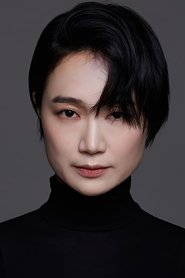 Choi Hee-jinChoi Seul-gi
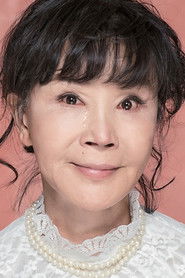 Lee Yong-nyeoYoung-goon's Mother
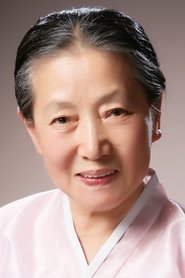 Son Young-soonYoung-goon's Grandmother
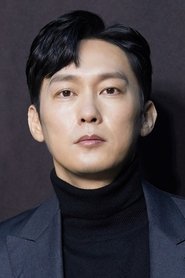 Park Byung-eunKim Jun-beom
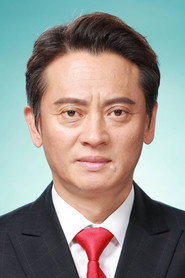 Kim Byeong-okJudge
Directing
- Park Chan-wookDirector
Writing
- Park Chan-wookScreenplay
- Jeong Seo-kyeongWriter
Production
- June LeeAssociate Producer
- Lee Tae-hunExecutive Producer
- Miky LeeExecutive Producer
- Lee Chun-yeongProducer
- Park Chan-wookProducer