
Film
Tarantula
Other titles called Tarantula: the 1955 film.
A mesmerising 18-minute documentary about Tarantism in southern Italy, where women claim spider bites drive them to dance in spiritual, cathartic rituals. It captures something between possession and therapy, between belief and survival, with remarkable intimacy and without condescension. Essential viewing for anyone drawn to the strange territories where body, mind, and culture collide.
If you liked this
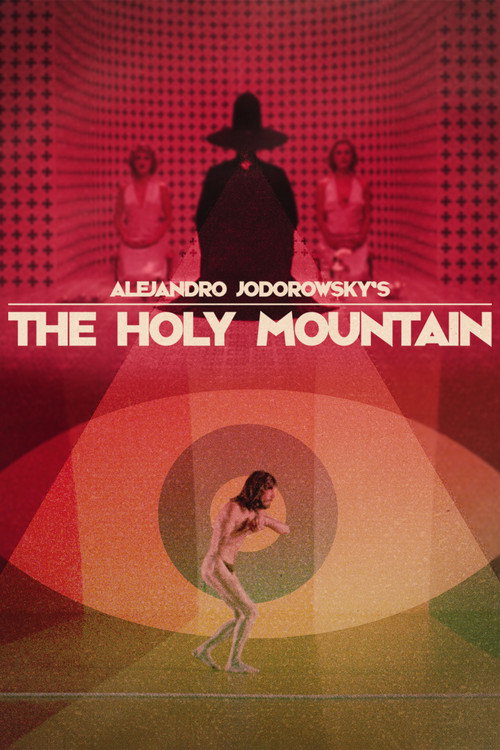
The Holy Mountain1973
Jodorowsky's surrealist meditation on spiritual transcendence through ritual, symbol, and the body. Dense, hallucinatory, genuinely committed to its vision of the sacred made visible.
But Deeply inaccessible and sometimes genuinely grotesque. Three-and-a-half hours of challenging images that demand patience and offer no conventional plot.
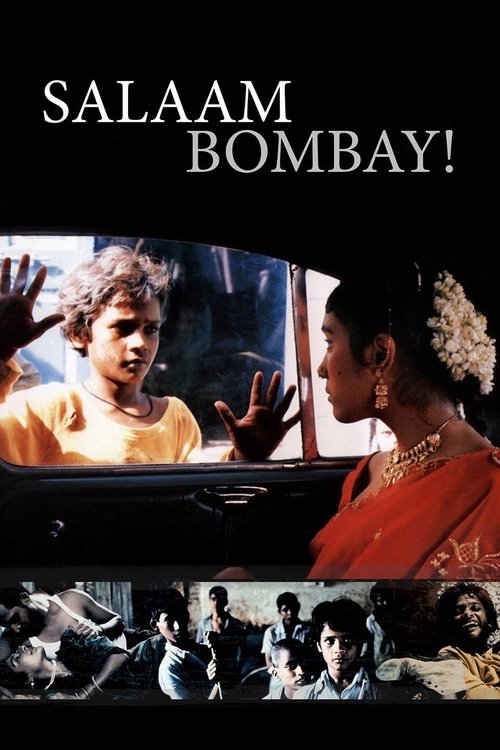
Salaam Bombay!1988
Mira Nair documents the lives of street children with the same unflinching empathy and intimate observation. Refuses to look away or condescend; instead, finds dignity and specificity in survival.
But Deeply upsetting. The suffering is real and relentless, with no narrative comfort to cushion it.
Man with a Movie Camera1929
Dziga Vertov's radical documentary of Soviet life uses bodies, movement, and rhythm to reveal the invisible structures holding society together. Intoxicating formal innovation in service of genuine observation.
But No dialogue, no narrative, no guide. The form can feel opaque until you stop expecting explanation and surrender to it.

Not sure tonight? Get a pick in a minute, starting from Tarantula
The wildcard
Something you would not have found on your own.
The Red Shoes1948
Both films recognize dance not as entertainment but as compulsion—a physical language that bypasses reason and goes directly to something primal and irreducible.
Powell and Pressburger's ballet fantasia about a woman danced to her own destruction. The dance sequences themselves become narrative, possession, and madness—the same intoxication-through-movement that Tarantula documents, but transformed into pure cinema.
But A feature film about a ballet, which means it demands patience with long sequences of uninterrupted dancing. The melodrama, though gorgeous, is utterly sincere in a way modern taste often finds hard to take.

More like this (6)
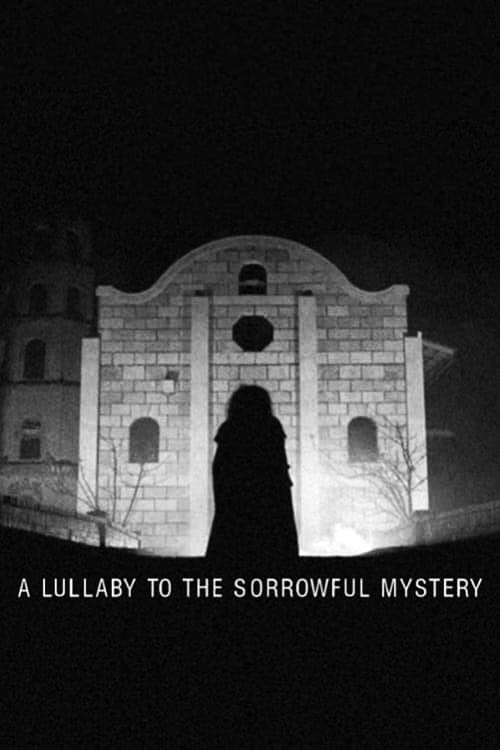
A Lullaby to the Sorrowful Mystery2016
Béla Tarr's late-career essay on loss and displacement. Hypnotic, meditative, constructed from images and sound with the precision of ritual. Light, water, and human presence become everything.
But Austere to the point of austerity. Barely a plot, minimal dialogue, long static shots. Demands a particular mood and refuses to accommodate restlessness.
Come and See1985
Elem Klimov's absolute masterpiece about a boy conscripted into the Soviet army during WWII. Unbearably intense, constructed as ritual and descent. Transforms documentary realism into something prophetic and haunting.
But Among cinema's most brutal films. If you have any vulnerability to depictions of violence and child suffering, this will devastate you completely.

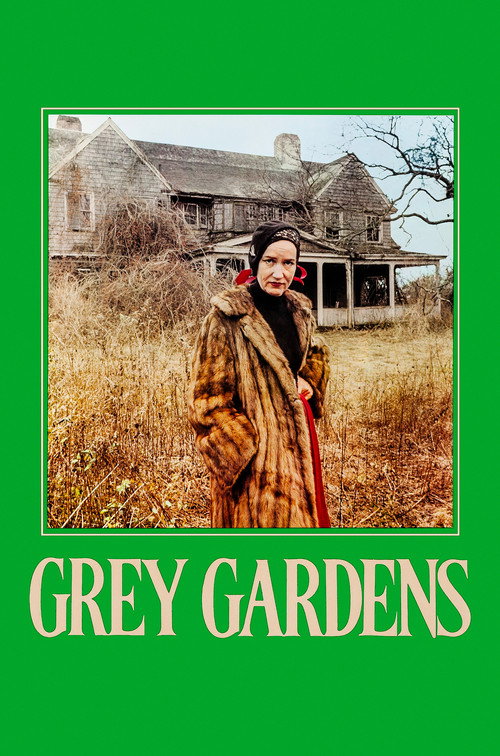
Grey Gardens1976
The Maysles brothers document two reclusive women in a decaying mansion with anthropological precision and genuine affection. Sad, funny, and strangely beautiful—a portrait of a closed world on its own terms.
But Gossip-adjacent; the film was made partly as spectacle of eccentricity. Some viewers find it exploitative no matter how tenderly shot.
The Act of Killing2012
Joshua Oppenheimer's extraordinary documentary allows Indonesian death-squad leaders to stage recreations of their murders. Unbearable, inventive, and philosophically necessary—a portrait of performance as both confession and denial.
But Formally audacious to the point where style can feel uncomfortably detached from atrocity. Viewing it means being complicit in a troubling ethical exercise.

Synecdoche, New York2008
Both use rituals—repeated movements, performed states, the body in service of something beyond conscious control—to explore how humans survive psychological or spiritual crisis. Both suggest that the performance *is* the healing.
Charlie Kaufman's baroque, fractured film about a theater director building a life-sized replica of New York inside a warehouse, collapsing the boundaries between performance and reality, ritual and survival. Madly ambitious, genuinely disorienting.
But Expensive-looking indie maximalism. The structure is deliberately confusing, the tone lurches wildly, and there is no moment of clarity or rest. Exhausting even when exhilarating.

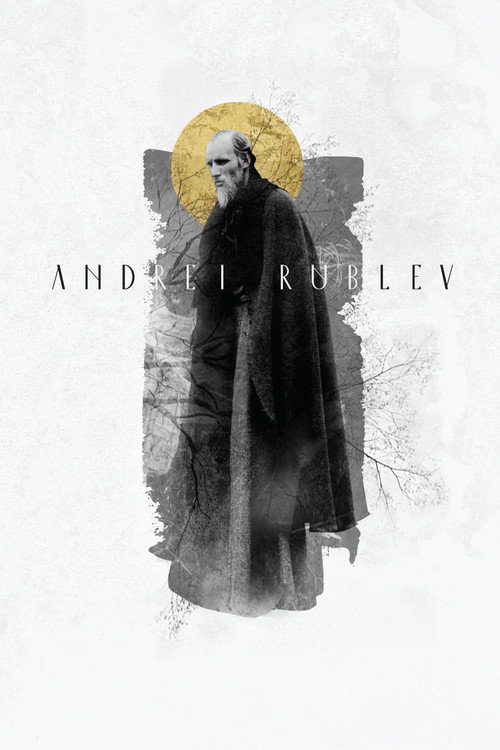
Andrei Rublev1966
Both films treat the creation of spiritual meaning through the body—whether through dance or visual art—as a profound form of testimony and survival in a world that offers little else.
Tarkovsky's epic meditation on art, faith, and suffering during medieval Russia. Icon-painting becomes its own form of trance and communion. Shot with such visual precision that every frame feels sacred, and time moves according to its own logic.
But Three hours of contemplative cinema where very little happens in the conventional sense. Black and white, subtitled, patient to the point where impatience becomes part of the viewing experience.
People
Directing
- Gianfranco MingozziDirector
Writing
- Salvatore QuasimodoWriter
Production
- Franco Finzi de BarboraProducer