
Film
A Lullaby to the Sorrowful Mystery
- Drama
- Slow-burning
An eight-hour Philippine epic that deconstructs the mythology of national hero Andrés Bonifacio and the revolution against Spanish colonialism. Director Lav Diaz weaves history, literature, and lived experience into a deliberately paced meditation on how individuals shape and are shaped by historical forces. It's patient, visually rich, and uncompromising—for viewers willing to sit with ambiguity and complexity.
If you liked this
Shoah1985
Claude Lanzmann's nine-hour testimony-based investigation into the Holocaust shares Diaz's conviction that history cannot be rushed or simplified. Survivors and witnesses speak; landscape and silence speak; you must sit and listen and think.
But The runtime is not a gimmick—it is the point. If patience exhausts you, or if you need narrative momentum to stay engaged, this will feel punishing rather than profound.

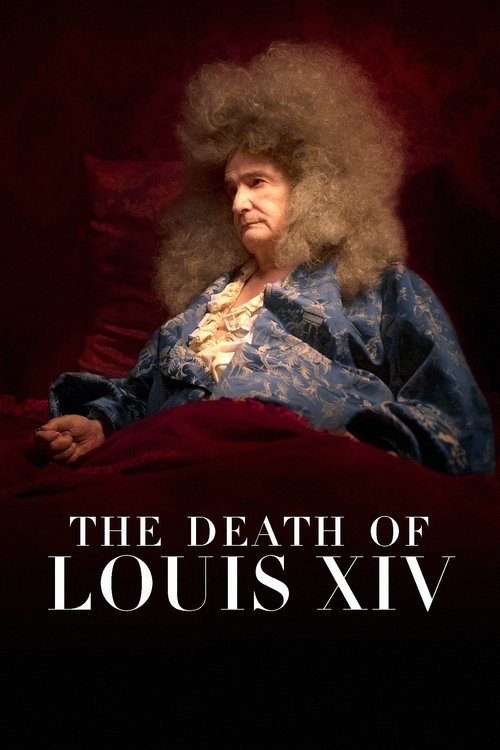
The Death of Louis XIV2016
Albert Serra's film watches a dying king with the patience of a Renaissance painting. It's hypnotic, sensual, and utterly still—proof that cinema can be about texture and presence rather than plot.
But The palette is muted, the pace glacial, and literally nothing happens. If you need incident to feel invested, you'll find it mannered and empty.
Mulholland Drive2001
Lynch's three-hour Los Angeles fever dream also uses fragmented narrative and doubled characters to examine how myths are constructed and identities unmade. The mystery deepens each time you watch.
But It's deliberately opaque and refuses to resolve. The surrealism can feel like obfuscation if you're looking for answers rather than atmosphere.

Not sure tonight? Get a pick in a minute, starting from A Lullaby to the Sorrowful Mystery
The wildcard
Something you would not have found on your own.
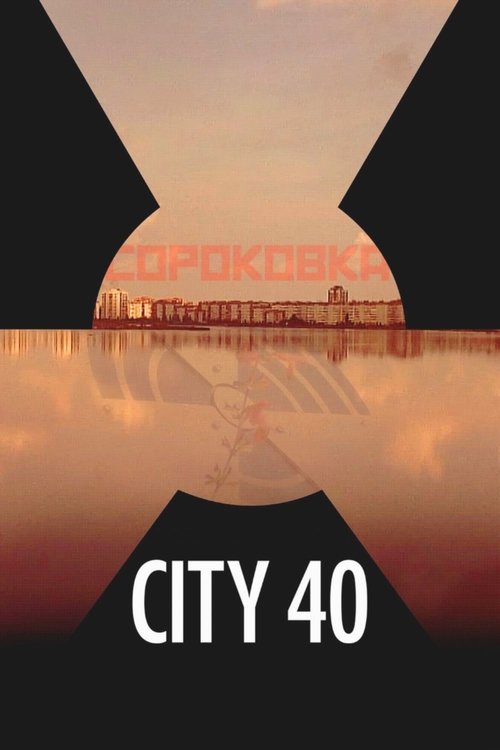
City 402016
Both are eight-hour investigations that abandon linear storytelling to interrogate official history. Where Diaz uses the camera to hold still and witness, Goetschel uses animation, archive, and collage. Same ambition, opposite formal vocabularies.
Samira Goetschel's animation-and-archive-collage experiment about a secret Soviet city destroyed by ecological disaster is a radically different formal response to similar questions: how do we document what history erases? How do we mourn?
But It's a visual essay, not a narrative. The fragmented, almost abstract approach may feel too formal, too cool, to grip you emotionally.
More like this (4)
Synecdoche, New York2008
Kaufman's nested-reality epic about art, mortality, and the self contains entire worlds within its frame. Like A Lullaby, it asks how we represent the unrepresentable.
But It's dense, often baffling, and occasionally tries too hard to be profound. The ambition can tip into pretension.

The Turin Horse2011
Béla Tarr's final film is a slow, philosophical meditation on decline and the end of history. It shares A Lullaby's belief that cinema can be a form of thinking rather than mere storytelling.
But It's bleak, monochromatic, and stripped of conventional emotional beats. The apocalyptic tone can feel relentless.

Stalker1979
Tarkovsky's long, contemplative journey into a forbidden zone is about desire, faith, and the gap between what we seek and what we find. It moves at the speed of thought.
But It's slow in a way that tests commitment. If you need external conflict or visible progress, you will find it maddening.

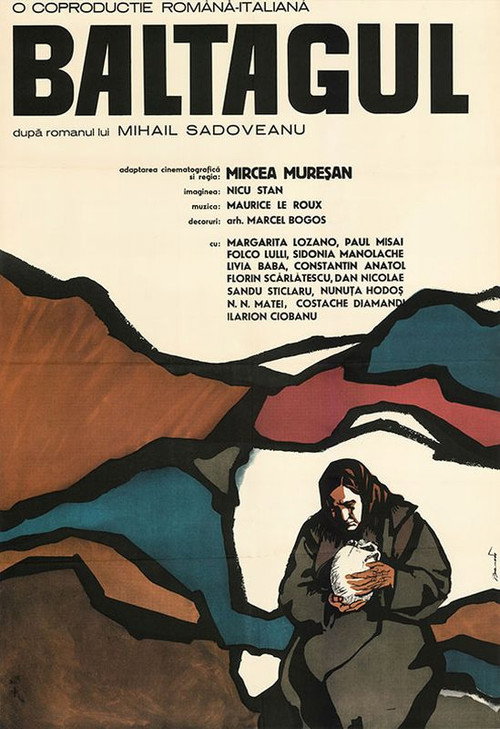
The Axe1969
Gérard Brach's adaptation of a Colombian novel about colonialism and violence has a hallucinatory quality and a willingness to sit in discomfort that aligns with Diaz's approach.
But It's obscure for a reason—the pacing is uneven and the narrative fractures in ways that frustrate as often as they intrigue.
People
Cast
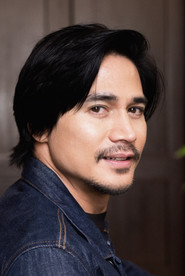 Piolo PascualSimoun / Crisostomo Ibarra
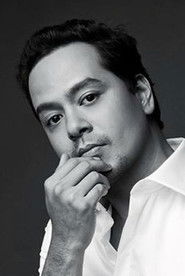 John Lloyd CruzIsagani
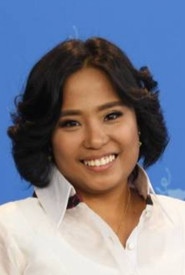 Hazel OrencioOryang / Gregoria De Jesus
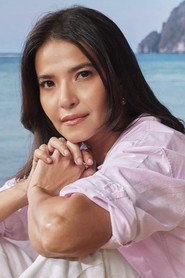 Alessandra de RossiCesaria Belarmino
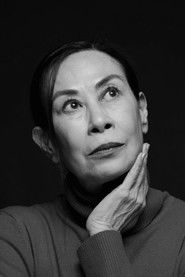 Susan AfricaMs. Hule
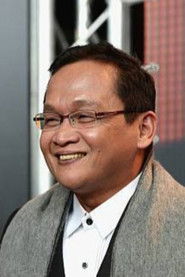 Joel SarachoMr. Karyo
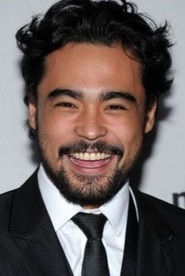 Sid LuceroBasilio
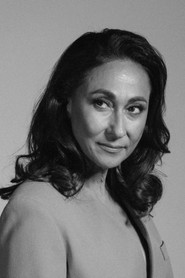 Cherie GilFemale Tikbalang
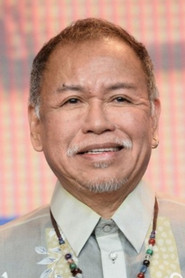 Bernardo BernardoMale Tikbalang
 Angel AquinoTikbalang
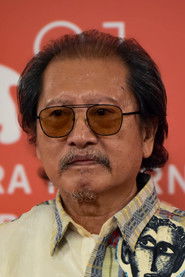 Ronnie LazaroSebastian Caneo
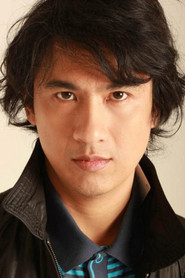 Ely BuendiaMusician
Directing
- Karenina HanielAssistant Director
- Lav DiazDirector
Writing
- Lav DiazScreenplay
Production
- Charo SantosCo-Executive Producer
- Malou N. SantosCo-Executive Producer
- Marc TanunliongCo-Executive Producer
- Fran BorgiaCo-Producer
- Jeremy ChuaCo-Producer
- Bianca BalbuenaProducer
- Lav DiazProducer
- Paul SorianoProducer
- Kristine KintanaProduction Manager