
Film
Disraeli
Other titles called Disraeli: the 1978 film.
A 1929 political drama about Benjamin Disraeli maneuvering through domestic intrigue and international espionage to secure the Suez Canal. George Arliss commands every scene with theatrical flourish, turning historical strategy into high-stakes drawing-room chess. It's a film about the performance of power—the wit, the cunning, the sheer force of personality required to lead. For anyone who loves political intrigue without explosions.
If you liked this
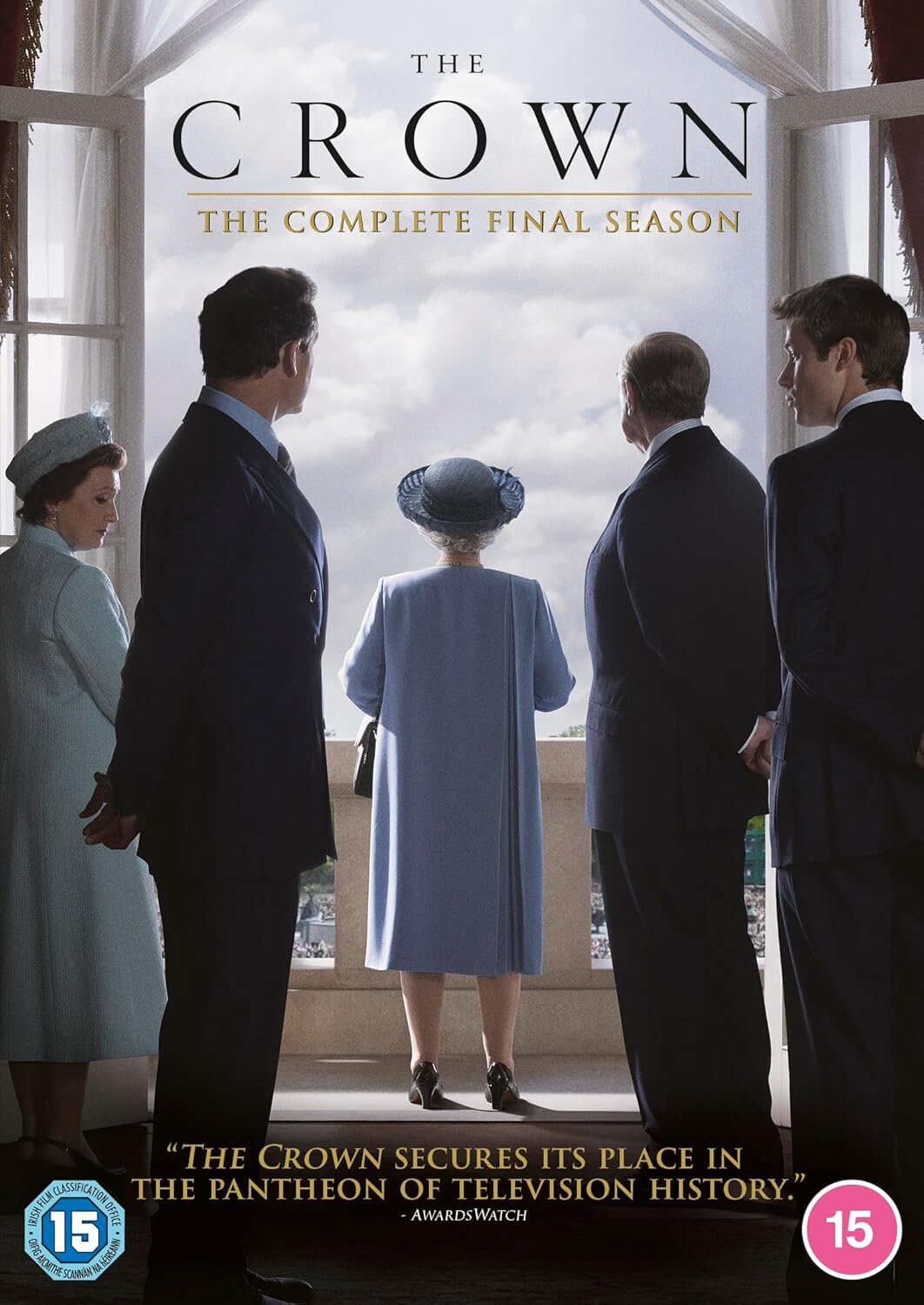
The Crown2016
A grand, intimate portrait of power and personality at the highest level. Like Disraeli, it finds drama in the unglamorous negotiations, the long strategy games, the way personal conviction shapes policy. Beautifully constructed around the weight of office.
But It's contemporary TV, so the pacing and emotional register are nothing like a 1929 film. Also, at ten hours minimum, it's a commitment in a wholly different shape.
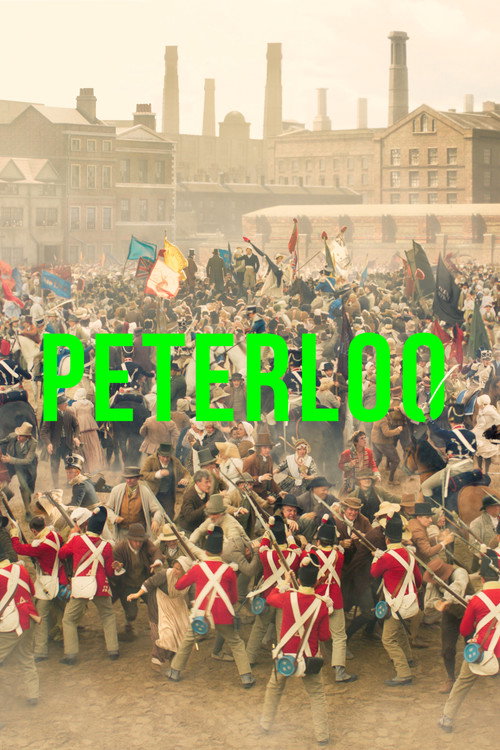
Peterloo2018
Mike Leigh's account of an 1819 massacre, made with the same care for historical detail and political passion. Both films treat political events as collisions of ambition, conviction, and circumstance. Dense, theatrical, alive with competing ideologies.
But Peterloo is bleak and reformist in temperament—the opposite of Disraeli's imperial confidence. If you want uplift, you won't find it here.
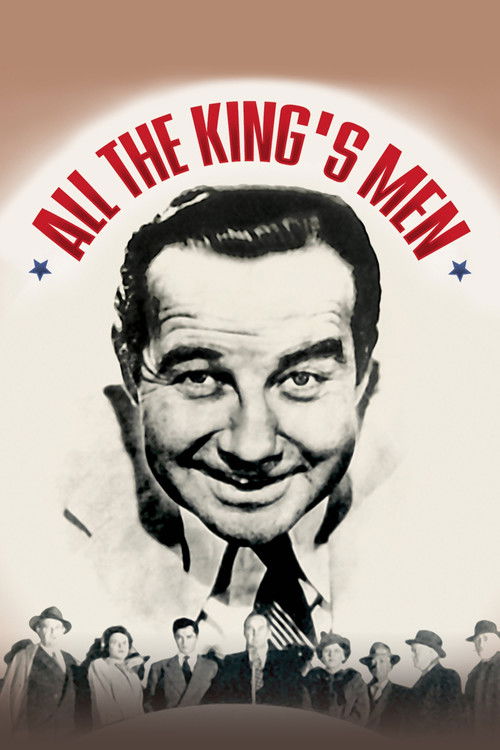
All the King's Men1949
A masterclass in how one charismatic figure can bend institutions to their will. Like Disraeli, it understands that politics is theatre, and that the most dangerous people are those best at performing. Morally complex and utterly gripping.
But The production values feel dated even for 1949. The pacing meanders. You have to bring patience and genuine interest in American politics to stay with it.
Not sure tonight? Get a pick in a minute, starting from Disraeli
The wildcard
Something you would not have found on your own.
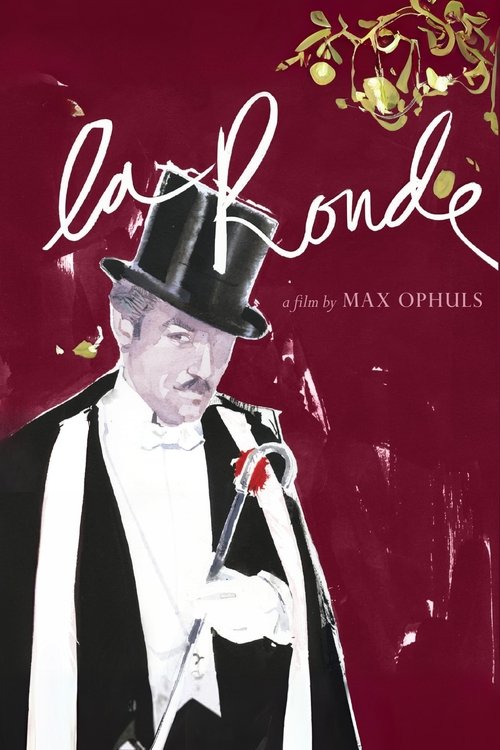
La Ronde1950
Both are films about the theatre of power; Disraeli plays it on the world stage, La Ronde plays it in bedrooms and drawing rooms. Same choreography, different ballroom.
Max Ophüls' carousel of seduction and consequence—each scene a power negotiation dressed as romance. No grand political stage, but the same engine: how people manipulate, how performance masks intention, how desire drives strategy. Dazzling.
But It's formally avant-garde for 1950—circular, non-linear, occasionally baffling. The elegance can feel sterile. And there's a particular fatalism that won't comfort anyone.
More like this (6)
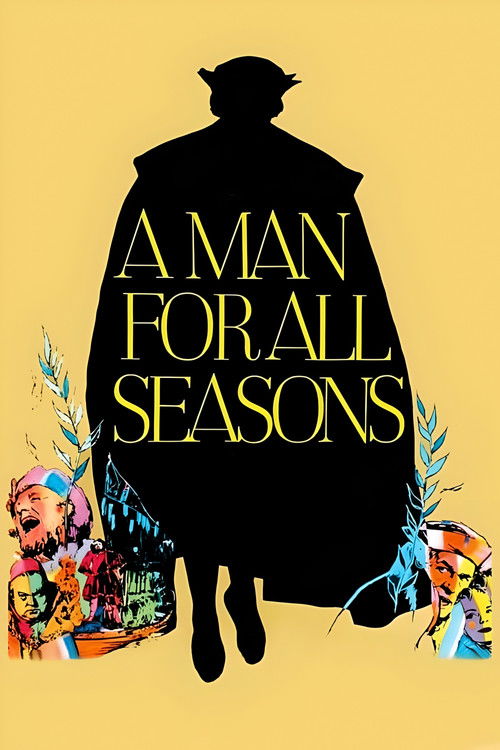
A Man for All Seasons1966
Fred Zinnemann's account of Thomas More refusing to compromise, built on dialogue and performance rather than action. Like Disraeli, it's a film about words wielded as power, and the terrible cost of conviction. Extraordinarily moving.
But The opposite arc: More loses everything. If you come to Disraeli for triumph, you won't get it here, and that might frustrate you.
The Leopard1963
Luchino Visconti's meditation on aristocratic power in collapse. Burt Lancaster embodies the cunning required to survive historical change. Like Disraeli, it asks what performance means when the stakes are existence itself, not just advancement.
But It's glacially paced, in Italian, and deeply melancholic. Modern audiences often find it beautiful but exhausting. Three hours is a serious commitment.

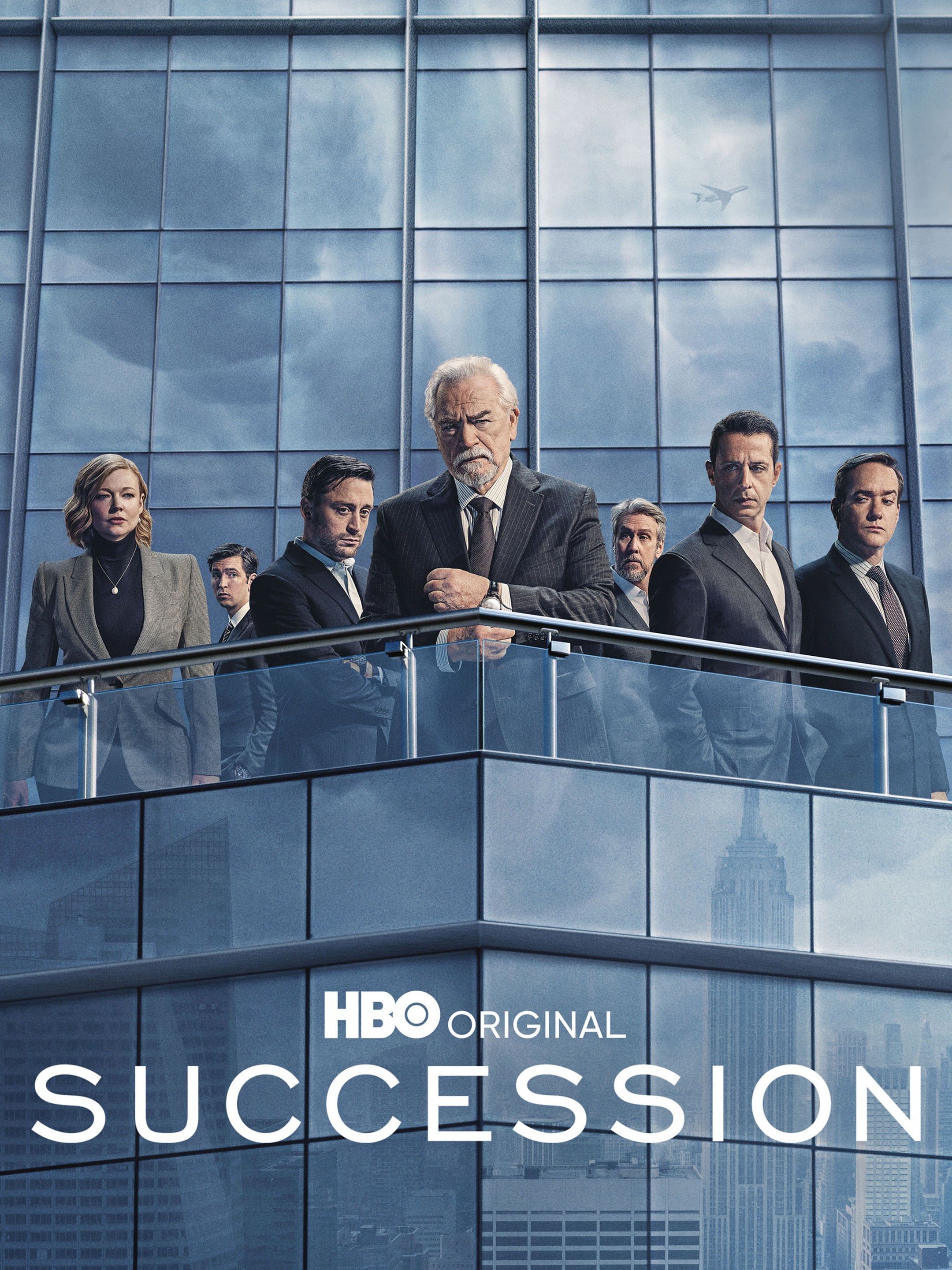
Succession2018
HBO's account of power inheritance among the monstrously rich. Every scene is a negotiation, every word a probe. The same theatrical energy as Disraeli, but updated to show how little has actually changed about the machinery.
But The characters are morally repugnant and the world is cynical to the point of despair. If you want heroes, you won't find any.
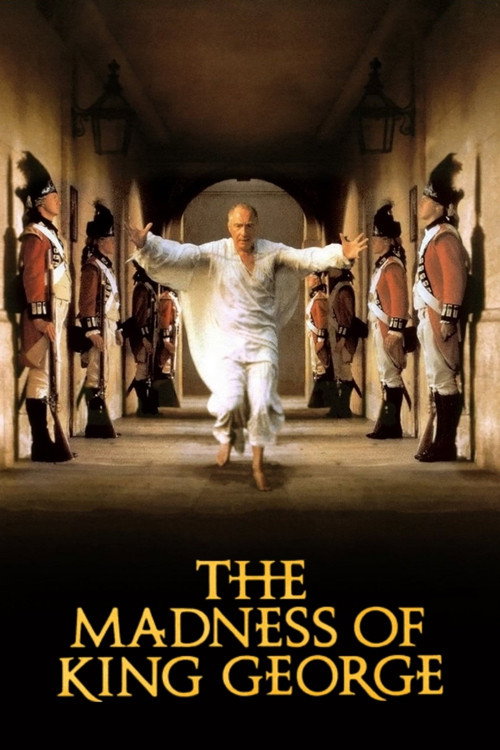
The Madness of King George1994
Nigel Hawthorne as a monarch navigating court politics and private crisis. Like Disraeli, it's interested in the gap between the role and the person, and the exhaustion of power. Funny, touching, expertly constructed.
But The subject is mental illness portrayed in a way modern medicine wouldn't recognize. Some will find it reductive about a serious condition.
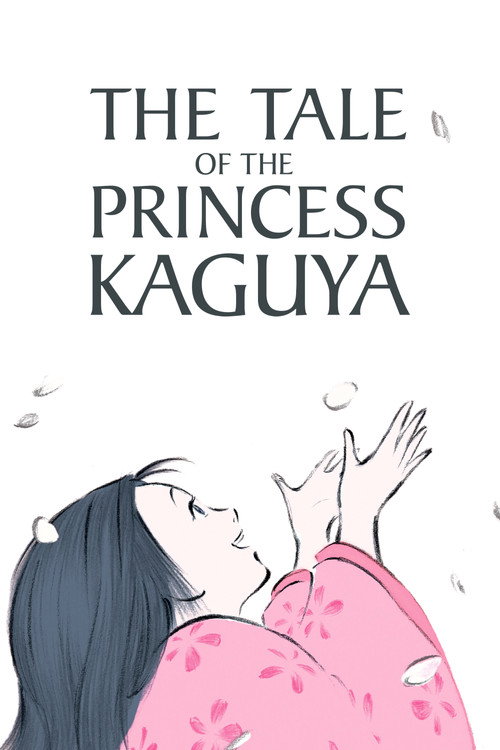
The Tale of The Princess Kaguya2013
Both films explore what it costs to perform a role in service of ambition—Disraeli chooses performance and triumphs; Kaguya is forced into performance and loses everything. Mirror images.
Isao Takahata's animated masterpiece about a young woman navigating impossible political expectations and personal desire. Gorgeously drawn, emotionally devastating. It's the inverse of Disraeli: a story about someone trapped by performance rather than liberated by it.
But It's animated, Japanese, and structurally experimental. If you expect narrative clarity and Western storytelling, you will be lost. It also builds toward genuine tragedy.
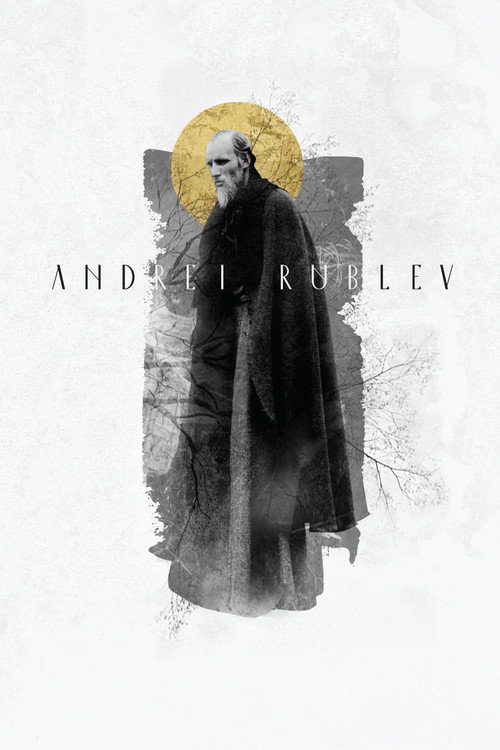
Andrei Rublev1966
Disraeli uses cunning to shape the world around him; Rublev uses art. Both are about how ambitious people navigate systems of power that could crush them—one through politics, one through faith and creation.
Tarkovsky's film about a 15th-century icon painter navigating power, faith, and the question of art's purpose. Shot in glorious black and white, it's contemplative and vast. Like Disraeli, it asks what it means to create something beautiful or meaningful under political constraint—but it never lets you rest.
But It's three hours, in Russian, medieval, and moves at Tarkovsky's pace. If you need plot momentum or modern pacing, this will feel like torture. Patience isn't optional.
People
Cast
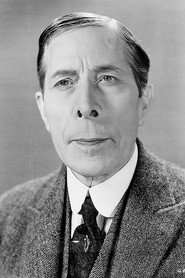 George ArlissBenjamin Disraeli
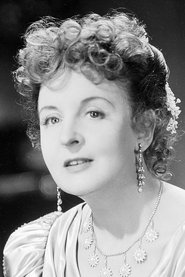 Doris LloydMrs. Agatha Travers
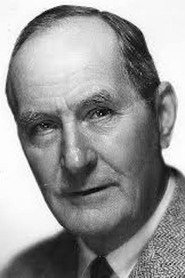 David TorrenceLord Michael Probert
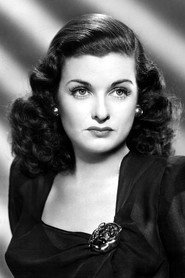 Joan BennettLady Clarissa Pevensey
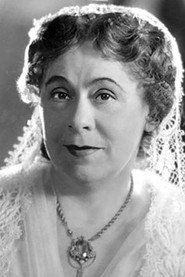 Florence ArlissLady Mary Beaconsfield
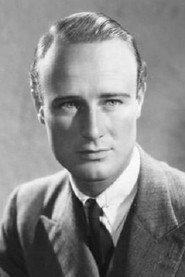 Anthony BushellLord Charles Deeford
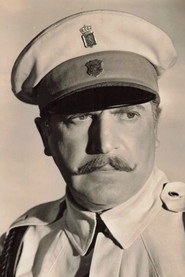 Michael VisaroffCount Borsinov
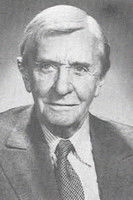 Ivan F. SimpsonSir Hugh Myers
- Gwendolyn LoganDuchess of Glastonbury
- Charles E. EvansMr. Potter, Disraeli's Gardener
- Cosmo Kyrle BellewMr. Terle, Disraeli's Downing Street Butler
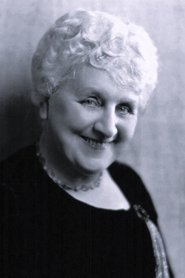 Margaret MannQueen Victoria
Directing
- Alfred E. GreenDirector
Writing
- Louis N. ParkerOriginal Story
- Julien JosephsonWriter
Production
- Darryl F. ZanuckProducer
- Jack L. WarnerProducer