
Film
Don Quixote
- Comedy
- Strange
Orson Welles's fractured, decades-in-the-making Don Quixote, assembled after his death, mingles archival footage of 1950s–70s Spain with studio reconstruction. It's dreamlike and digressive, following an aging knight and his squire through a modernizing world that resists their romantic idealism. A ruin that reveals its maker's obsessions—not always coherent, but never dull.
Should you watch it?
Watch it if you love films about filmmaking itself, where an abandoned dream leaves its seams showing and you enjoy piecing together what was meant to be.
Skip it if you want a tidy, finished story, since this patchwork of footage, narration and dubbed voices drifts and can feel like a sketchbook rather than a film.
What it asks of you: Settle in for a loose, meandering ride of about two hours, with long stretches of wandering and a dreamy, melancholy pace that rewards patience more than momentum.
Not sure? Find tonight's pick in a minute.
If you liked this
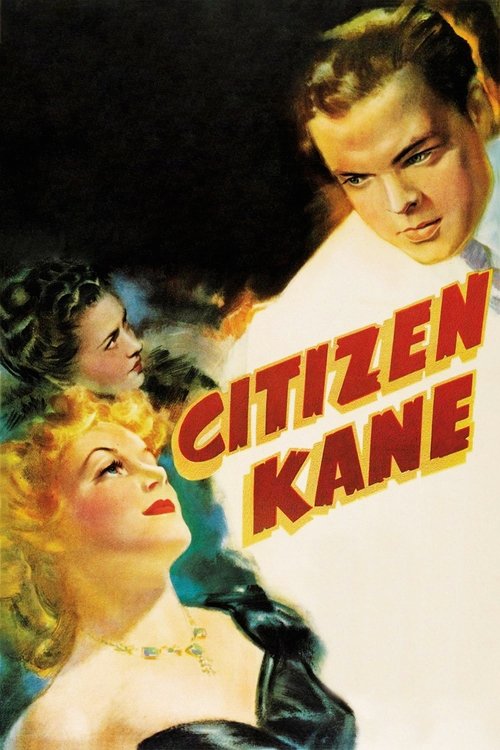
Citizen Kane1941
Welles at his most confident and inventive, constructing narrative from fragments and debris. If you want to understand his visual genius before seeing it scattered across Don Quixote, start here.
But Nearly ninety years old and familiar to the point of cliché. The Rosebud mystery can feel anticlimactic if you already know the answer.
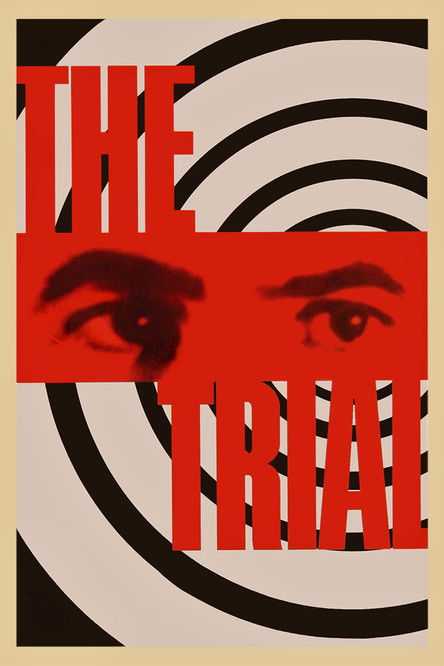
The Trial1962
Welles again wrestling with incompleteness and paranoia, adapting Kafka with the same visual audacity he brings to Cervantes. Both films are about systems that crush idealism.
But Bleak, bureaucratic, and deliberately frustrating. Welles made it feel like a nightmare, which means it sometimes plays like one.
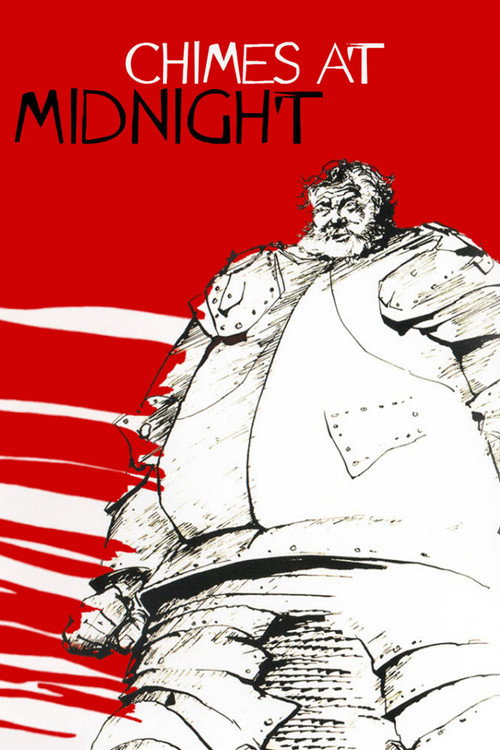
Chimes at Midnight1965
Welles's Shakespeare adaptation, shot in fragments across years, about an aging man clinging to illusions while the world moves on. Thematically it's Don Quixote's close cousin.
But Adaptation purists may find his radical cutting of the text alienating. The black-and-white cinematography takes adjustment.
Not sure tonight? Get a pick in a minute, starting from Don Quixote
The wildcard
Something you would not have found on your own.
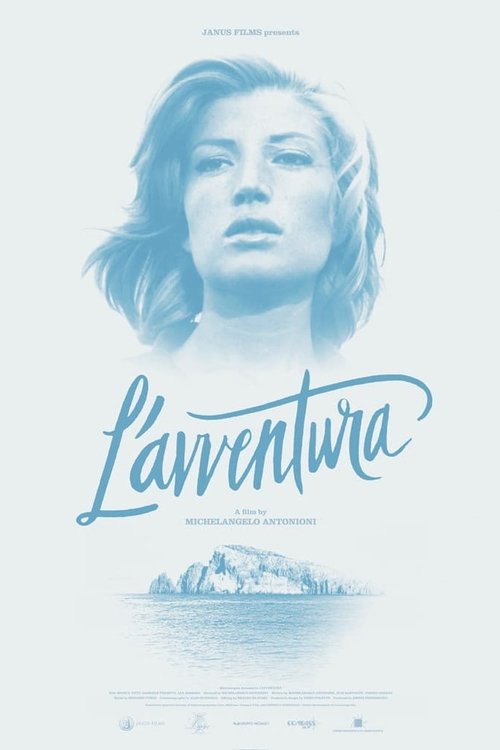
L'Avventura1960
Both follow wandering characters through landscapes that dwarf them. Both resist narrative closure. Both suggest that the journey itself—not its destination—is the point, and even that may be an illusion.
Antonioni's glacial masterpiece about aimlessness and disconnection in modern Europe. Like Don Quixote, it refuses to resolve or comfort; it watches as characters search for meaning in a world that provides none. Visually hypnotic.
But One woman disappears in the opening twenty minutes and the film abandons her entirely. Many find this coldly abstract or maddening rather than profound.
More like this (8)
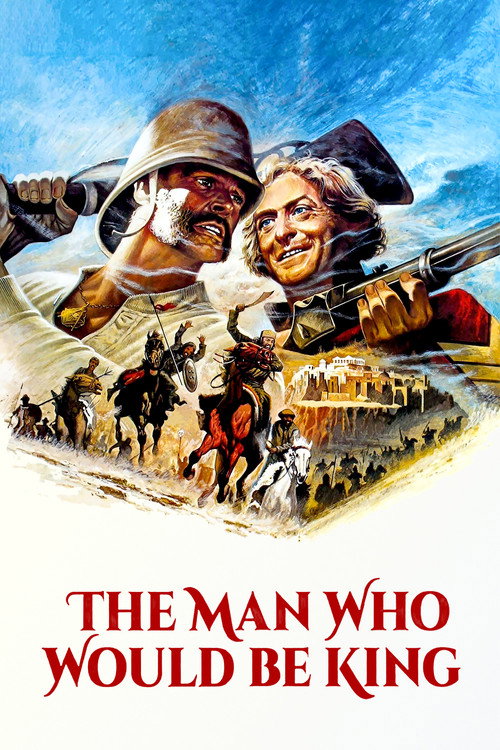
The Man Who Would Be King1975
Huston's adventure about two dreamers imposing their will on the world—quixotic idealism meeting reality. A more conventional film, but with the same romantic-tragic core.
But It's a big, handsome Hollywood production. If you want Welles's disorientation, this trades that for narrative clarity.
Stalker1979
Tarkovsky's meditative science-fiction follows a guide through a mysterious zone seeking something ineffable. Like Don Quixote, it's about journeys toward ideals that may not exist.
But Glacially paced and philosophical. If you need plot momentum, this will test your patience severely.

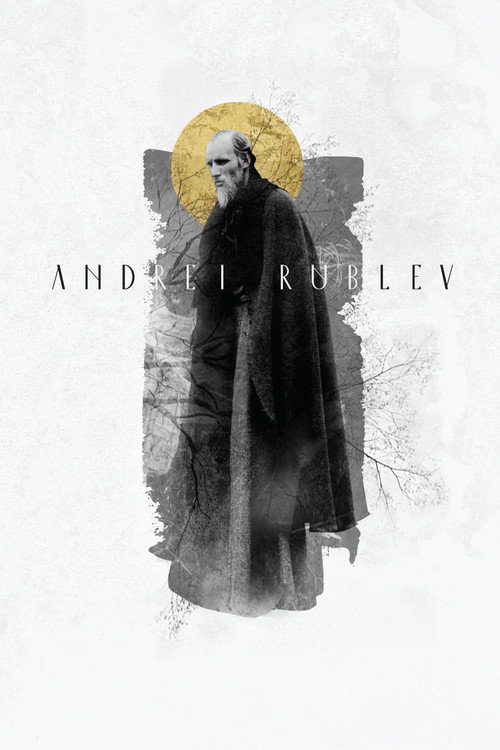
Andrei Rublev1966
Tarkovsky on artistic obsession and faith in a hostile world—a sprawling, visually extraordinary film about a man trying to create beauty amid suffering and corruption.
But Three hours, Russian, black-and-white, and spiritually rather than dramatically driven. Demands active watching rather than passive enjoyment.
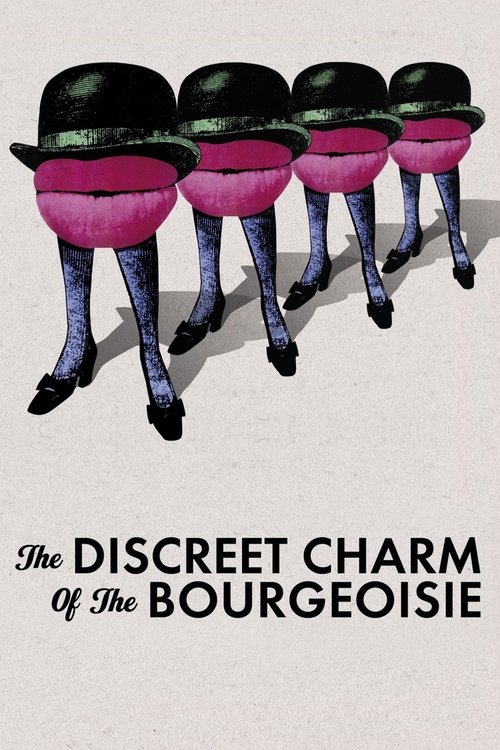
The Discreet Charm of the Bourgeoisie1972
Buñuel's surrealist take on ideals colliding with reality and social contradiction. Made around the same time as Welles's later Don Quixote footage, with a similarly playful, elliptical structure.
But Deliberately absurdist and sometimes opaque. The meaning lies in dream-logic rather than plot coherence.
Amarcord1973
Fellini's memory-collage of fascist-era Italy, mixing documentary realism with baroque fantasy. Like Welles, he builds meaning from digression and visual excess.
But Episodic and occasionally crude. It can feel self-indulgent, and some dated attitudes do surface in the humor.
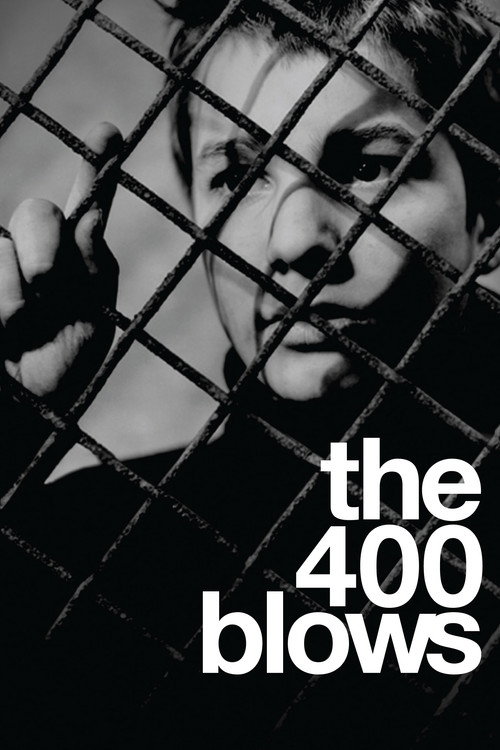
The 400 Blows1959
Truffaut's semi-autobiographical portrait of a boy drifting through an incomprehensible adult world. A gentler film than Don Quixote, but similarly about idealism meeting indifference.
But Coming-of-age story familiar enough that its power can feel muted on first viewing. The poignancy depends on patience.
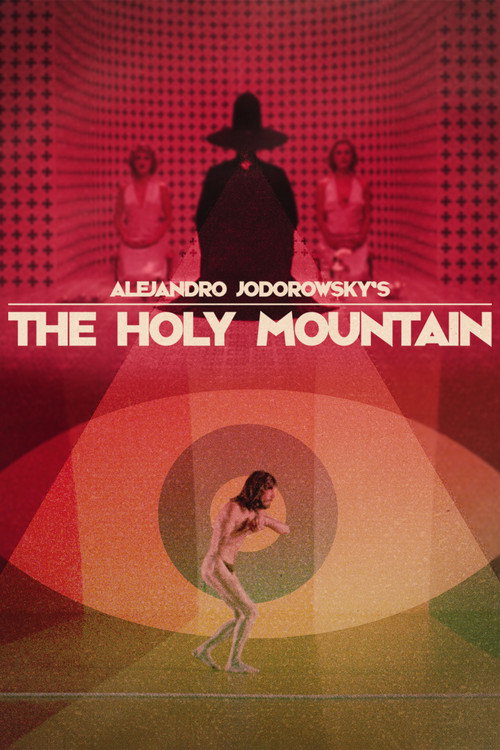
The Holy Mountain1973
Both follow a spiritual seeker on an odyssey through a world hostile or indifferent to their vision. Both blur reality and dream. Both demand you surrender to their logic rather than impose your own.
Jodorowsky's hallucinatory, uncompromising surrealist epic: a spiritual quest through grotesque, symbolic terrain. Like Don Quixote, it's a wandering quest narrative, but filtered through avant-garde madness rather than period authenticity.
But Extremely graphic violence, sexual content, and religious provocation. Deliberately obscure and repellent in places. Not a film that wants to be liked.
Synecdoche, New York2008
Both are about aging men pursuing visions that consume them. Both collapse the boundaries between reality and fiction, set and life. Both are self-portraits of the artist as obsessive, building meaning from wreckage.
Charlie Kaufman's meta-labyrinth about an artist constructing a replica of life inside a warehouse, losing himself in obsession and artifice. A modern, acidic take on Welles's themes of completion and delusion—equally fragmented and searingly intelligent.
But Bewilderingly complex and emotionally exhausting. Some viewers find it clever rather than moving; others find the bleakness unrelenting.

People
Cast
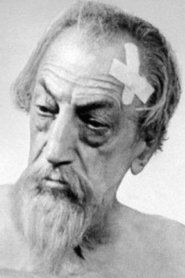 Francisco ReigueraDon Quijote
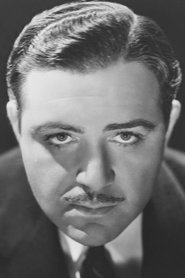 Akim TamiroffSancho Panza
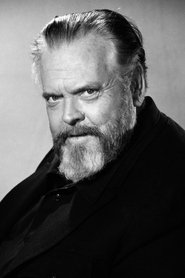 Orson WellesSelf
 Pepe MediavillaDon Quijote (voice)
- Juan Carlos OrdóñezSancho Panza (voice)
 Constantino RomeroNarrator (voice)
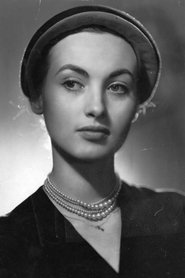 Paola MoriWoman on Motorscooter (archive footage)
- Juan Serrano(archive footage)
 Beatrice Welles(archive footage)
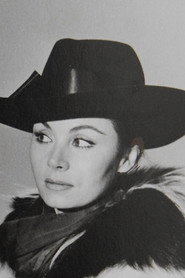 Oja Kodar(archive footage)
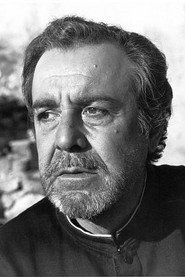 Fernando ReyClosing Scene Narrator (voice) (uncredited)
Directing
- Orson WellesDirector
- Gary GraverSecond Unit Director
Writing
- Javier MinaDialogue
- Jesús FrancoDialogue
- Miguel de CervantesNovel
- Orson WellesScreenplay
Production
- Oja KodarAssociate Producer
- Alessandro TascaProducer
- Francisco Lara PolopProducer
- Orson WellesProducer
- Óscar DancigersProducer
- Patxi IrigoyenProducer