
Film
Tales from the Golden Age
- Comedy
- Dip in and out
A Romanian anthology film told through six urban legends of Ceaușescu's final years. These aren't grand historical narratives but street-level myths—the stories people whispered about, retold so often they became legend. Darkly funny, deeply absurd, and sharply political without preaching. For anyone hungry for history that feels alive.
If you liked this
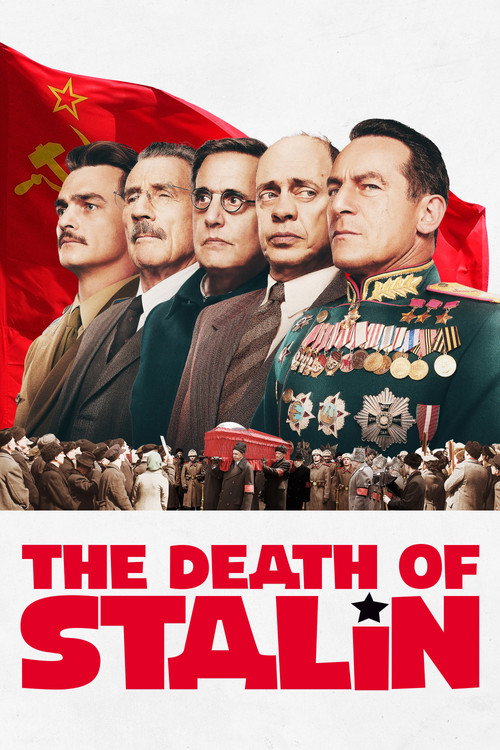
The Death of Stalin2017
Armando Iannucci's absurdist take on Soviet bureaucracy in chaos. Like *Tales*, it finds the comedy in the machinery of totalitarianism—the petty officials, the propaganda, the helpless scramble for power when the figurehead dies.
But The satire is pitch-black and often bitter. If you want warmth or uplift from your historical comedy, this will not provide it.
Come and See1985
Elem Klimov's devastating portrait of Soviet experience—specifically how ordinary people survive under extraordinary brutality. Like *Tales*, it uses dark humour and myth-making to process trauma, though in a vastly more harrowing register.
But This is not entertainment in any comfortable sense. It's punishing, sometimes unwatchable, and requires real emotional stamina.

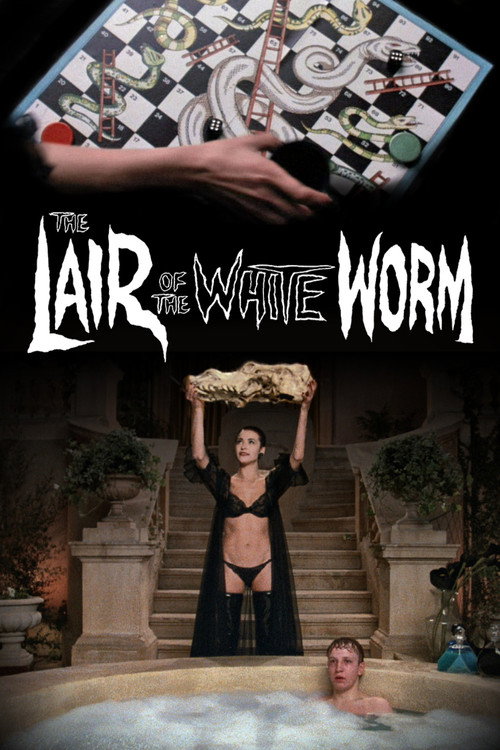
The Lair of the White Worm1988
Ken Russell's deranged adaptation builds baroque mythology from mundane English life, much as *Tales* does from communist Romania. Surreal, sexually strange, brilliantly trashy—it treats the absurd as documentary truth.
But The style is aggressively artificial and the narrative barely holds together. If you want coherence over atmosphere, you'll find it frustrating.
Not sure tonight? Get a pick in a minute, starting from Tales from the Golden Age
The wildcard
Something you would not have found on your own.
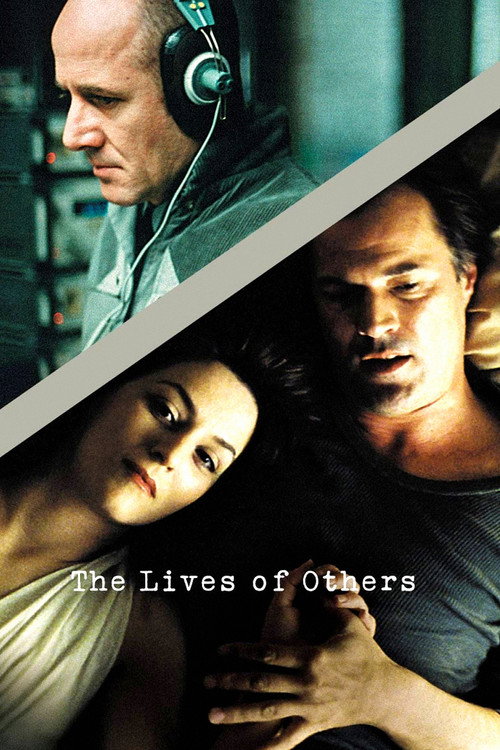
The Lives of Others2006
Both explore how totalitarian systems create secret inner lives, and how myths—official and underground—allow survival.
A Stasi surveillance officer in East Berlin slowly discovers his humanity through eavesdropping on a forbidden love affair. It's the inverse of *Tales*—deadly serious where *Tales* is absurd—but both are obsessed with the gap between official truth and lived reality, and how ordinary people survive in the cracks.
But It's earnest and morally clear in ways *Tales* deliberately avoids. If you loved the film's refusal to explain or judge, this film's humanism might feel naive.
More like this (8)
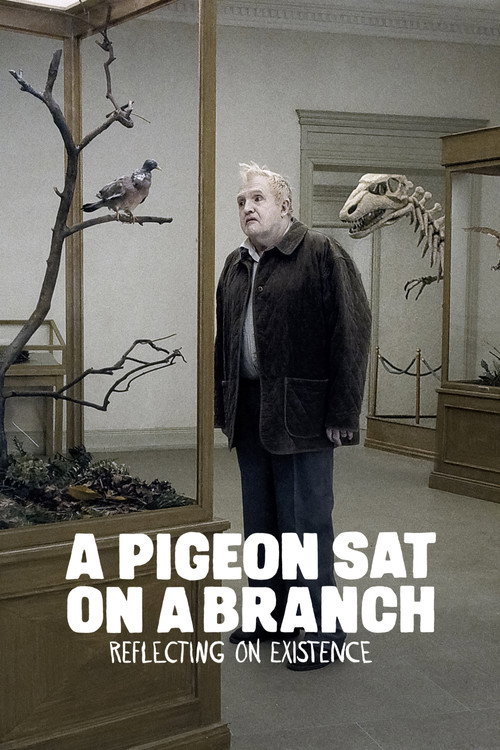
A Pigeon Sat on a Branch Reflecting on Existence2014
Roy Andersson's deadpan vignettes of Swedish ordinariness accumulate into a portrait of quiet suffering and ritual. The structure mirrors *Tales*—separate stories that build a country's mood through what it chooses to remember as myth.
But Almost nothing happens. The comedy is glacial. Patience and tolerance for stasis are non-negotiable.
Stalker1979
Tarkovsky's meditation on desire, authority, and the zones people create under totalitarian rule. Slower and more philosophical than *Tales*, but equally interested in how ordinary citizens navigate impossible systems and forbidden hopes.
But It's 163 minutes of deliberate, hypnotic pacing. Boredom is the risk; transcendence is the prize, but the wager is steep.

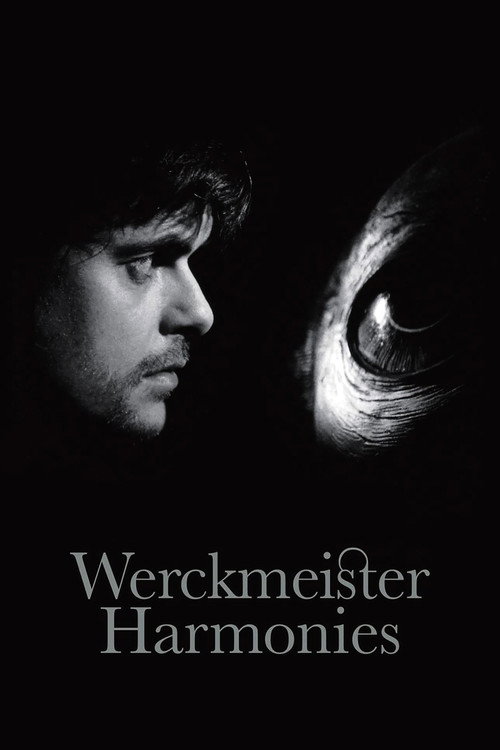
Werckmeister Harmonies2001
Béla Tarr's Hungarian epic about collective delusion and mythmaking in a declining industrial town. Like *Tales*, it treats urban legends and communal fantasy as the real fabric of life under constraint.
But Black-and-white, 145 minutes, almost no dialogue. Tar's style requires surrender; resistance will exhaust you.
In the Mood for Love2000
Wong Kar-wai crafts a portrait of Hong Kong through myth, repetition, and the stories people tell about themselves. Like *Tales*, it's episodic, formally playful, and more interested in mood and legend than plot.
But The narrative is elliptical and the pacing digressive. If you want clarity and forward momentum, the film will feel evasive.

The Seventh Seal1957
Bergman's medieval morality play about faith, death, and how people endure under darkness. It shares *Tales*' interest in how communities mythologize suffering and use stories to resist despair.
But It's a chess game with Death. The philosophy is heavy-handed and the tone unrelentingly grave. Accessibility is not the goal.

Mulholland Drive2001
Lynch's labyrinth of Hollywood myth and delusion, told through fragmented narratives that double back on themselves. Like *Tales*, it understands that cities run on stories people choose to believe, however false.
But The structure is deliberately confusing and the plot, once you notice there is one, is designed to resist a single reading. Some viewers find it pretentious rather than profound.

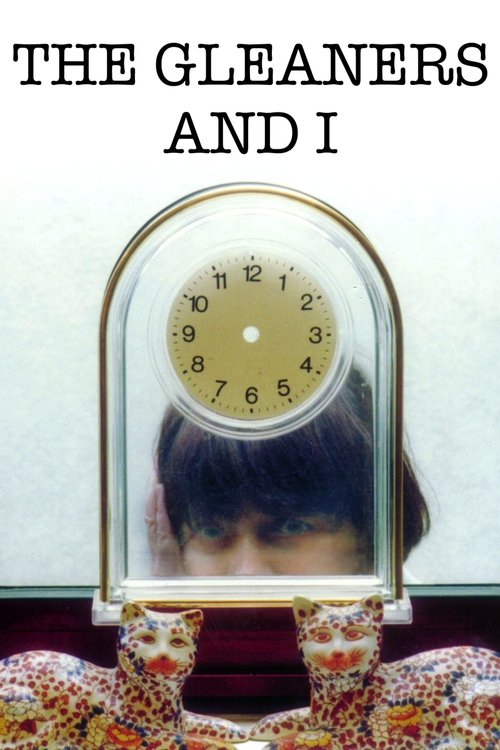
The Gleaners and I2000
Both are fascinated by urban myth and the lives of ordinary people the official record erases. Both use playful form to honor forgotten stories.
Agnès Varda's documentary-essay observes the forgotten people and practices at the margins of French society—the discarded, the marginal, the people nobody officially records. It shares *Tales*' fascination with how ordinary people live in the spaces the system ignores, and tells their stories with warmth and formal playfulness.
But It's not a conventional documentary. Varda's formal experiments can feel precious, and the episodic structure offers mood over argument. Some find it self-indulgent.
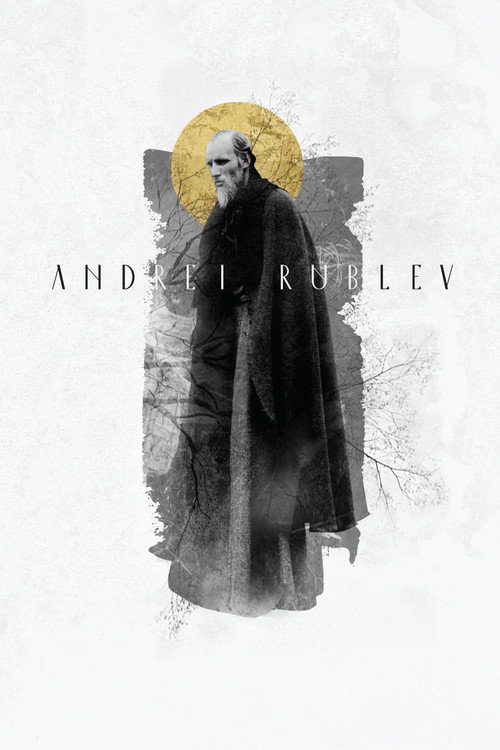
Andrei Rublev1966
Both are Russian-language Eastern European meditations on art and survival under occupation, told through fragments and myth rather than plot.
Tarkovsky's account of a medieval icon painter under Mongol occupation—a Russian artist working under impossibly oppressive conditions. It's a companion piece to *Tales*, exploring how creativity and myth survive authoritarianism, but through a single luminous consciousness rather than scattered urban legends.
But It's 205 minutes, mostly silent, filmed in black-and-white. The narrative is impressionistic. Patience for slow cinema and spiritual mood is essential.
People
Cast
 Alexandru PotoceanThe Secretary (segment "The Legend of the Official Visit")
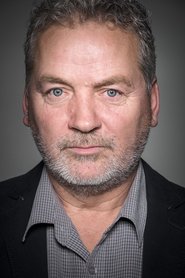 Teodor CorbanThe Mayor (segment "The Legend of the Official Visit")
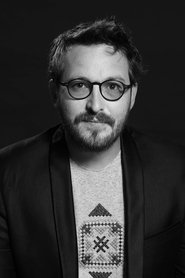 Emanuel PârvuThe Party Inspector (segment "The Legend of the Official Visit")
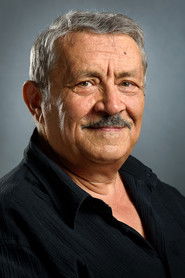 Sorin MedeleniNea Florică (segment "The Legend of the Official Visit")
- Florin Mircea Jr.Militiaman (segment "The Legend of the Official Visit")
 Mădălina GhițescuMădălina (segment "The Legend of the Official Visit")
- Alexandru NedelcuActivist 2 (segment "The Legend of the Official Visit")
- Marius NănăuShepherd (segment "The Legend of the Official Visit")
- Mihai NițăMihaiță (segment "The Legend of the Official Visit")
- Avram BirăuThe Photographer (segment "The Legend of the Party Photographer")
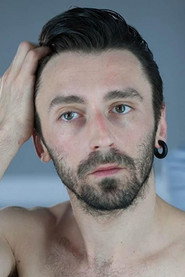 Paul DuncaThe Photographer's Assistant (segment "The Legend of the Party Photographer")
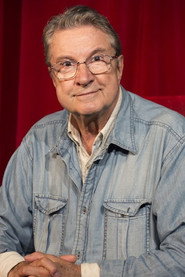 Viorel ComăniciThe Party Secretary (segment "The Legend of the Party Photographer")
Directing
- Constantin Popescu Jr.Director
- Cristian MungiuDirector
- Hanno HöferDirector
- Ioana UricaruDirector
- Răzvan MarculescuDirector
Writing
- Cristian MungiuWriter
Production
- Cristian MungiuProducer
- Oleg MutuProducer