
Film
Sauna
- Period drama
- Very dark
A 1595 Finnish horror film about two brothers—a war-hardened soldier and a gentle scholar—surveying a new border between Sweden and Russia. Deeply atmospheric and unflinching, it uses the landscape and folklore as metaphor for spiritual corruption and historical trauma. Bleak, visually striking, for viewers who want their horror steeped in historical dread rather than jump scares.
If you liked this
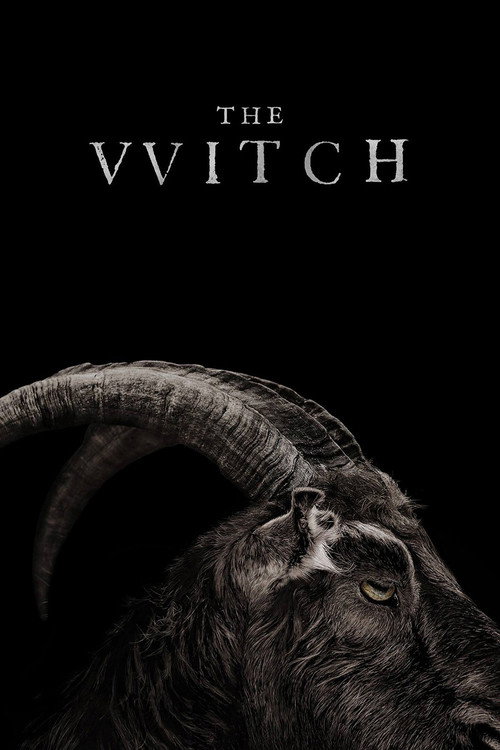
The Witch2016
Methodical folk horror that trusts atmosphere over gore. Like Sauna, it grounds terror in a specific historical moment and uses landscape as moral weight. Genuinely unsettling without cheap tricks.
But Deliberately paced and ambiguous. Some find it slow; others find it pretentious. No clear answers offered.
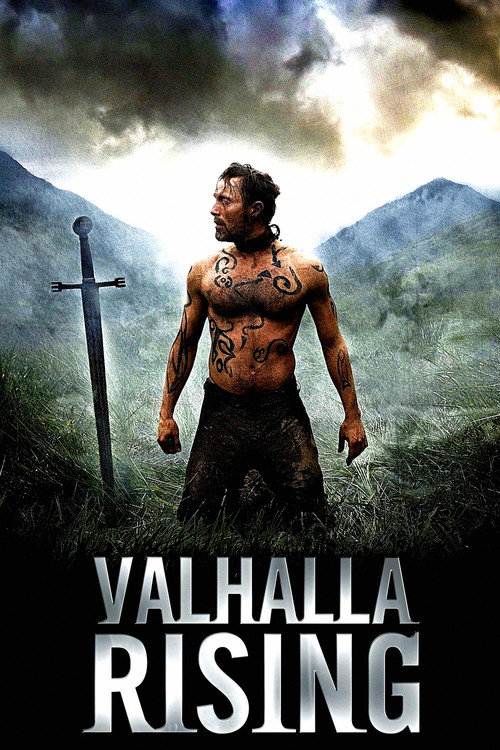
Valhalla Rising2010
An utterly punishing journey into darkness with a near-silent protagonist. Both films are about men traversing brutal landscapes while something unknowable closes in. Visually hypnotic and deeply wrong.
But Obscure, violent, and hostile to the audience. It actively resists enjoyment in ways that will feel like a chore to many.
The Seventh Seal1957
Bergman's masterpiece about mortality and faith in a plague-ravaged medieval landscape. Like Sauna, it's serious cinema using period setting to explore spiritual emptiness and the fragility of meaning.
But A three-hour black-and-white film in Swedish. If subtitles and philosophical inquiry feel like work, this will too.

Not sure tonight? Get a pick in a minute, starting from Sauna
The wildcard
Something you would not have found on your own.
Come and See1985
Both are historical films where setting and landscape become a metaphor for spiritual annihilation. Both understand that the real horror is what humans do to each other in the name of borders and belief.
A 1985 Belarusian film about a teenager conscripted into WWII. Not horror in the supernatural sense, but infinitely more horrifying than Sauna—it documents the actual spiritual destruction of innocence by war. Same DNA, different genre.
But One of the most devastating films ever made. Not cathartic or redemptive. Watching it feels like an obligation, not an escape. Some find it unwatchable.

More like this (7)
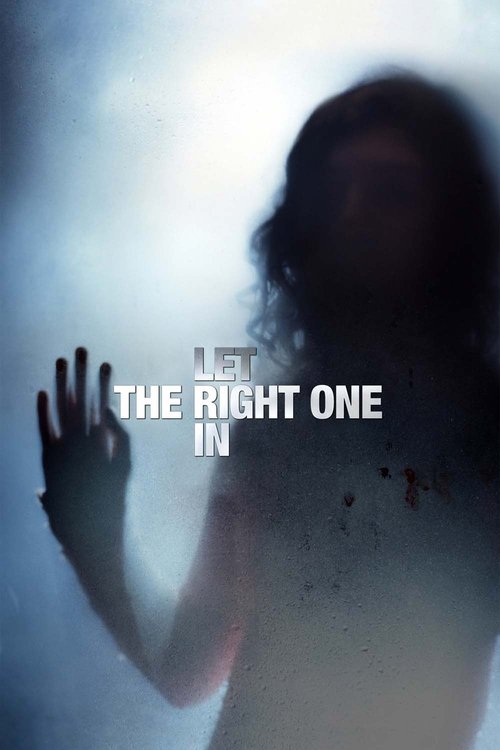
Let the Right One In2008
Scandinavian horror that privileges atmosphere and emotional truth over spectacle. Set in a wintry landscape, it shares Sauna's sense that something ancient and wronged is always watching from the margins.
But The final act pivots toward conventional thriller beats. Some find it sentimental; it's also become overly familiar since release.
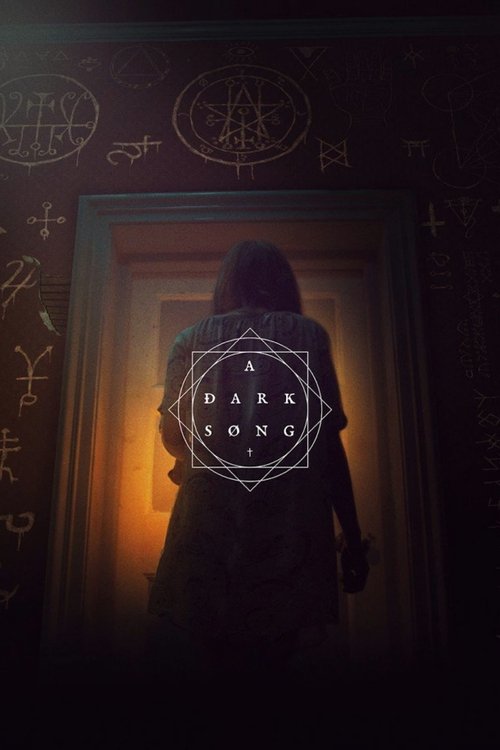
A Dark Song2016
Two people in an isolated space confronting something transcendent and terrible. Slow-burn spiritual horror with real emotional stakes. Both films understand that dread is more powerful than bloodshed.
But Dialogue-heavy and introspective. Long stretches with minimal plot. Some will feel cheated by the ambiguous payoff.
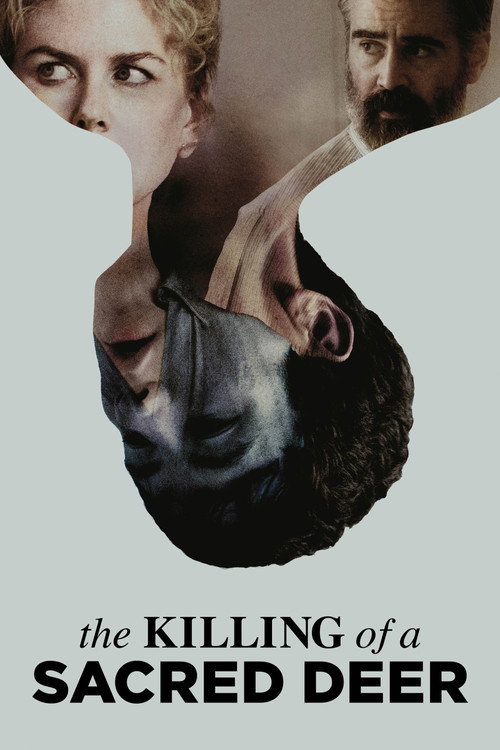
The Killing of a Sacred Deer2017
Precise, methodical, and suffocating. A family trapped in inexplicable horror with nowhere to run. Shares Sauna's refusal to provide comfort or easy interpretation.
But Formally controlled to the point of coldness. The dialogue feels stilted deliberately, which works thematically but distances some viewers.
Under the Skin2014
Alien horror filmed in Scotland with minimal dialogue and maximal dread. Both films use landscape as character and trust the audience to sit with unease without explanation or catharsis.
But Deliberately opaque and slow. The narrative is fragmentary. Many find it frustrating rather than fascinating.

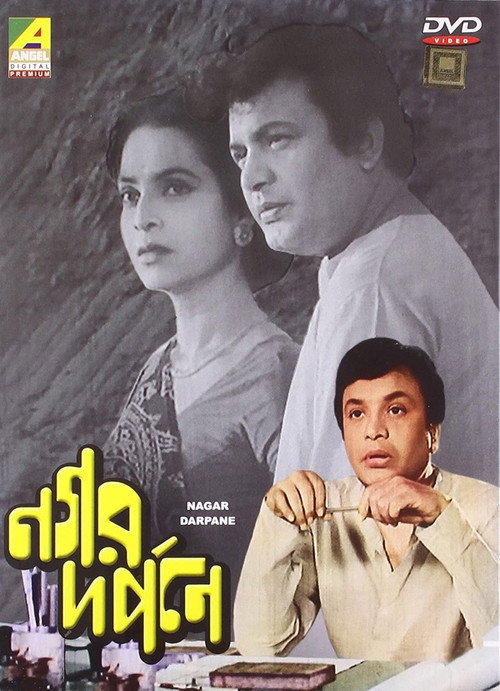
In the Mirror of the City1975
Tarkovsky's meditation on memory, mortality, and the passage of time across Russian history. Dense and poetic rather than plot-driven. If you responded to Sauna's historical weight, this explores similar depths.
But Structurally labyrinthine and nearly three hours long. Demands active engagement and multiple viewings. Can feel impenetrable on a first watch.
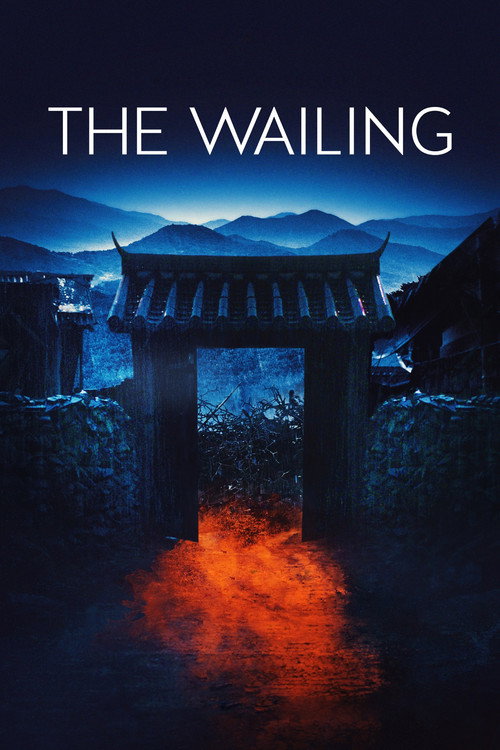
The Wailing2016
Both films use cultural mythology and religious tension as windows into moral corruption. Both feature men trying to solve mysteries that might be beyond solving. Neither offers comfort.
A Korean crime-horror-mystery that spirals into paranoia and existential uncertainty. Like Sauna, it refuses easy answers and treats folklore as genuinely dangerous. Visually immaculate and structurally daring.
But Over two and a half hours with multiple narrative threads that may or may not resolve. Demands close attention and rewards rereading more than first viewing. Genre-bending can feel scattered.
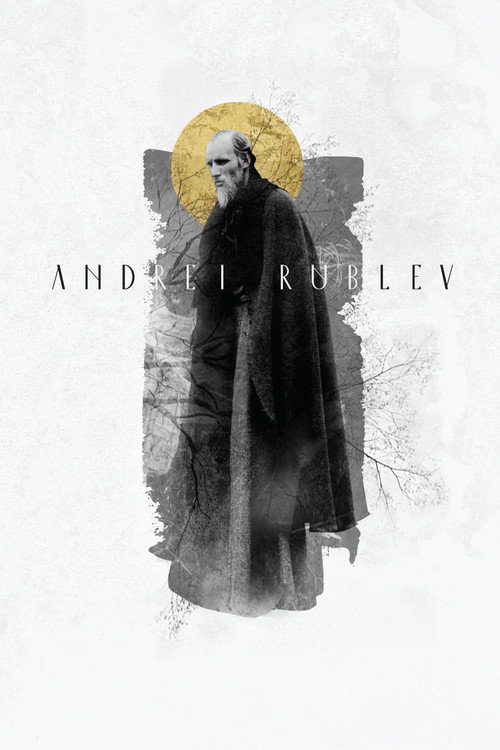
Andrei Rublev1966
Both are unflinching looks at Eastern European history where landscape and faith are inseparable from suffering. Both treat cinema as a spiritual medium, not entertainment. Both believe difficulty earns meaning.
Tarkovsky's three-hour meditation on a medieval Russian icon painter during Mongol invasion. Not a horror film, but deeply unsettling—it's about art and faith under existential pressure. Shares Sauna's historical specificity and sense of spiritual siege.
But Black-and-white, Russian cinema, demanding and slow. The middle section involves graphic violence. Over three hours with minimal conventional narrative. Requires patience bordering on asceticism.
People
Cast
 Ville VirtanenEerik
 Tommi EronenKnut
 Viktor KlimenkoSemenski
 Rain TolkRogosin
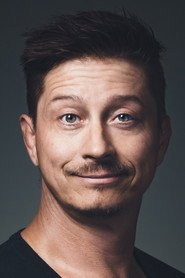 Kari KetonenMusko
- Vilhelmiina VirkkunenDaughter
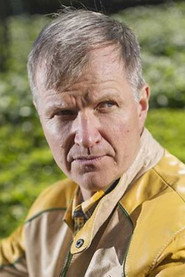
- Ismo KallioVillage Elder
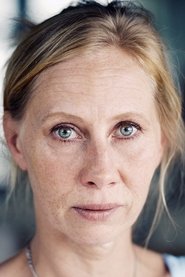 Kati OutinenOld Woman
- Dick IdmanRoukkula
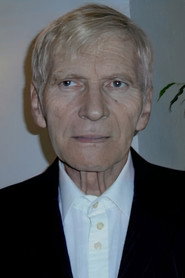 Ivo KubečkaMonk
Directing
- Antti LahtinenAssistant Director
- Antti-Jussi AnnilaDirector
- Sini HormioScript Supervisor
- Shakir HafoudhSecond Assistant Director
Writing
- Iiro KüttnerWriter
Production
- Artturi MutanenAssociate Producer
- Heikki LeikolaAssociate Producer
- San Fu MalthaAssociate Producer
- Ivan VorlíčekCasting
- Pia PesonenCasting
- Tutsa HuuhkaCasting
- Filip HejdukLine Producer
- Anna KonttinenPost Production Producer
- Martti YlöstaloPost Production Producer
- Jesse FryckmanProducer
- Tero KaukomaaProducer
- Lotta LanamäkiProduction Assistant
- Essi SuomelaProduction Manager