
Film
Dead Pigeon on Beethoven Street
Samuel Fuller's audacious spy-thriller relic, made in West Berlin during the Cold War. A scrappy American private eye tangles with blackmailers and drug runners in a shadowy city of shifting allegiances. It's pulpy, paranoid, and visually inventive—a B-movie with art-house ambitions, where every frame crackles with distrust. For anyone who loves crime cinema that refuses to play it safe.
If you liked this
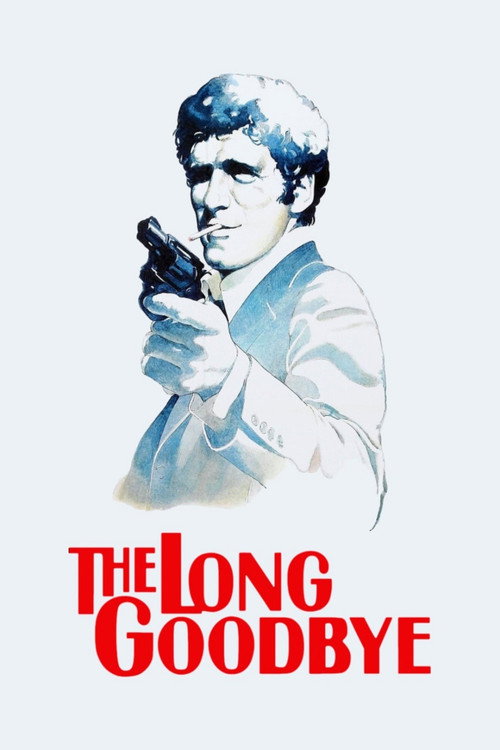
The Long Goodbye1973
Robert Altman's slouchy, brilliant deconstruction of the hard-boiled detective. Elliott Gould's Marlowe is bemused and out of step with the world around him, much like Fuller's protagonist—both films wear cynicism like a well-worn coat.
But It's deliberately anti-climactic and scattered in tone. If you want a tidy mystery with a satisfying resolution, this will frustrate you.
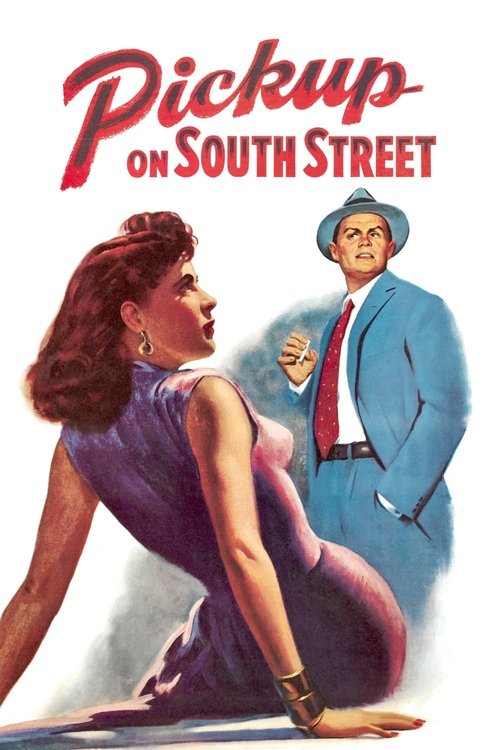
Pickup on South Street1953
Fuller's own earlier masterpiece of espionage and street-level betrayal in Cold War New York. Same director, same paranoid energy, same refusal to sentimentalize criminals or cops. Essential context for understanding his style.
But Shot in black-and-white on a tight budget, it can feel cramped compared to glossier spy thrillers. The pacing is deliberate, not rushing.
The Third Man1949
Carol Reed's masterwork of intrigue in divided Vienna—another postwar European city thick with corruption, double-crosses, and moral ambiguity. Visually sumptuous and morally murky in ways that echo Fuller's Berlin.
But It's methodical and atmospheric rather than propulsive. Some find the slow-burn approach tedious after the opening mystery lands.

Not sure tonight? Get a pick in a minute, starting from Dead Pigeon on Beethoven Street
The wildcard
Something you would not have found on your own.
Contempt1963
Both use Berlin and European settings to explore how identity becomes unstable under pressure. Both are suspicious of surfaces and official narratives. Fuller makes thrillers that think like essays; Godard makes essays that move like thrillers.
Godard's film-within-a-film shot partly in Berlin, where a marriage disintegrates on a film set. Like Fuller's work, it's obsessed with surveillance, betrayal, and the gap between appearance and truth—but Godard interrogates cinema itself as the site of deception. A radical reframing of the spy-thriller's paranoia into epistemological crisis.
But Godard's essayistic approach will feel impenetrable if you're expecting plot. It's as much a philosophical work as a thriller, and it can seem pretentious or deliberately obscure.

More like this (8)
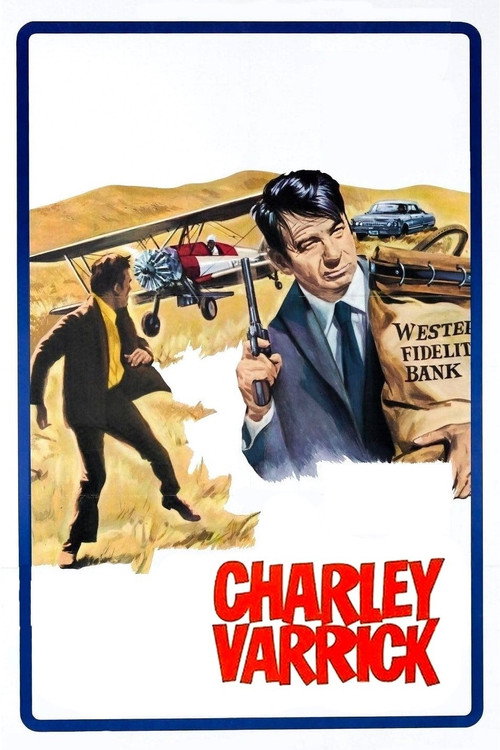
Charley Varrick1973
Don Siegel's smart, nervy thriller about a small-time crook in over his head with organized crime. Quick-witted, unpretentious, and full of genuine danger. Fuller and Siegel share a gift for making the ordinary criminal world feel urgent and real.
But The 70s TV-movie feel might read as cheap rather than charming. Walter Matthau is an unconventional action hero.
Rififi1955
Jules Dassin's heist procedural has the same unglamorous, street-level view of crime that Fuller favors. Long sequences with minimal dialogue, precise technical detail, and a world where nobody's truly safe. Paris as a character, like Berlin here.
But A French film from the 1950s shot in black-and-white. It's austere and slow-moving by modern standards, with minimal exposition.

In a Lonely Place1950
Ray's noir about suspicion and paranoia consuming an innocent man. Like Fuller's work, it trusts the viewer to sit with moral uncertainty and doesn't offer easy answers about who the real criminal is.
But Humphrey Bogart's dark, unglamorous performance isn't everyone's entry point to noir. The ending refuses catharsis.

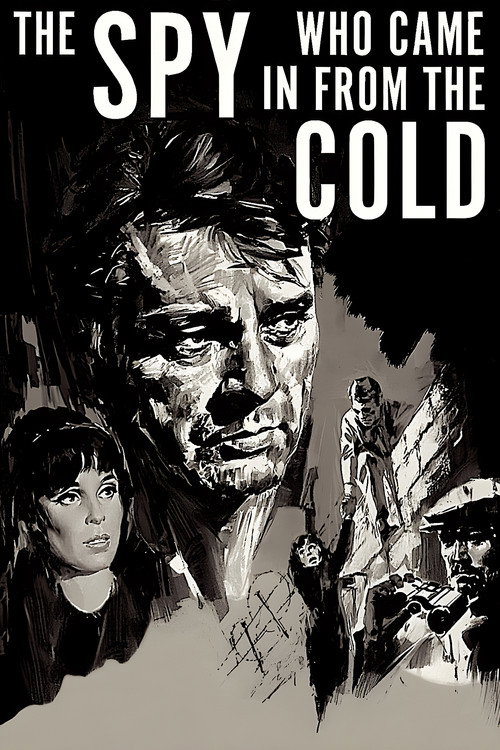
The Spy Who Came In from the Cold1965
Martin Ritt's adaptation of John le Carré captures Cold War Berlin as a place of exhaustion and betrayal. Spy fiction stripped of romance, where everyone is compromised and the mission itself is morally hollow. Fuller's world exactly.
But Deliberately bleak and anti-spectacular for a spy film. Richard Burton's weary alcoholic is the opposite of a conventional hero.
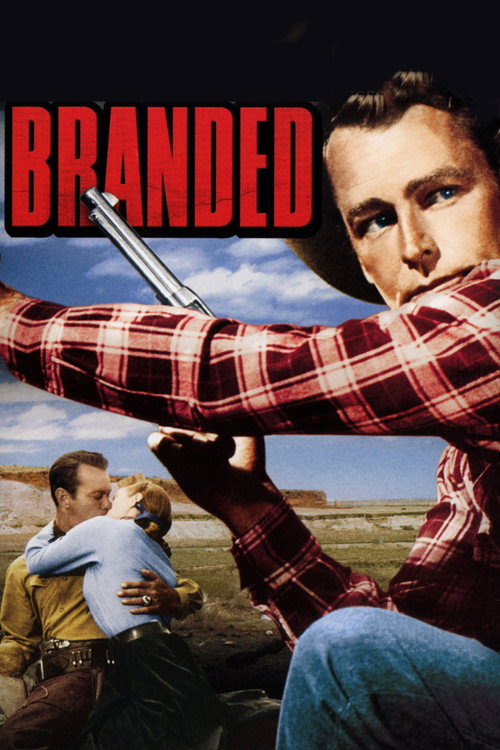
Branded1950
Raoul Walsh's noir about a man hired to impersonate someone else, spiraling into moral confusion. Has Fuller's gift for treating B-picture material with genuine intensity and visual flair, and the same paranoid structure of shifting identities.
But Less well-known than it deserves, which means no nostalgia cushion. It moves quickly and doesn't pause to explain itself.
The Killing1956
Kubrick's debut is a masterclass in crime-film construction, showing the same world from multiple angles. Like Fuller, Kubrick respects the intelligence of criminals and the mechanics of planning. Lean, propulsive, and deeply smart.
But The fractured narrative can feel gimmicky on first viewing. Some of the acting is rough, and the budget limitations show.

The Battle of Algiers1966
Both treat crime and espionage as systemic rather than individual. Both refuse to let the audience rest in comfortable moral positions. Both show institutions eating their own.
Pontecorvo's docudrama about urban insurgency and counterinsurgency in occupied Algeria is structured like a procedural thriller, but it's really about how violence begets violence and institutions corrupt their own agents. Fuller's paranoia becomes political—the question isn't who's the real criminal, but whether occupation itself is terrorism.
But It's a political film first and an entertainment second. Some viewers find it polemical and didactic. The black-and-white cinematography is austere, and the pacing is grave.

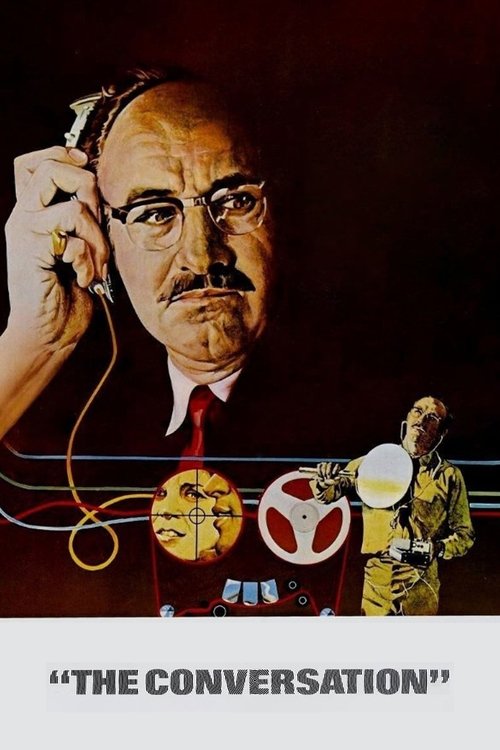
The Conversation1974
Both center on men trapped by information—Fuller's detective by what he uncovers, Hackman's wiretapper by what he records. Both suggest that seeing everything leaves you blind to what matters. Both are about the paranoia that comes from understanding how easily people are manipulated.
Coppola's paranoid masterpiece about surveillance technology and moral responsibility. Gene Hackman's surveillance expert is haunted by the implications of his work—Fuller's world of blackmail and hidden information becomes a meditation on the soul cost of knowing too much. Beautifully crafted, deeply anxious, and prescient.
But It's a 1970s art-thriller: slow, introspective, and very concerned with mood over action. If you want your thrillers to thrill rather than unsettle, it will feel like watching someone else's nightmare.
People
Cast
 Glenn CorbettSandy
 Christa LangChrista
 Sieghardt RuppViktor Kressin
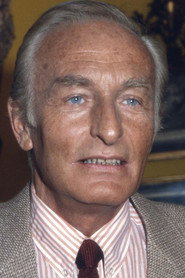 Anton DiffringMensur
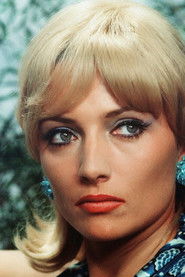 Stéphane AudranDr. Bogdanovich
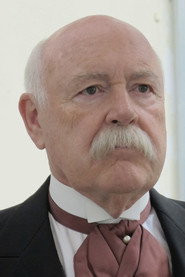 Eric P. CasparCharlie Umlaut
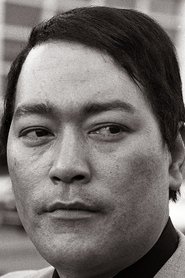 Anthony ChinnMr. Fong
- William RayLuthini
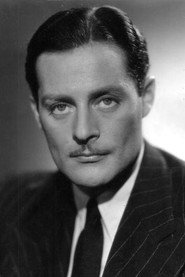 Alexander D'ArcyMr. Novak
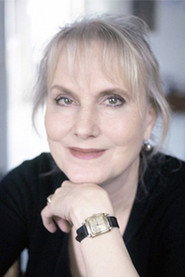 Verena ReichelVerena
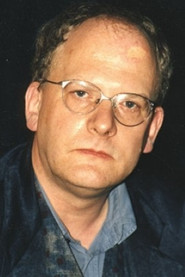 Hans-Christoph BlumenbergFritz Spindel
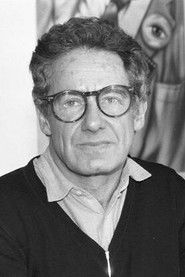 Peter LilienthalCarlos
Directing
- Samuel FullerDirector
Writing
- Manfred R. KöhlerDialogue
- Samuel FullerWriter
Production
- Joachim von MengershausenProducer
- Herman NoelleProduction Manager