
Film
Lady in the Lake
A 1946 detective noir with a radical visual gimmick: you see everything through Marlowe's eyes, literally. The camera is Marlowe. It's disorienting, occasionally brilliant, often exhausting—a film that prioritizes experiment over comfort. For those curious about cinema's formal possibilities and willing to sit with something genuinely strange.
Should you watch it?
Watch it if you are drawn to hard-boiled talk and to a camera that dares to be a character, so the gimmick itself is the pleasure, and you don't mind a plot that tangles on purpose.
Skip it if the first-person gimmick can wear thin, since you rarely see the hero and the plot leans on talky exposition; if wordy stretches tire you, this will too.
What it asks of you: Roughly 105 minutes of close attention, with the camera at eye level the whole way, so you piece together who is straight with him from voices and reactions rather than faces.
Not sure? Find tonight's pick in a minute.
If you liked this
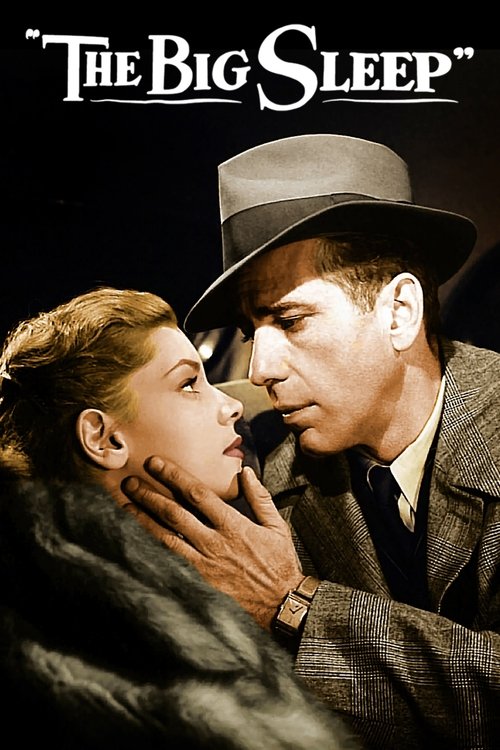
The Big Sleep1946
Bogart and Bacall in peak chemistry, investigating a blackmail scheme across Los Angeles. Chandler's dialogue crackles, Hawks directs with effortless cool, and the plot tangles just enough to feel real.
But The mystery itself is famously incomprehensible—even the filmmakers couldn't explain who killed the chauffeur. If plot clarity matters more than mood, this will frustrate you.
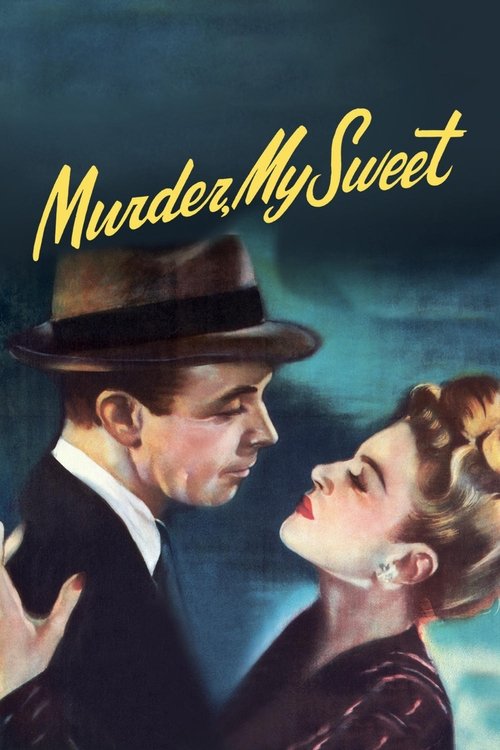
Murder, My Sweet1944
Dick Powell as a private eye navigating a femme fatale, corrupt cops, and true danger. Brutal, poetic cinematography; Chandler's cynicism without pretension. You feel the rain and the betrayal.
But It's bleak in the way 1944 noir could be. If you want comfort or hope, this isn't your film.
In a Lonely Place1950
Bogart as a volatile screenwriter accused of murder. Ray's direction is intimate and cruel; it deconstructs the noir hero into someone genuinely dangerous. Deeply sad and smart.
But There's no one to root for. The romance is poisoned. It ends quietly, without catharsis.

Not sure tonight? Get a pick in a minute, starting from Lady in the Lake
The wildcard
Something you would not have found on your own.
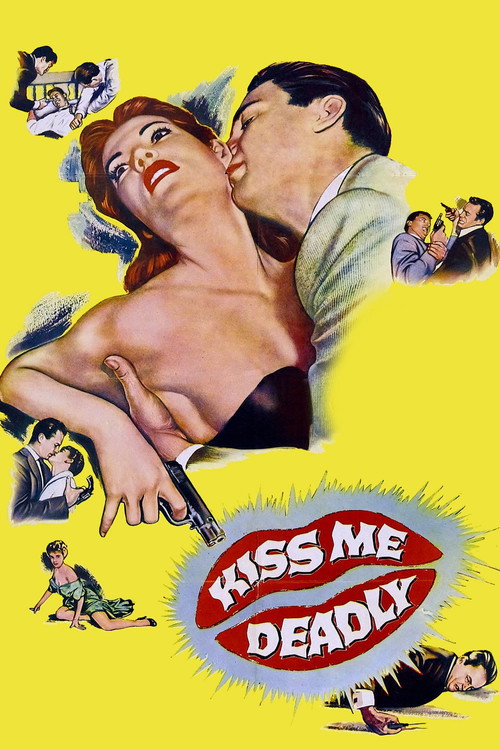
Kiss Me Deadly1955
Both films use perspective and restriction as storytelling tools: this one weaponizes subjective camera and editing to make you feel trapped in a noir nightmare, much as Lady in the Lake's gimmick isolates you in Marlowe's viewpoint.
Aldrich's Hammer adaptation goes apocalyptic. Atomic-age paranoia, unprecedented violence, a Pandora's box ending that remains shocking. It takes noir's cynicism to its logical extreme.
But The plot is densely convoluted. You need to pay attention, and the ending will either electrify or alienate you.
More like this (8)
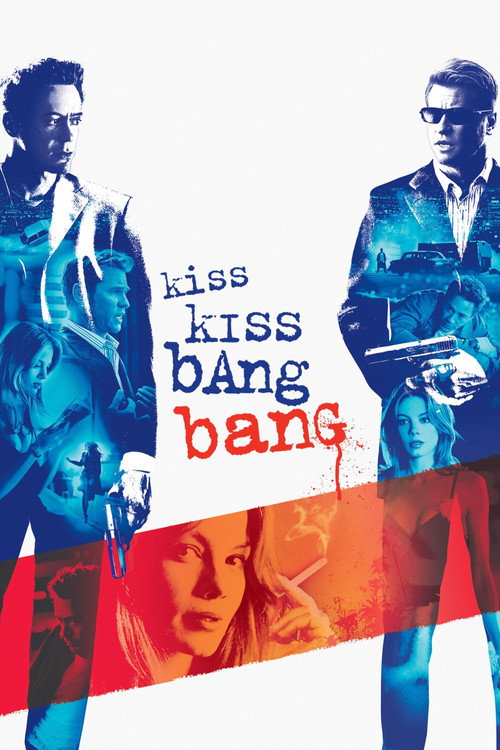
Kiss Kiss Bang Bang2005
A modern private-eye story that loves noir's conventions while picking them apart. Funny, violent, and genuinely affectionate about the genre. Downey Jr. is magnetic.
But The tone whipsaws between comedy and darkness. The meta-commentary will grate if you want straightforward storytelling.
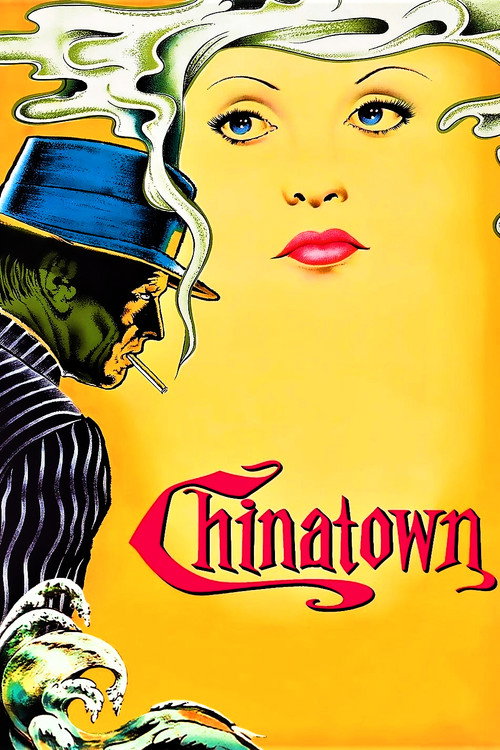
Chinatown1974
Nicholson as Marlowe (sort of), investigating water corruption in LA. Polanski's masterpiece: elegantly plotted, morally complex, unforgettably bleak. The best neo-noir ever made.
But It's deliberately constructed so that the protagonist fails utterly. If you need your hero to win, this will devastate you.
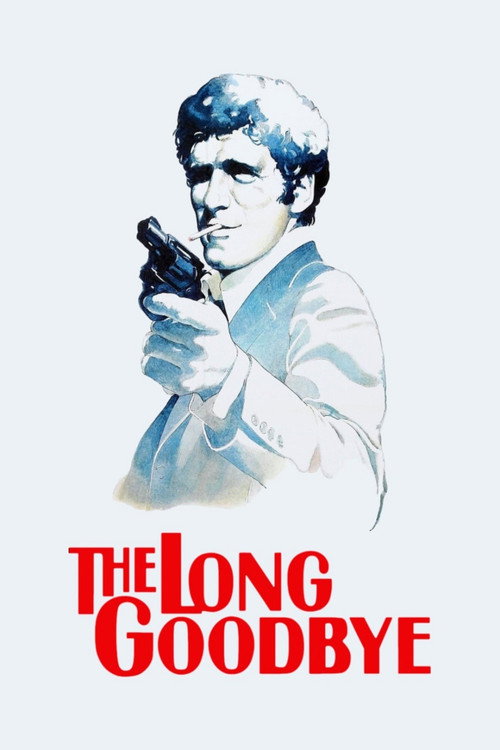
The Long Goodbye1973
Altman's Marlowe is rumpled, anachronistic, oddly pure in a corrupt world. Elliot Gould makes him strange and touching. Experimental without being pretentious.
But It moves at its own pace. The plot meanders. Patience required, and even then it might feel aimless.
The Killing1956
Kubrick's debut: a racetrack heist fractured across time, taut as wire. Early evidence of a master's control. Noir mechanics applied with surgical precision.
But The opening noir narration and gritty b-movie premise might feel dated. Limited emotional depth.

The Asphalt Jungle1950
The heist-noir template: meticulous planning, ensemble cast, inevitable unraveling. Huston directs with clarity and compassion. Hugely influential; worth seeing the source.
But It's slow to build. Some scenes drag. The emotional payoffs are quiet rather than dramatic.

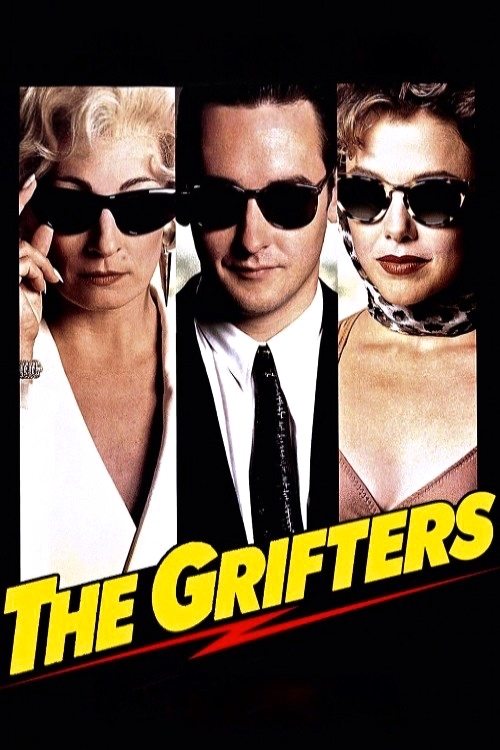
The Grifters1990
Con artists and family poison. Frears brings Thompson's noir sensibility into the present with style and venom. Buscemi, Cusack, Huston all excellent.
But Everyone is fundamentally selfish. There's no moral center, which some find exhilarating and others find exhausting.
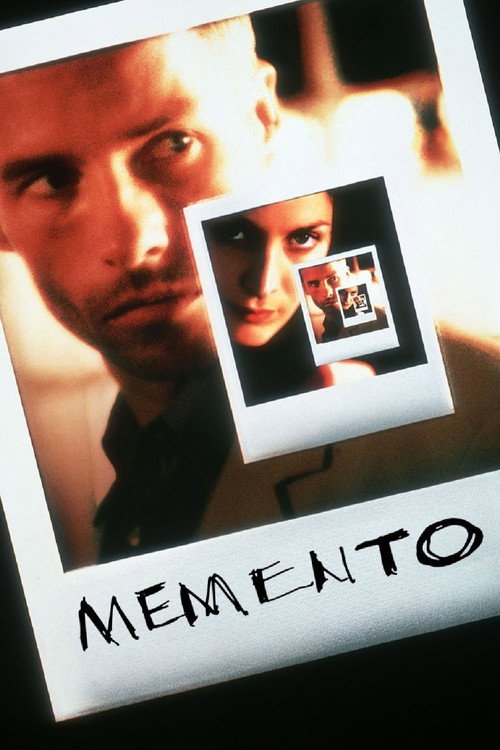
Memento2000
Like Lady in the Lake, it puts you inside a broken perspective—using form itself to express the protagonist's condition. Both ask what we understand when we can't see the full picture.
A man with no short-term memory hunts his wife's killer. Nolan reverses the narrative chronology so you're as lost as the protagonist. Formally daring, genuinely moving, unforgettable.
But The reverse structure is gimmicky at first. It demands a second viewing to fully land. Some find it exhausting rather than rewarding.
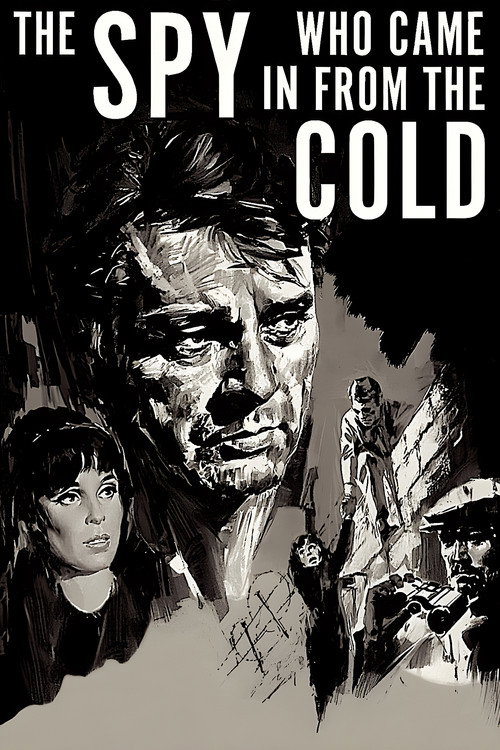
The Spy Who Came In from the Cold1965
Both are about a weary professional (detective or spy) pulled into work he wants to leave. Both see their world as exhausting, corrupt, and unredeemable—noir sensibility applied to different centuries.
Le Carré's espionage novel, faithful and bleak. Burton as a burned-out operative in an unglamorous Cold War. Quiet, literary, more interested in betrayal than action.
But It's glacially paced and morally grey. No heroics, no satisfaction, no one to trust. If you want James Bond excitement, this is the opposite.
People
Cast
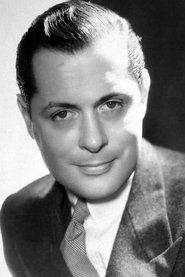 Robert MontgomeryPhillip Marlowe
 Audrey TotterAdrienne Fromsett
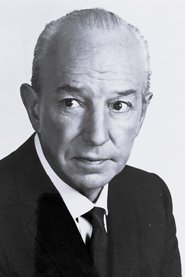 Lloyd NolanLieutenant DeGarmot
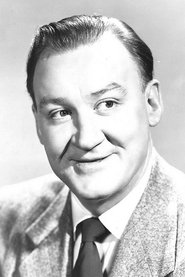 Tom TullyCaptain Kane
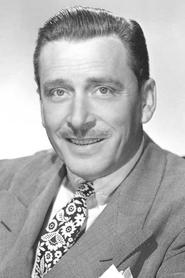 Leon AmesDerace Kingsby
 Jayne MeadowsMildred Haveland
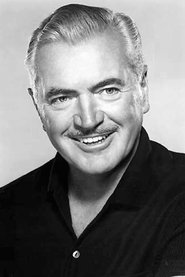 Dick SimmonsChris Lavery
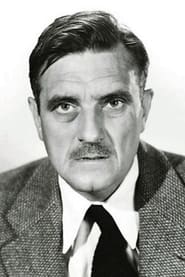 Morris AnkrumEugene Grayson
 Lila LeedsReceptionist
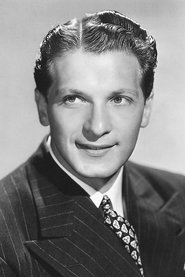 William RobertsArtist
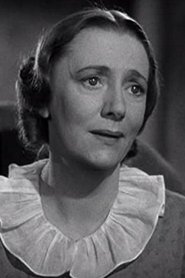 Kathleen LockhartMrs. Grayson
- Ellay MortCrystal
Directing
- Dolph ZimmerAssistant Director
- Robert MontgomeryDirector
Writing
- Raymond ChandlerNovel
- Raymond ChandlerScreenplay
- Steve FisherScreenplay
Production
- George HaightProducer
- Robert E. BarnesUnit Manager