
Film
A Decade Under the Influence
A Decade Under the Influence is a love letter to 1970s Hollywood, when the studios loosened their grip and visionary directors seized the moment. Through interviews with Coppola, Altman, Schrader and others, it traces how a generation of rebels transformed American cinema into an art form. It's a masterclass wrapped in pure cinephilia—talking heads, yes, but the heads belong to giants, and they're remembering their own golden age with infectious passion.
If you liked this
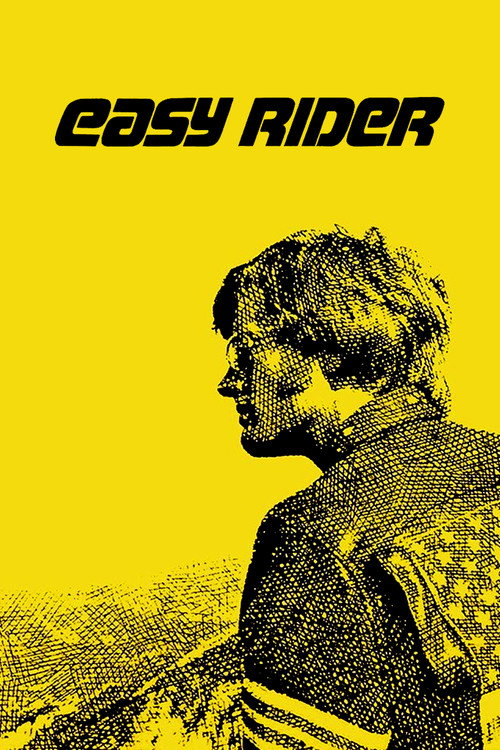
Easy Rider1969
The film that announced the New Hollywood era and made studios realize young audiences wanted something real. Jack Nicholson's breakthrough and a countercultural landmark that still thrums with genuine freedom and danger.
But It moves in long stretches without plot momentum, and its politics can feel simplistic or dated even as its spirit remains radical.
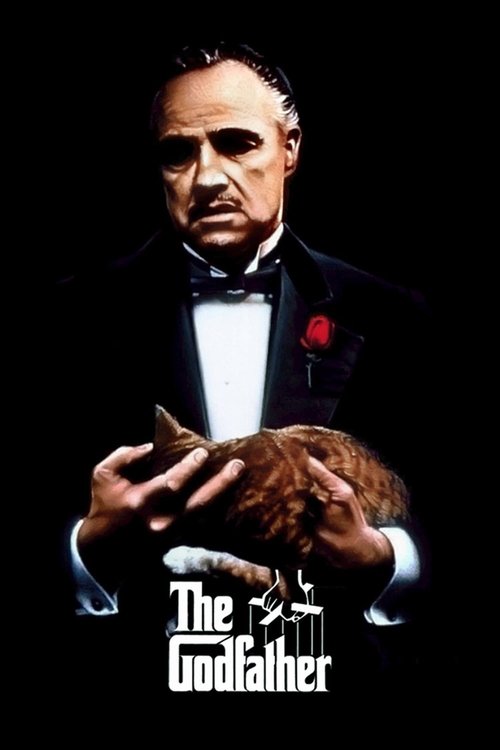
The Godfather1972
Coppola's operatic masterpiece about power, family and moral corruption—a film that proved commercial success and artistic ambition weren't enemies. You'll understand why everyone in the documentary speaks about the 70s with awe.
But At nearly three hours, it demands patience and focus. Some find it measured to the point of slowness, even if they admire it.
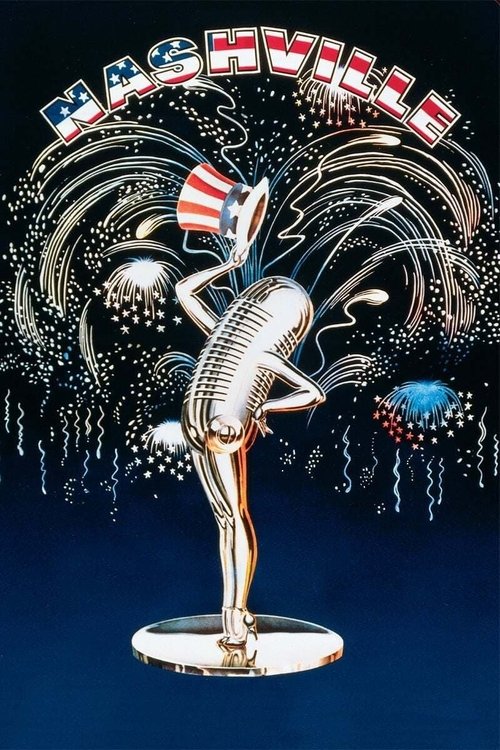
Nashville1975
Altman's sprawling, overlapping narrative about celebrity and American myth. A film about surfaces and deception that feels utterly alive—chaotic, funny, darkly knowing in ways that influenced everything after.
But The overlapping dialogue and sprawling cast make it genuinely hard to follow on a first watch. You might feel lost rather than immersed.
Not sure tonight? Get a pick in a minute, starting from A Decade Under the Influence
The wildcard
Something you would not have found on your own.
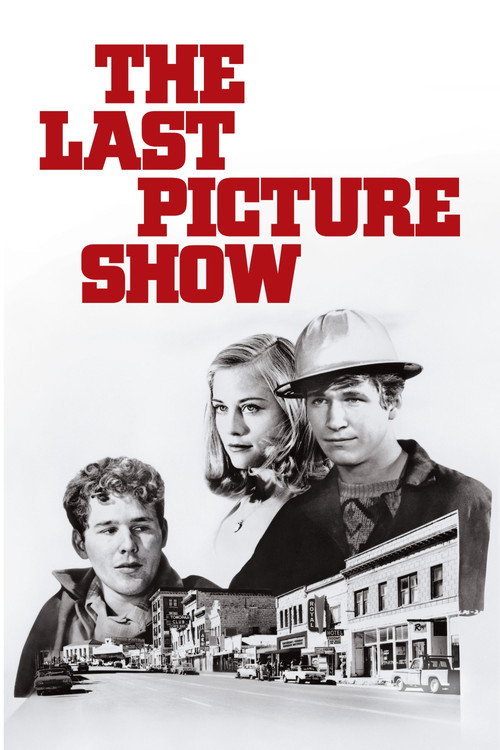
The Last Picture Show1971
A meditation on cinema's mortality and the nostalgia that drove the New Hollywood—a film about filmmaking's past that the 70s generation was trying to transcend.
Peter Bogdanovich's elegy for small-town America and cinema itself. It's made in 1971 but mourns the 1950s, and it's a film about the death of moviegoing—you'll understand why the 70s directors felt they were fighting for cinema's soul.
But It's in black and white, slow, and sad in a way that can feel nostalgic to the point of stasis. Some find it more interested in loss than in actually moving you.
More like this (8)
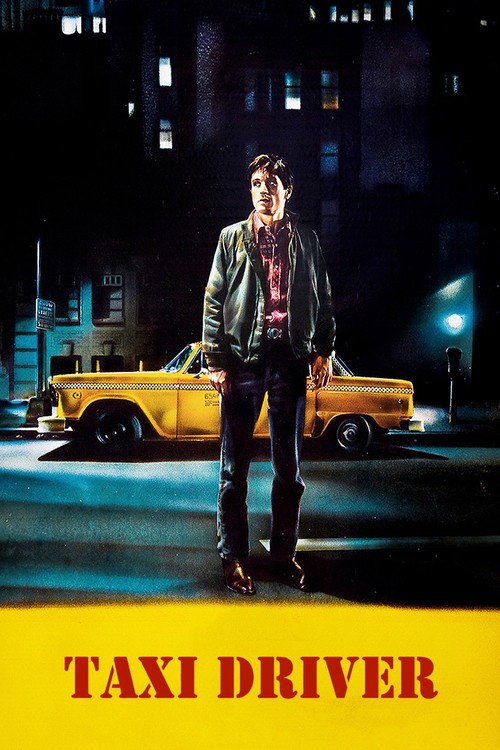
Taxi Driver1976
De Niro's portrait of urban alienation and moral sickness. Schrader's script is a fever dream about masculinity and violent redemption—uncomfortable, brilliant, still shocking decades later.
But It's bleak, deliberately nasty, and the violence is sudden and distressing. The protagonist is repulsive in ways the film doesn't excuse or soften.
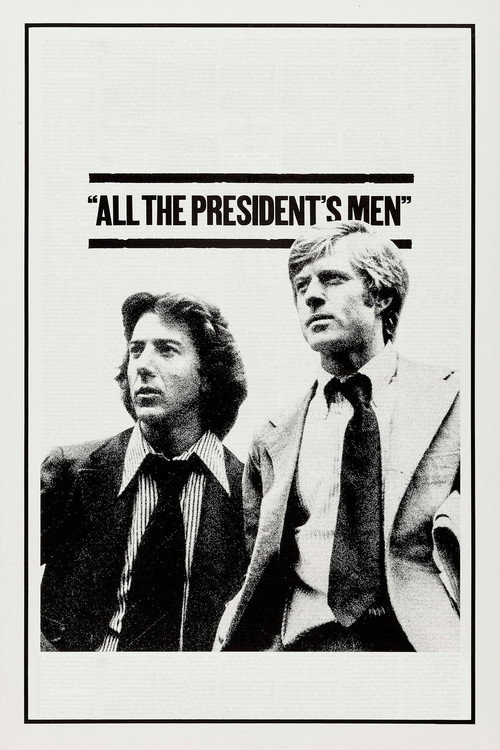
All the President's Men1976
Woodward and Bernstein's investigation into Watergate—a thriller about journalism, power and accountability that justifies Redford and Hoffman's fame. Taut, intelligent, endlessly rewatchable.
But It's structured like a procedural and can feel repetitive if you expect traditional dramatic arcs. The climax happens in whispers, not explosions.
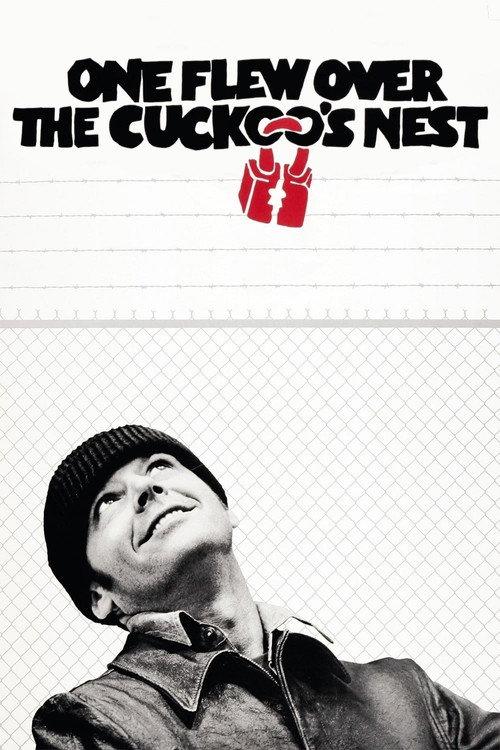
One Flew Over the Cuckoo's Nest1975
Milos Forman's adaptation about individuality crushing under institutional control. Nicholson at peak charisma and menace, a film that feels like rebellion itself and swept the Oscars for good reason.
But The depiction of mental illness is reductive, and modern audiences often find its libertarian politics troubling rather than liberating.
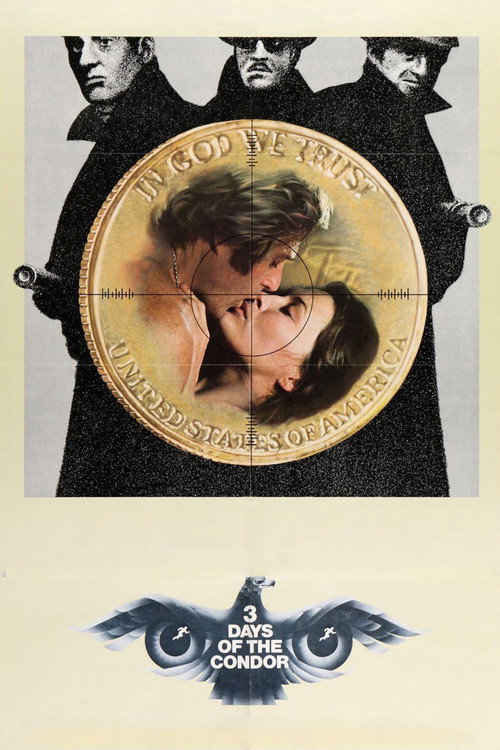
Three Days of the Condor1975
Pollack's paranoid thriller where Robert Redford discovers the CIA is after him—lean, elegant, perfectly paced. It captures 70s anxiety about trust and hidden power with style and urgency.
But The plot relies on convenience and coincidence more than you'd want, and the ending feels ambiguous in frustrating rather than intriguing ways.
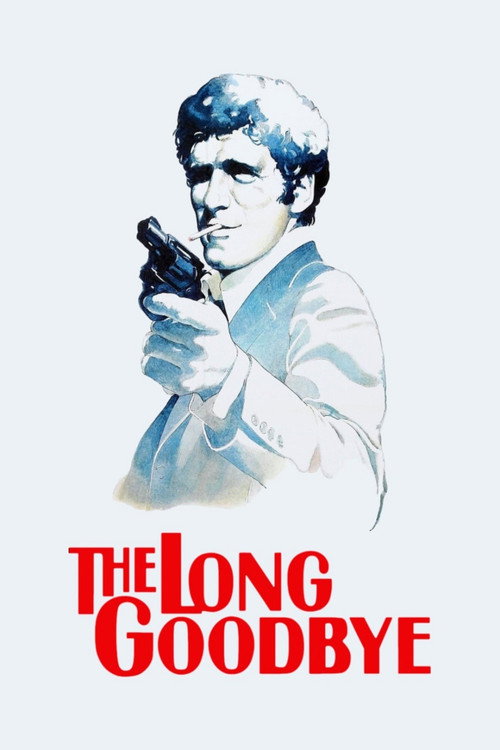
The Long Goodbye1973
Altman's reimagining of Marlowe as a confused, bumbling hero in a cynical world. It's funny, sad, and weirdly modern—a deconstruction of noir that respects the form while demolishing its myths.
But If you expect Raymond Chandler's Marlowe, you'll be disappointed. Altman's vision is deliberately unglamorous and anti-heroic in ways some find annoying.
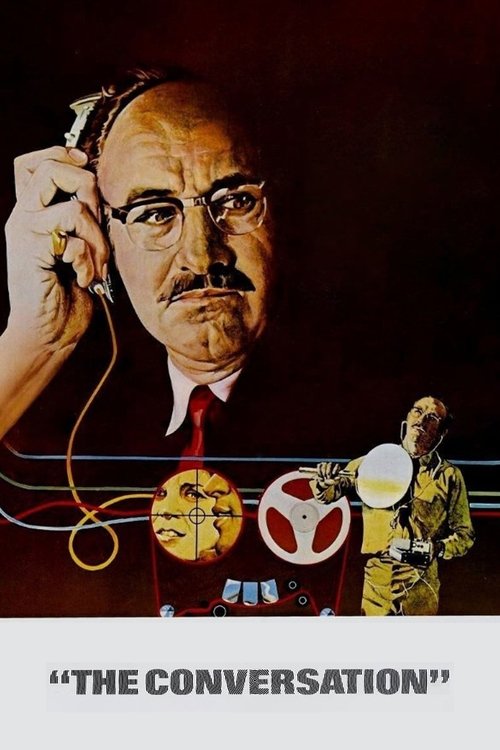
The Conversation1974
Coppola's surveillance thriller starring Gene Hackman as a paranoid surveillance expert in a world of hidden meanings. It's intimate and claustrophobic, a masterpiece about privacy and complicity in the modern age.
But It's slow-burn and introspective, with long scenes of technical work and moral doubt. The payoff is whispered rather than explosive, which some find anticlimactic.
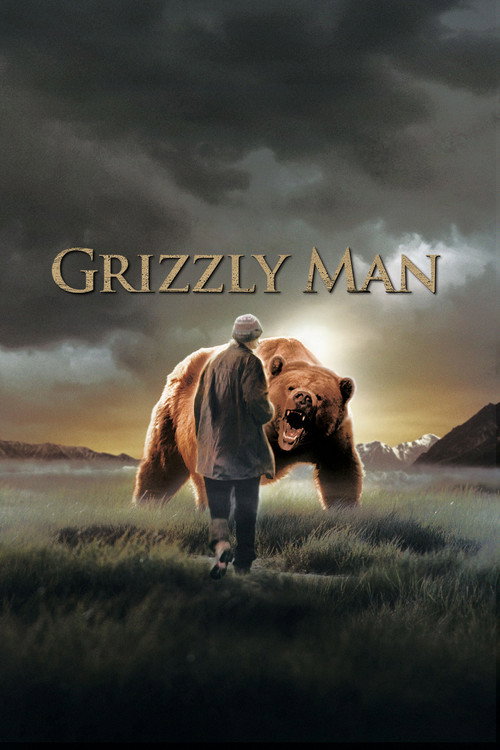
Grizzly Man2005
Like the 70s directors themselves, Herzog is an obsessive trying to film the mythic and real simultaneously—and failing gloriously. Both films are about artists who can't accept the world as it is.
Werner Herzog's documentary about a man consumed by obsession with bears and nature. It's about the gap between reality and fantasy, self-delusion and truth—obsession filmed with tragic beauty and unflinching intelligence.
But Herzog's voiceover is portentous and the subject matter (his death at the paws of a bear he studied) is deeply morbid. It's bleak in ways that documentary watchers sometimes find gratuitous.
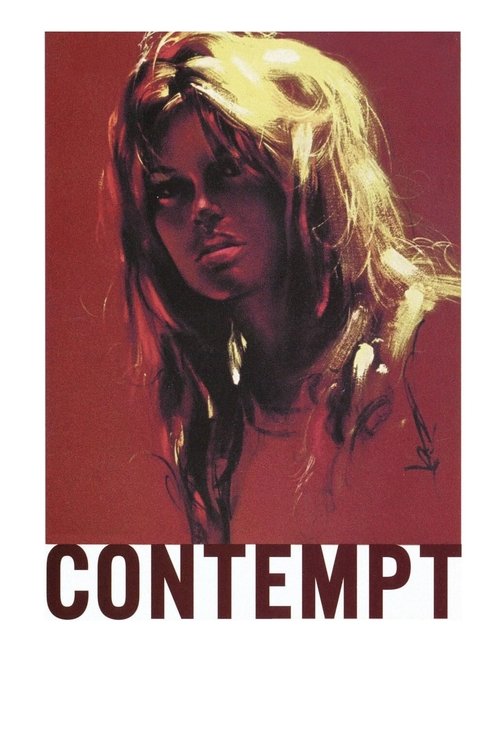
Contempt1963
A film about the collision between artistic vision and commercial machinery—the exact tension the 70s generation tried to navigate and that shaped their best work.
Godard's film-within-a-film about a marriage collapsing as a Hollywood production crumbles around them. It's about cinema as dream and power—made a decade before the 70s, but it prophesied what those filmmakers were wrestling with.
But It's formally austere, the relationship drama is ice-cold, and the visual beauty can feel more important than the human story. Many find Godard's indifference alienating rather than profound.
People
Cast
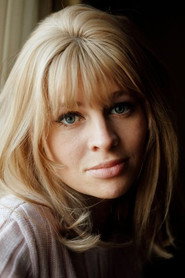 Julie ChristieSelf
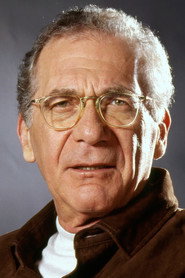 Sydney PollackSelf
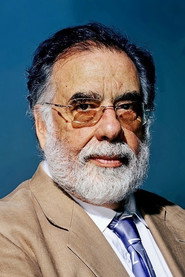
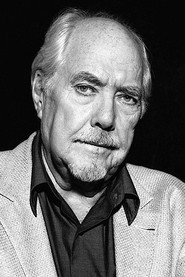 Robert AltmanSelf
 Paul SchraderSelf
 Pam GrierSelf
 Polly PlattSelf
 Jon VoightSelf
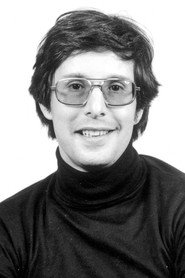 William FriedkinSelf
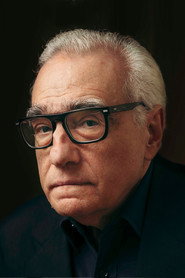 Martin ScorseseSelf
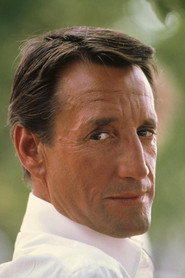 Roy ScheiderSelf
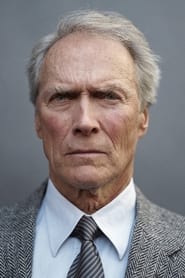 Clint EastwoodSelf
Directing
- Richard LaGraveneseDirector
- Ted DemmeDirector
Production
- Alison Palmer BourkeExecutive Producer
- Caroline KaplanExecutive Producer
- Jonathan SehringExecutive Producer
- Gini RetickerProducer
- Jerry KupferProducer
- Richard LaGraveneseProducer
- Ted DemmeProducer