
Film
Henry VIII and His Six Wives
A 1972 film that stitches together the BBC's acclaimed six-part serial into a two-hour theatrical experience. Keith Michell's Henry VIII reflects on his marriages while dying, each wife a chapter in his obsessive quest for a male heir. It's stately and melancholic, more interested in the human cost than palace intrigue. For anyone drawn to costume drama that treats its characters as people, not chess pieces.
Should you watch it?
Watch it if you like costume history built on talky, tightly wound court intrigue, where a famous story is told through its personal rivalries and bargains rather than spectacle.
Skip it if you want the sweep of a big screen epic or a fast plot, since this is a stagy, dialogue-heavy film that lingers in rooms and leans on conversation.
What it asks of you: A two-hour sitting with a looking-back structure, asking you to track many marriages and loyalties at once and keep pace with a crowd of courtiers.
Not sure? Find tonight's pick in a minute.
If you liked this
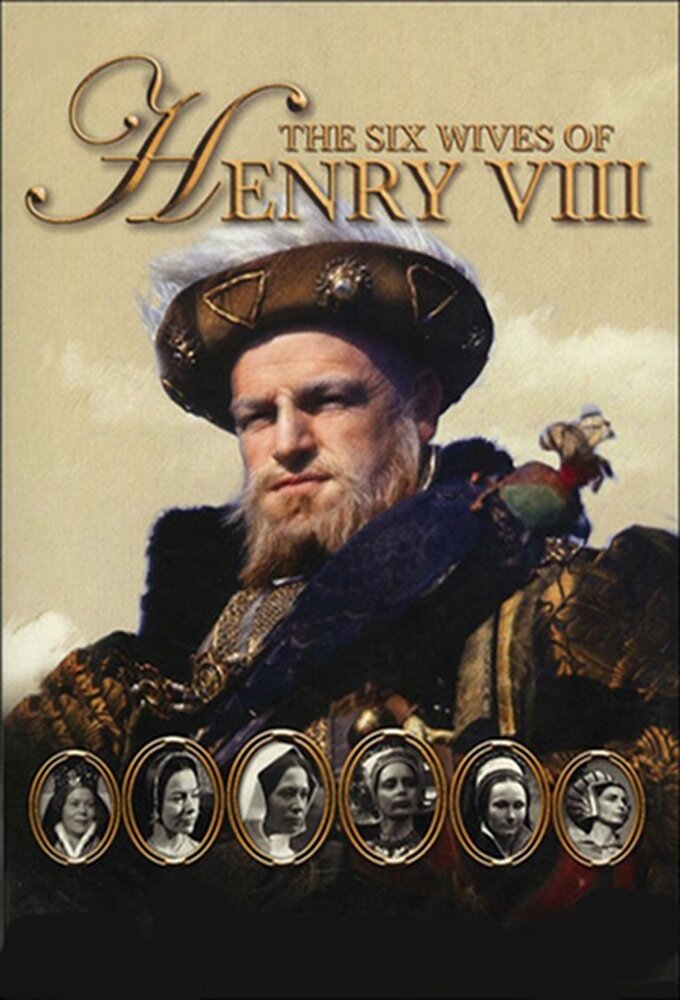
The Six Wives of Henry VIII1970
The source material itself: the original BBC serial that this film condenses. Six episodes, each devoted entirely to one wife, with room to breathe that the theatrical edit cannot afford. Michell is extraordinary across all of it.
But Period television from 1970 moves slowly and deliberately. If you want plot momentum over psychological depth, the pacing will test you.
A Man for All Seasons1966
Paul Scofield as Thomas More facing down Henry VIII, with the same moral clarity and restraint that makes Henry VIII and His Six Wives work. A masterclass in how to film men in principle-driven conflict without melodrama.
But It's primarily a two-hander between More and Henry, which means whole sequences of dialogue in a room. Not visual spectacle, and some find that dull.
The Private Life of Henry VIII1933
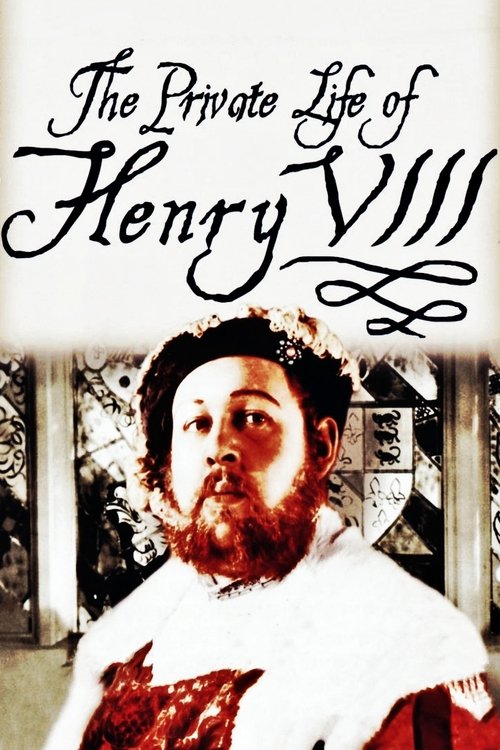
Charles Laughton's Henry is the opposite extreme: volcanic, physical, funny. Seeing the same marriages through his rowdy, appetitive lens shows how much interpretation matters. A genuine classic of 1930s cinema.
But It plays loose with history and focuses mainly on wives two through four. If you want chronological completeness or historical accuracy, you'll be frustrated.
Not sure tonight? Get a pick in a minute, starting from Henry VIII and His Six Wives
The wildcard
Something you would not have found on your own.
Blackmail1929
Both explore how a person's appetites and willfulness, when unchecked by consequence, become prisons. Both are visual meditations on power collapsing inward.
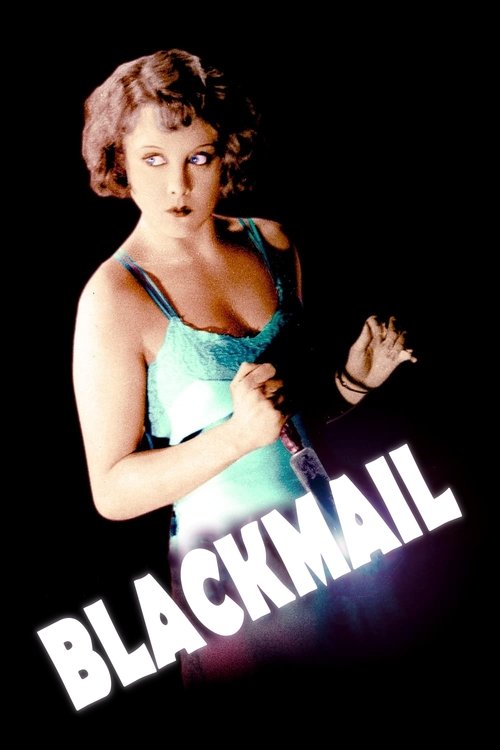
A silent Hitchcock thriller about a man destroyed by his own schemes and desires. Like Henry, the protagonist is powerful and intelligent but cannot escape the web he's woven. Both are about brilliant men undone by fixation. The mood—paranoia, isolation, the machinery of judgment—mirrors the claustrophobia of Henry's court.
But It's nearly a century old, in black and white, and largely silent. It moves at a silent film's pace, which is nothing like costume drama pacing.
More like this (7)
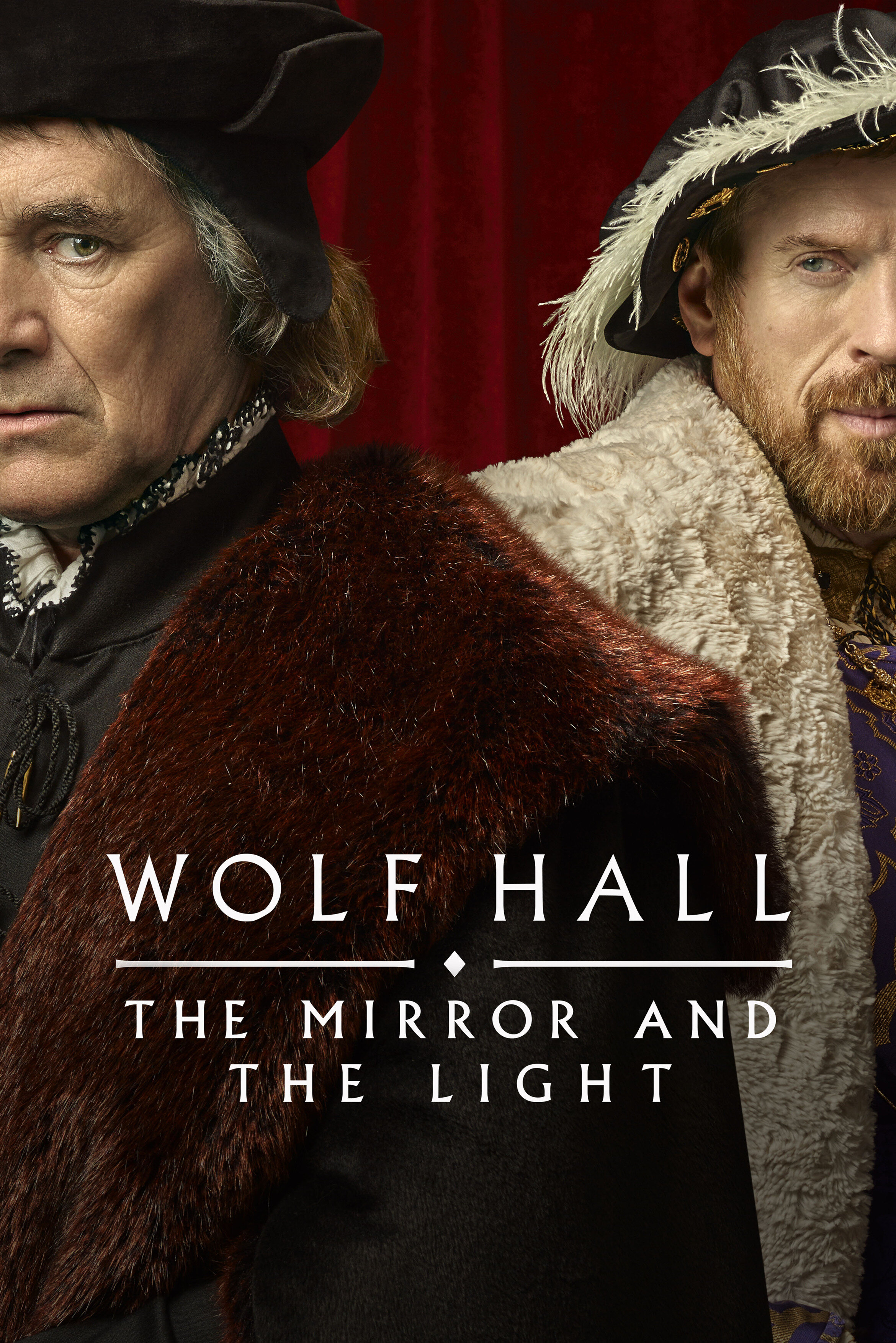
Wolf Hall2015
The BBC's adaptation of Hilary Mantel's novels, with Mark Rylance as Thomas Cromwell. It shares the 1972 film's interest in the machinery of power and the men around the king, but with more modern visual sophistication and a darker edge.
But Six episodes is a significant commitment, and the narrative is dense with political intrigue. It demands active attention.
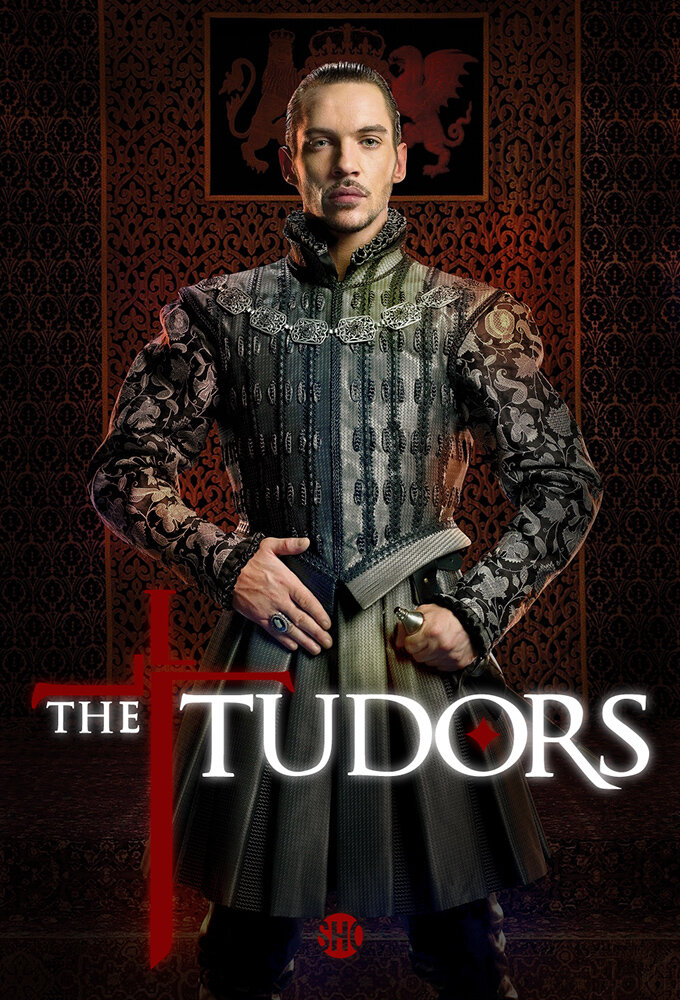
The Tudors2007
Jonathan Rhys Meyers as a younger, more volatile Henry. If you want the court intrigue, the sexual appetite, and the paranoia in full Showtime drama form, this delivers. Visually lush and entertaining.
But It's considerably less interested in the inner lives of the wives than in Henry's desires and schemes. Also, some of the historical liberties are substantial.
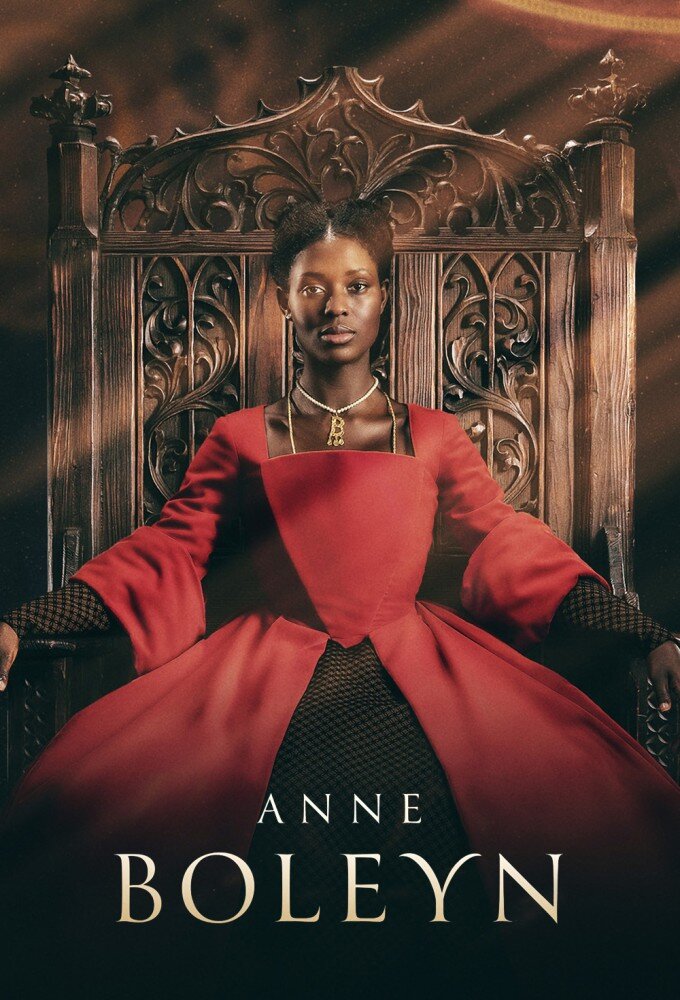
Anne Boleyn2021
A three-part miniseries centering entirely on Anne in her final days, with Jodie Turner-Smith in the role. It reframes the story from Anne's perspective as political catastrophe and personal betrayal. Intimate and angry in equal measure.
But It's deliberately Anne-focused to the point where Henry becomes almost a force of nature rather than a character. If you want balanced portraiture across all parties, this isn't it.
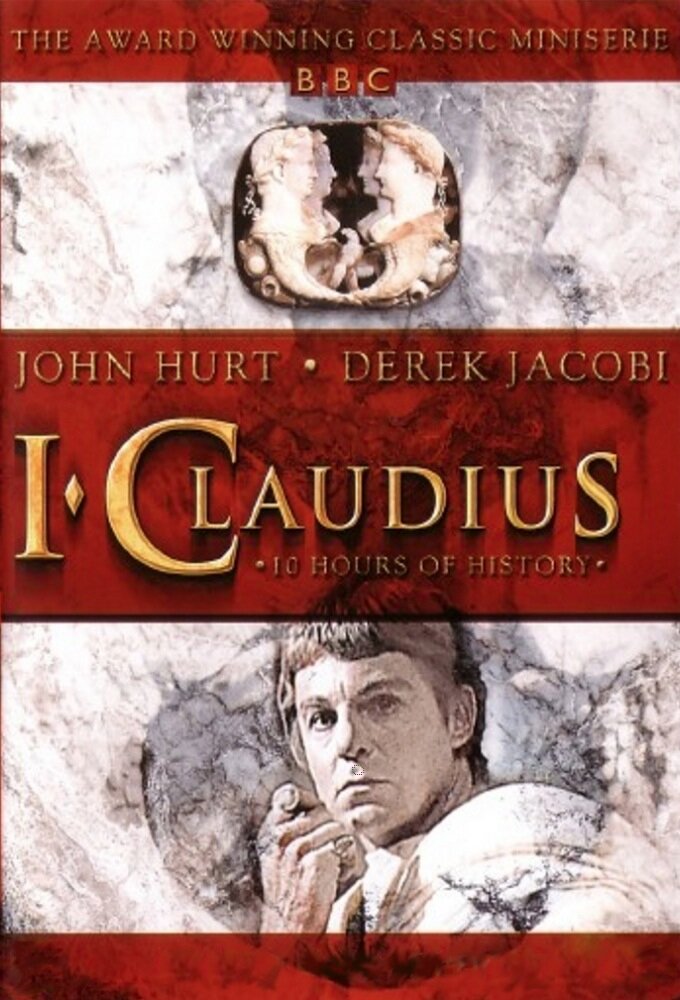
I, Claudius1976
Another BBC gem about a monarch reflecting on a lifetime of wives, rivals, and impossible choices. Derek Jacobi's Claudius has the same weary intelligence Michell brings to Henry. The DNA is very similar; the execution is exemplary.
But Thirteen episodes, and the production design is spartan by modern standards. It requires patience and forgiveness for low budgets.
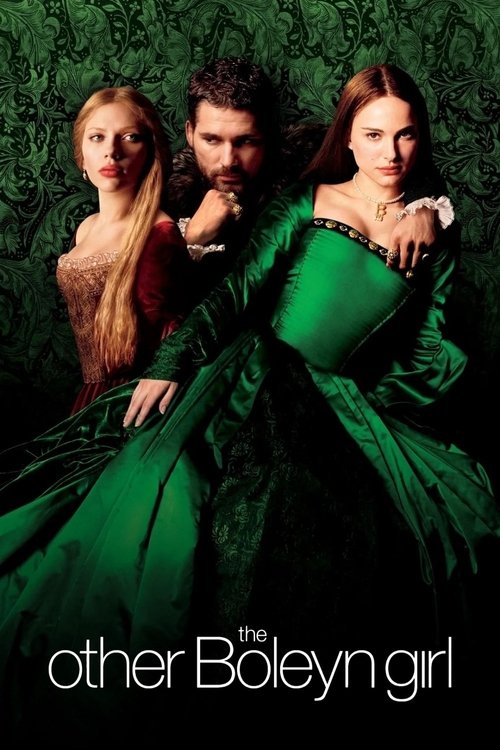
The Other Boleyn Girl2008
A more conventional, plot-driven take on the Boleyn sisters and Henry's court. If you want the palace politics, the family scheming, and the erotic tension dramatized with period glamour, it's glossy fun and moves fast.
But It's considerably lighter in touch and less interested in psychology. It's a romp where the 1972 film is an elegy.
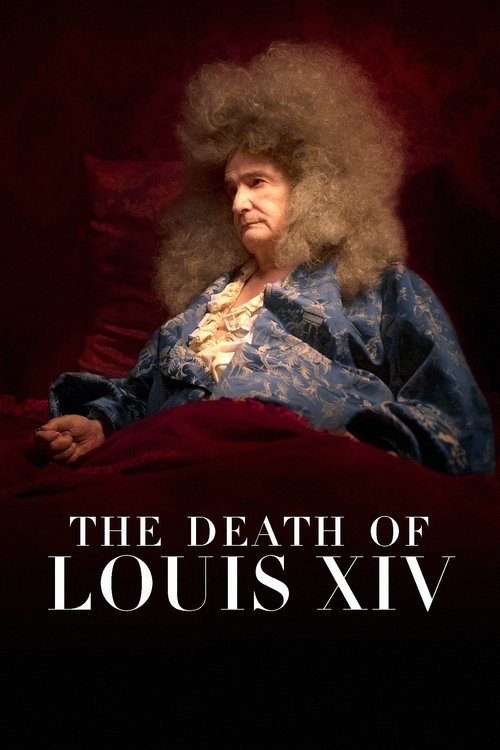
The Death of Louis XIV2016
Both are late-career meditations on absolute rulers confronting mortality and irrelevance. Both refuse melodrama in favor of quiet, almost documentary observation.
Albert Serra's film of the dying French king, shot in long, austere takes. Not a narrative but an experience: the slow dissolution of a body and mind. If the reflective, elegiac quality of Michell's Henry resonates with you, this takes that mood to its logical extreme—entirely interior, entirely about decay and acceptance.
But It's experimental, nearly plotless, and deliberately slow. It requires you to surrender to mood over event entirely. Many people will find it unbearable.
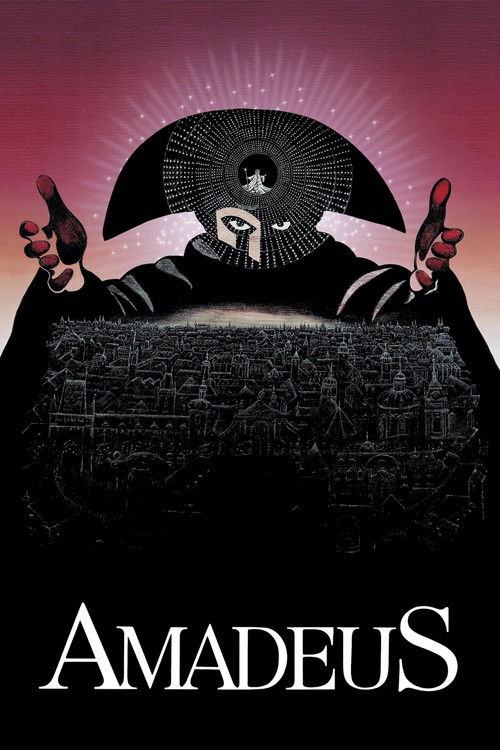
Amadeus1984
Both center a powerful man (musician, king) and the person who cannot stop watching him, consumed by what they lack. Both are about the corrosive effect of comparison and wanting.
F. Murray Abraham's Salieri is consumed by envy of Mozart's gifts, his jealousy the engine of the whole film. Like Henry's obsession with a male heir, Salieri's fixation becomes psychologically destructive—a brilliant man unmade by wanting what he cannot have. The film's architecture (one man reflecting, one man rising) mirrors Henry's arc precisely.
But It's three and a half hours, and Salieri's bitterness can wear on you. The film is deliberately claustrophobic around his resentment.
People
Cast
 Keith MichellHenry VIII
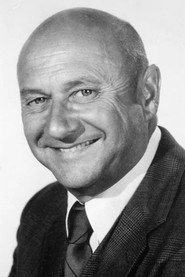 Donald PleasenceThomas Cromwell
 Charlotte RamplingAnne Boleyn
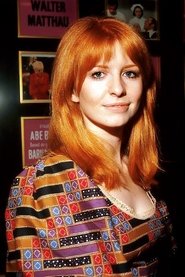 Jane AsherJane Seymour
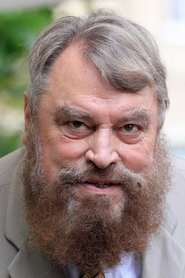 Brian BlessedSuffolk
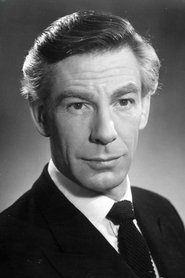 Michael GoughNorfolk
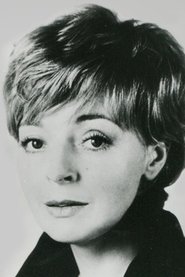 Barbara Leigh-HuntCatherine Parr
- Jenny BosAnne of Cleves
 Lynne FrederickCatherine Howard
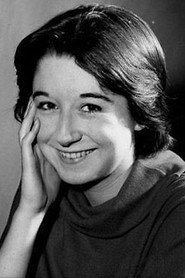 Frances CukaKatherine of Aragon
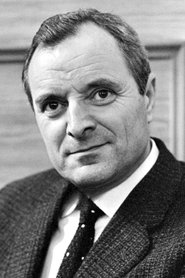 Michael GoodliffeThomas More
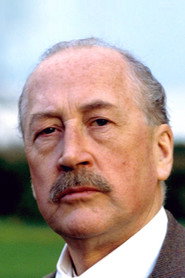 Bernard HeptonCranmer
Directing
- Waris HusseinDirector
Writing
- Ian ThorneScreenplay
Production
- Irene LambCasting
- Mark ShivasProducer
- Roy BairdProducer