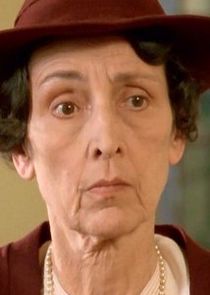
Television series
The Six Wives of Henry VIII
Nine feature-length plays, one per wife, built around Keith Michell's roaring, ageing Henry as the constant while six actresses take turns as the women who orbit and undo him. It's stagey, wordy, unhurried television — closer to chamber drama than costume spectacle — and it trusts you to sit with long scenes of persuasion, fear and negotiation. Best for anyone who wants Tudor history as psychological siege rather than pageantry.
If you liked this
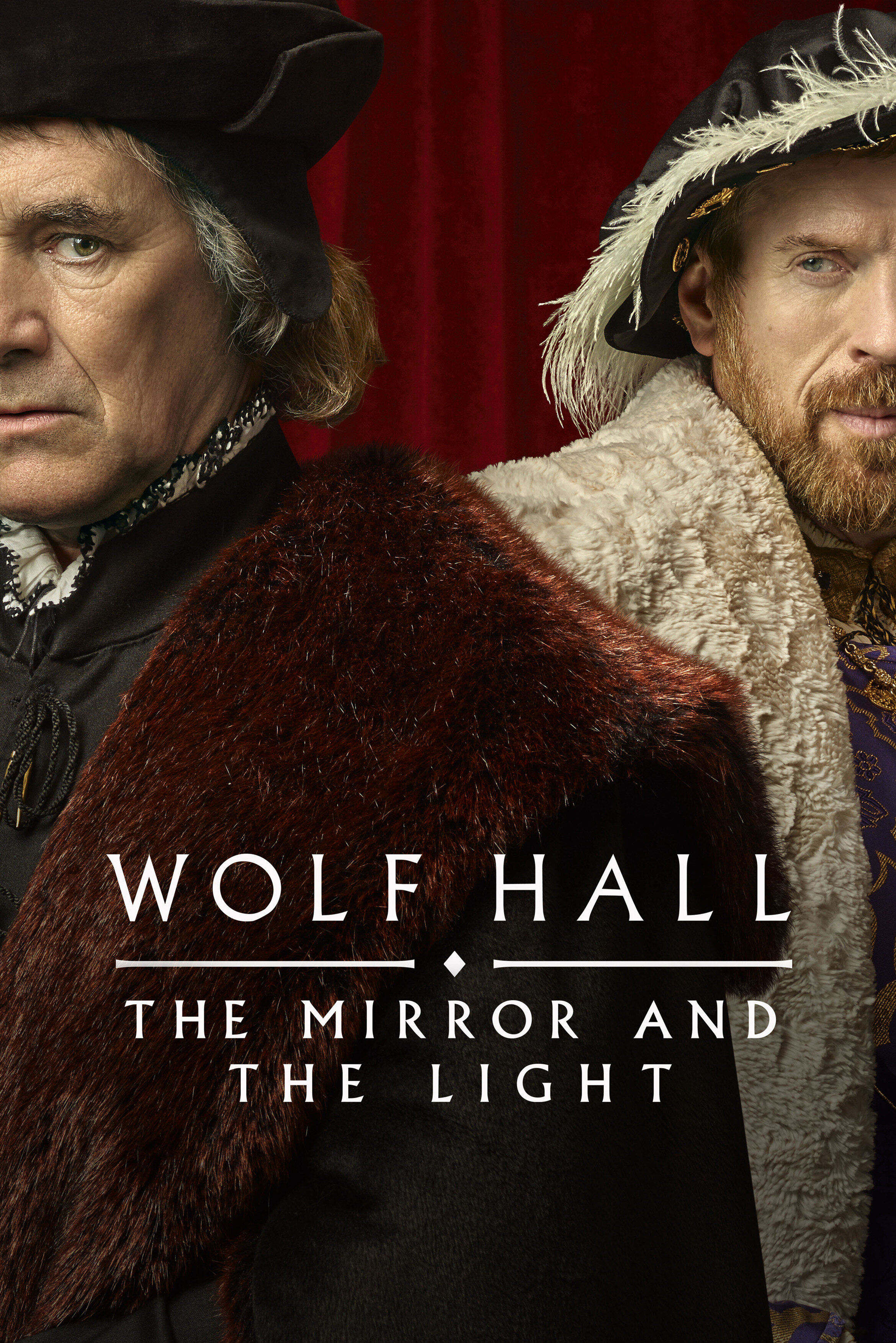
Wolf Hall2015
Same court, same king, but told from Cromwell's watchful side of the room — quieter, colder, and just as devastating. Mark Rylance is extraordinary.
But Deliberately hushed and shadow-lit; if you want Henry shouting, this whispers instead.
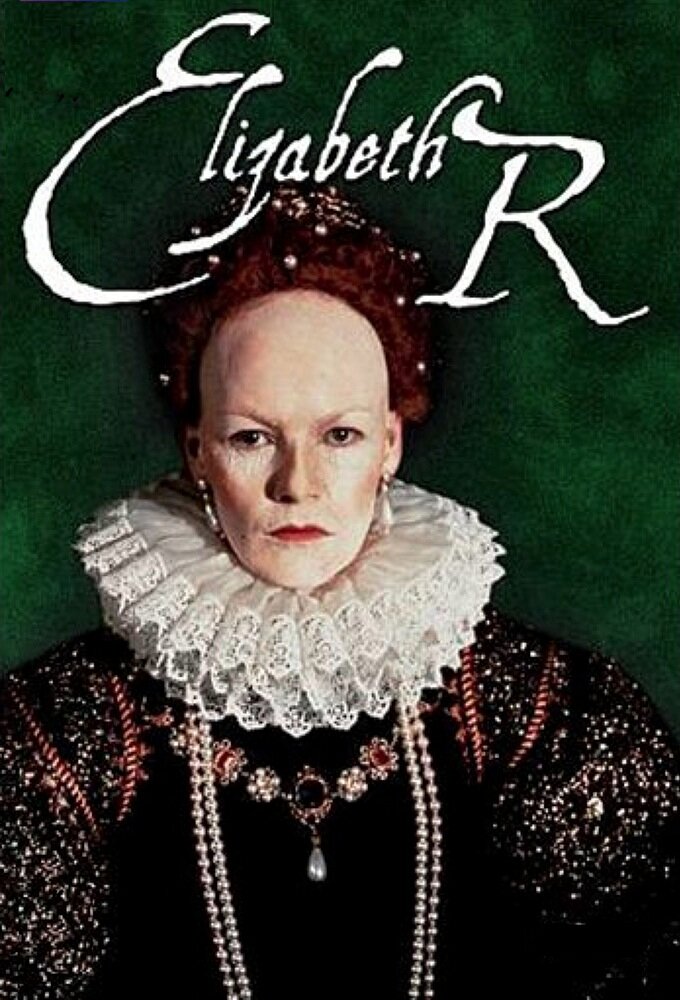
Elizabeth R1971
The direct sequel in spirit, from the same BBC stable, following Henry's daughter through her own long reign with Glenda Jackson magnificent in the role.
But Even more stately and talk-heavy than the original — a big commitment for six hour-long episodes.
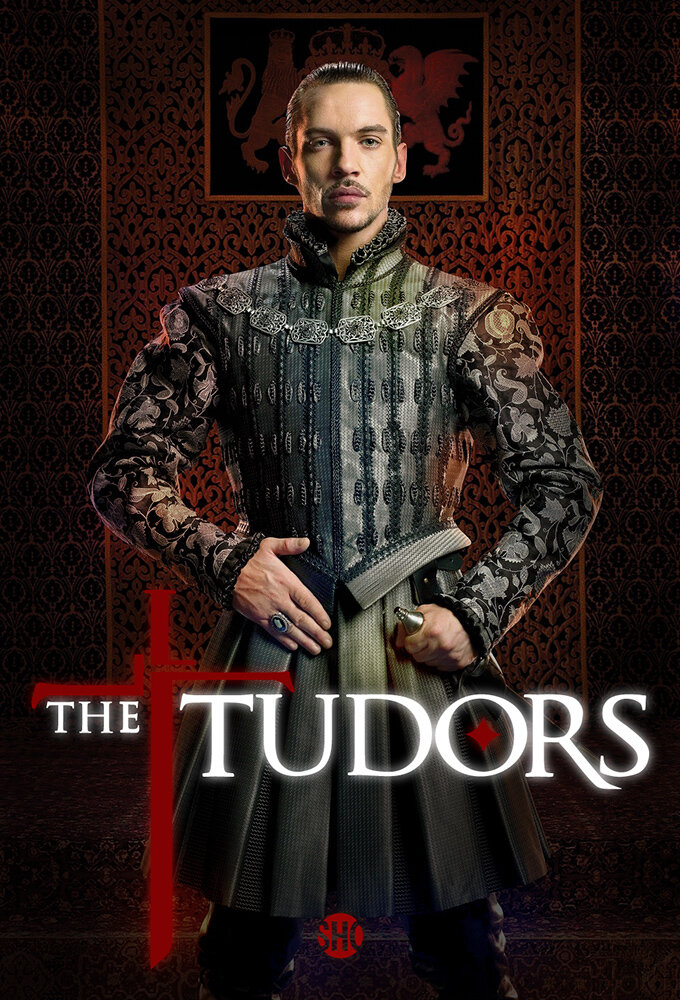
The Tudors2007
The same six marriages retold as glossy, horny, blood-soaked soap opera. Great fun if you want the gossip rather than the theology.
But Historically loose and visually a world away from the 1970 series' restraint — style over substance for some.
The wildcard
Something you would not have found on your own.
Six Days Seven Nights1998no page yet
Literally the same six women and the same grievance — history's silent wives finally given the stage and the microphone the BBC never gave them.
The same six wives, reborn as a pop concert where they fight over who suffered worst, using microphones instead of monologues.
But Bubblegum-loud and deliberately anachronistic — the opposite of the 1970 series' hushed, wood-panelled seriousness.
More like this (8)
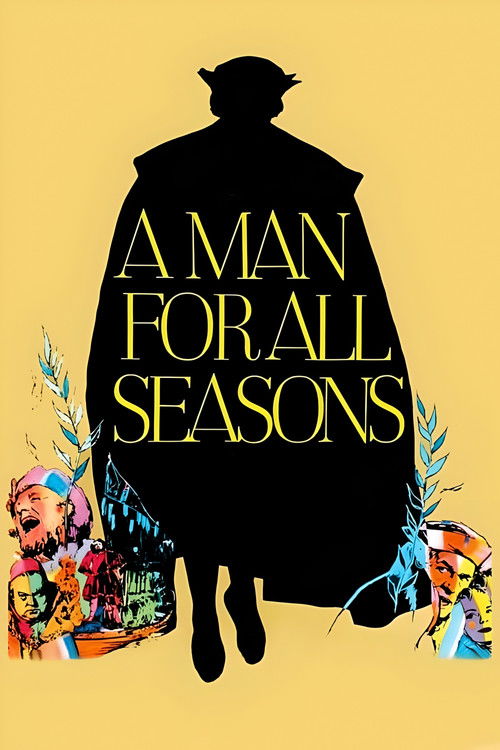
A Man for All Seasons1966
Thomas More's collision with Henry over the very divorce that starts this whole saga, told as a taut, Oscar-winning moral drama.
But Focused entirely on conscience and law rather than romance or intrigue — cerebral, not lurid.
Anne of the Thousand Days1969no page yet
A film from almost the same year, covering the same Anne Boleyn story with Richard Burton as a magnetic, dangerous Henry.
But Compresses years into two hours, so the slow dread of the series gets traded for momentum.
The Other Boleyn Girl2008no page yet
Anne Boleyn's story again, this time through her sister's eyes — sisterly rivalry as court politics, briskly and glamorously done.
But Plays fast and loose with history for melodrama; not for purists after the 1970 series' careful research.
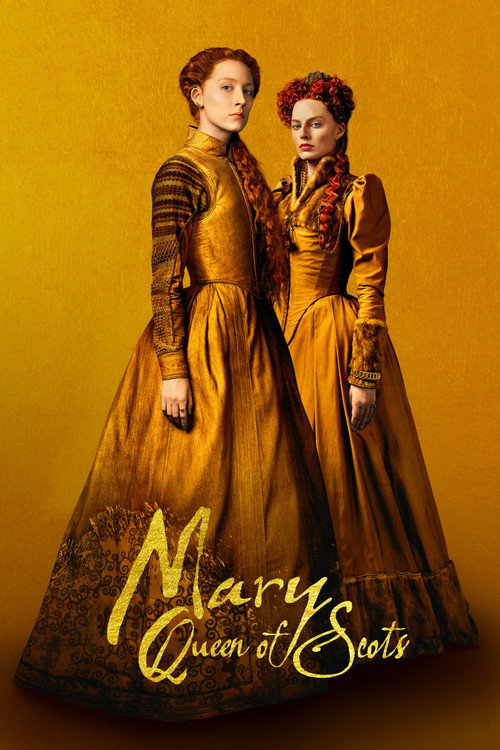
Mary Queen of Scots2018
A later Tudor cousin's story — another queen crushed between marriage, faith and power, with the same appetite for court cruelty.
But Different monarch, different century's problems; the Henry connection is thematic rather than direct.
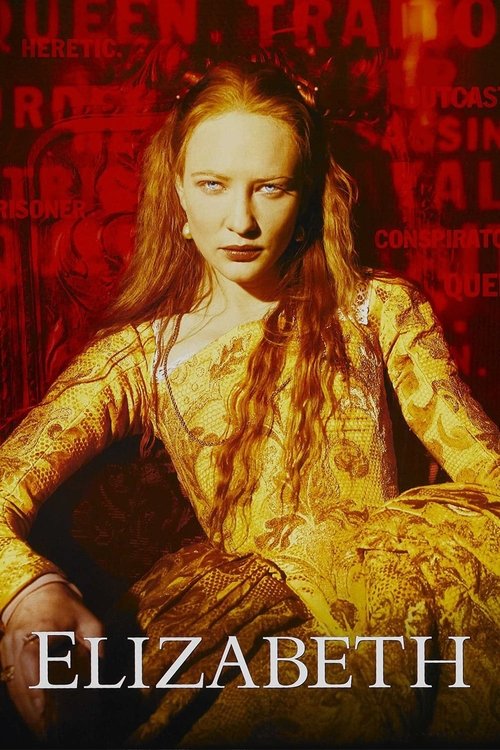
Elizabeth1998
Watch what Henry's daughter became: a young queen learning, brutally fast, that survival means becoming as ruthless as her father.
But Cate Blanchett's Elizabeth is a different creature entirely — sleeker, more cinematic, less patient with dialogue.
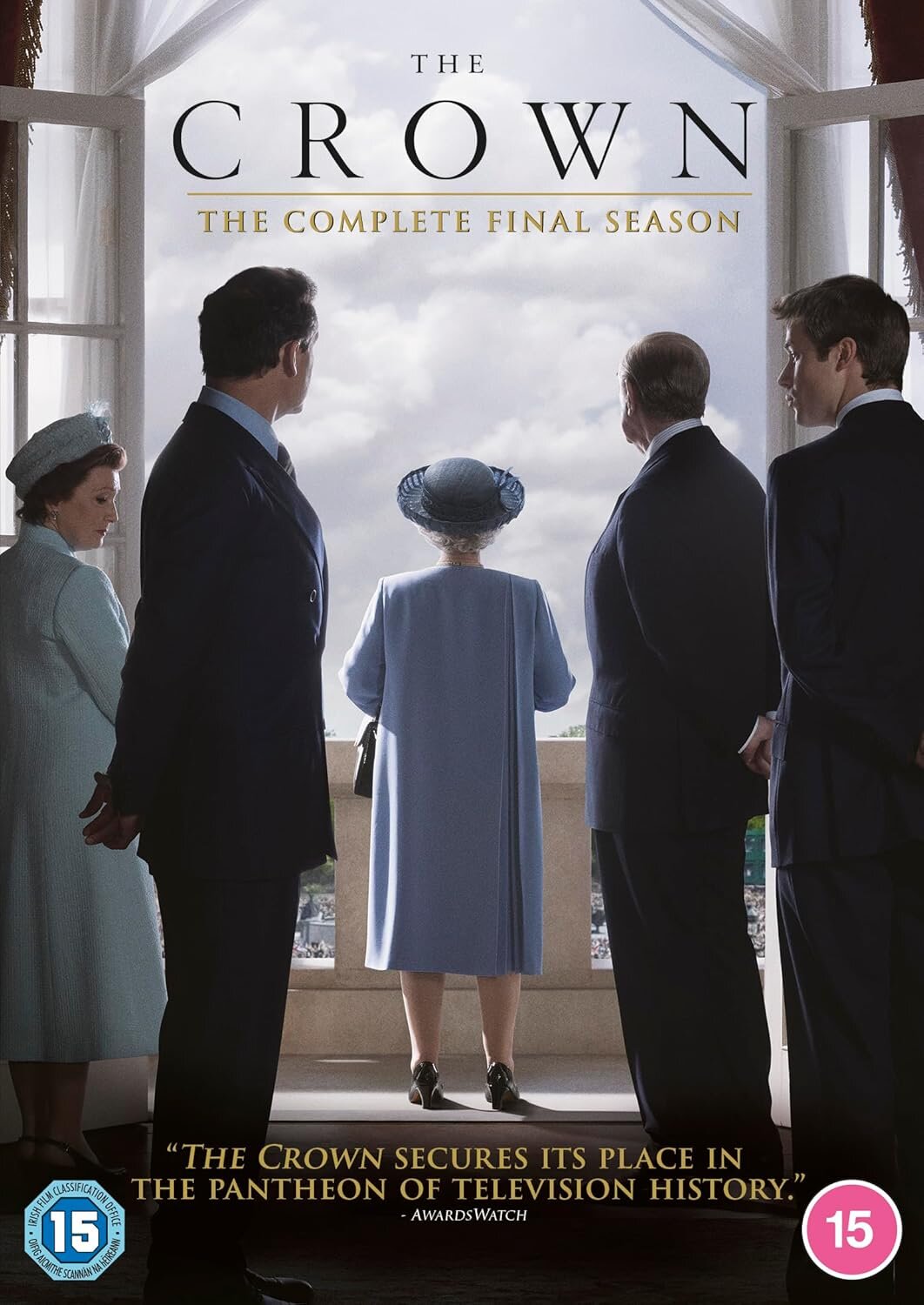
The Crown2016
A modern monarchy studied reign by reign, marriage by marriage, with the same interest in how institutions eat the people inside them.
But Twentieth-century restraint instead of Tudor blood and beheadings — a much cooler, more procedural kind of drama.
The Private Life of Henry VIII1933no page yet
The same king, the same wives, filmed nearly forty years earlier by a very different Britain — proof this story has always been rewritten to fit its moment.
Charles Laughton's Oscar-winning Henry, decades before Keith Michell's, played as a bawdy, greedy, very funny old glutton rather than a tragic monster.
But Openly comic and cheerfully inaccurate — treats the marriages as farce, not the grave moral reckoning the series gives them.
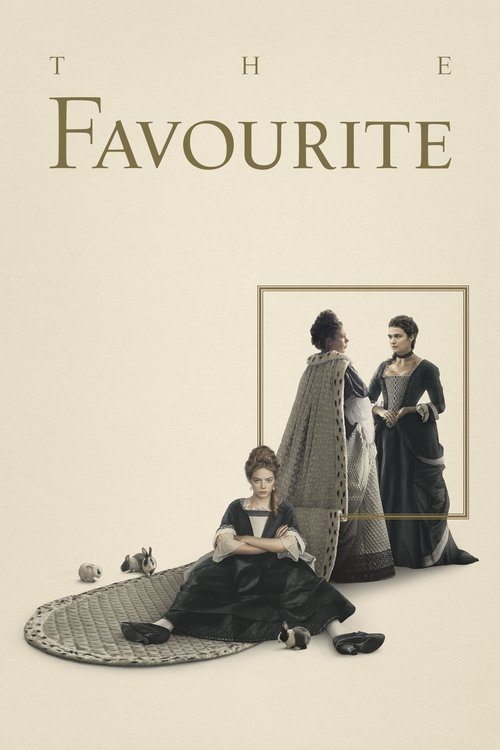
The Favourite2018
Swaps Henry's wives for Queen Anne's favourites but keeps the same engine: women fighting for a ruler's attention as the only form of power available to them.
Another English court, another monarch surrounded by women scheming for survival and affection — but filthy, funny and shot like a fever dream.
But Queen Anne, not Henry, and two centuries later — the connection is structural, not historical, and the tone is savage comedy throughout.