
Film
Jim Henson Idea Man
Ron Howard's documentary mines Jim Henson's personal archives to sketch a portrait of the puppeteer-creator as a driven, methodical artist—less the gentle genius of legend and more a restless problem-solver obsessed with innovation. It's a vivid, affectionate biography that treats its subject as a working inventor rather than a folk hero. For anyone who grew up with Muppets or cares how things get made.
Should you watch it?
Watch it if you love documentaries that open a creator's sketchbooks and let the work itself, puppets, doodles and home movies alike, carry the emotional weight of a life spent making things.
Skip it if you want a tight, punchy portrait; this one lingers over archive material and interviews with a patient, unhurried rhythm that some viewers will find slow going.
What it asks of you: Roughly an hour and three-quarters of attentive, mostly gentle viewing, moving between playful showreel moments and quieter reflection on a restless, private figure.
Not sure? Find tonight's pick in a minute.
If you liked this
Won't You Be My Neighbor?2018
Morgan Neville's portrait of Fred Rogers mines archival footage and interviews to reveal the man behind the cardigan. Like Henson, Rogers was a visionary who understood children's media could teach and move. The parallel is illuminating.
But It's reverent to the point of uncritical. You won't find much tension or complexity—Rogers comes across as almost implausibly kind.

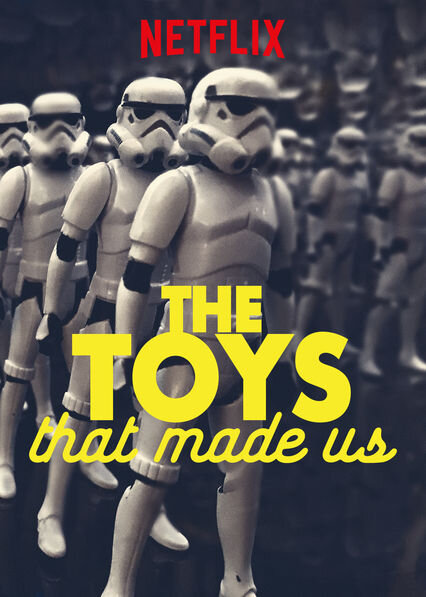
The Toys That Made Us2017
Each episode traces the creation of an iconic toy line through interviews, clips, and behind-the-scenes footage. Henson's work gets the same documentary treatment here: a deep dive into the obsession, collaboration, and happy accidents that birth something beloved.
But The format is episodic and sometimes shallow. You're watching Netflix comfort food, not investigative journalism.
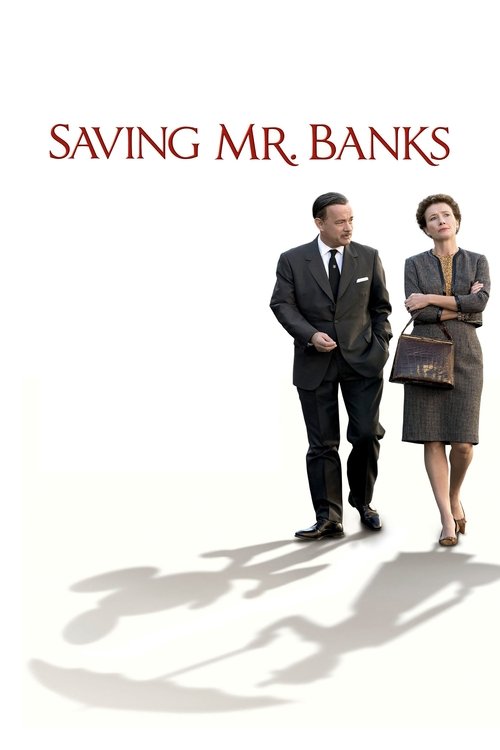
Saving Mr. Banks2013
Tom Hanks plays Walt Disney, and the film dramatizes the years-long negotiation to bring Mary Poppins to screen. It captures the same thing Henson Idea Man does: the friction between an artist's vision and the machinery required to realize it.
But It's a prestige drama, not documentary truth. The film takes narrative liberties that obscure what actually happened.
Not sure tonight? Get a pick in a minute, starting from Jim Henson Idea Man
The wildcard
Something you would not have found on your own.
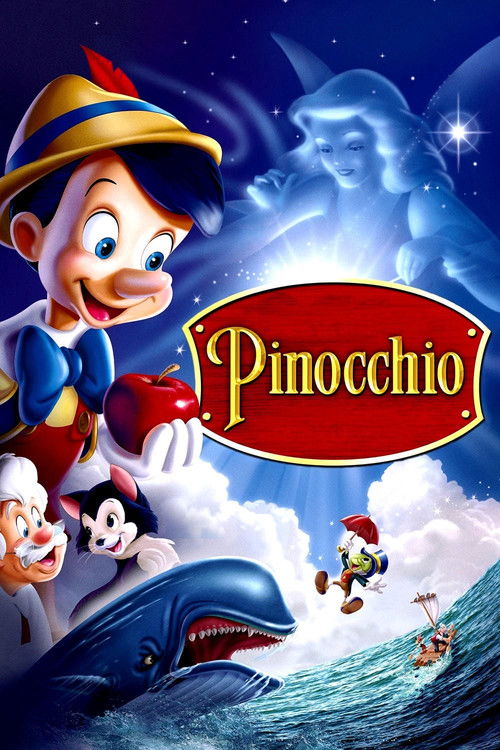
Pinocchio1940
Both artists made us believe that something constructed, not born, could have a soul. Henson watched Pinocchio; the influence runs deeper than puppet technique into the philosophical question of what makes something alive.
Disney's animated puppet becoming real mirrors Henson's entire project: bringing inanimate objects to life through technique and storytelling. Both artists understood that puppets—wood or foam—carry profound emotional weight precisely because they're artificial. The film is hypnotic.
But It's predates Henson by three decades and uses a completely different medium. The connection is thematic, not chronological, and requires you to think across forms.
More like this (6)
Muppet Guys Talking: Secrets Behind the Show the Whole World Watched2017
Frank Oz, Dave Goelz, and other puppeteers sit together and recall working under Henson. It's the same cast talking directly to camera rather than through Ron Howard's lens—rawer, funnier, and often more revealing about daily creative work.
But It's a pandemic-era Zoom conversation filmed in a single room. The technical limitations show, and without Howard's narrative architecture, it can feel formless.
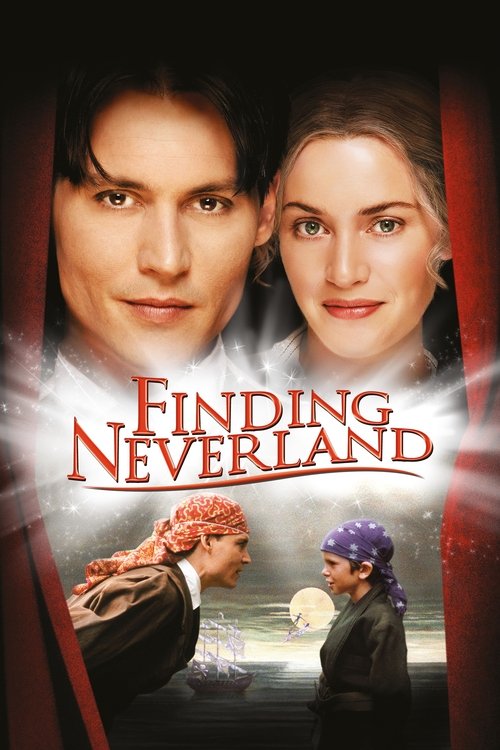
Finding Neverland2004
Johnny Depp as J.M. Barrie, creating Peter Pan. Another film about the collision between imagination and commercial pressure, between the artist and the world that wants to exploit his gifts.
But It's sentimental and prettified. The film mistakes wistfulness for depth.
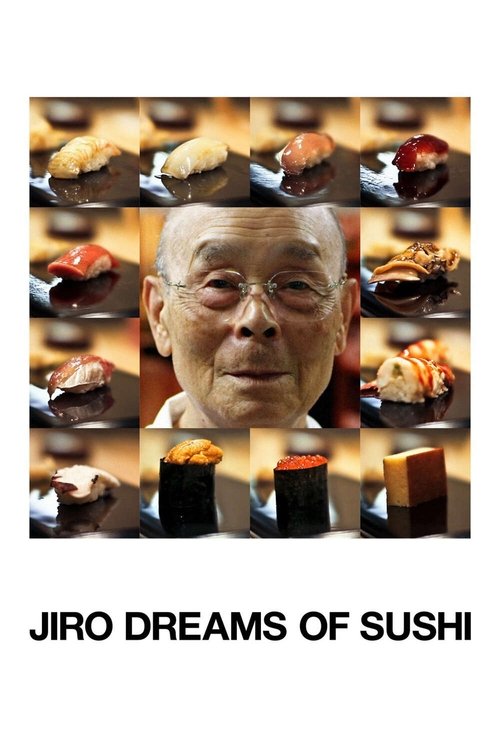
Jiro Dreams of Sushi2011
A meditative portrait of an aging master craftsman perfecting his art across decades. Like Henson, Jiro sees his work as a lifelong pursuit toward an impossible standard. The obsession is the story.
But It moves very slowly and asks almost nothing of its subject. Quiet reverence can feel like avoidance of difficult questions.
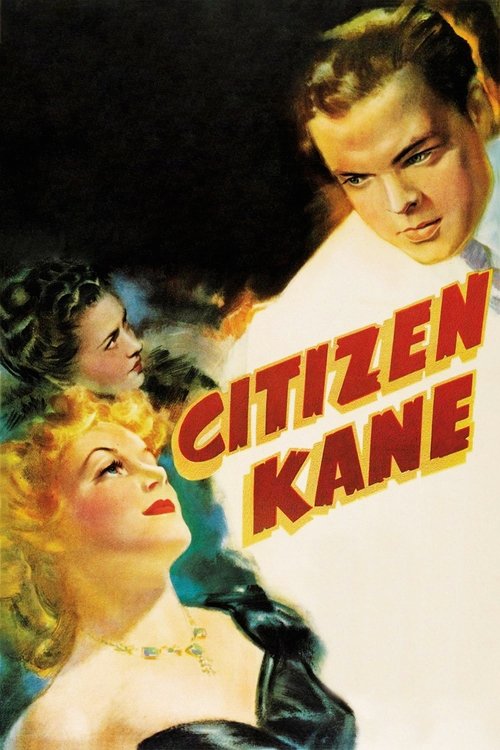
Citizen Kane1941
Orson Welles's dramatization of a media mogul traces how vision and ego shape an empire. It's the ancestor of every documentary about artistic ambition and its costs. Essential viewing to understand what comes after.
But It's a 1941 film shot in black and white. If you need contemporary pacing and color, this will test you.
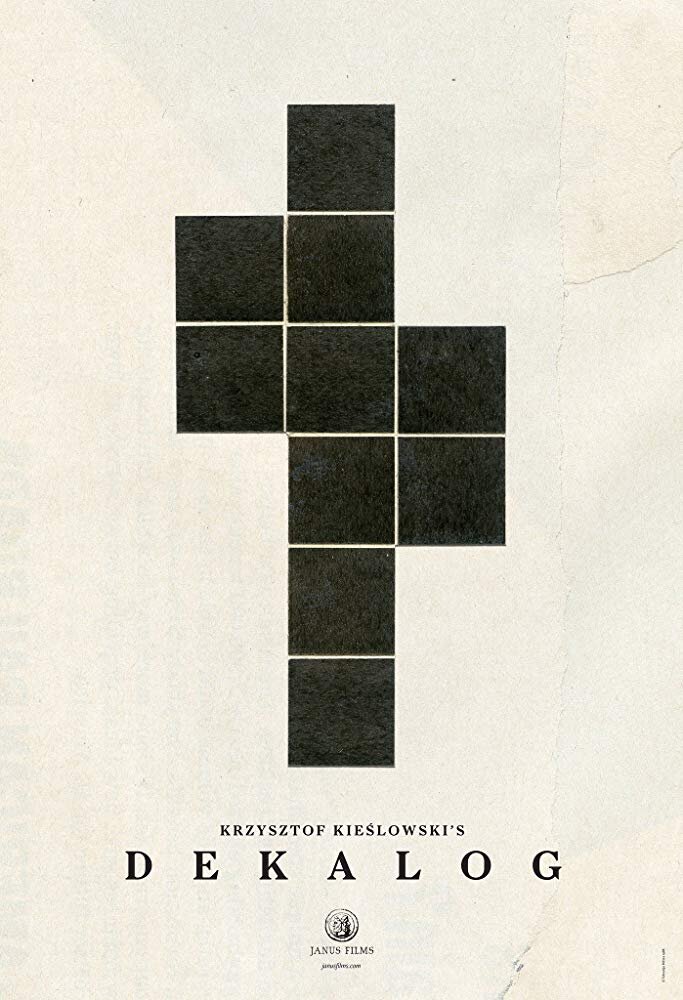
Dekalog1989
Both are visionary creators who understood that an imagined world—puppet-based or narrative-based—requires a governing logic and internal consistency to feel real. Both trusted their audience to track complexity.
Kieslowski's ten-part series explores the Ten Commandments through interweaving stories in a Warsaw apartment block. It's formally inventive, patient, and treats each episode as both self-contained and part of a larger architecture. Henson worked the same way—modular pieces that create a world.
But It's a Polish drama from the 1980s, philosophically dense and linguistically distant. There's no whimsy here, and patience is mandatory.
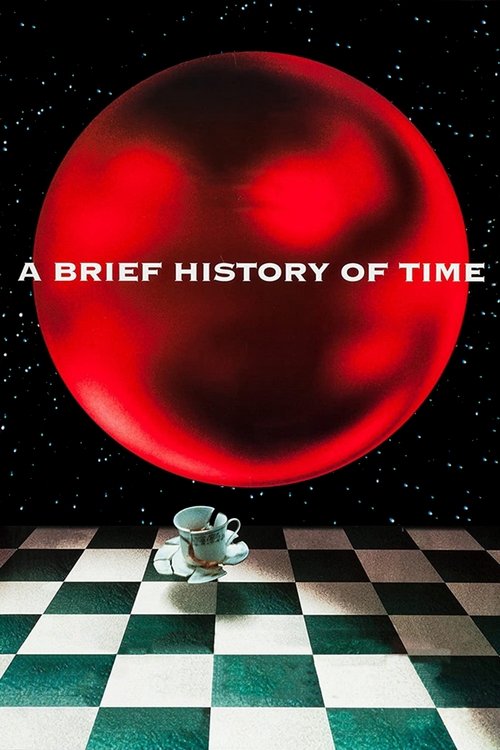
A Brief History of Time1991
Both Henson and Hawking were artists of explanation: finding the form—puppet, animation, metaphor—that allows others to see what they see. Morris understands that documentary can capture the texture of thought itself.
Errol Morris films Stephen Hawking explaining cosmology. It's a documentary about an idea man—not an entertainer, but someone explaining the universe through language and visual metaphor. The film shows how genius communicates, which is what Henson Idea Man really documents.
But It's abstract and mathematical, with long passages about physics. No puppets, no spectacle—just a brilliant person trying to make the incomprehensible graspable.
People
Cast
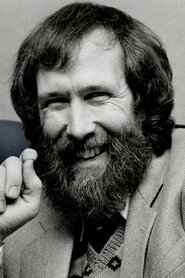 Jim HensonSelf (archive footage)
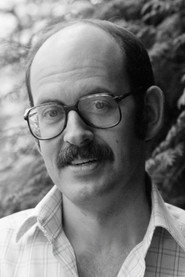 Frank OzSelf
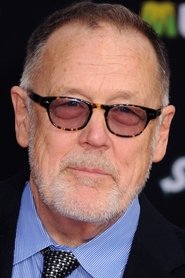 Dave GoelzSelf
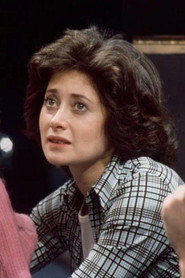 Fran BrillSelf
 Rita MorenoSelf
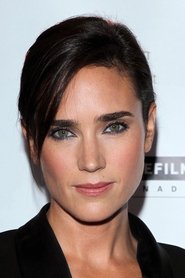
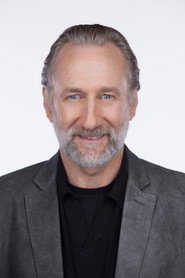 Brian HensonSelf
 Lisa HensonSelf
 Alex RockwellSelf
 Heather HensonSelf
 Cheryl HensonSelf
 Bonnie EricksonSelf
Directing
- Ron HowardDirector
Writing
- Mark MonroeWriter
Production
- Meredith KaulfersExecutive Producer
- Michael RosenbergExecutive Producer
- Paul CrowderExecutive Producer
- Brian GrazerProducer
- Christopher St. JohnProducer
- Justin WilkesProducer
- Margaret BoddeProducer
- Mark MonroeProducer
- Ron HowardProducer
- Sara BernsteinProducer