
Film
The Orson Welles Show
An unreleased 1979 talk-show pilot where Orson Welles interviews celebrities and performs magic tricks, moving restlessly between segments with the energy of someone inventing television as he goes. It's a window into Welles at sixty-three—still magnetic, still brilliant, but unfiltered and occasionally mercurial. For anyone fascinated by Welles, or by the weird experiments that didn't make it to air.
Should you watch it?
Watch it if you have a soft spot for loose, improvised variety hours where a showman's patter and magic tricks count for more than polish, and Muppets trading jokes with a grand old host sounds like delight.
Skip it if you want a tight, fast-moving show, since this unsold pilot wanders between chat, audience bits and magic without much urgency.
What it asks of you: Roughly seventy-four minutes, shaped as a stage-bound pilot, with the pace of a live rehearsal rather than a polished broadcast.
Not sure? Find tonight's pick in a minute.
If you liked this
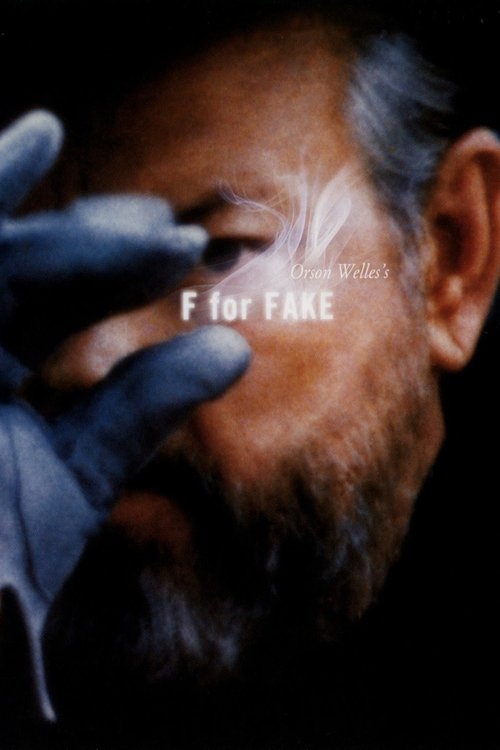
F for Fake1973
Welles at his most playful and digressive, playing with documentary form and the nature of truth. It's a magic trick disguised as a film, and the closest thing to his energy in this pilot.
But Deliberately shapeless and evasive. If you want a conventional narrative, this will frustrate you.
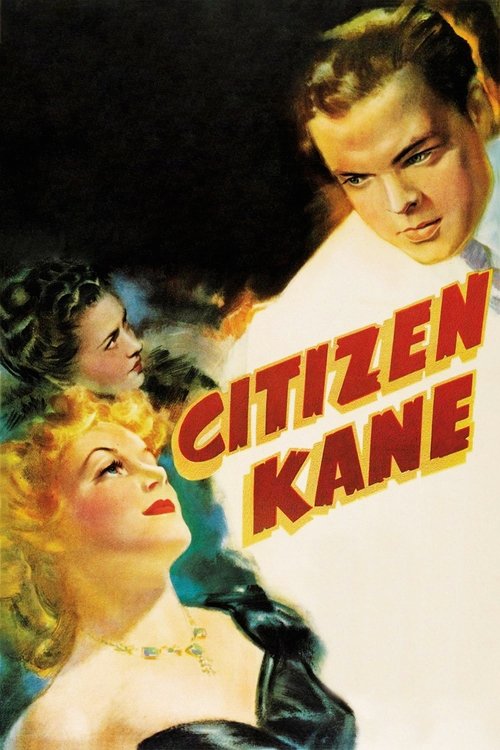
Citizen Kane1941
The baseline for understanding Welles: his visual genius, his command of space and sound, and why he mattered enough that networks wanted him hosting shows. The foundation for everything else.
But It's a classic, which means you might expect it to feel stodgy. It doesn't, but the reputation can get in the way.
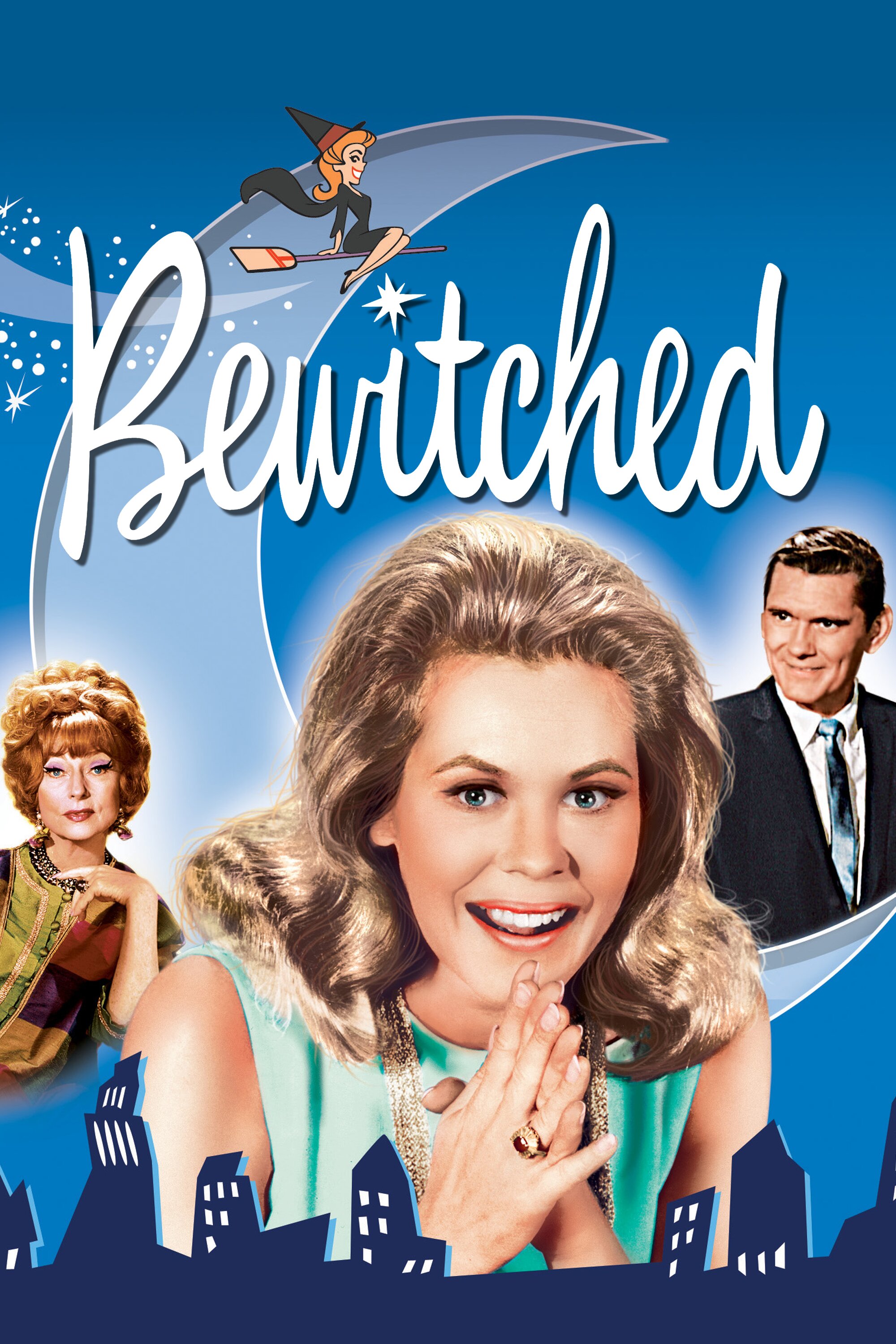
Bewitched1964
A contemporary example of episodic television where magic (literal and metaphorical) is the engine, and where Welles's own magic performances would have fit perfectly. It shows what his variety instincts were up against.
But The sitcom formula is rigid. It's pleasant, not revelatory.
Not sure tonight? Get a pick in a minute, starting from The Orson Welles Show
The wildcard
Something you would not have found on your own.
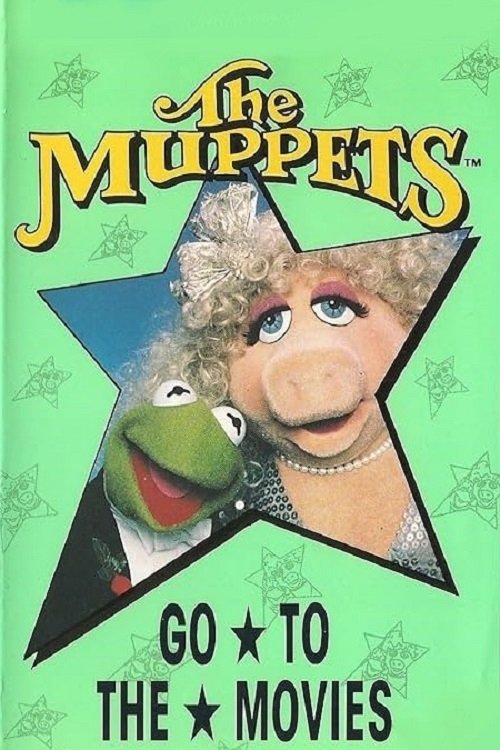
The Muppets Go to the Movies1981
Same performers, same era, same fascination with the unstable border between live performance and television spectacle—but Henson understood how to make it *work* for cameras.
A variety special filmed just after Welles's pilot, with Jim Henson's Muppets (who appear here too) doing comedy sketches and interviewing the same generation of celebrities. It's what a Welles-style show might have actually looked like if he'd had Henson's collaborative instinct instead of his solipsistic one.
But Painfully eighties in its production values. Very wholesome, which might feel cloying.
More like this (5)
The Mary Tyler Moore Show1970
The gold standard of what American television comedy could be in 1979—smart, generous, alive. Welles's pilot is reaching for this level of craft, even if his hand was less steady by then.
But Suburban and square by design. If you're watching for edge, you're in the wrong place.
Network1976
A scathing satire about television's hunger for spectacle and personality cults. Welles's pilot—an unreleased experiment by a legendary director—is almost a real-world example of what Chayefsky was satirizing.
But Heavy-handed at times. The anger can feel preachy rather than funny.
The Tonight Show Starring Johnny Carson1962
A documentary about the talk-show format that owned the 1970s and 1980s, with real footage of how these shows were constructed. Essential context for understanding what Welles was trying to do.
But Nostalgic and a bit reverent. It doesn't interrogate why talk shows mattered beyond saying they did.
My Dinner with Andre1981
Welles was drawn to interview as a form because he loved ideas colliding; this film does exactly that, but with the intimacy and time he rarely got.
Two men sit at a table and talk for ninety minutes about theater, life, and ideas. It's a talk show distilled to its essence—all interview, no production, just two brilliant people wrestling with questions. Pure conversation as entertainment.
But There is literally nothing else happening. If you're not fascinated by ideas or the people thinking them, you'll be bored inside ten minutes.
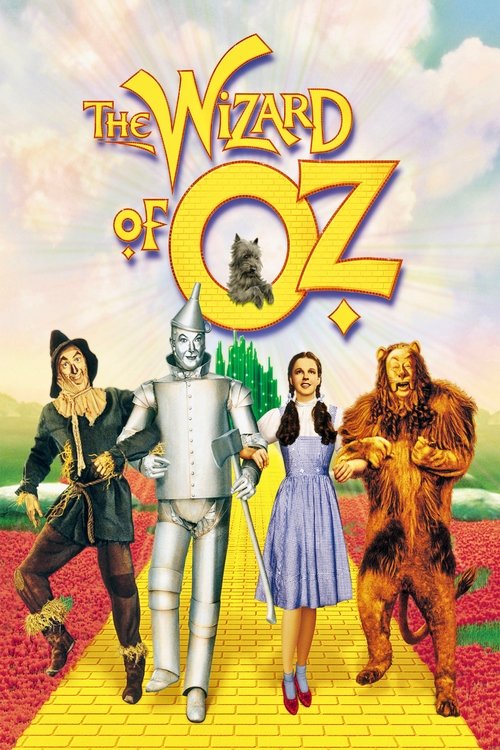
The Wizard of Oz1939
Both Welles and *Wizard* believed in the power of showmanship and misdirection; Welles spent his career trying to bottle that feeling for grown-ups, with less success than he hoped.
A masterpiece of early television-ready spectacle—variety acts, magic, costume changes, rapid-fire entertainment. Welles grew up devouring this kind of show-business energy. It's the fantasy of what he wanted his TV pilot to feel like.
But Sacrosanct and overfamiliar. Everyone's seen it, which can make it hard to watch fresh.
People
Cast
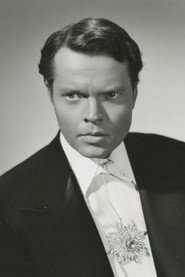 Orson WellesSelf
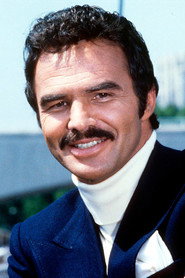 Burt ReynoldsSelf
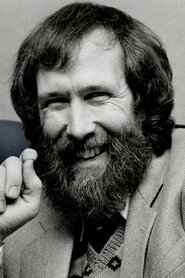 Jim HensonSelf / Kermit the Frog (voice)
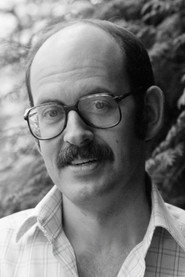 Frank OzSelf / Fozzie Bear / Animal / Sam Eagle (voice)
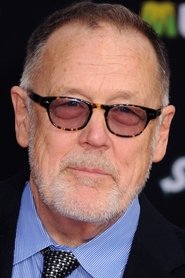 Dave GoelzGonzo (voice)
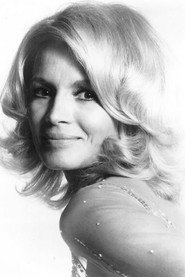 Angie DickinsonSelf
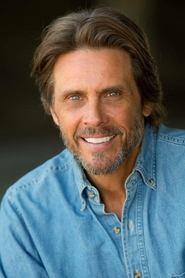 Shawn StevensSelf
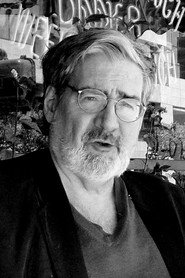 Joseph McBrideMember of Studio Audience
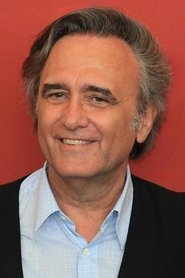 Joe DanteMember of Studio Audience
- Allen BrackenRobert the Assistant
- Bob GreenbergGypsy Clarinetist
- Michael PartGypsy Concertinist
Directing
- Orson WellesDirector
- Stanley SheffDirector
Writing
- Orson WellesWriter