
Film
Hope Gap
A woman in her sixties sees her 29-year marriage collapse when her husband abandons her for someone else. Annette Bening brings shattering vulnerability to Grace's journey through shock, fury, and gradual reconstruction, set against the English coast. It's a film about the specific ache of middle-aged betrayal, and about finding out who you are when the life you built gets taken apart.
Should you watch it?
Watch it if you like quiet, wordy domestic dramas where a marriage's cracks show up in small, cutting exchanges between two strong actors rather than in plot machinery.
Skip it if the pace is gentle to the point of stillness and the feelings are spelled out, so anyone wanting momentum or surprise will grow restless.
What it asks of you: a patient, unhurried hundred minutes that lives in long pauses and small domestic silences, and keeps its melancholy close without much lightness to break it.
Not sure? Find tonight's pick in a minute.
If you liked this
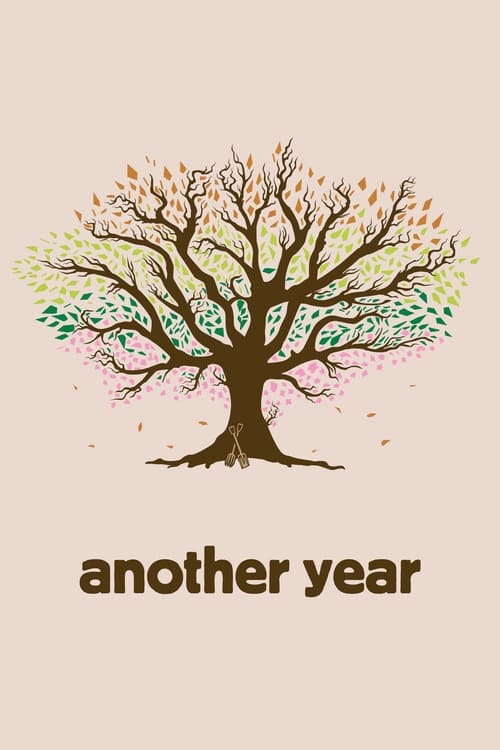
Another Year2010
Mike Leigh's portrait of a marriage destroyed by infidelity, told with the same unflinching attention to how ordinary people fall apart. Bittersweet, cruel, and absolutely true to how these things actually feel.
But It's relentlessly bleak. There's no cathartic moment where anyone learns anything. Some find that brutal rather than honest.
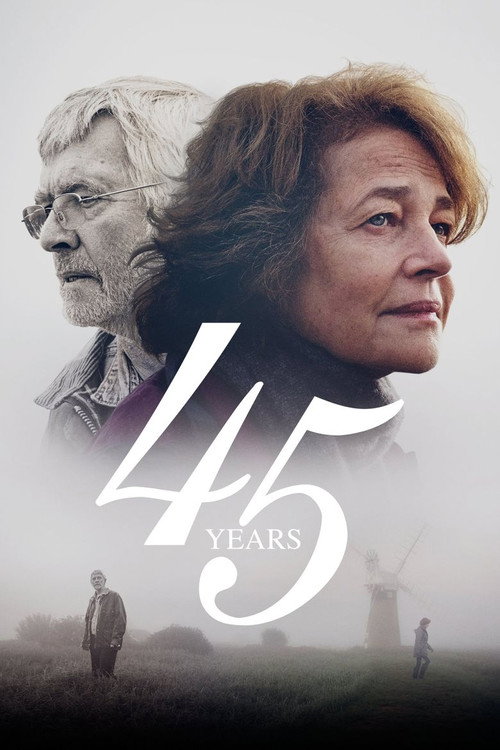
45 Years2015
A wife learns her husband has kept a 50-year-old secret days before their anniversary. Charlotte Rampling is extraordinary, and it catches the particular terror of realising you never knew someone at all, even after decades.
But Almost entirely conversation in a living room. If you need plot momentum, this will feel like watching someone slowly suffocate.
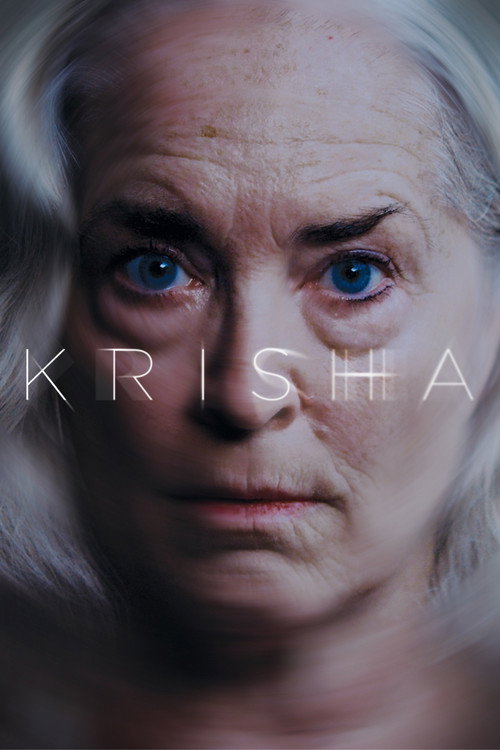
Krisha2016
Ari Aster's debut about a family fractured by addiction and unmet expectations. Raw, handheld, and deeply felt—watching someone you love disappoint you repeatedly while you're powerless to help. Heartbreaking work.
But No professional actors, experimental structure, and it doesn't offer easy comfort. Genuinely difficult to sit with.
Not sure tonight? Get a pick in a minute, starting from Hope Gap
The wildcard
Something you would not have found on your own.
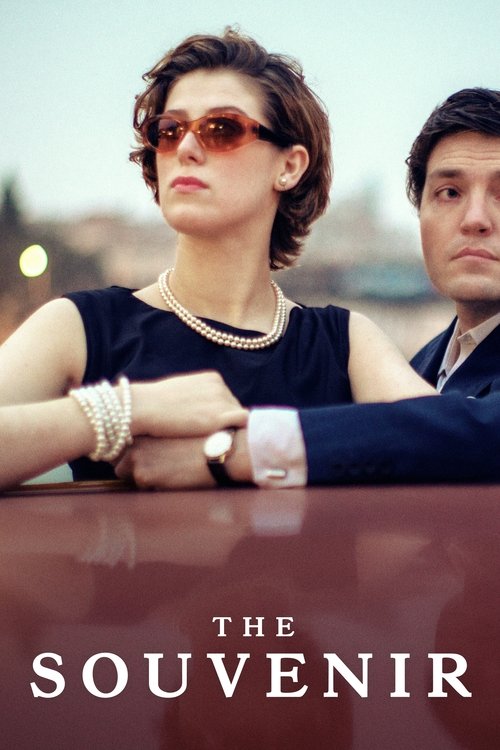
The Souvenir2019
Both are about women discovering that someone they committed to was never who they thought. But where Hope Gap is about shattering recognition, The Souvenir is about slow, terrible understanding dawning. One is betrayal revealed; the other is betrayal recognised.
Honor Swinton Byrne plays a film student whose boyfriend—a man she loves—is also subtly controlling and emotionally withholding in ways she's only just learning to see. It's about the specific blindness of young love, and how someone can hurt you while you're still defending them.
But It's oblique and impressionistic—Joanna Hogg shows you fragments, not explanations. The boyfriend is never villainised, which some find morally murky. Experimental form will lose people immediately.
More like this (7)
Mank2020
A marriage in slow-motion collapse, seen through decades of compromise and growing distance. Fincher and Oldman create something elegiac about the life you tell yourself you wanted versus the one you actually have.
But It's more interested in ideas than plot. Three-plus hours. Some find the style (black-and-white, digressive) more interesting than the story itself.

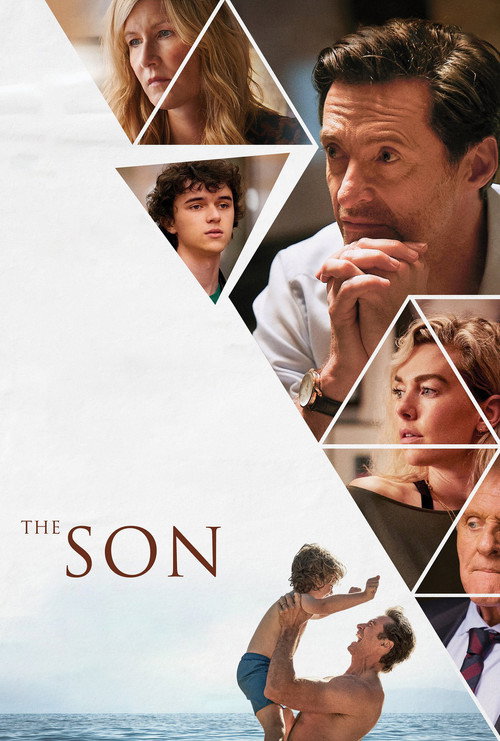
The Son2022
Hugh Jackman and Laura Dern as parents trying to hold their fractured family together while a son spirals. Grounded, observant, and genuinely painful—about how love isn't always enough to save someone you care about.
But Relentlessly sad without offering resolution. It ends where it begins, which some experience as honest and others as pointless.
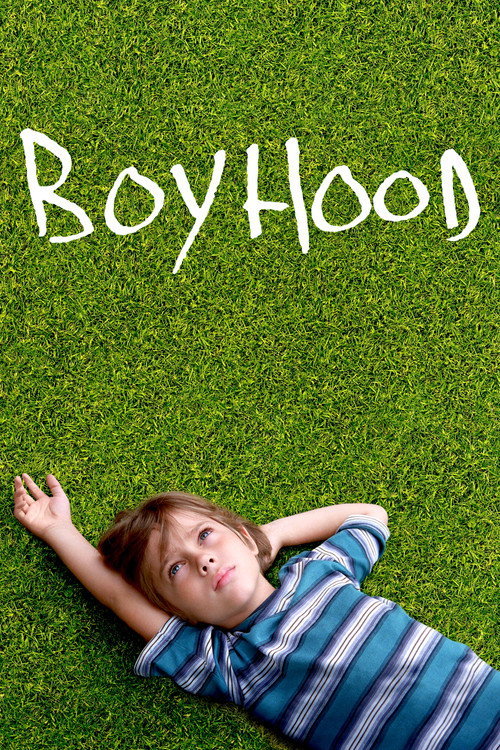
Boyhood2014
Twelve years of a family's life, told as it happened. Linklater's experiment means you actually feel time passing. The accumulation of small disappointments, small joys—a genuine portrait of how people change and sometimes drift apart.
But It's three hours of people talking. If you want traditional narrative propulsion, this will feel glacial and pointless.
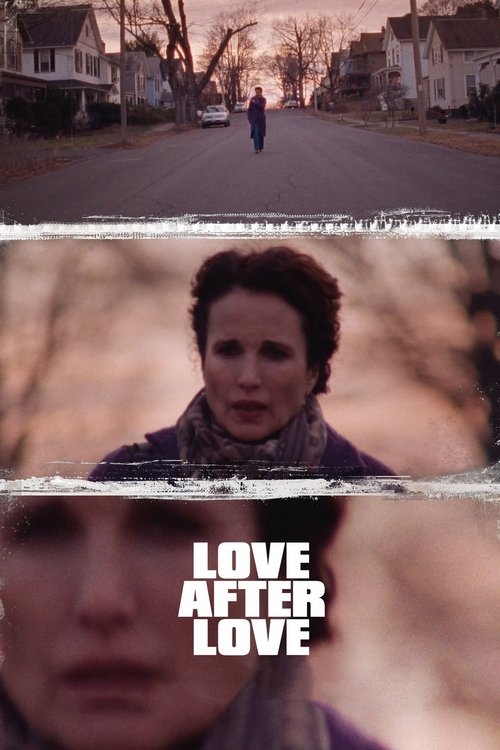
Love After Love2018
A Portuguese widow confronts her husband's infidelity after his death, through the eyes of their adult daughter. Quiet, dignified, and about the specific pain of loss compounded by betrayal when you can't ever have the conversation.
But Slow and contemplative in a way that rewards patience but punishes distraction. It's understated to the point where some won't feel much at all.
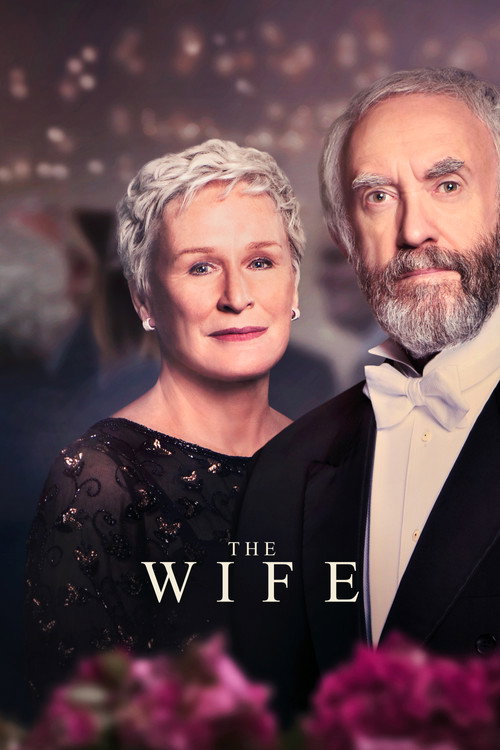
The Wife2017
Glenn Close is a woman who's spent 40 years in her husband's shadow, and the film slowly reveals the cost. It's about anger, resentment, and the woman who does the work nobody sees. Close is magnificent.
But The twist is fairly obvious if you're paying attention. Some find the script a little on-the-nose about its own themes, hammering points that would work better left unsaid.
Stalker1979
Both films are about people confronting what they actually want versus what they've built their lives around. Stalker approaches it as metaphysical mystery; Hope Gap as domestic devastation. But the emotional architecture is identical: the slow recognition that you've been chasing the wrong thing.
Tarkovsky's meditative science-fiction film about desire, meaning, and what we're actually searching for when we pursue happiness. A man guides two others through a mysterious zone toward a room that grants wishes. It's philosophical and hypnotic—about the distance between what we want and what we need.
But 163 minutes of long takes and philosophical digression. There is almost no conventional plot. Many find it pretentious or impenetrably slow; watching it requires patience as an active choice.

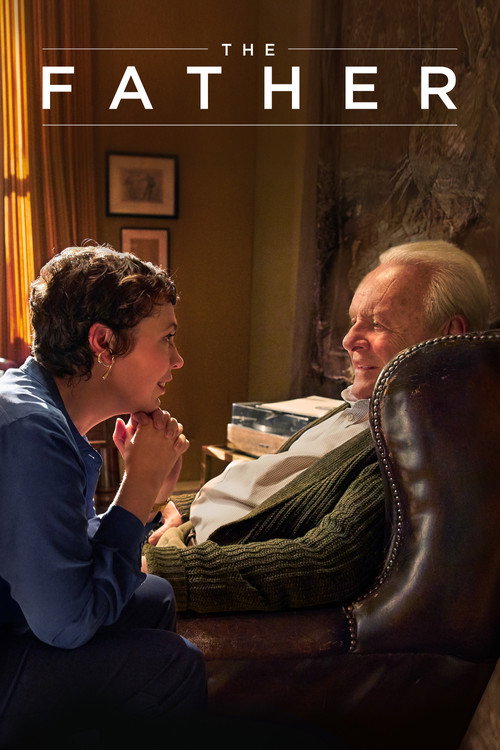
The Father2020
Hope Gap shows a world falling apart from betrayal; The Father shows a world falling apart from neurological decay. Both trap their protagonists in situations where they can't quite understand what's happening to them, and both are about the particular loneliness of that incomprehension.
Anthony Hopkins as a man losing his mind to dementia, and the film itself fractures to show you his perspective—time collapses, people change, nothing makes sense. It's claustrophobic and disorienting, and it captures something true about how reality becomes unreliable.
But The technique (deliberately confusing editing, time jumps) is the point, but some experience it as gimmicky or exhausting rather than empathetic. If you need stable narrative, this will infuriate you.
People
Cast
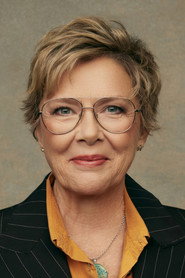 Annette BeningGrace
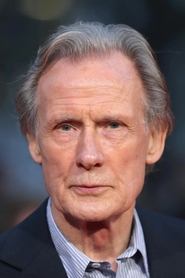 Bill NighyEdward
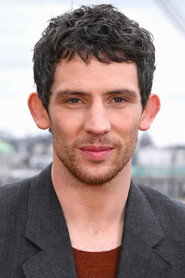 Josh O'ConnorJamie
 Aiysha HartJess
 Ryan McKenDev
- Joe CitroYoung Jamie
 Sally RogersAngela
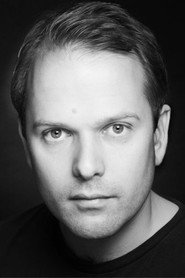 Nicholas BurnsGary
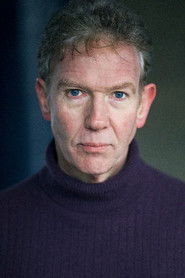 Steven PaceyPeter Widdecombe
 Derren LittenFriendline Man
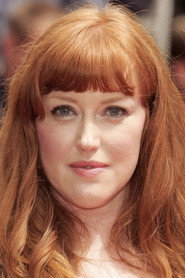 Rose KeeganReceptionist
 Finn BennettRobbie
Directing
- William NicholsonDirector
- Thomas BassettFirst Assistant Director
- Sharon RangerScript Supervisor
- Chris MarshallSecond Assistant Director
- Amber Tordoff-GibsonThird Assistant Director
Writing
- William NicholsonScreenplay
Production
- Edward NewmanAssistant Accountant
- Andrew HenstockAssistant Location Manager
- Alex GordonAssociate Producer
- Finnian TweedCasting Assistant
- Sonia AllamCasting Associate
- Gary DavyCasting Director
- Joanie BlaikieCo-Producer
- Alex TateExecutive Producer
- Arno HazebroekExecutive Producer
- Christos MichaelsExecutive Producer
- Gavin PoolmanExecutive Producer
- Hugo HeppellExecutive Producer
- Matthew BarnesExecutive Producer
- Nicolas D. SampsonExecutive Producer
- Norman MerryExecutive Producer
- Peter GouldExecutive Producer
- Peter HampdenExecutive Producer
- Karl HallLine Producer
- Nardia HallLocation Manager
- Martin AinscoughPayroll Accountant
- Polly WilbyPost Production Accountant
- Tarn HarperPost Production Accountant
- David M. ThompsonProducer
- Sarada McDermottProducer
- Jo WildingProducer's Assistant
- Ben ArslanianProduction Accountant
- Rory HathawayProduction Assistant
- Theo MacdonaldProduction Assistant
- Lucy Eaton-WhitfieldProduction Coordinator
- Eleanore CarrUnit Manager
- Kirsten StoddartUnit Production Manager