
Television series
Hollywood
Ryan Murphy's fantasy of Old Hollywood remade by the people Hollywood excluded. Ten episodes of gorgeous, shameless wish-fulfillment where ambition, talent and ruthlessness meet systemic injustice. It's *Singin' in the Rain* colliding with a history textbook. Sweeping, melodramatic, occasionally clumsy, unapologetically queer. For anyone who loves golden-age cinema and has wondered what the story would look like from the other side.
Should you watch it?
Watch it if you love lavishly styled backstage melodrama, where ambition and moral compromise are tangled up with glamour, and you don't mind a series happy to rewrite history with a hopeful wink.
Skip it if you want a tight, grounded period drama, since this is glossy, fast-talking fantasy that prizes sheen over substance and can feel more like a fizzy dream than a reckoning.
What it asks of you: Seven episodes of roughly fifty minutes each, so it moves in brisk, bingeable bursts, with a lot of plates spinning at once and little patience for quiet stretches.
Not sure? Find tonight's pick in a minute.
If you liked this
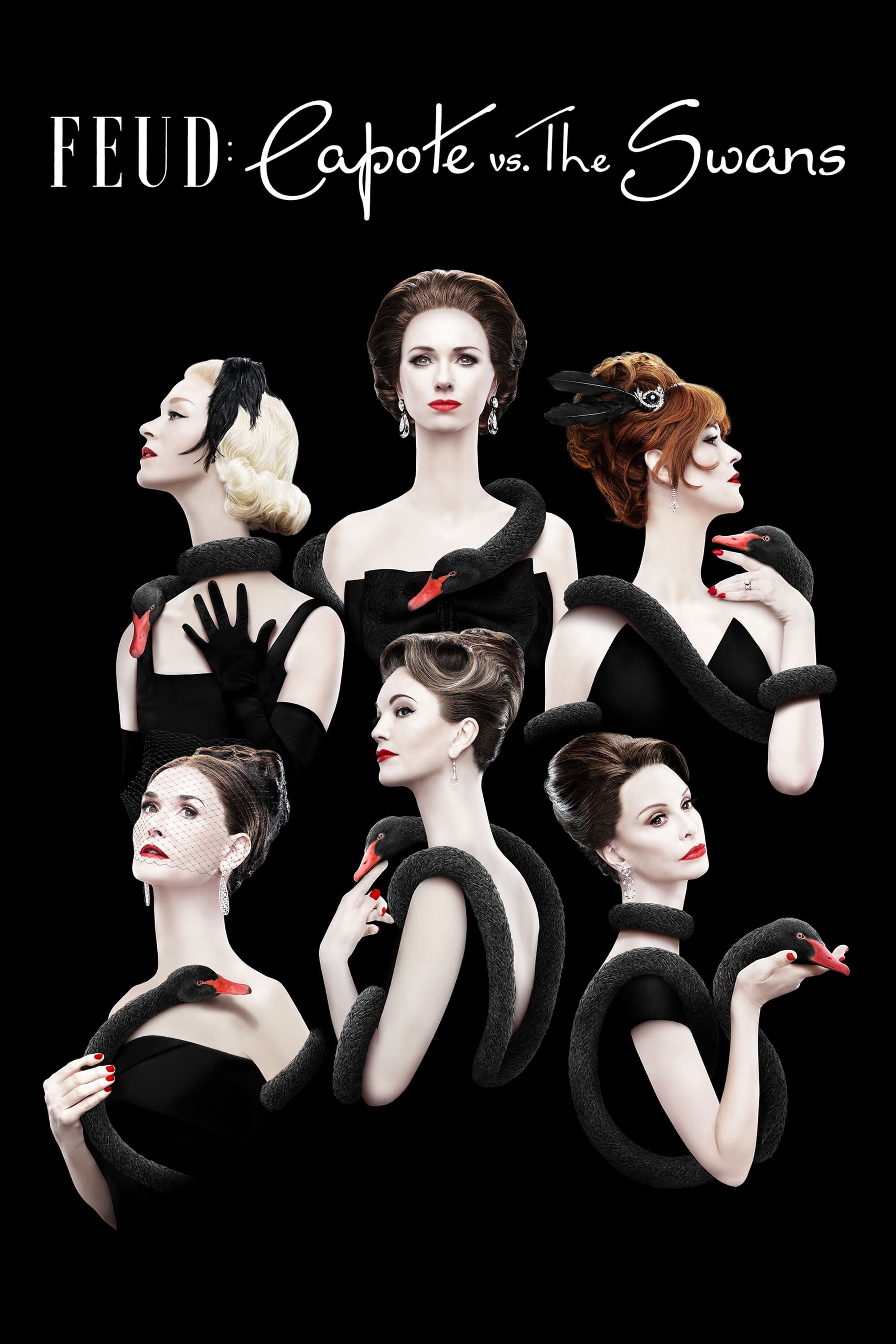
Feud2017
Rivals tearing each other apart in Hollywood's ecosystem, with the same baroque dialogue and exquisite cruelty. Ryan Murphy made this too—it's him doing *Mommie Dearest* as television, and the performances are volcanic.
But Slower and more claustrophobic than *Hollywood*. Less stylish, more psychologically brutal. If you want sweep and optimism, this will feel like a locked room.
Dreamgirls2006
Ambition, talent, betrayal, and the machinery that grinds people up. Jamie Foxx and Beyoncé at their peaks, and the film understands that show business dreams are built on blood. Same moral universe as *Hollywood*.
But Musical theater energy, not contemporary. The emotional beats are big and sometimes obvious. If subtlety is what you want, this swings for the fences.
Once Upon a Time... in Hollywood2019
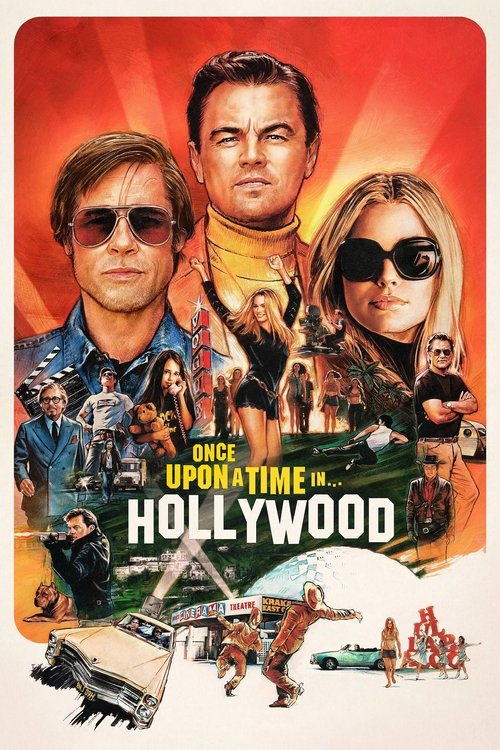
Tarantino's love letter to Old Hollywood, 1969. Gorgeous period detail, DiCaprio and Pitt in their element, a fantasy about what could have been. Complements *Hollywood*'s version of the dream—it's the movie *Hollywood* might have been made by someone else.
But Meandering and self-indulgent in the best and worst ways. Long, detours constantly, and the plot doesn't arrive where you think. If you need momentum, this tests patience.
Not sure tonight? Get a pick in a minute, starting from Hollywood
The wildcard
Something you would not have found on your own.
Contempt1963
Both are about artists trying to make work inside an industry that doesn't understand them. *Contempt* is the tragedy *Hollywood* fantasizes it can escape.
Godard's film-within-a-film about a marriage dissolving on a film set. It is *about* cinema itself—the gap between art and commerce, vision and money. Brigitte Bardot in sunglasses, gorgeous and doomed. The opposite of *Hollywood*'s optimism, but asking the same question: what is cinema for?
But Slow, philosophical, elliptical. Very 1960s French cinema—if you haven't seen Godard, this will feel remote and difficult. Not a plot movie.

More like this (8)
Mulholland Drive2001
Lynch's fever dream of Hollywood ambition, delusion and heartbreak. Brilliant, haunting, about the gap between who you are and who you pretend to be. Far more structurally adventurous than *Hollywood* and equally obsessed with reinvention.
But Deliberately obscure. You may need a second viewing to understand what happened. If you want clarity, this won't provide it.

The Marvelous Mrs. Maisel2017
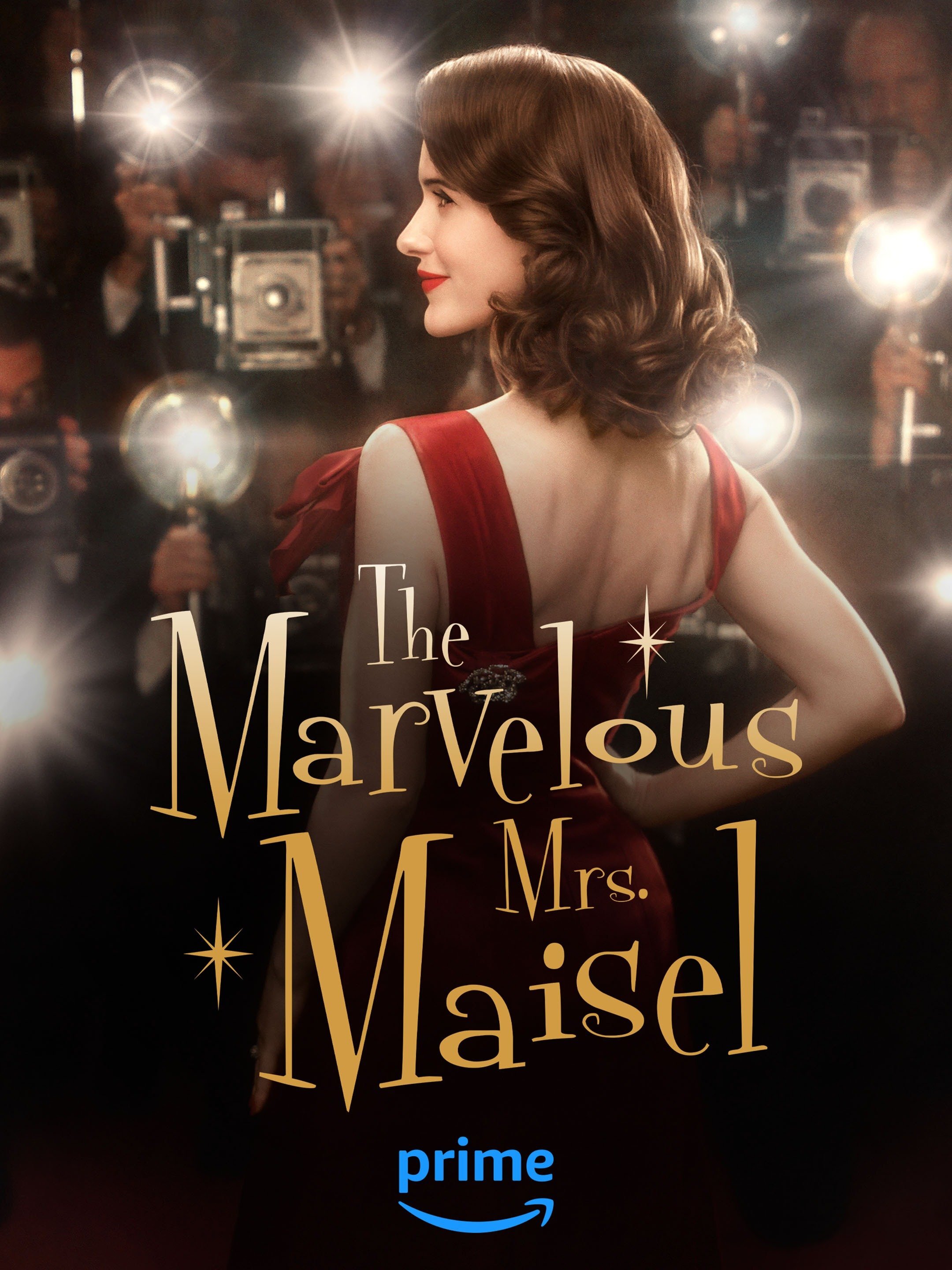
Postwar ambition and performance in a different register. Like *Hollywood*, it's luxuriant and fast-talking, obsessed with talent and reinvention. Amy Sherman-Palladino's world is densely plotted and gorgeously shot, and the central character's hunger mirrors *Hollywood*'s ensemble drive.
But Feels lighter and more comic than *Hollywood*, even when things darken. The protagonist gets more favorable treatment by narrative. If you want moral complexity, this is gentler.
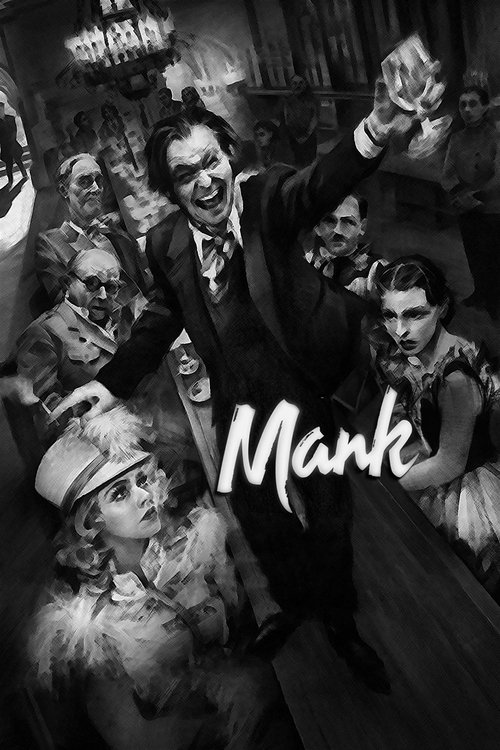
Mank2020
Fincher's own Old Hollywood obsession, about screenwriting and power. Black-and-white, steeped in period detail, about the people behind the camera. Complements *Hollywood* by taking the fantasy away and showing you the machine underneath.
But Deliberately stagy and artificial. Heavy on monologue and politics, light on plot momentum. If you want naturalism, this is deliberately theatrical.
American Crime Story2016
Murphy and Darren Criss again, but in a different key—obsession and celebrity that ends in murder. Same baroque style, same sensitivity to queer narrative, same willingness to make beauty and brutality coexist. A master class in how to tell a true story with style.
But Darker and more claustrophobic than *Hollywood*. Based on real events, so the fantasy is replaced by documented tragedy. Some viewers find it exploitative.

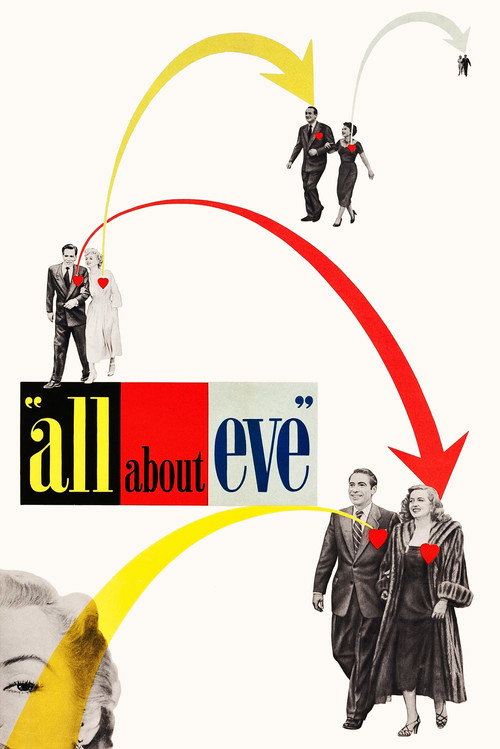
All About Eve1950
The ur-text of Hollywood ambition. Bette Davis and Anne Baxter in a cat-and-mouse game about talent, youth, and hunger for the spotlight. *Hollywood* is having a conversation with this film. If you want to see where the obsession began, this is it.
But Black-and-white, studio-bound, very much of its era. Mannered and theatrical by modern standards. If you need spectacle, this is confined and stage-like.
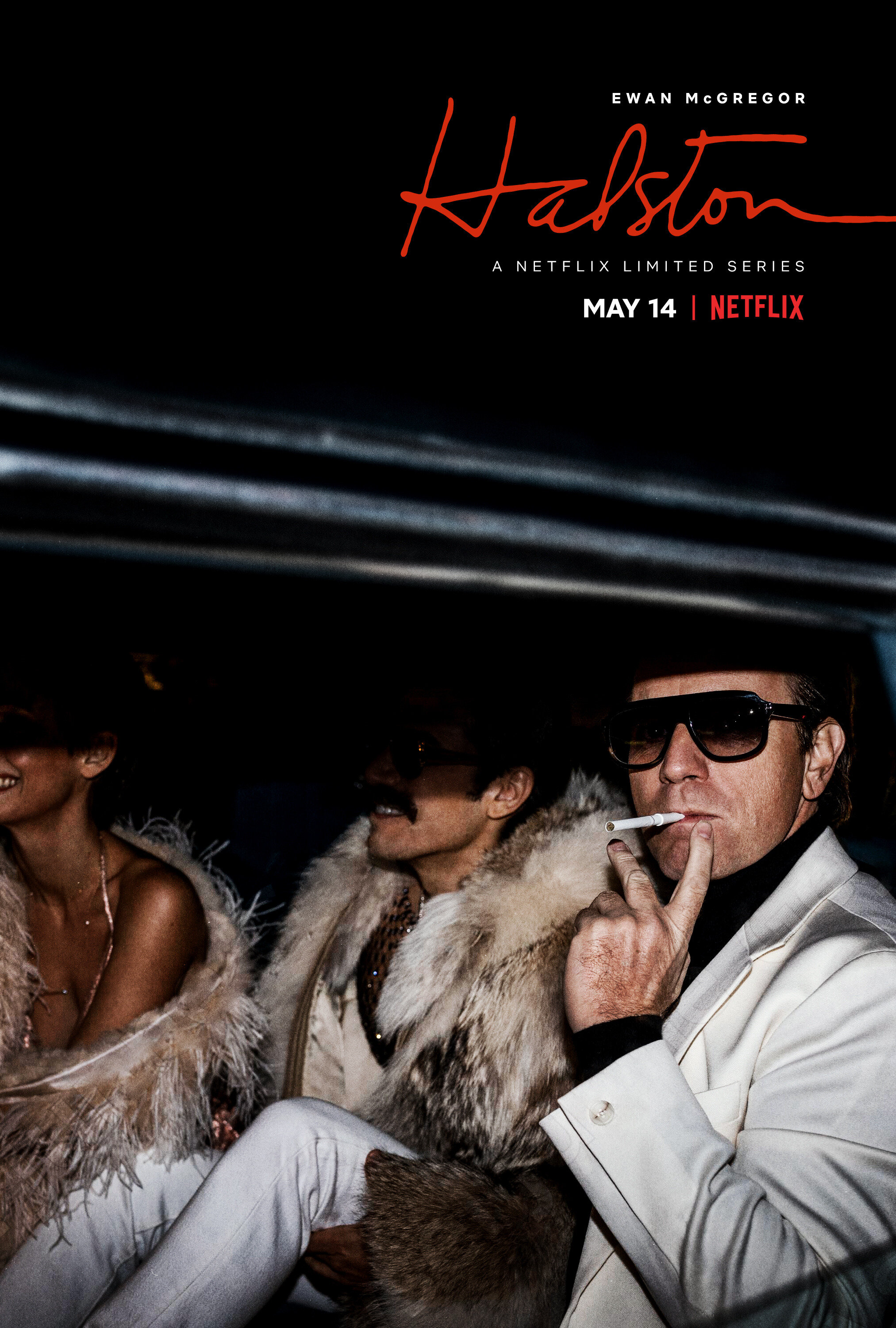
Halston2021
Ryan Murphy again, same visual language, same ambition and excess. About fashion instead of film, but the hunger is identical. Ewan McGregor is electric, and it has *Hollywood*'s mix of glamour and ruthlessness.
But Shorter and simpler than *Hollywood*. Feels more like a hagiography than a moral exploration. Less interested in complexity or contradiction.
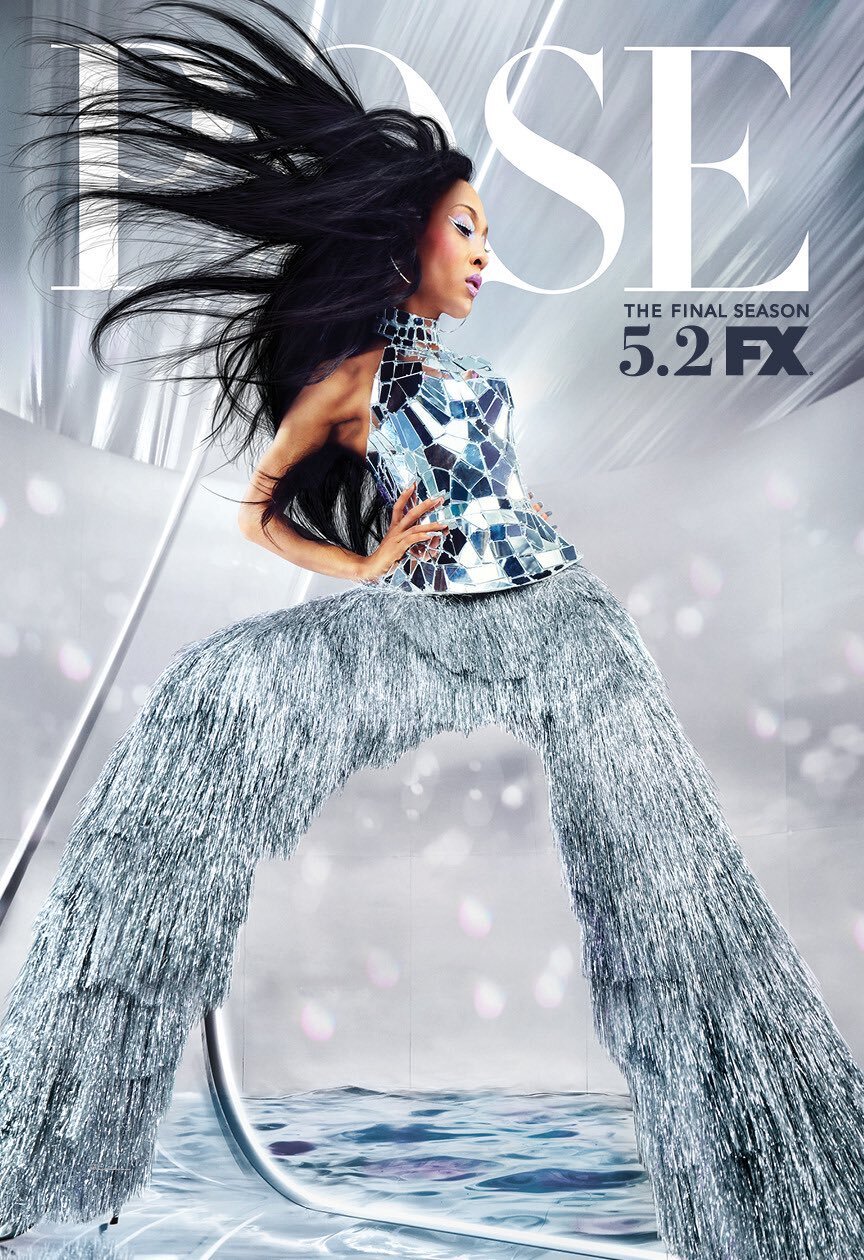
Pose2018
Both are about the excluded telling their own story—about creative ambition and survival outside the mainstream system. *Pose* shows you what *Hollywood* only imagines.
Ball culture in 1980s New York, marginalized performers creating beauty and identity in underground spaces. Five seasons, and the largest cast of trans and non-binary performers in television history. It has *Hollywood*'s love of performance, spectacle, and ambition, but grounded in real community and real stakes.
But Begins in a specific subculture that some viewers may find unfamiliar. Unflinching about poverty, addiction, and AIDS. Emotionally demanding, not escapist.
Singin' in the Rain1952
*Hollywood* is having a conversation with this film about what the dream actually was. Watching both together shows you what the fantasy contained, and what it erased.
Gene Kelly and Donald O'Connor in pure joy. The actual golden age of Hollywood, the transitional moment *Hollywood* is romanticizing. Astonishing dance sequences, genuine brilliance, utterly likable. *Hollywood* quotes this film in its DNA.
But A musical from 1952. If you don't like musicals, or if you find old Hollywood movies themselves slow and affected, this won't change your mind. It's exactly what it appears to be.

People
Cast


Writing
- Ian BrennanCreator
- Ryan MurphyCreator
Production
- Scott JamesAssociate Producer
- Julie HerrinCo-Executive Producer
- Reilly SmithCo-Producer
- Todd KubrakCo-Producer
- Alexis Martin WoodallExecutive Producer
- Darren CrissExecutive Producer
- David CorenswetExecutive Producer
- Eric KovtunExecutive Producer
- Ian BrennanExecutive Producer
- Janet MockExecutive Producer
- Jim ParsonsExecutive Producer
- Ned MartelExecutive Producer
- Ryan MurphyExecutive Producer
- Eryn Krueger MekashProducer
- Lou EyrichProducer
- Todd NenningerProducer
- Sara StelwagenSupervising Producer
- Tanase PopaSupervising Producer