
Film
Celluloid Man
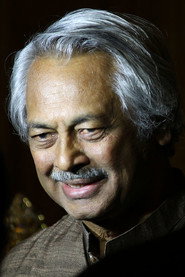
A portrait of P.K. Nair, who single-handedly built India's National Film Archive in a country that didn't care about preserving its own cinema. Part biography, part love letter to Indian film history, it watches a man spend decades rescuing celluloid from rot and indifference. Essential viewing for anyone who wants to understand how cinema survives.
Should you watch it?
Watch it if you love films about people who guard cinema's fragile memory, and you'll be moved by a quiet, devoted man rescuing reels from rot and neglect while the wider world looks away.
Skip it if you want a brisk, tightly edited documentary; this one lingers over archives, interviews and old footage, and its reverence for its subject can feel slow and insistent.
What it asks of you: It runs about two and a half hours at an unhurried pace, asking you to sit with long stretches of talk and archival material rather than chase a sharp narrative drive.
Not sure? Find tonight's pick in a minute.
If you liked this
Singin' in the Rain1952
A joyous, technically inventive musical that celebrates cinema itself—the magic of how movies get made, the artistry that goes into the frames. It's pure love for the medium.
But If musicals feel dated or overwrought to you, or if you need plot momentum over spectacle, this one's a bit indulgent.

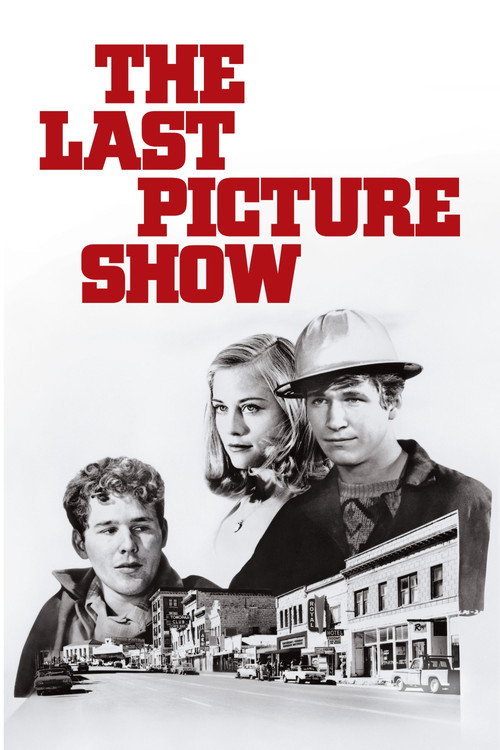
The Last Picture Show1971
A bittersweet elegy for cinema and small-town American life. Bogdanovich films it like he's mourning something beautiful that's already gone. The mood mirrors Celluloid Man's sense of rescue and loss.
But It moves slowly and pessimistically. There's no triumph here, just decline and nostalgia, which some find depressing rather than moving.
Sunset Boulevard1950
Wilder's masterpiece about Hollywood's cruelty to the past, with Gloria Swanson as a forgotten silent film star. It's a ghost story about cinema eating its own history—uncomfortably relevant to archiving.
But It's dark, caustic, and offer no comfort. Swanson's descent is painful to watch and the ending is bleak.

Not sure tonight? Get a pick in a minute, starting from Celluloid Man
The wildcard
Something you would not have found on your own.
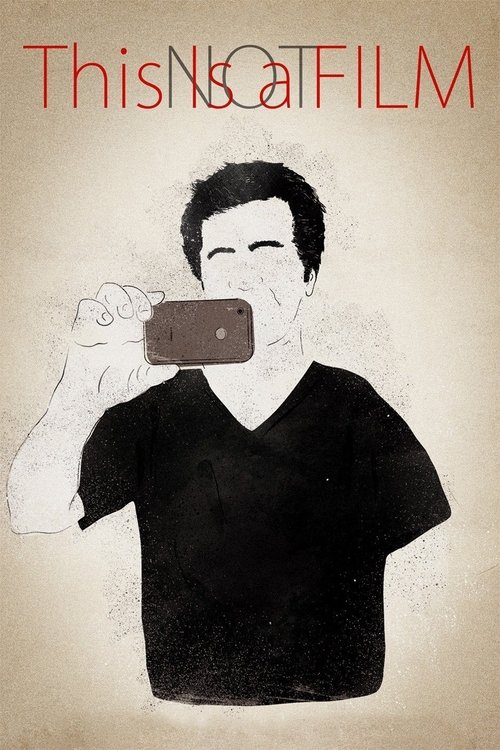
This Is Not a Film2011
Both are acts of preservation under pressure—Panahi preserving cinema itself when it's forbidden to him, Nair preserving it in a country that ignored its value. Both ask what cinema is worth fighting for.
Jafar Panahi's iPhone-shot film-essay made under house arrest, meditating on what cinema is when you can't make cinema. It's a resistance film about cinema itself, made from scraps and limits.
But It's deliberately fragmentary, essayistic, and politically heavy. The video-phone aesthetic feels intentionally rough, not polished.
More like this (5)
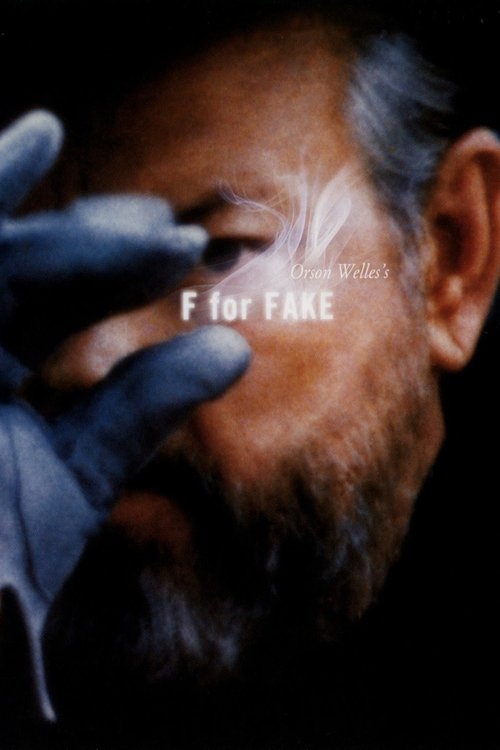
F for Fake1973
Welles' playful essay film meditates on authenticity, restoration, and what we preserve and why. It's formally wild and intellectually mischievous about the nature of cinema itself.
But It's deliberately fragmented and games-playing. If you want straightforward narrative, this will frustrate you.
The 400 Blows1959
Truffaut's breakthrough is a film made in love with cinema, with frequent homages and a young protagonist entranced by movies. It's about why we need cinema; Celluloid Man is about why we need to keep it.
But The pacing is meditative and French New Wave patients are required. Some find it slight compared to its legend.

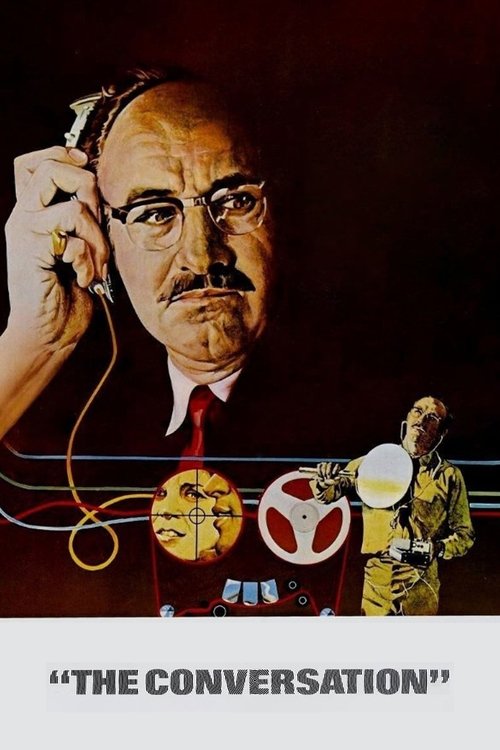
The Conversation1974
Coppola's paranoid masterpiece about a surveillance expert and what it means to preserve or betray recorded evidence. The meditation on what we capture and why is oddly adjacent to archival thinking.
But It's slow, claustrophobic, and deliberately unsettling. Some find it dated or overly cerebral for its own good.
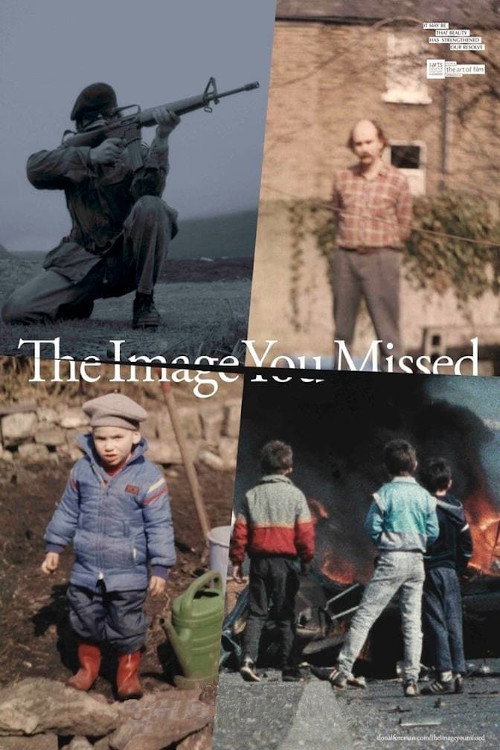
The Image You Missed2018
Another archival project itself—a TV series about cinema preservation that is now itself a preservation problem, echoing Celluloid Man's theme that we constantly threaten to lose what matters.
A legendary, barely-available BBC television essay series from the 1980s examining film preservation and cinema history. Formal and deeply intellectual, made for television but feeling like found material itself.
But It's fragmentary, difficult to source, and may feel overly academic. TV essays of that era are not always kinetic by modern standards.
Sans Soleil1983
Both films understand that archiving is an act of interpretation and memory-making, not just preservation. What survives and how we arrange it tells the real story.
Chris Marker's essayistic masterpiece collages found footage, photographs, and voice-over into a meditation on memory, cinema, and what we choose to remember. It feels like watching a archive reorganize itself into meaning.
But It's deliberately oblique, poetic, and plot-less. If you need narrative clarity or emotional catharsis, this will feel frustratingly abstract.

People
Cast
- P. K. NairSelf


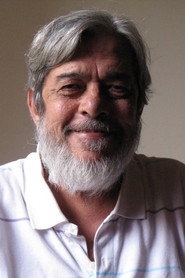

 GulzarSelf
 Naseeruddin ShahSelf
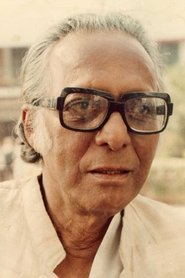 Mrinal SenSelf
 Kamal HaasanSelf
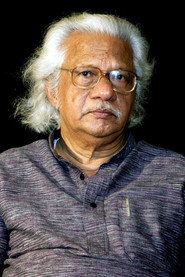
 Basu ChatterjeeSelf
Directing
- Shivendra Singh DungarpurDirector