
Film
The Image You Missed
- Drama
- Slow-burning
A son excavates his estranged father's archive of unseen footage from the Northern Irish Troubles, assembling a fragmented history from decades of conflict documentation. Part family reckoning, part experimental essay, it questions how images capture struggle and what we owe to both politics and memory. For viewers drawn to personal documentary and Irish history.
Should you watch it?
Watch it if you find yourself drawn to essay films that treat archive footage as evidence to be argued with, and to family stories that get tangled up with history.
Skip it if you need a conventional narrative with clear arcs and a steady account of events, since this one circles its material and keeps questioning how footage should be trusted.
What it asks of you: Seventy-odd minutes of fragments, interruptions and a voice working things out on screen, so it rewards patience and a willingness to stay with unresolved discomfort.
Not sure? Find tonight's pick in a minute.
If you liked this
The Act of Killing2012
A documentary that uses its subjects' own archive footage to examine complicity and historical memory, asking uncomfortable questions about how we process atrocity and personal responsibility.
But Extremely disturbing imagery of violence; the philosophical approach means it never offers easy answers or catharsis.

Shoah1985
Claude Lanzmann's monumental essay assembles testimony and landscape to build historical truth from fragments and absence, similar tonal DNA to the haunting quality of MacCaig's archive work.
But Nine and a half hours long, deliberately paced, no archival footage—requires absolute commitment and emotional stamina.

The Battle of Algiers1966
A film that interrogates how images of political struggle are made and consumed, shot as a documentary-style reconstruction. Essential viewing for understanding how cinema shapes our sense of revolution.
But Political and formally demanding; the reconstruction approach can feel distant rather than intimate for some viewers.

Not sure tonight? Get a pick in a minute, starting from The Image You Missed
The wildcard
Something you would not have found on your own.
La Haine1995
Both use their formal choices—fragmentation, archival density, refusal of explanation—to argue that witnessing political crisis demands active, uncertain engagement from the viewer.
Mathieu Kassovitz's film about a day in the Paris banlieues uses fragmented temporality and youth testimony to capture political uprising. A narrative drama, not documentary, but it shares MacCaig's urgent question: how do you witness struggle?
But French language; the 1990s context feels historically distant now, and the formal playfulness may overshadow its political message for modern viewers.

More like this (7)
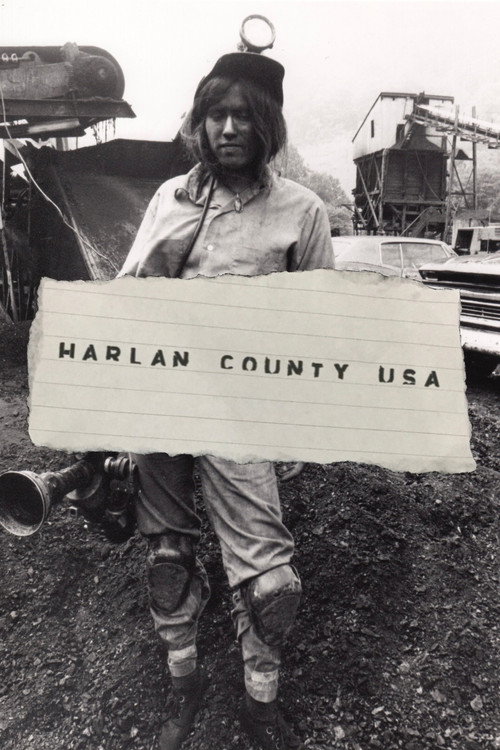
Harlan County U.S.A.1976
A decade-long archive of a Kentucky mining strike, assembled with moral clarity about labour and representation. Shows how documentary accumulation over time builds unavoidable truth.
But Regional American history may feel remote; pacing is deliberate rather than dramatic.
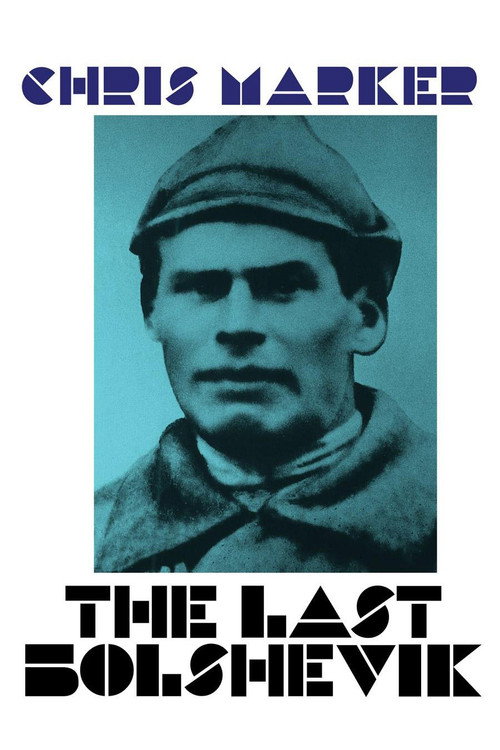
The Last Bolshevik1994
Chris Marker's meditation on a Soviet filmmaker's archive, examining how cinema preserves ideology and personal vision across decades. Profound on memory and the weight of inherited artistic legacies.
But Essayistic and abstract; assumes comfort with experimental form and familiarity with Soviet cinema history.
Stories We Tell2012
Michael Redford's essay about family mythology and unreliable memory, constructed from his parents' 16mm footage and family testimony. Tender exploration of how we construct narrative from fragments.
But Primarily Canadian suburban memory; the personal focus means political resonance is limited compared to work with broader historical stakes.
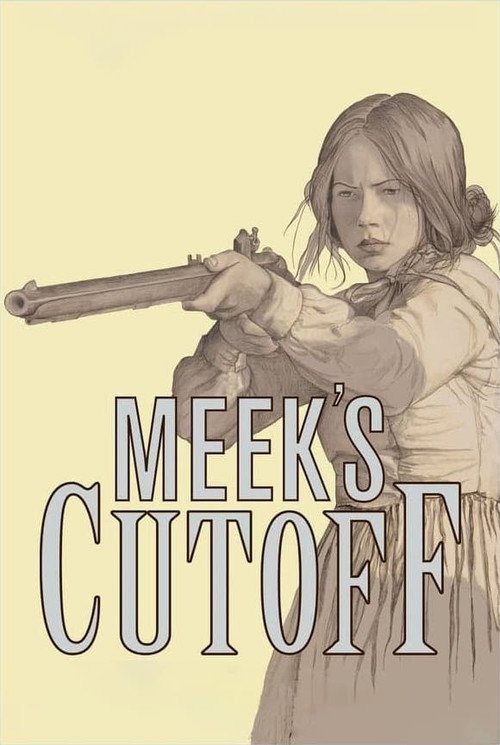
Meek's Cutoff2011
Kelly Reichardt's formally austere western uses silence and witheld information to mirror the uncertainty of historical documents. A meditation on what archives cannot tell us.
But Narrative is deliberately obscured; the sparse visual style and slow pacing will feel frustrating to viewers wanting clarity or momentum.
Sans Soleil1983
Chris Marker's essay-poem assembles global footage into a meditation on memory, politics, and cinema itself. Formally inventive in ways that echo experimental documentary essay construction.
But Fragmented, aphoristic, sometimes impenetrable; subtitles render narration in a disorienting way that challenges passive viewing.

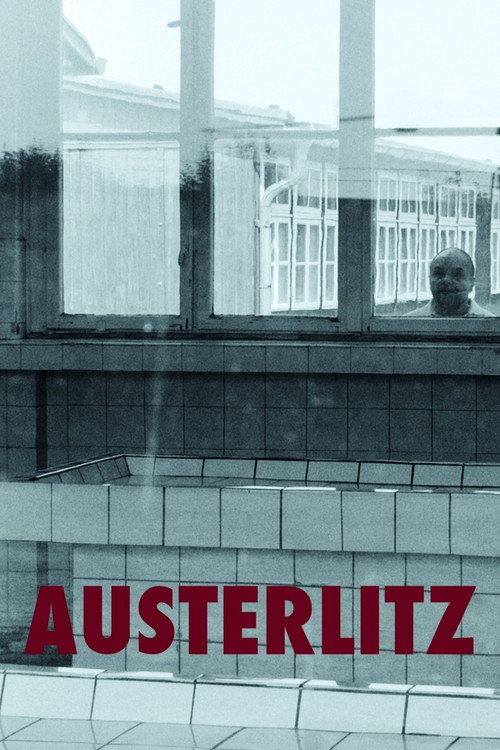
Austerlitz2016
Sergei Loznitsa compiles Soviet newsreel footage of World War II without commentary, forcing viewers to construct meaning from images alone—a formal parallel to MacCaig's archive work.
But Emotionally exhausting; the refusal to guide interpretation can feel withholding, and the subject matter is relentlessly bleak.
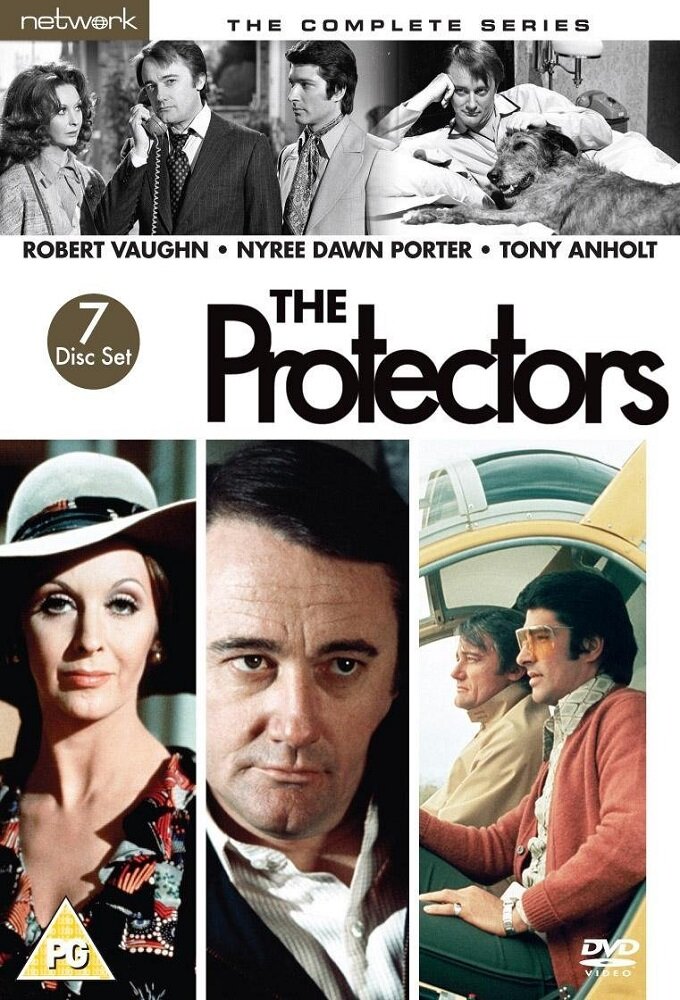
The Protectors1972
Filmed in the same geographical and political space as MacCaig's archive, offering a complementary perspective on how the Troubles lived in real time, and what documentation can and cannot preserve about community experience.
A five-part documentary series following Belfast community workers during a period of sectarian tension. Raw, intimate, structured around character rather than historical argument—shows the lived texture of conflict MacCaig documented.
But Emotionally heavy and sometimes awkwardly paced; access and verité aesthetic means not every scene lands with cinematic power.
People
Cast
Directing
- Dónal ForemanDirector
Production
- Nicole BrenezExecutive Producer
- Philippe GrandrieuxExecutive Producer
- Dónal ForemanProducer