
Film
The Phantom of Liberty
- Absurdist comedy
- Strange
Buñuel's final masterpiece is a surrealist carousel of absurd vignettes that refuse to cohere into a story. Characters appear and vanish, logic evaporates, taboos become mundane and banality becomes shocking. It's daydreaming as cinema—playful and unsettling, hilarious and disorienting. For viewers hungry for art that doesn't behave.
If you liked this
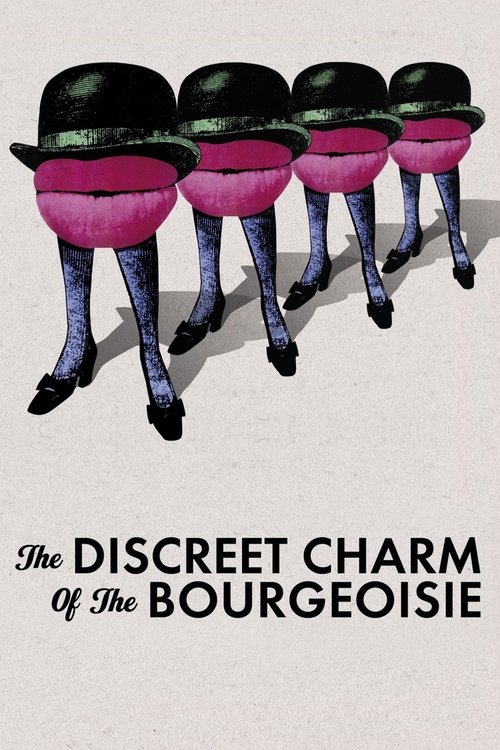
The Discreet Charm of the Bourgeoisie1972
Buñuel's preceding film perfects the same formula of interconnected absurdities and dinner-party surrealism. A masterclass in how to make the illogical feel inevitable, with the same cast delivering deadpan brilliance.
But It moves even slower than Phantom, and the repetition—characters circling the same scenarios—tests patience as much as it rewards it.
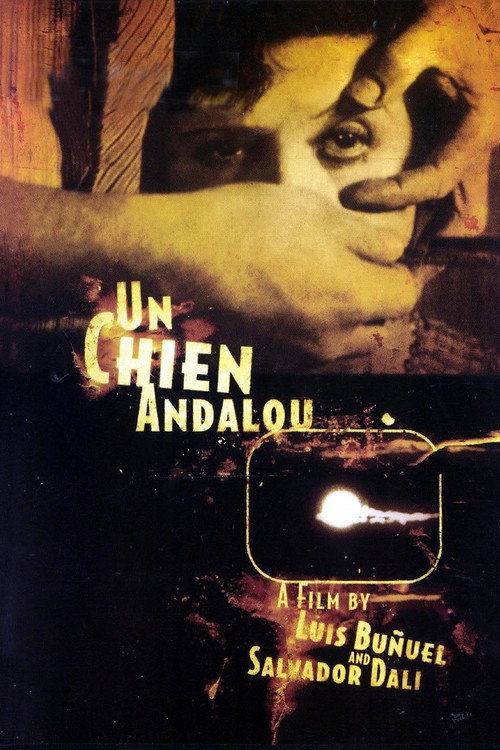
Un Chien Andalou1929
Buñuel's debut with Dalí. If you want to understand where Phantom's logic comes from, this 16-minute shock of pure surrealism is the primordial scream. Genuinely disturbing and formally dazzling.
But It's intentionally designed to offend and provoke. There is an eyeball, and it will stay with you. Not a pleasant gateway.
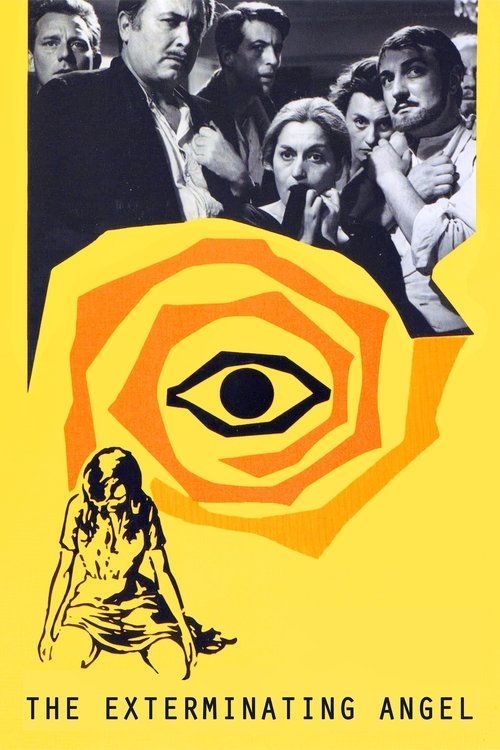
The Exterminating Angel1962
Another Buñuel masterwork where a dinner party becomes inexplicably trapped in a drawing room. The same vision of bourgeois life as elaborate, meaningless theater, but with rising claustrophobic dread instead of scattered vignettes.
But The symbolism becomes increasingly opaque, and some viewers find it tediously repetitive rather than hypnotic.
Not sure tonight? Get a pick in a minute, starting from The Phantom of Liberty
The wildcard
Something you would not have found on your own.
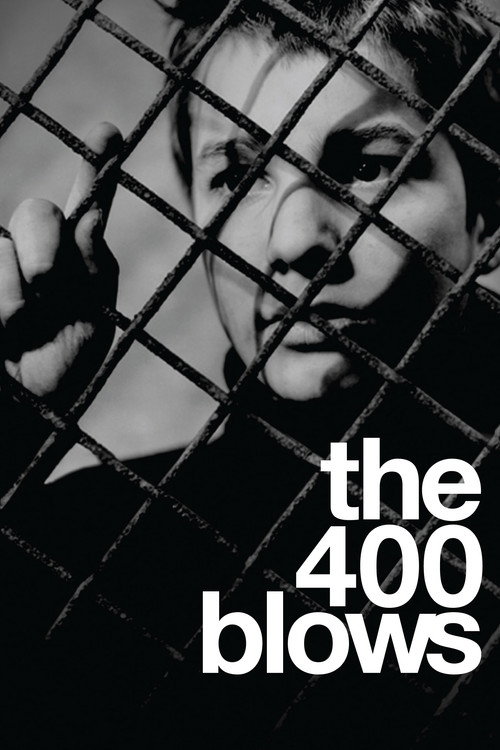
The 400 Blows1959
Both are French New Wave meditations on alienation and the gap between desire and reality. One fragments it; one focuses it. Watching both shows what form choices mean.
Truffaut's portrait of a boy's alienation in Paris. Where Phantom scatters its view across decades and characters, Blows anchors itself in a single consciousness. Both films see the world as fundamentally indifferent to human beings, but Truffaut lets you feel the ache of it.
But It's heartbreaking in a direct way—some find Truffaut's humanism cloying, especially compared to Buñuel's detachment.
More like this (7)
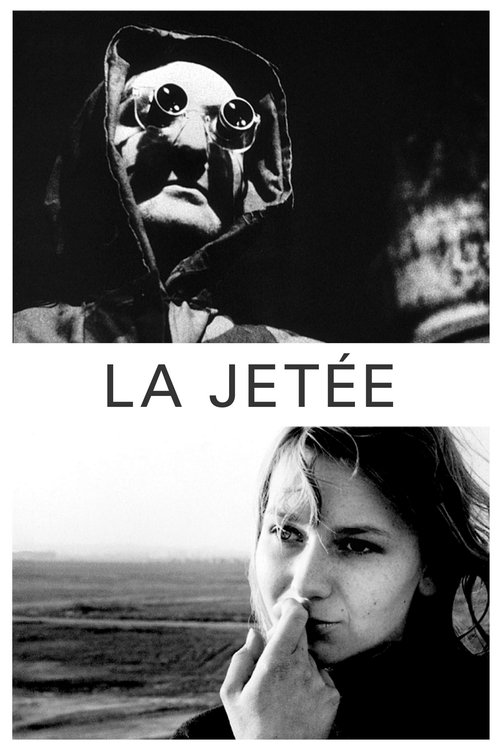
La Jetée1962
A 28-minute sci-fi poem told almost entirely in still photographs. Like Phantom, it fragments narrative into fragments and trusts the viewer to feel the shape of it. Utterly unique and affecting in ways conventional storytelling cannot touch.
But The stillness and drift will bore anyone who needs plot momentum. It requires a contemplative frame of mind.
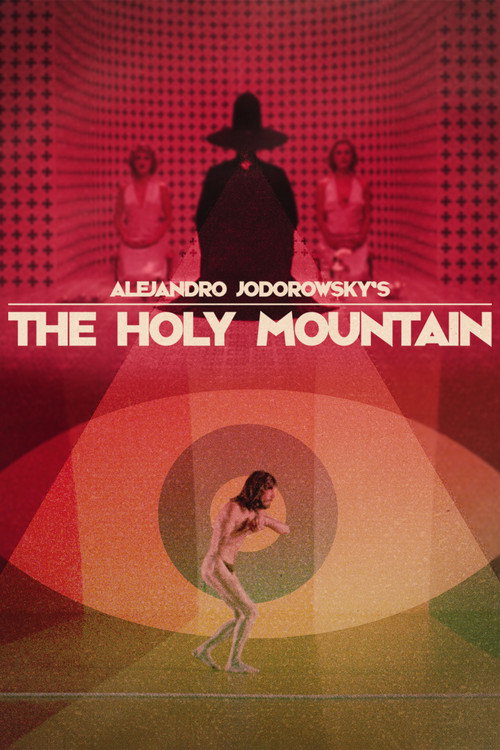
The Holy Mountain1973
Jodorowsky's surrealist epic: a spiritual odyssey through nightmarish tableaux. Shares Phantom's refusal of linear narrative and its conviction that irrational cinema can access truth that logic cannot.
But It's grotesque and frequently transgressive. The ambition exceeds the execution, and patience is a prerequisite.
Stalker1979
Tarkovsky's meditation on desire and meaning disguised as sci-fi. Like Phantom, it trusts atmosphere over plot, and asks viewers to surrender to mood rather than chase narrative resolution.
But It's glacially slow and demands complete attention. A single distraction breaks the spell entirely.

Mulholland Drive2001
Lynch's Los Angeles nightmare sprawls like Phantom's structure—fragments that suggest a coherence that dissolves on inspection. Dream logic applied to Hollywood, with genuine emotional devastation underneath the surrealism.
But The opacity can feel like withholding rather than mystery. Some sequences feel self-indulgent even for a Lynch film.

Tokyo Story1953
Ozu's cinema of small moments and surfaces. Not surreal, but kindred in its refusal to manufacture drama, its trust in anti-climax, its conviction that the spaces between events matter more than plot beats.
But It moves with the pace of tea cooling. Viewers accustomed to narrative propulsion will struggle.

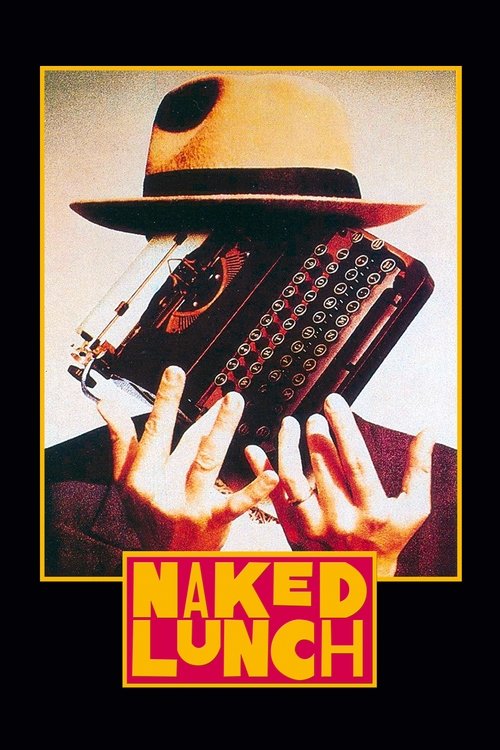
Naked Lunch1991
Cronenberg's adaptation of Burroughs: hallucinatory, non-linear, a fever dream of addiction and image. Shares Phantom's willingness to abandon conventional structure for something closer to consciousness itself.
But It's gratuitously weird and often grotesque without much warmth. Difficulty sustaining interest across its runtime.
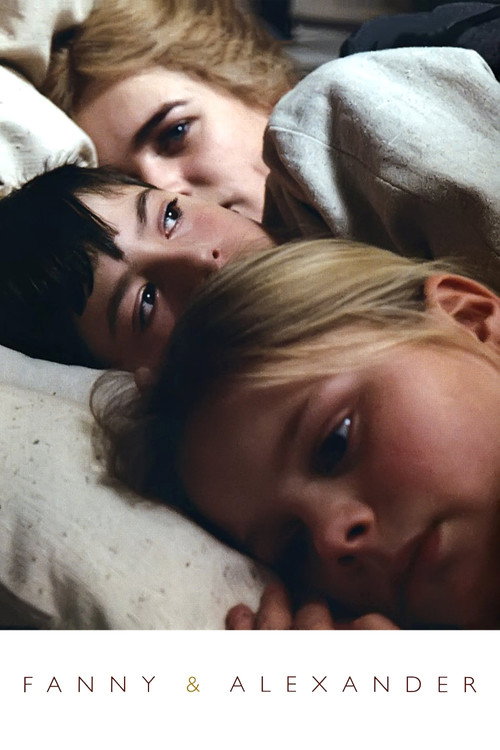
Fanny and Alexander1982
Both are filmmakers' panoramic final statements about life, meaning, and the spaces between logic and feeling. One is a laugh; one is a prayer. They're answering the same question from opposite angles.
Bergman's late masterpiece: a vast, kaleidoscopic family saga spanning years and generations, bursting with warmth and magic. Where Phantom fractures reality into comedy, Fanny absorbs fragmentation into a vision of human resilience and beauty.
But It's nearly four hours, emotionally demanding, and treats suffering seriously. The tonal shift from chaos to tenderness requires surrender.
People
Cast
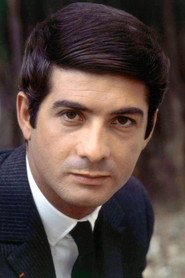 Jean-Claude BrialyMr. Foucault
 Adriana AstiLady in Black
 Milena VukotićNurse
 Monica VittiMrs. Foucault
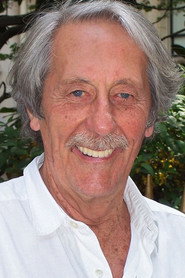 Jean RochefortMr. Legendre
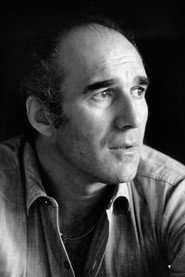 Michel PiccoliPolice Prefect #2
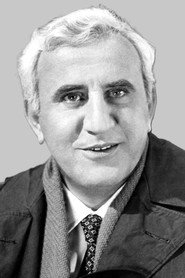 Adolfo CeliDoctor
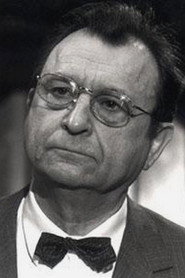 Claude PiépluCommissioner
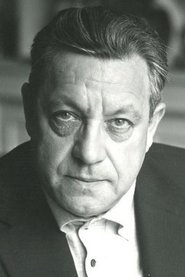 Paul FrankeurInnkeeper
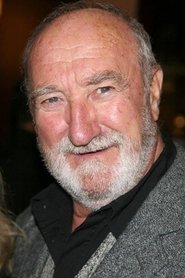 Pierre MaguelonPoliceman
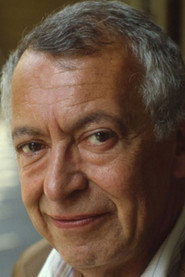 François MaistreProfessor
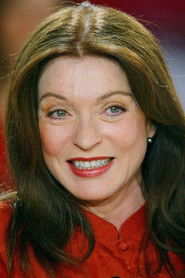 Marie-France PisierMrs. Calmette
Directing
- Luis BuñuelDirector
Writing
- Jean-Claude CarrièreWriter
- Luis BuñuelWriter
Production
- Ulrich PicardExecutive Producer
- Serge SilbermanProducer