
Film
Emil and the Detectives
Other titles called Emil and the Detectives: the 1964 film.
- Crime
- Light-hearted
A 1931 German film about a boy whose savings are stolen by a con artist on a train to Berlin. Emil rallies neighbourhood children into an impromptu detective squad to recover the money and catch the thief. It's playful, ingenious, and moves with silent-film speed despite having sound. For anyone who loves clever kids, heist ingenuity, and the particular charm of Weimar-era Berlin captured on celluloid.
Should you watch it?
Watch it if you enjoy a tidy, old-fashioned caper where children outthink grown-ups through sheer nerve and busy teamwork, and you don't mind the black-and-white creakiness of early sound cinema.
Skip it if you need fast cutting or modern polish, since this one moves at a leisurely pace and its sound and staging feel dated next to today's films.
What it asks of you: A short seventy-five minutes of patient, mostly street-level scenes with light peril and no real darkness, so your attention goes to small details rather than big set pieces.
Not sure? Find tonight's pick in a minute.
If you liked this
Benji1974
A dog solves a kidnapping mystery with resourcefulness and heart. Like Emil, it trusts children and animals to carry the story, delivering genuine suspense without condescension or manufactured peril.
But The pacing is leisurely by modern standards, and if you need plot momentum every thirty seconds, Benji will test your patience.

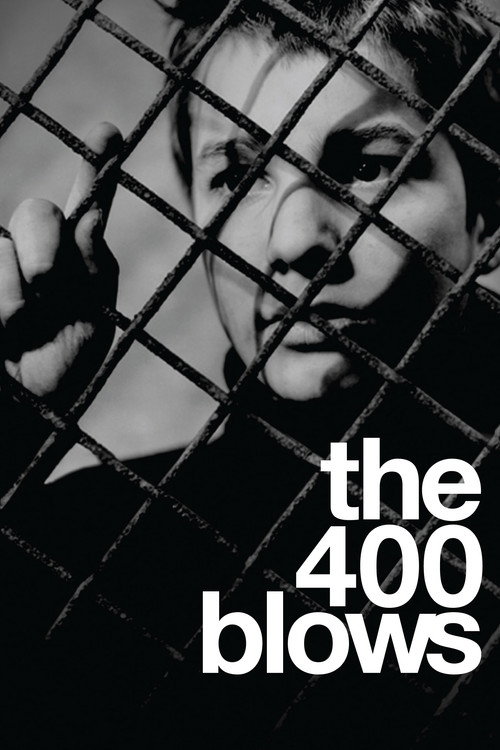
The 400 Blows1959
Truffaut's portrait of a Parisian boy navigating an indifferent world. Similar era, similar city energy, similar faith in childhood perspective as the lens through which to see injustice and belonging.
But It's melancholic where Emil is spirited. If you want uplift and resolution, this ends in ambiguity that haunts rather than satisfies.
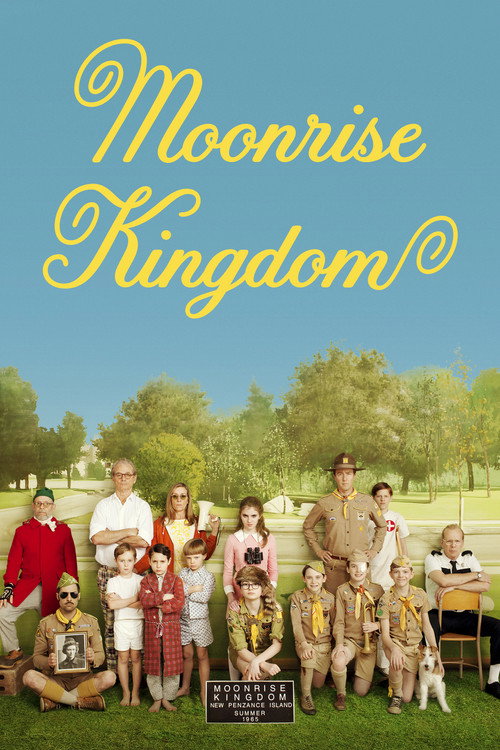
Moonrise Kingdom2012
Wes Anderson's film about two resourceful children on an island, orchestrating their own adventure. Shares Emil's belief that kids' logic and determination can outsmart adults, plus comparable charm and visual inventiveness.
But The stylisation is extreme. If you prefer naturalism to pastel whimsy, Anderson's world may feel airless and precious.
Not sure tonight? Get a pick in a minute, starting from Emil and the Detectives
The wildcard
Something you would not have found on your own.
Kes1970
Both films trust children as protagonists who solve their own problems through intelligence and will, but Emil is a heist comedy while Kes is social realism—the same faith in youth applied to radically different worlds.
A working-class Yorkshire boy trains a hawk, finding beauty and agency in a bleak industrial landscape. Like Emil, it centers a child's ingenuity and resilience as genuine, not patronised. But where Emil's Berlin is playful, Kes is austere and angry about class.
But It's British kitchen-sink realism: grim housing, dismissive adults, and a tragic architecture that Emil's optimism never acknowledges. The ending is devastating.

More like this (6)
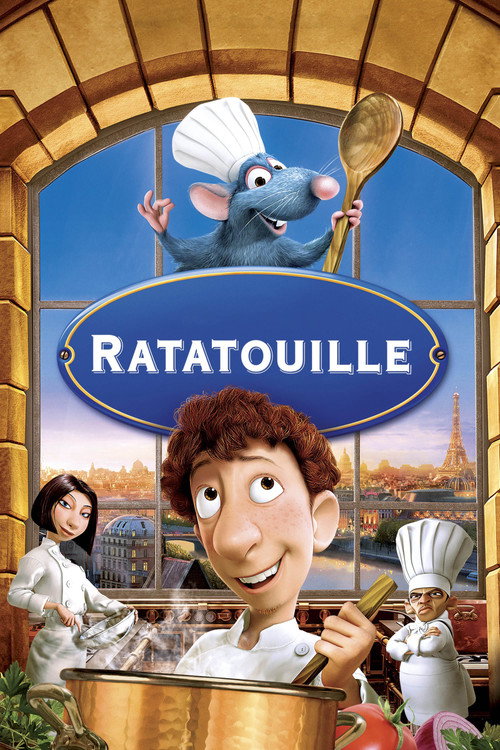
Ratatouille2007
A rat and a boy team up to run a restaurant. Animation captures the same scrappy-kids-and-underdogs spirit: teamwork, each character's specific talent, and the joy of watching a plan come together.
But If you prefer live action or find animated films for adults gimmicky, the talking-rat premise may feel barrier-raising.
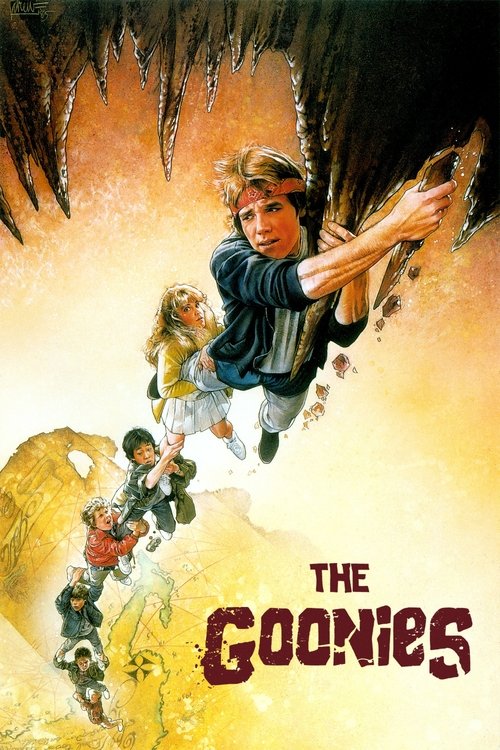
The Goonies1985
A gang of neighbourhood kids go on a treasure hunt, facing obstacles and criminals. Pure-hearted adventure where children's cleverness and loyalty actually matter; the adult world is either absent or ridiculous.
But It's louder, broader, and much more American than Emil. The tone veers between slapstick and genuine danger in ways that can feel tonal whiplash.
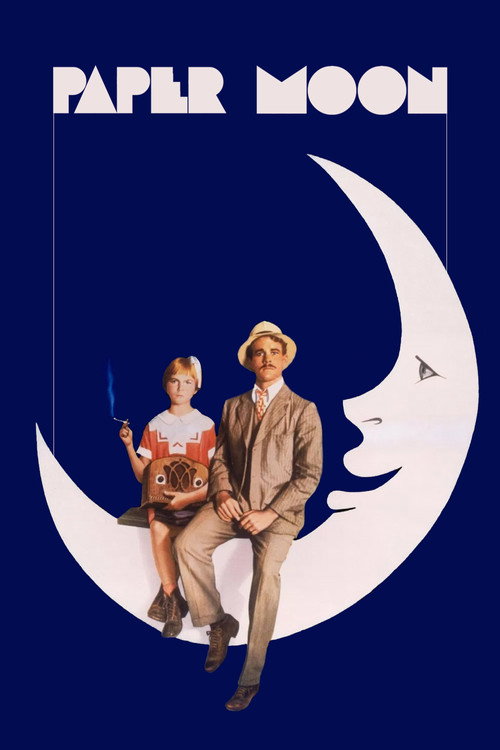
Paper Moon1973
A con man and his young daughter travel Depression-era America, running schemes. Explores how children learn cunning from adults, with sparring dialogue and genuine affection beneath the hustle.
But It's cynical where Emil is fundamentally optimistic. The worldview is grittier, more morally compromised, and less interested in justice.
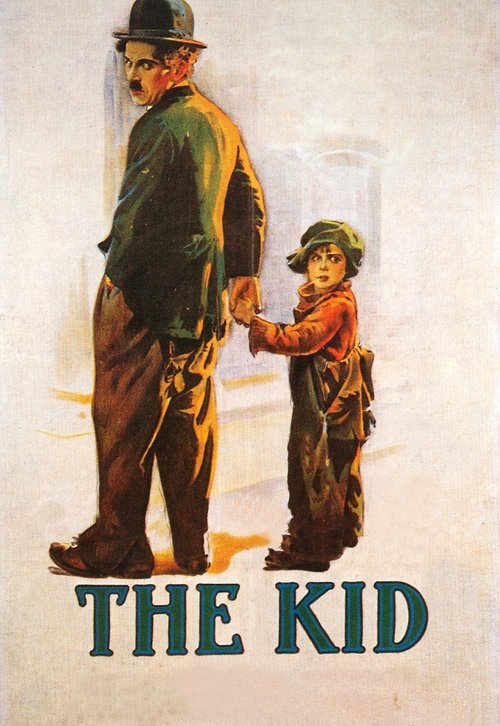
The Kid1921
Chaplin's silent masterpiece about a man and orphaned boy navigating poverty together. Pre-dates Emil but shares its visual storytelling, emotional directness, and faith that vulnerable people can be resourceful and dignified.
But It's a silent film from the silent era. If you've never watched one, the acting vocabulary and pacing take adjustment.
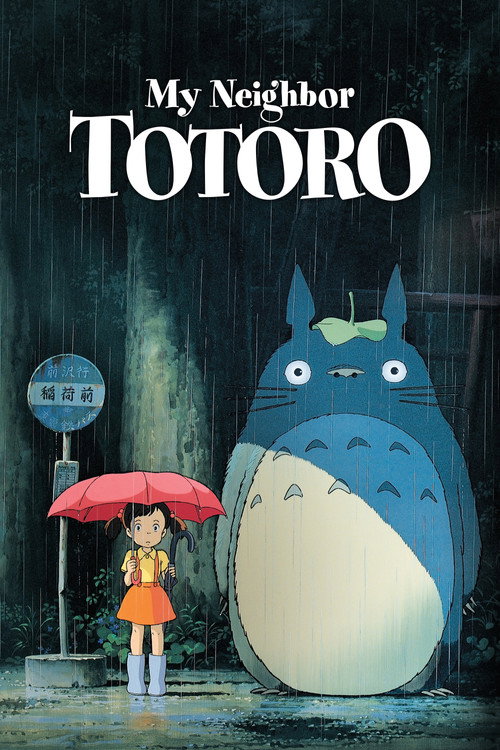
My Neighbor Totoro1988
Two sisters move to a rural house and encounter magical creatures. Miyazaki's gentle faith in children's perception and agency, the rural German setting of Emil translated to rural Japan, similarly unhurried and observant.
But It has almost no plot, barely any conflict, and resolves through acceptance rather than action. If you need narrative momentum or dramatic stakes, it's a meditation, not an adventure.
Cléo from 5 to 71962
Both are love letters to a specific place (Berlin, Paris) and a specific historical moment in European cinema. Emil shows us the city through a child's adventure; Cleo shows it through a woman's anxiety. Opposite registers, same affection for urban texture.
Agnès Varda's real-time film of a woman waiting for medical results, wandering Paris. No plot, just observation—exactly Emil's era and city, but transformed into a philosophical wandering. You're watching someone *be* rather than *do*.
But Nothing happens. If you watch Emil expecting action, Cleo will feel like stasis. It's about interior life, not exterior adventure.

People
Cast
 Rolf WenkhausEmil Tischbein
 Käthe HaackFrau Tischbein
 Fritz RaspGrundeis
- Rudolf BiebrachWachmeister Jeschke
 Olga EnglGroßmama
 Inge LandgutPony Hütchen
- Hans Joachim SchaufußGustav mit der Hupe
 Hans RichterFliegender Hirsch
- Hans LöhrDienstag
- Ernst-Eberhard RelingGerold
- Waldemar KupczykMittenzwei
- Hubert SchmitzProfessor
Directing
- Gerhard LamprechtDirector
Writing
- Erich KästnerNovel
- Billy WilderScreenplay
- Emeric PressburgerScreenplay
- Erich KästnerScreenplay
Production
- Günther StapenhorstProducer