
Film
Killa
Killa is a Marathi-language coming-of-age film about an 11-year-old boy processing his father's death while navigating a new city and making friends. It's tender and funny without being saccharine, grounded in the specifics of childhood grief and the small rebellions that help us survive it. For anyone who loved *The 400 Blows* or films that trust kids to be complicated.
If you liked this
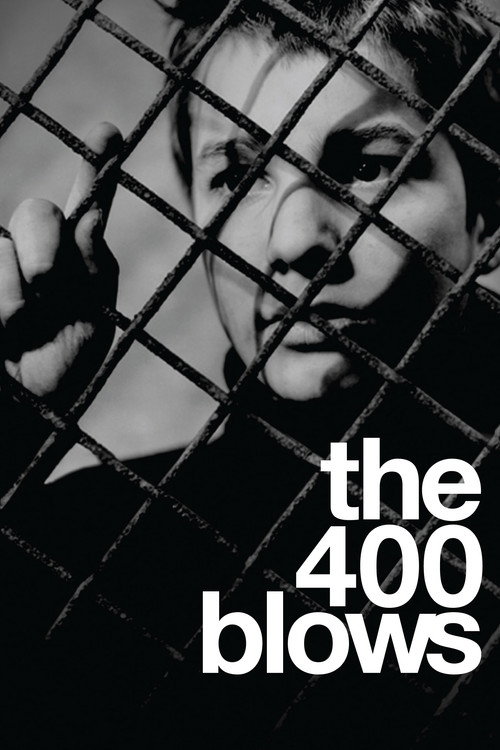
The 400 Blows1959
Truffaut's portrait of a boy adrift in an uncaring system captures the same mixture of mischief and loneliness. Both films see childhood clearly—neither sentimental nor patronising.
But Black and white, French, 99 minutes, and the ending will sit with you uncomfortably. Not a comfort watch.
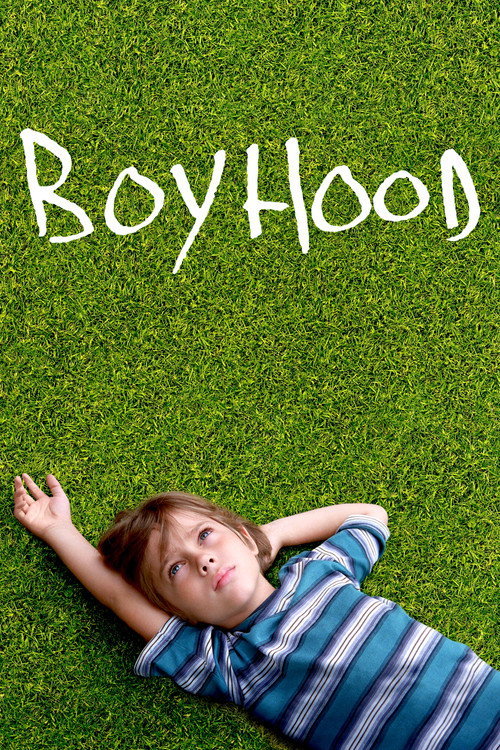
Boyhood2014
Linklater follows a boy through twelve years of life's small moments. Like Killa, it trusts that growing up is about accumulation and weather, not plot, and that grief arrives quietly.
But Three hours and forty minutes. Some find the patience required exhausting. The lack of dramatic arc might frustrate you.
Moonlight2016
Three chapters of a boy becoming a man, each intimate and precise. It shares Killa's understanding that identity forms through small interactions with other people, not big speeches.
But Deliberately paced and elliptical. If you want plot spelled out, the gaps here will frustrate you. Demands active watching.

Not sure tonight? Get a pick in a minute, starting from Killa
The wildcard
Something you would not have found on your own.
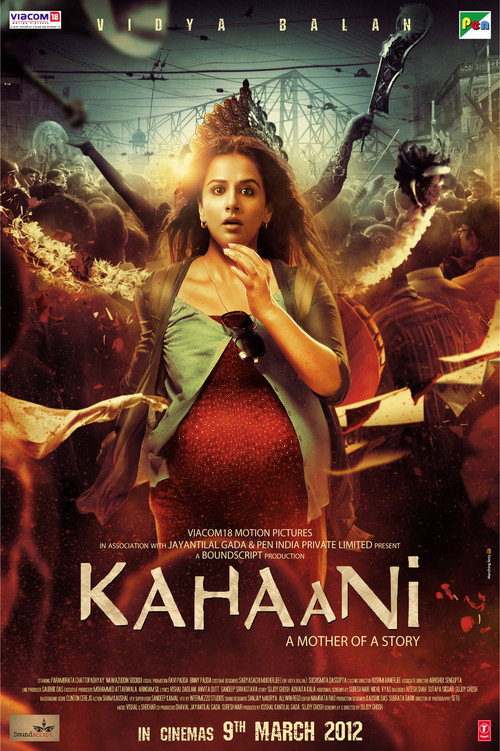
Kahaani2012
Both rooted in the specificity of place and grief, but one uses genre to process that grief while the other stays intimate and small.
A pregnant woman searches for her missing husband in Kolkata during a festival. Wildcard because it's a thriller, not a drama—a completely different engine for exploring what it means to be lost in an unfamiliar city. Same setting (Marathi-speaking Mumbai-region context), opposite genre.
But Twist-heavy and plot-driven. If you want the emotional precision of Killa, this might feel mechanical and manipulative by comparison.
More like this (8)
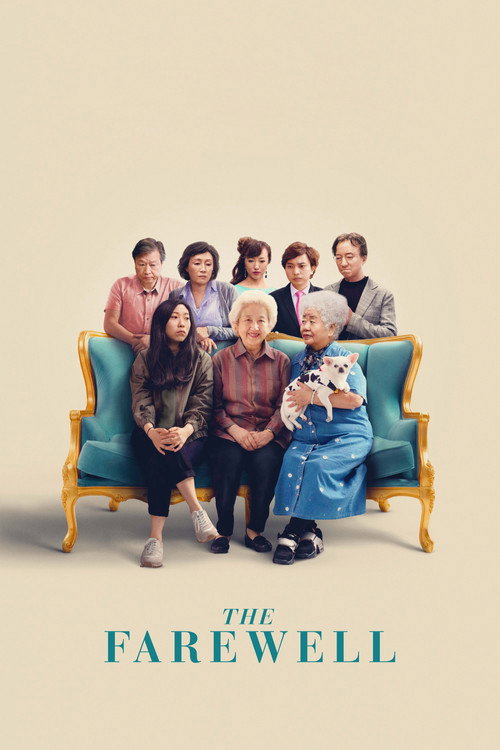
The Farewell2019
Lulu Wang's film about grief and cultural displacement in a family. Like Killa, it finds comedy and warmth in difficult moments without betraying the realness of the pain underneath.
But Toggles between English and Mandarin. Its view of family obligation and secrecy may read as alien depending on your background.
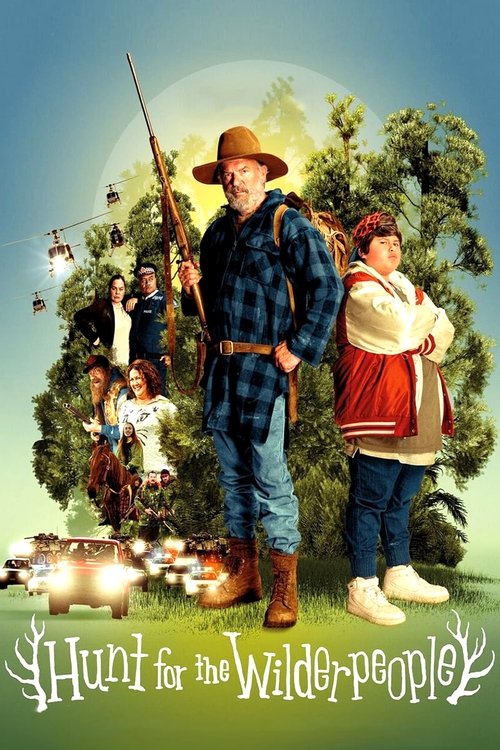
Hunt for the Wilderpeople2016
Taika Waititi's film about a grumpy old man and a grieving boy in the New Zealand bush. Funny and heartfelt, it captures how unlikely friendships can matter.
But Tonally uneven—some will find it whimsical where it should be grave. The indie-film quirk isn't everyone's register.
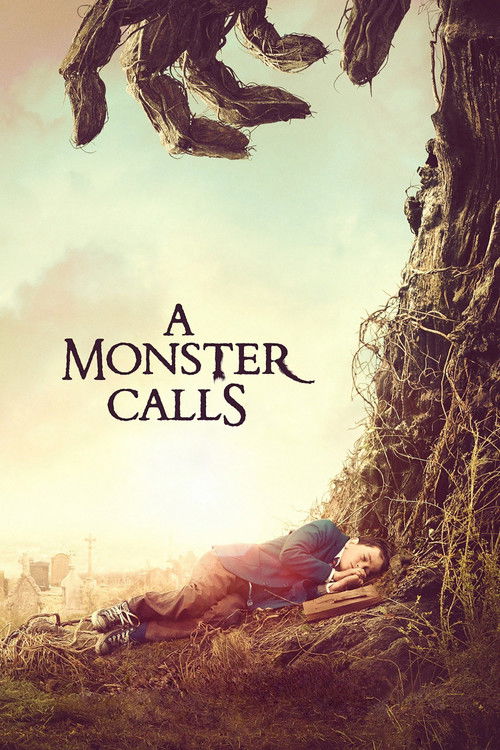
A Monster Calls2016
A boy dealing with his mother's illness meets a tree monster. Fantastical premise, utterly genuine emotion. Another film that lets childhood grief be big and strange and real.
But The fantasy elements tip some viewers into melodrama. If magical realism feels like avoidance to you, the metaphor won't land.
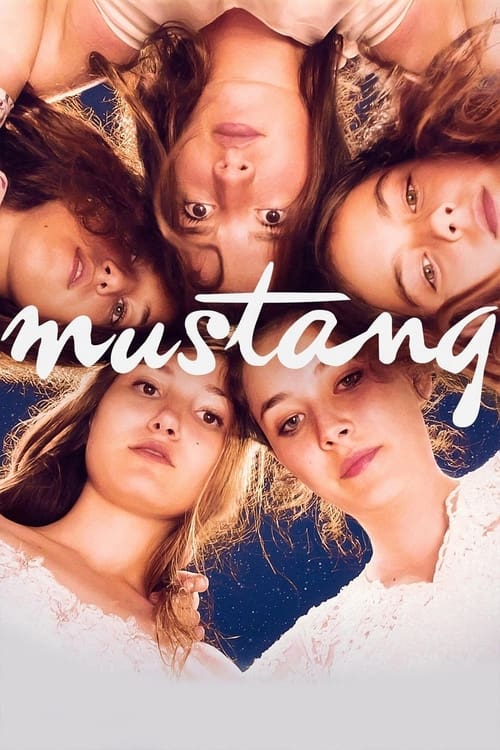
Mustang2015
Five Turkish girls confined by family tradition. Like Killa, it's about young people in a place that doesn't quite fit them, finding small freedoms and solidarity.
But More claustrophobic than Killa; the restrictions are deliberate and real. Watching can feel suffocating. Turkish with subtitles.
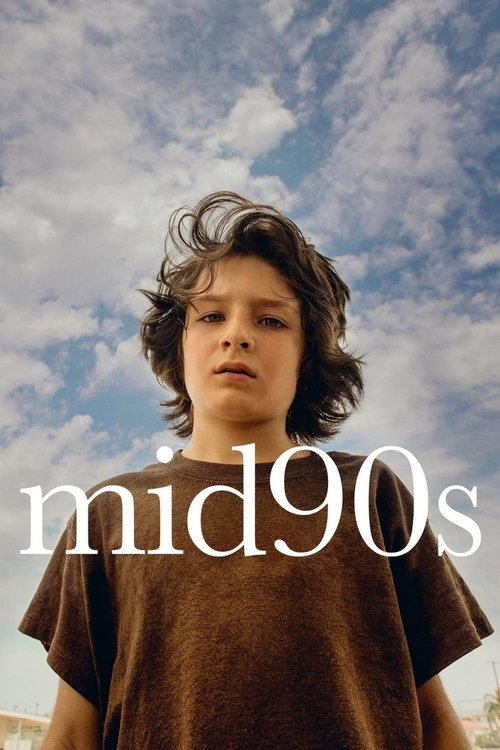
mid90s2018
Jonah Hill's film about a lonely skateboarding kid finding his people in '90s LA. That same energy of grief transforming into belonging through friendship and small adventures.
But Episodic, sometimes shapeless. The skateboarding culture won't resonate with everyone. Shot on 16mm, which some find too nostalgic-looking.
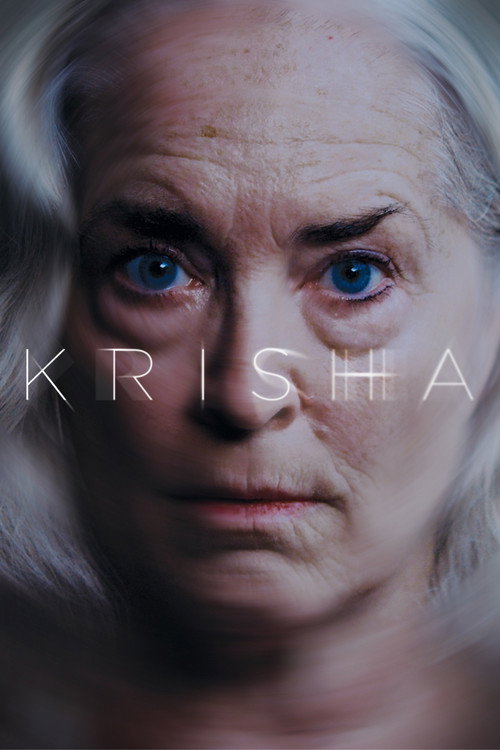
Krisha2016
Ari Aster's first film, semi-autobiographical, about a recovering addict returning home. Feels lived-in and specific. Less about plot than about textures and the difficulty of belonging.
But Slow, hypnotic, and draining. Some audiences find it punishing rather than moving. No conventional narrative momentum.
Station Eleven2021
Both understand that grief and displacement force us into new tribes, and that surviving together is its own form of beauty.
A limited series about survival and art after a flu pandemic. Structurally wild—it fragments time and perspective constantly. But like Killa, it's about how we make meaning in broken places, and how connection persists.
But Ten hours of television when Killa is two. The fragmented structure confuses some viewers. Apocalyptic, which is a tonal shift.

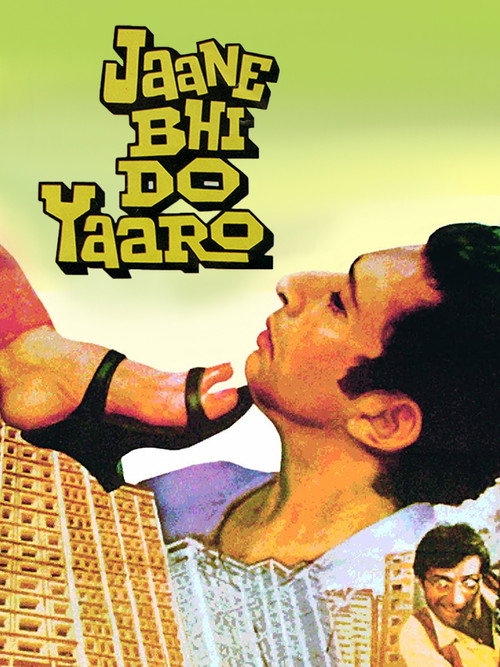
Jaane Bhi Do Yaaro1983
Both are unsentimentally Indian, both trust the viewer to find meaning in observation rather than explanation, both see Mumbai/Maharashtra as a character in itself.
A cult Hindi comedy-thriller about two photographers in corrupt Mumbai. Recommending it because it's also Marathi cinema ancestry—the DNA that flows into films like Killa. Anarchic, funny, alive to injustice. Essential if you want to understand the tradition Killa inherits.
But Made in 1983, grainy and chaotic. The comedy is political and sometimes raucous. If you want sentiment, you won't find it here.
People
Cast
 Amruta SubhashAruna Kale
- Archit DeodharChinmay Kale
 Parth BhaleraoBandya
- Gaurish GawadePrince / Yuvraj
- Atharva UpasniOmkar
 Umesh JagtapFisherman (Koli)
- Swandand RaikarUmesh
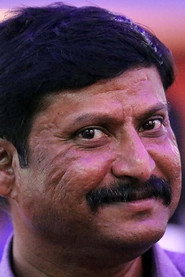 Shrikant YadavMr. Nivte
- Shivalati BokilDamle Aaji
- Jui KahateSwarali
Directing
- Avinash ArunDirector
Writing
- Upendra SidhayeDialogue
- Tushar ParanjapeScreenplay
- Tushar ParanjapeStory
Production
- Akshay M. MusleCo-Producer
- Nikhil SaneCo-Producer
- Sajid MansuriCo-Producer
- Nishant Roy BombardeExecutive Producer
- Ajay RaiProducer
- Alan McAlexProducer
- Madhukar R MusleProducer
- Nitin KeniProducer
- Ranjit GugleProducer
- Vishesh AgrawalSupervising Producer