
Film
Taxidermia
Taxidermia is a Hungarian provocation that lurches through three generations—an orderly obsessed with a colonel's wife, a competitive eater chasing glory, and a taxidermist pursuing impossible preservation. It's grotesque and darkly funny, formally inventive, and genuinely unsettling. For viewers who want cinema to feel dangerous, who love weird national cinema, and who aren't afraid of bodies as metaphor.
Should you watch it?
Watch it if you like films that treat the body as a source of both disgust and absurd tenderness, and you don't mind a story that jumps between eras with a painter's sense of grotesque detail.
Skip it if your stomach turns easily, since the gore and bodily detail are unrelenting and some scenes linger on them longer than the joke can bear.
What it asks of you: Three separate stories, each slow and deliberately strange, with the humor arriving at odd angles; it wants patience more than attention.
Not sure? Find tonight's pick in a minute.
If you liked this
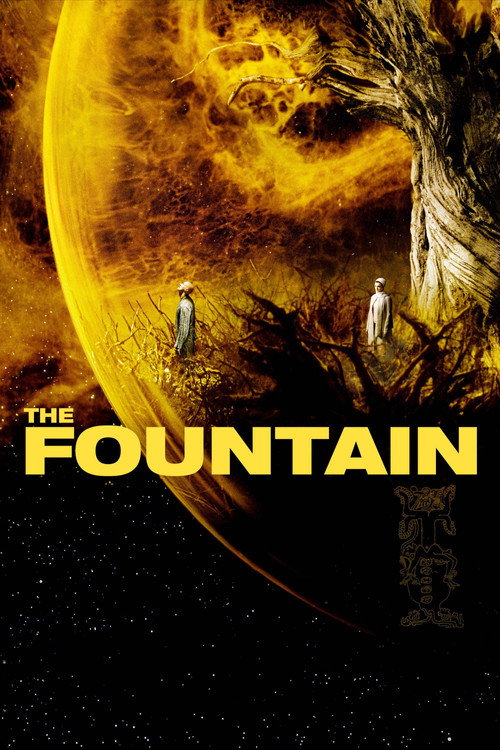
The Fountain2006
Aronofsky's three-timeline epic also uses bodies as vessels for desire across generations. Visually stunning and emotionally devastating, it shares Taxidermia's willingness to make beauty from decay and obsession.
But Deliberately obscure and glacially paced. Many find it pretentious rather than profound, and it demands patient, active viewing.
The Killing of a Sacred Deer2017
Yorgos Lanthimos makes formal horror from family dysfunction. Like Taxidermia, it's composed and controlled while depicting something deeply wrong, mixing dread with dark comedy.
But The dialogue is deliberately flat and the logic is dreamlike rather than realistic. Some viewers find this alienating rather than unsettling.

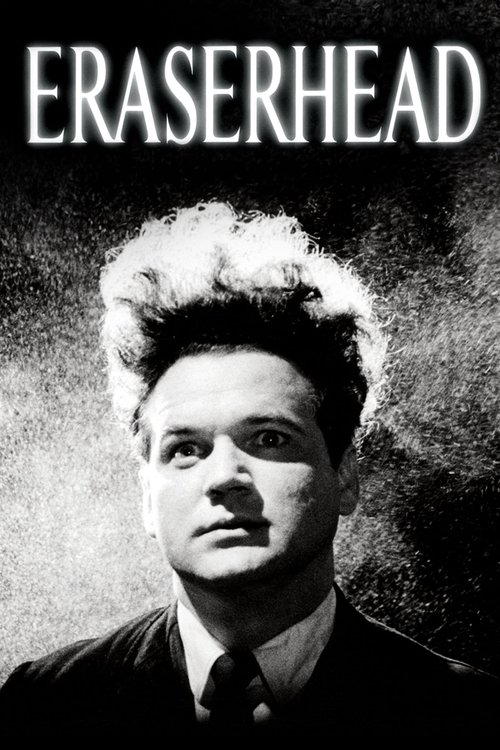
Eraserhead1977
Lynch's industrial nightmare shares Taxidermia's fusion of body horror, sexual anxiety, and the grotesque-as-art. Both feel like fever dreams about desire and failure.
But In black and white, deliberately obscure, barely ninety minutes but feels longer. If you want plot or conventional narrative, this will frustrate you.
Not sure tonight? Get a pick in a minute, starting from Taxidermia
The wildcard
Something you would not have found on your own.
La Haine1995
Both use bodily degradation and formal control to map generational failure and social systems destroying individual desire.
Mathieu Kassovitz's three-act descent through Paris in a single day uses formal beauty to document social decay and bodily violence. Like Taxidermia, it's about generations failing, desire meeting dead ends, and how systems corrupt the flesh.
But Agitprop cinema that refuses to be subtle. It's explicitly political rather than metaphorical, which some find heavy-handed.

More like this (8)
Come and See1985
Russian war film that transforms bodies into landscape and meaning. Like Taxidermia, it uses graphic physicality as a language for psychological and historical trauma, not shock value.
But Genuinely difficult to watch. It's pessimistic, brutal, and offers no catharsis or conventional closure.

A Prophet2009
French prison drama tracking a man's transformation across years. Shares Taxidermia's interest in how environment and desire reshape a person physically and spiritually over time.
But Over two and a half hours and methodical. Plot matters less than observing slow character mutation, which isn't for everyone.

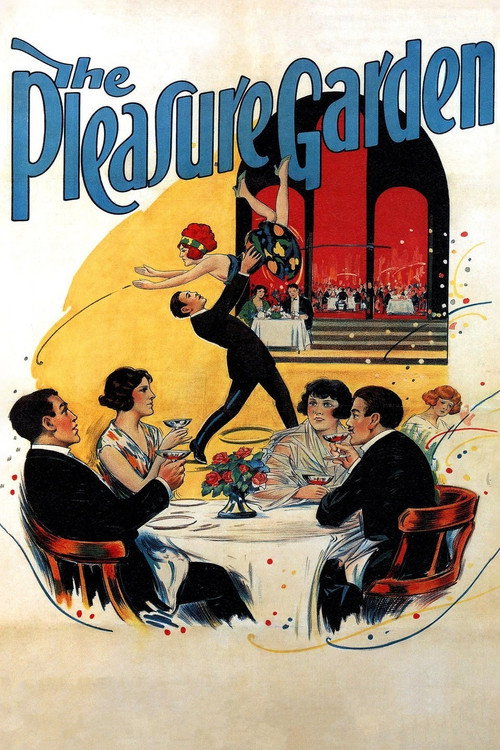
The Pleasure Garden1925
Hitchcock's debut is a sensual chaos of desire, jealousy, and moral decay. Formal experimentation, non-linear storytelling, and the body as corrupted text all predate Taxidermia's strategies.
But Silent film from the 1920s. If you're unused to reading intertitles and reading performance, the pacing may feel glacial.
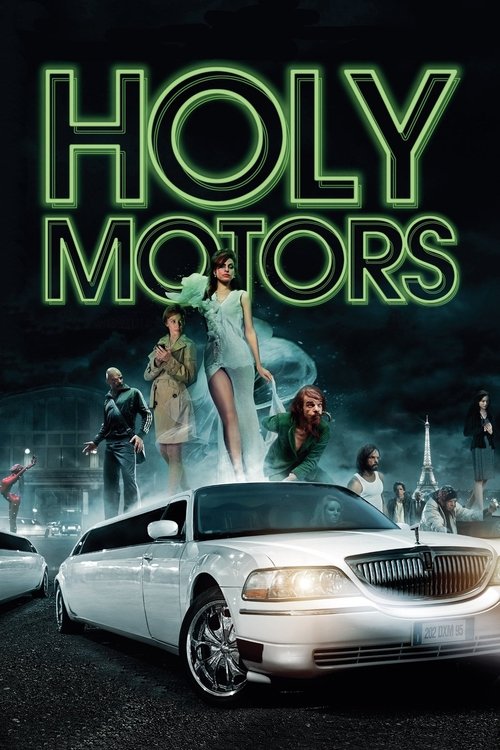
Holy Motors2012
Leos Carax's fever dream about identity and performance. Like Taxidermia, it's formally audacious, resists interpretation, and finds comedy and dread in the instability of the human form.
But Almost impossible to parse. Some see it as brilliant; others see it as self-indulgent nonsense. Either way, it doesn't yield to conventional analysis.
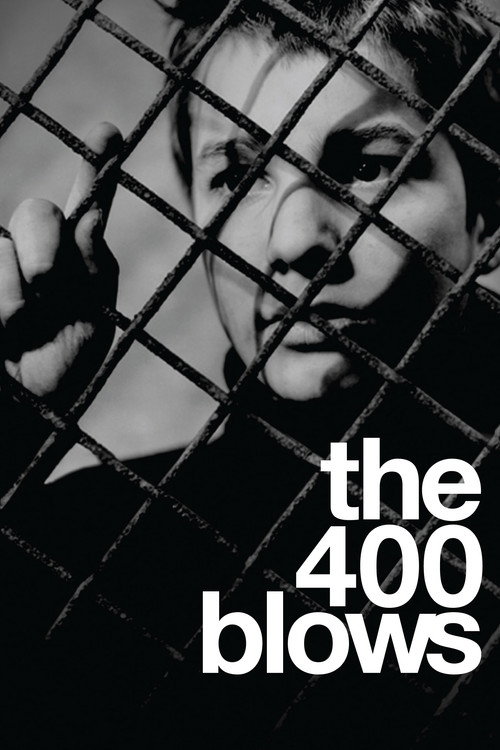
The 400 Blows1959
Truffaut's breakthrough is about a boy's gradual corruption by circumstance and desire. Like Taxidermia, it spans time to show how obsession and circumstance reshape a person.
But Slower than modern cinema and the ending is famously ambiguous. If you want narrative resolution, this film withholds it deliberately.
The Killing1956
Kubrick's nonlinear noir about obsession and bodily consequence. Both films use formal experiment to show how desire and time destroy the people who harbor them.
But Fragmented structure can feel cold rather than engaging. Black and white, mid-1950s, and the plot takes work to follow.

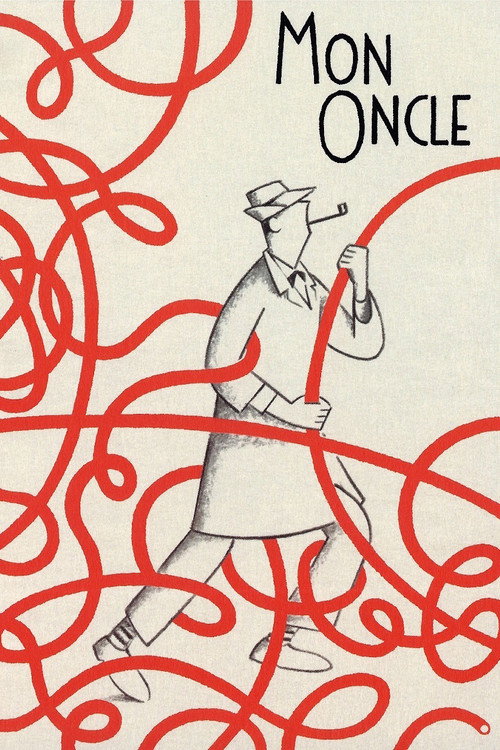
Mon Oncle1958
Both are about men becoming specimens, preserved by circumstance and desire, unable to adapt. Comedy emerges from watching people calcify.
Jacques Tati's comedy about a man lost between old and new worlds uses space, not words, to explore obsolescence and the body as anachronism. Like Taxidermia, it finds dark comedy in people becoming relics.
But Essentially a silent film with minimal dialogue. Long sequences with minimal plot. If you need narrative momentum, you'll find it boring.
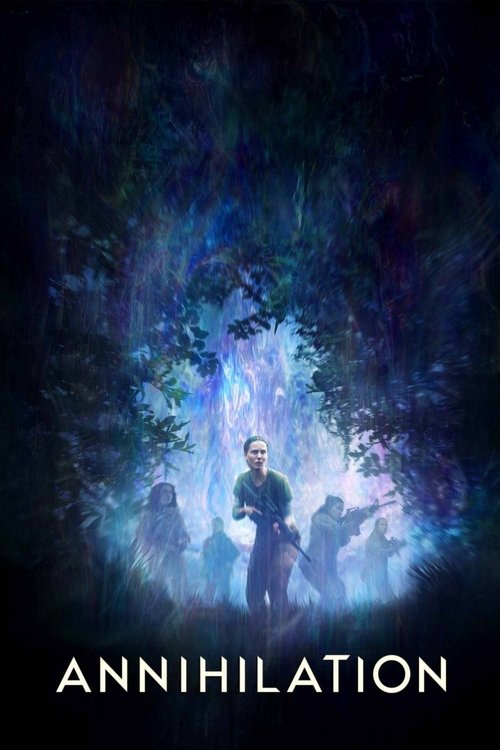
Annihilation2018
Both films use mutation and preservation as metaphors for desire's impossible goals. Bodies transform toward something unknowable. Beauty and dread are inseparable.
Alex Garland's science-fiction meditation on transformation and preservation. Bodies mutate and fuse in The Shimmer; like Taxidermia, it's about desire for transcendence meeting bodily horror, visual beauty masking dread.
But Science-fiction ambiguity disguises as profundity to some viewers. The plot is secondary to mood and visual idea, which frustrates plot-driven audiences.
People
Cast
 Csaba CzeneVendel Morosgoványi
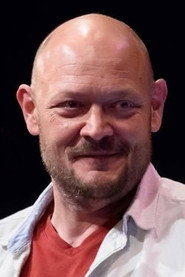 Gergely TrócsányiKálmán Balatony
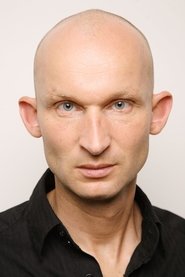 Marc BischoffLajos Balatony
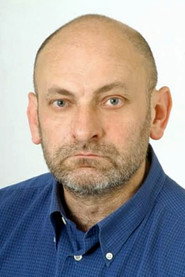 István GyuriczaYoung lieutenant
 Piroska MolnárLieutenant's wife
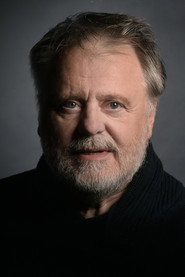 Gábor MátéOld Kálmán Balatony
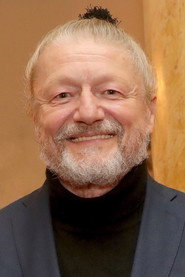 Géza D. HegedűsDr. Andor Regőczy
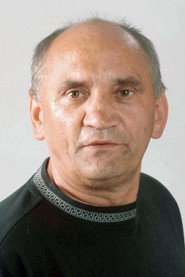 István HunyadkürthyUncle Jenõ
- Zoltán KoppányBéla Miszlényi
- Adél StanczelGizi Aczél
- Mária BodorBába
- Albert OláhSegéd
Directing
- György PálfiDirector
Writing
- György PálfiScreenplay
- Zsófia RuttkayScreenplay
Production
- Gábor VáradiExecutive Producer
- Péter MiskolcziExecutive Producer
- Alexander Dumreicher-IvanceanuProducer
- Alexandre Mallet-GuyProducer
- Emilie GeorgesProducer
- Gabriele KranzelbinderProducer