
Film
Bad Boy Bubby
- Drama
- Very dark
- Strange
Bad Boy Bubby is a Australian transgressive comedy-drama about a man released into the world after three decades of imprisonment by his mother. It's deliberately nauseating and anarchic—part feral coming-of-age, part social satire, entirely uncompromising. For viewers willing to sit with discomfort and find dark humour in genuine depravity.
Should you watch it?
Watch it if you like black comedy that treats a sheltered outsider's first taste of the world with deadpan candour, and you don't mind being made uneasy while you laugh.
Skip it if you need a story with a clear arc and steady pacing, since this one wanders episodically and its cruelty and bleakness can feel relentless rather than purposeful.
What it asks of you: Two hours in a stretch of episodes, shifting between grubby comedy and real unease, with a lead whose blank wonder you'll sit with rather than look away from.
Not sure? Find tonight's pick in a minute.
If you liked this
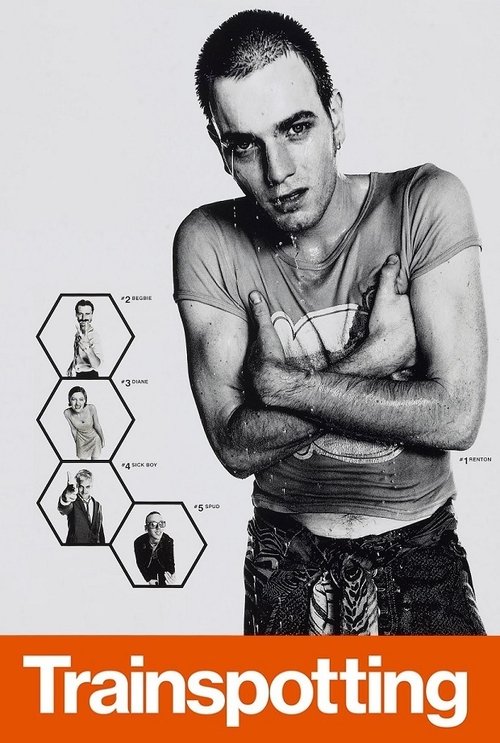
Trainspotting1996
A similarly visceral immersion in a subculture's daily chaos and moral collapse. Both films refuse to prettify degradation, using stylistic extremity to make their point rather than soften it.
But The assault-on-senses filmmaking exhausts some people, and if that doesn't, the sheer bleakness of the narrative choices will.
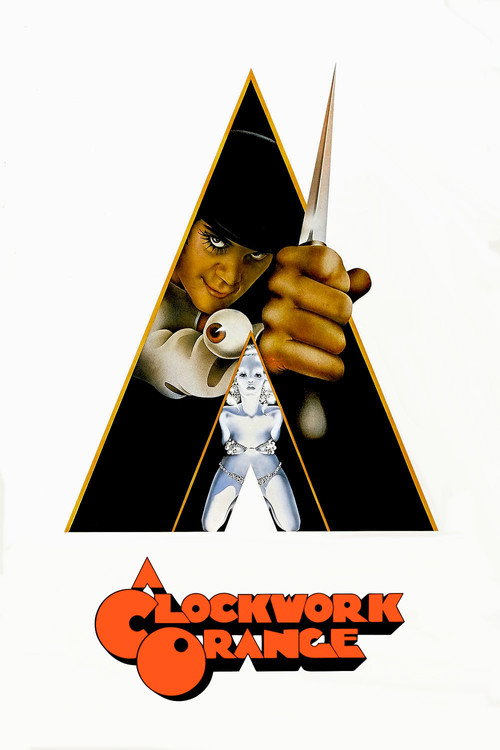
A Clockwork Orange1971
Kubrick's study of a sociopath forced to reckon with society mirrors Bubby's journey—both probe whether depravity is chosen or installed. Same unflinching moral ambiguity.
But It's visually grotesque by design, and the sexual violence, while thematic, remains deeply uncomfortable to witness.
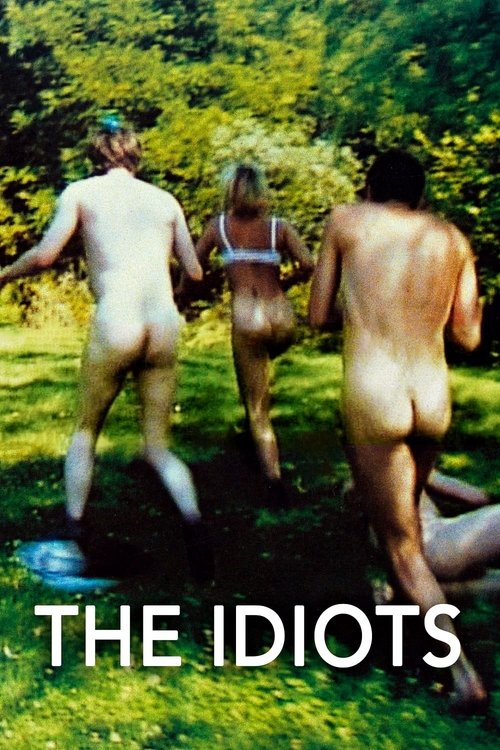
The Idiots1998
Dogme 95 provocation about bourgeois people performing intellectual disability. Like Bubby, it's deliberately antagonistic toward polite cinema and audience comfort.
But The hand-held camera work induces motion sickness in some viewers, and the subject matter will alienate many before it enlightens them.
Not sure tonight? Get a pick in a minute, starting from Bad Boy Bubby
The wildcard
Something you would not have found on your own.
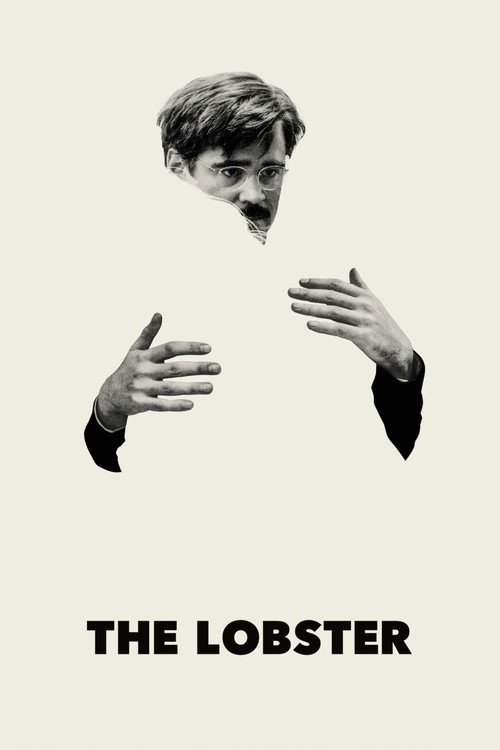
The Lobster2015
Both use formal strangeness and a naive protagonist to expose how arbitrary our social rules actually are. Same structural inquiry, radically different register.
Yorgos Lanthimos creates a sterile, incomprehensible world where absurdist logic replaces ours. Like Bubby, a protagonist navigates a society with arbitrary rules and grotesque rituals—same unsettling tone, completely different language.
But It's deadpan to the point of seeming emotionless. The dry Greek-European sensibility alienates viewers expecting narrative momentum or conventional character development.
More like this (8)
Come and See1985
A brutal immersion in chaos and trauma where the protagonist's innocence is systemically destroyed. Both films use their protagonist's journey as an indictment of the world around them.
But This is a war film about child soldiers in WWII. It's among cinema's most agonizing experiences, and not for casual viewing.

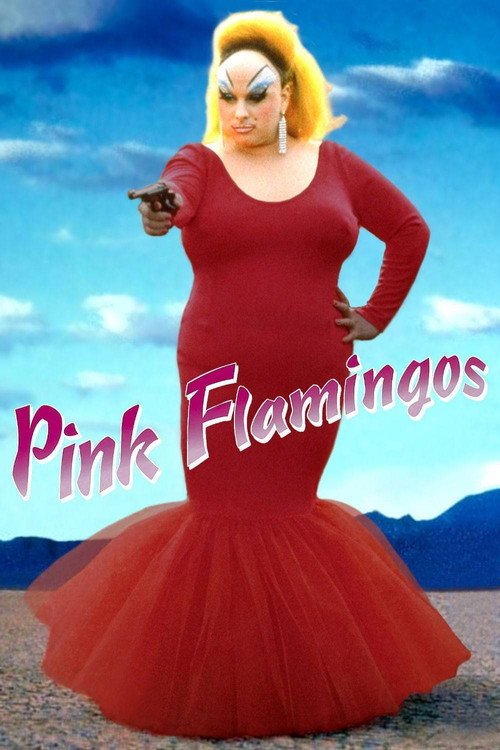
Pink Flamingos1972
John Waters' intentional affront to taste and decency. Both films weaponize transgression as social commentary, revelling in the viewer's discomfort as part of the work.
But Divine eats dog faeces on screen. If that doesn't deter you, the anachronistic camp style and paper-thin plot might.
Requiem for a Dream2000
Another descent into chaos where formal experimentation matches psychological disintegration. Both use grotesque imagery to convey spiritual and social rot, not just for shock value.
But The editing creates genuine nausea and anxiety. It's designed to make you suffer—some people don't want cinema to do that.

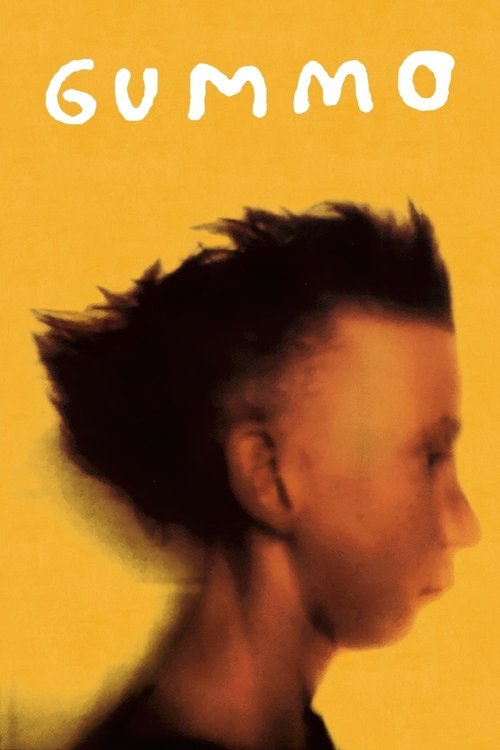
Gummo1997
Harmony Korine's collage of Americana grotesquerie captures the same feral energy and alienation. Both films treat society's margins with unflinching, disturbing specificity.
But It's deliberately plotless and incomprehensible in places. The rural depravity might read as exploitative rather than satirical, depending on your tolerance.
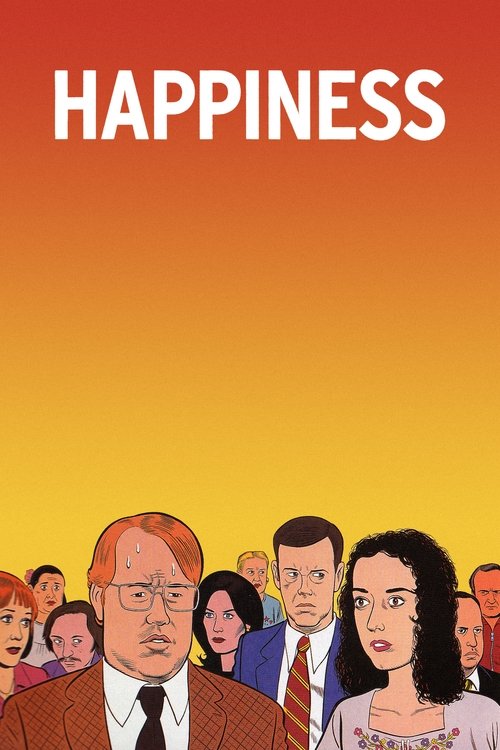
Happiness1998
Todd Solondz's suburban nightmare finds comedy in pedophilia, sexual dysfunction, and despair. Like Bubby, it's morally transgressive cinema that refuses to blink or apologize.
But A paedophile is a major character. The film uses that for inquiry, not endorsement, but it remains harrowing and potentially unwatchable.
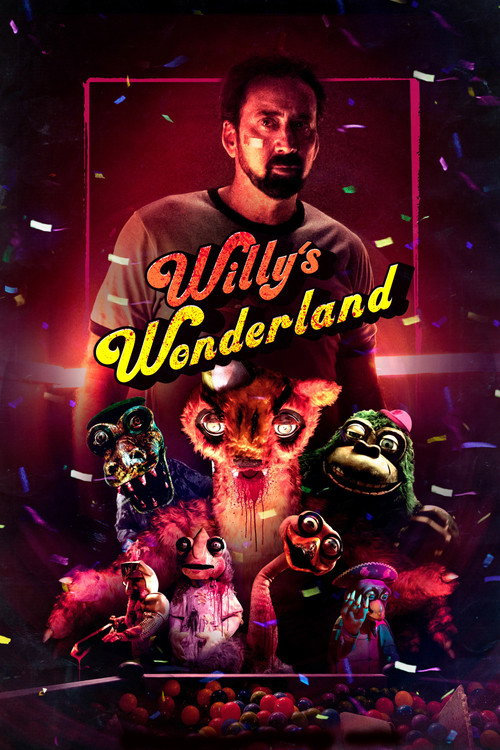
Willy's Wonderland2021
A Nic Cage midnight-movie oddity about a man systematically destroying an animatronic hellscape. Both films have chaotic energy and protagonist-vs-world dynamics wrapped in absurdist humour.
But It's deliberately stupid in ways that feel aimless rather than pointed. The fun wears thin if you're not already on board with throwaway premise-driven action.
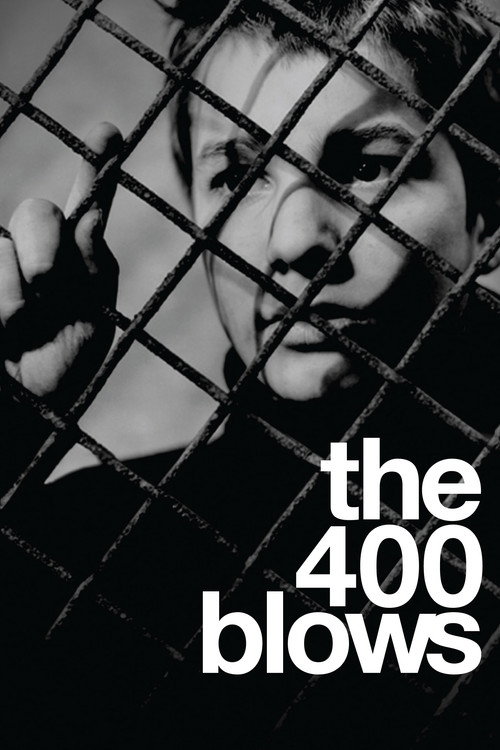
The 400 Blows1959
Both trace how systems designed to contain or correct young people actually damage them. Truffaut says it with melancholy; Rolf de Heer says it by making you recoil.
Truffaut's humanist portrait of a boy adrift in hostile systems—neglected by family, chewed up by institutions. Bubby is the dark mirror: same themes of entrapment and incomprehension, heartbreaking instead of grotesque.
But It's a gentle, lyrical film from 1959. If you're coming from Bubby's visceral assault, the poetic restraint might feel slow or sentimental.
Raw2017
Both are transgressive films about emergence into appetite and agency—what happens when the contained finally consume. Both weaponize body horror as philosophical inquiry.
A young woman's cannibalistic awakening—half body-horror, half feminist coming-of-age. Like Bubby, it's a transgressive primer on how repression metastasizes into violence, but told through sensory and sexual rather than social degradation.
But It's genuinely nauseating. The graphic depictions of flesh and hunger are not metaphorical. If Bubby made you queasy, this won't relieve that.

People
Cast
 Nicholas HopeBubby

 Syd BrisbaneYobbo
 Ullie BirvéRobbed Woman
- Natalie CarrCherie the Salvo
 Celine O'LearyWoman in Mercedes
- Carmel JohnsonAngel
 Grant PiroSalesman
 Audine LeithFondled Salvo
 Lucia MastrantonePizza Waitress
- Nikki PriceScreaming Woman
Directing
- Rolf de HeerDirector
Writing
- Rolf de HeerWriter
Production
- Domenico ProcacciProducer
- Giorgio DraskovicProducer
- Rolf de HeerProducer