
Film
I Stand Alone
- Drama
- Very dark
Gaspar Noé's brutal debut follows a violent man trying to rebuild after prison, consumed by rage and delusion. It's punishing cinema—visceral, deliberately ugly, shot through with authentic pain. For viewers willing to sit with ugliness to understand it, this is essential. Everyone else: stay far away.
Should you watch it?
Watch it if you want a bleak, confrontational character study where a single furious man's worldview is laid bare and the camera refuses to look away, and you're drawn to cinema that hurts on purpose.
Skip it if the misery is relentless and the deliberately ugly, abrasive style can feel like an endurance test more than a story, with almost no room to breathe.
What it asks of you: Expect a short, sharp run of under ninety minutes, with long stretches of unbroken, uncomfortable watching and little relief from the grim mood.
Not sure? Find tonight's pick in a minute.
If you liked this
Requiem for a Dream2000
Darren Aronofsky's four-person descent into addiction hits with the same uncompromising force. Noé and Aronofsky share a refusal to soften human wreckage or offer easy redemption.
But The visual assault is constant and intentional. It's designed to exhaust you, not entertain you. Some will find that pretentious.

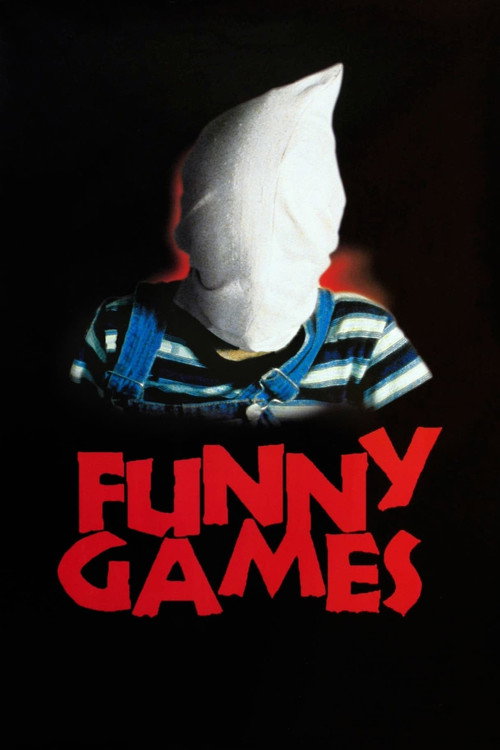
Funny Games1997
Haneke's home-invasion film is equally interested in viewer complicity and our appetite for watching suffering. Both films turn the camera on us, the audience, as much as on their characters.
But It's glacial and intellectual in ways that can feel remote. The provocation sometimes overwhelms the human story.
Come and See1985
A Soviet film about a boy in WWII that achieves something Noé admires: showing atrocity without mythologizing it. Both films leave you changed, not entertained.
But It's even harder to watch than *I Stand Alone*. Not everyone needs to see this much suffering, even for art's sake.

Not sure tonight? Get a pick in a minute, starting from I Stand Alone
The wildcard
Something you would not have found on your own.
Under the Skin2014
Both use repetition, naturalistic settings, and the camera's cold eye to suggest a mind that cannot access normal human feeling. Both are about observing without understanding.
Jonathan Glazel's film is also about watching—a human face observing humanity from outside. Both films use the camera as a tool of alienation, asking what it means to be unable to connect.
But It's formally experimental in ways *I Stand Alone* isn't. The payoff is ambiguous and some will find it pretentious rather than profound.

More like this (8)
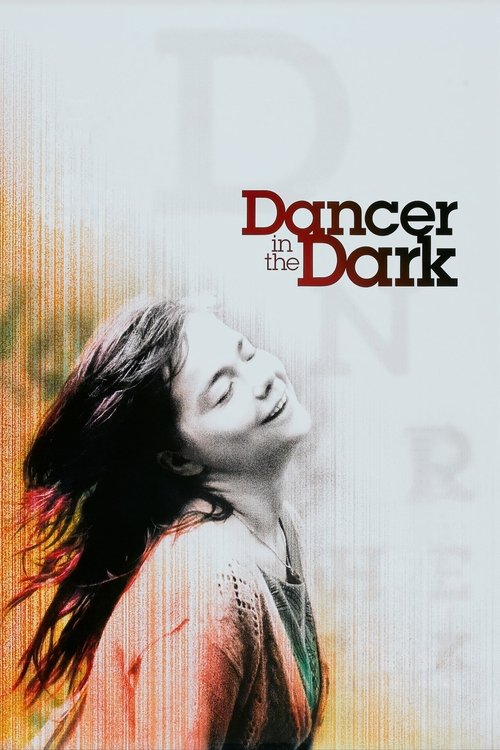
Dancer in the Dark2000
Lars von Trier's Selma is trapped by circumstance and her own choices in ways that echo the Butcher's imprisonment. Both are about people who cannot escape themselves.
But It's emotionally manipulative in a way *I Stand Alone* isn't—von Trier wants you to cry. Some will resent that agenda.
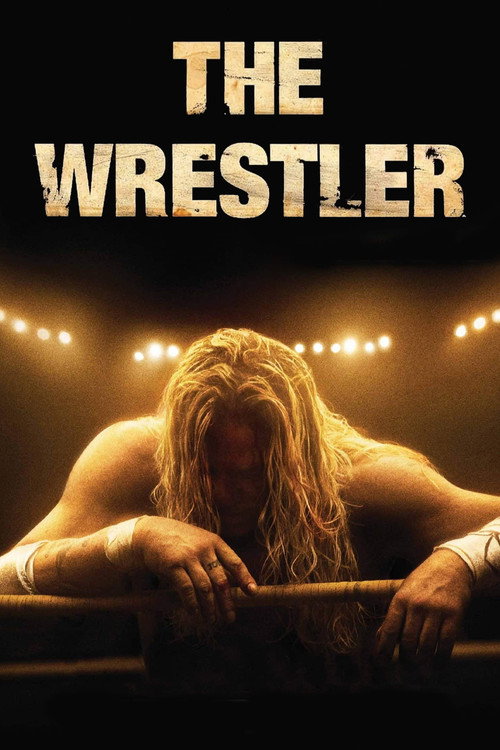
The Wrestler2008
Aronofsky again: a man destroying himself through work, dignity, and denial. It has Noé's interest in watching someone you don't like, seeing why they are as they are.
But It's depressing in a more conventional way. You might just feel sad instead of unsettled.
A Prophet2009
Jacques Audiard's prison film traces how institutions and violence warp a man into something unrecognizable. The slow corruption is hypnotic and terrifying.
But It's nearly three hours and the pace is glacial. Patience is not optional.

Stalker1979
Tarkovsky's spiritual opposite: where Noé shouts, Tarkovsky whispers. Both believe cinema can show us what's broken in us, but through completely different methods.
But It's slow, abstract, and spiritual in ways that have nothing to do with *I Stand Alone*. You might watch it to understand Noé better, not because you'll enjoy it.

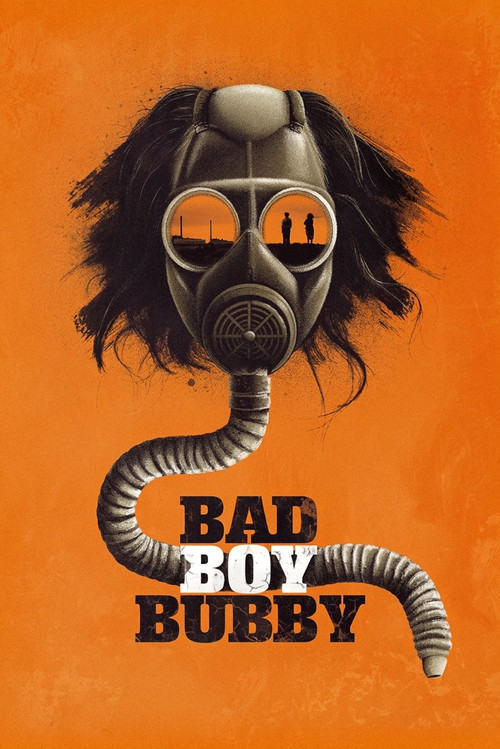
Bad Boy Bubby1993
Australian cult film about a man raised in captivity discovering the world. Like the Butcher, Bubby is violent and broken, but the film finds tragicomedy in his confusion.
But The tonal whiplash is severe—it swings between horror and absurdism. Some will find that confusing rather than powerful.
In the Mood for Love2000
Wong Kar-wai's opposite: devastation expressed through beauty and restraint. A study in how people fail to connect, told in color and shadow instead of ugliness.
But It's the most "watch for the artistry" film on this list. If you're not moved by style, it might feel hollow.

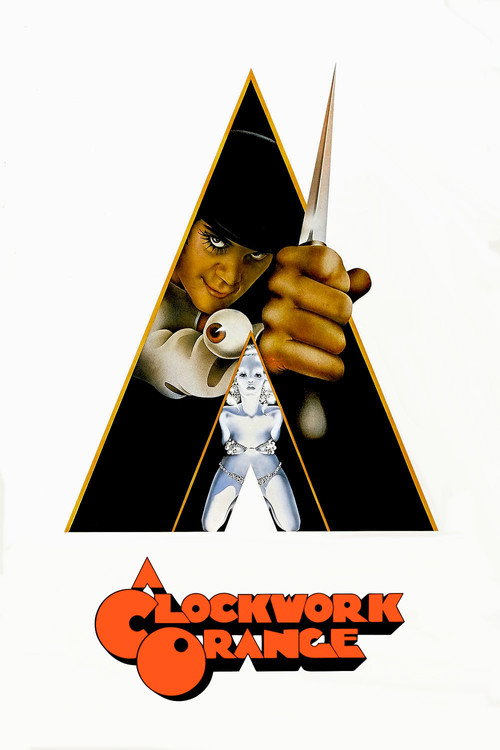
A Clockwork Orange1971
Both provoke not through gore but through the question: what do we do with people we cannot fix? Both refuse sentimentality as an answer.
Kubrick's film is also about whether a violent man can change, and whether we can look at him without flinching. It asks the same questions about agency and redemption.
But It's much more stylized and baroque than Noé's rawness. Some find it distasteful in a dated way—the sexualized violence feels like it's from a specific era.
The Turin Horse2011
Both are about a man unable to escape his circumstances, both use the repetition of daily life to show how a mind calcifies. Both end without redemption.
Béla Tarr's final film: a man and woman in repetitive decay, their routines slowly tightening into catastrophe. It's Noé without violence—ugliness achieved through monotony instead of shock.
But It's in black and white, runs 155 minutes, and almost nothing happens. It's a test of whether you believe film can be purely contemplative about suffering.

People
Cast
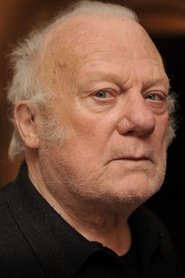 Philippe NahonThe Butcher
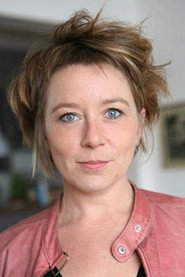 Blandine LenoirDaughter
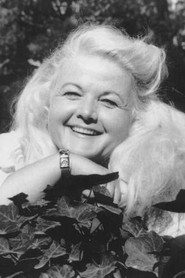 Frankie PainMistress
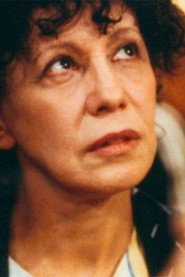 Martine AudrainBelle-Mere
- ZavenMan with Morals
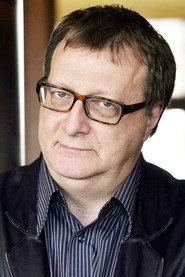 Jean-François RaugerReal Estate Agent
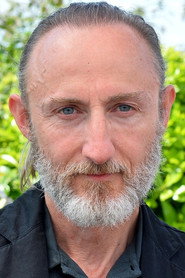 Guillaume NiclouxSupermarket Manager
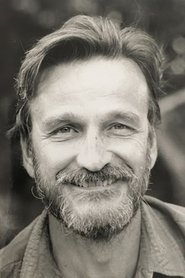 Olivier DoranPresenter (voice)
- Aïssa DjabriDoctor Choukroun
- Serge FaurieDirector of Hospital
- Frédéric PfohlHospital Nurse
- Stéphanie SecHospital Nurse
Directing
- Stephane DerderianAssistant Director
- Gaspar NoéDirector
Writing
- Gaspar NoéWriter
Production
- Alain LefebvreLocation Manager
- Gaspar NoéProducer
- Lucile HadžihalilovićProducer