
Film
Licorice Pizza
Paul Thomas Anderson's 1970s San Fernando Valley love story. Two young people—Alana, drifting without direction; Gary, a cocky child actor—orbit each other through a series of half-baked business schemes and romantic false starts. It's loosely plotted, exuberantly acted, and moves like a fever dream of discoverability and desire. For people who love cinema that feels lived-in rather than constructed.
Should you watch it?
Watch it if you love hangout films where wandering, bickering and half-formed schemes add up to a warm, shaggy portrait of a particular time and place, with a comedy that comes from character rather than gags.
Skip it if you need a clear plot engine or tight structure, since this one drifts from episode to episode and some of its vignettes feel more like loose sketches than a building story.
What it asks of you: Two hours and thirteen minutes of mostly unhurried scenes, with a looseness you have to settle into rather than a plot that pulls you forward.
Not sure? Find tonight's pick in a minute.
If you liked this
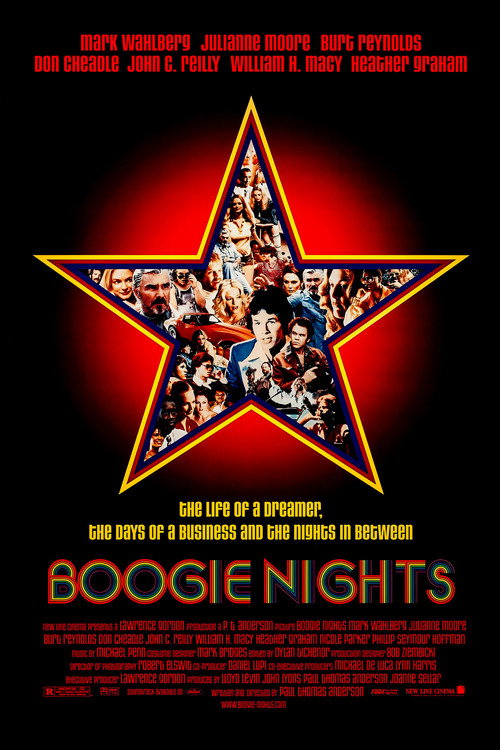
Boogie Nights1997
Anderson's other sprawling ensemble comedy-drama about ambition and desire in a specific Los Angeles subculture. The same generosity toward messy, striving characters; the same pleasure in '70s and '80s surface detail.
But Longer and darker than Licorice Pizza, with harder edges and genuinely ugly moments. Some will find it exhausting rather than exhilarating.
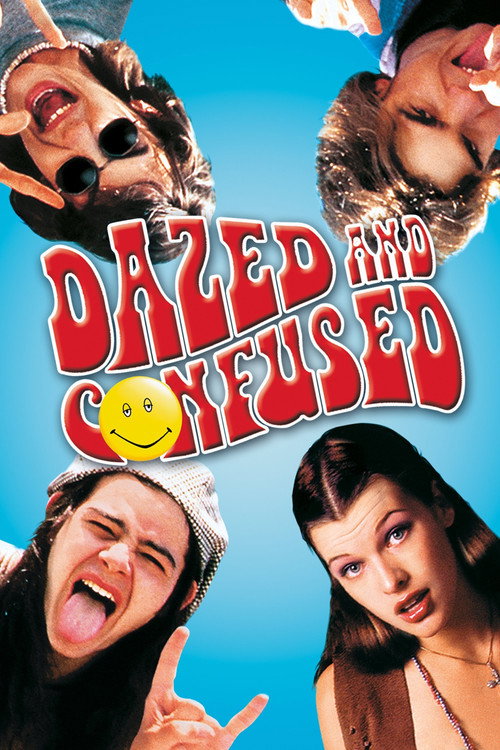
Dazed and Confused1993
Linklater's own San Fernando Valley spiritual cousin: a community portrait held together by mood and digression rather than plot. Same sense of aimless, precious time; same deadpan romance hiding underneath the comedy.
But Even looser in structure. If you found Licorice Pizza frustrating for not going anywhere, this will test your patience further.
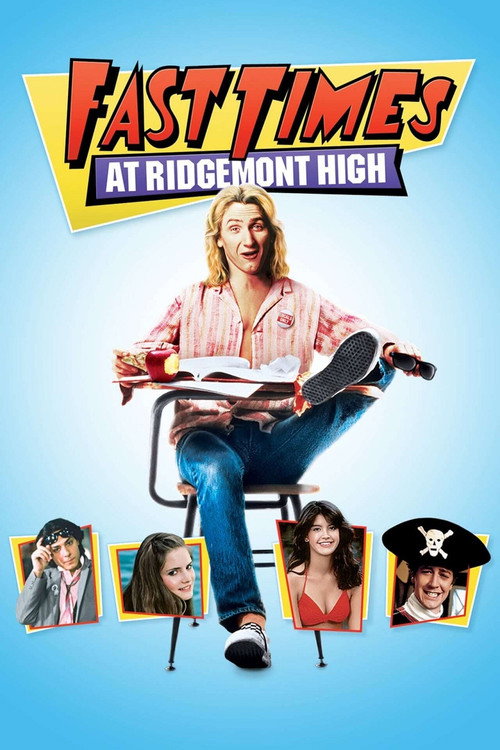
Fast Times at Ridgemont High1982
Cameron Crowe's ensemble high school portrait of California in the '80s. Warm, funny, genuinely interested in how young people actually talk and think, with real romantic uncertainty underneath the surface.
But More traditionally structured; less formally ambitious. It lands differently—less like Anderson's fever dream, more like a fond memory.
Not sure tonight? Get a pick in a minute, starting from Licorice Pizza
The wildcard
Something you would not have found on your own.
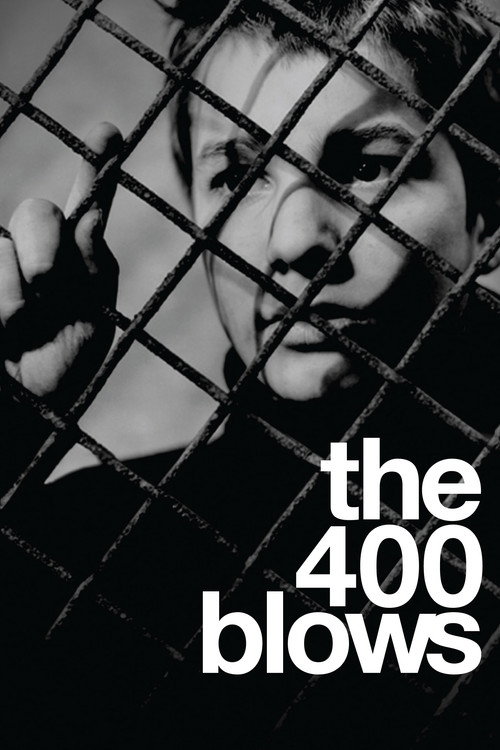
The 400 Blows1959
Both are essentially non-judgmental chronicles of youth in motion—teenagers as complex human beings rather than plot devices. Both find the poetry in aimlessness and the heartbreak in growing up.
Truffaut's foundational film about a young person running loose through Paris, skipping school and stealing and looking for love. The spiritual ancestor of everything Licorice Pizza wants to be: a chronicle of restless youth, formally alive, genuinely tender.
But French New Wave austerity. Fifty years older and slower, even when it moves. Shot in monochrome. The romance is entirely unspoken.
More like this (7)
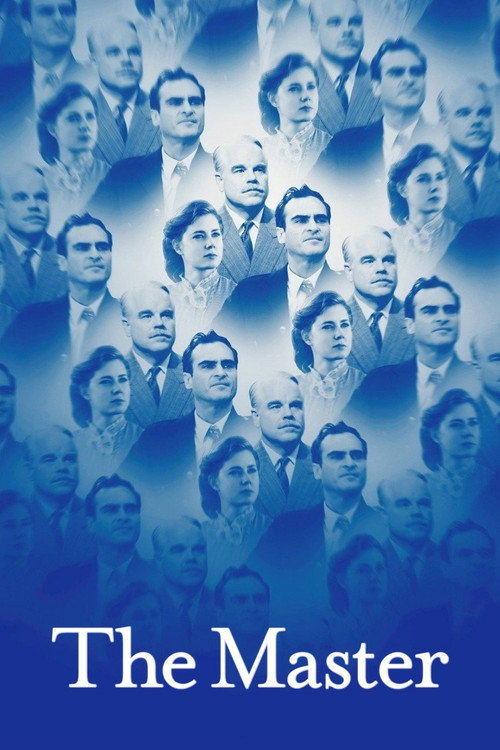
The Master2012
Anderson at his most formally daring, filming intimate two-hander scenes in 65mm. Sees ambition and charisma the way Licorice Pizza does: beautiful and dangerous and utterly human.
But Demanding, oblique, and bleak in ways Licorice Pizza never attempts. Some find it cold. It requires patience with abstraction.
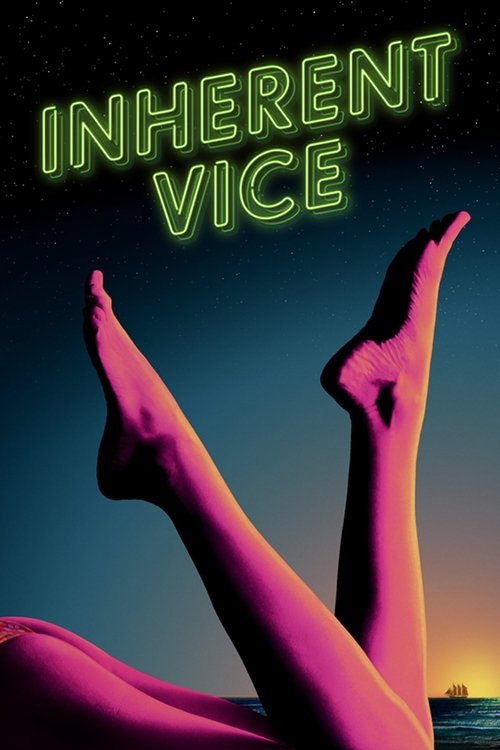
Inherent Vice2014
Anderson and Thomas Pynchon's California '70s mystery, shaggy and warm and funny. Loose plot, immersive period texture, and a real current of affection running underneath the strangeness.
But Deliberately resistant to making sense. Plot dissolves into atmosphere. Some viewers will feel lost; some will feel free.
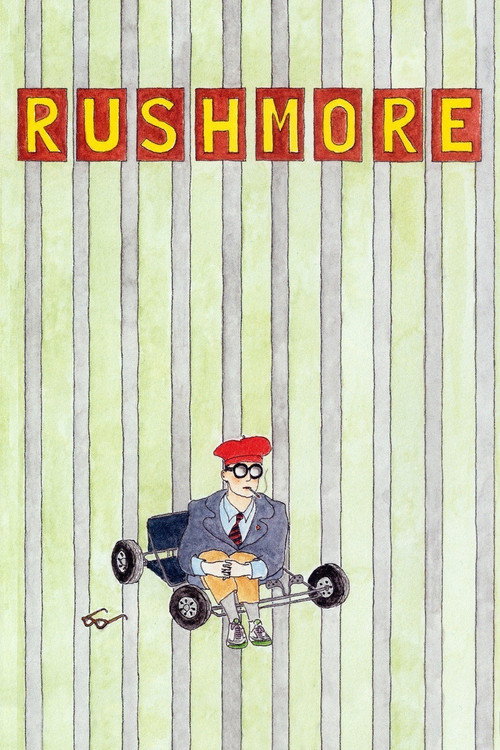
Rushmore1998
Anderson's comedy about a young person's overwhelming charisma and terrible judgment—the emotional core is very close to Licorice Pizza. Smaller, warmer, and formally playful.
But Much shorter and less immersive in its world. Some find the quirk mannered. It's a different frequency altogether.
Phantom Thread2017
Paul Thomas Anderson again, this time making a film about the spaces between two people—unspoken desire, control, and intimacy. Obsessively detailed about texture and gesture.
But It's glacial and controlled, the opposite of Licorice Pizza's rush. Essentially plotless, deeply interior. Not everyone can sit with that kind of stillness.

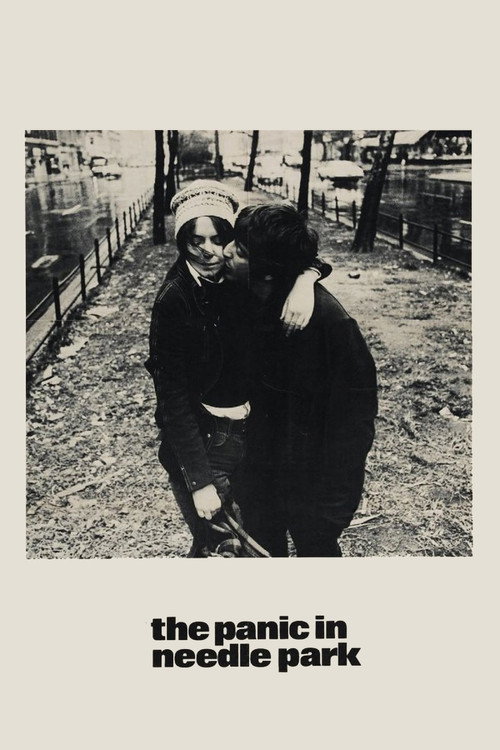
The Panic in Needle Park1971
Early '70s New York drama with an unflinching eye and real tenderness for its characters. Same era as Licorice Pizza, same sense of watching people in real time, same current of doomed romance.
But Much darker and harder to watch. It's a genuine portrait of addiction and it does not sentimentalize. Genuinely upsetting.
Paprika2006
Both films intoxicate you in the present moment rather than asking you to follow a narrative. Licorice Pizza's shaggy plot and Paprika's dream logic serve the same goal: to reproduce the feeling of being young and inside a moment so completely that nothing else matters.
Satoshi Kon's wildly imaginative animated film about overlapping realities, desire, and the way fantasy bleeds into life. Exuberant, formally inventive, intoxicating to watch. A totally different aesthetic language for the same emotional texture.
But Japanese animation, which comes with visual and narrative expectations some viewers find alienating. It's also somewhat incoherent by design—that's the point, but it's still disorienting. Can feel overcomplicated.

Man Bites Dog1992
Both use a deliberately sprawling, digressive formal approach to make you feel present in a specific moment and community. Both trust the audience to handle moral ambiguity. Both are more interested in texture and behavior than plot.
Audacious Belgian found-footage mockumentary that follows a serial killer and the film crew documenting him. Formally provocative, genuinely hilarious, deeply unsettling. It looks lo-fi and disposable but it's structured like a symphony.
But It's a horror film pretending to be a comedy pretending to be a documentary. Graphically violent, morally vertiginous, intentionally destabilizing. Not for anyone uncomfortable with transgressive art.

People
Cast
 Alana HaimAlana Kane
 Cooper HoffmanGary Valentine
 Sean PennJack Holden
 Tom WaitsRex Blau
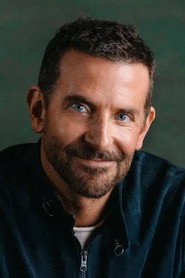 Bradley CooperJon Peters
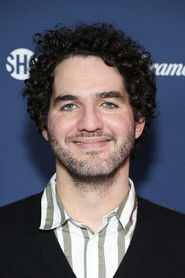 Benny SafdieJoel Wachs
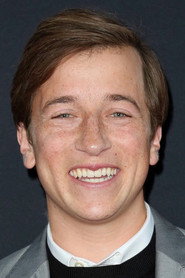 Skyler GisondoLance Brannigan
 Mary Elizabeth EllisMomma Anita
 John Michael HigginsJerry Frick
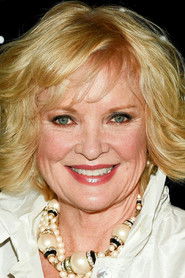 Christine EbersoleLucille Doolittle
 Harriet Sansom HarrisMary Grady
 Joseph CrossMatthew
Directing
- David MarnellAdditional Second Assistant Director
- Paul Thomas AndersonDirector
- Adam SomnerFirst Assistant Director
- Jillian GiacominiScript Supervisor
- Trevor TavaresSecond Assistant Director
- Bob RileySecond Second Assistant Director
- Kasia TrojakSecond Second Assistant Director
Writing
- Paul Thomas AndersonWriter
Production
- Terri DouglasADR Voice Casting
- Ben Thomas HolleyAssistant Location Manager
- Colleen CovielloAssistant Location Manager
- Eric CrocombeAssistant Location Manager
- Keomanee VilaythongAssistant Location Manager
- Kevin DanchiskoAssistant Location Manager
- Mario Rene HernandezAssistant Location Manager
- Ronald M. HaynesAssistant Location Manager
- Scott KradolferAssistant Location Manager
- Taylor EricksonAssistant Location Manager
- Tristan DaoussisAssistant Location Manager
- Zachary QuemoreAssistant Location Manager
- Sofia SnyderAssistant Production Coordinator
- Cassandra KulukundisCasting
- Aaron L. GilbertExecutive Producer
- Daniel LupiExecutive Producer
- Jason ClothExecutive Producer
- JoAnne SellarExecutive Producer
- Susan McNamaraExecutive Producer
- Joseph HicksExtras Casting
- Tracy DixonExtras Casting
- Wendy WilsonExtras Casting
- Kelly HuntExtras Casting Assistant
- Alexis TanasocaFirst Assistant Accountant
- Michael GlaserLocation Manager
- Sophia TapiaPayroll Accountant
- Adam SomnerProducer
- Paul Thomas AndersonProducer
- Sara MurphyProducer
- John WhitleyProduction Accountant
- Bea StoykovaProduction Assistant
- Greg GiebelProduction Assistant
- Kit ConnersProduction Assistant
- Leroy McLeodProduction Assistant
- Nathan M. HaddenProduction Assistant
- Rosalie SangenittoProduction Assistant
- Sarah HuseinProduction Assistant
- Tyler John YoungProduction Assistant
- Sally PottersProduction Coordinator
- Bailey MooreProduction Secretary
- Demelza CroninProduction Supervisor
- David HefflerSecond Assistant Accountant
- Robin EvansSecond Assistant Accountant
- Sydney ShoreSecond Assistant Accountant
- Susan McNamaraUnit Production Manager
Recommended by
Inherent Vice, Anora, Good Luck to You, Leo Grande, Hustle, The Visitor, The Fabelmans, Red Rocket, Antwone Fisher, Happiest Season, The Ranch, Funny People, I Love You, Beth Cooper, The Forty-Year-Old Version, Hello, My Name Is Doris, Love After Love, The Inspection, Thunder Road, The Holdovers, A Star Is Born, The Whale, Bilitis, Bringing Down the House, You, Me, Us, Here Comes the Sun, Patti Cake$