
Film
London: The Modern Babylon
Julien Temple's exuberant love letter to London, weaving centuries of the city's history through archive footage, interviews, and quotations. It's a maximalist collage that treats the city as a living character—chaotic, resilient, perpetually reinventing itself. For anyone who finds cities themselves endlessly fascinating, or who wants to understand how London became London.
Should you watch it?
Watch it if you love city portraits assembled from archive footage and vivid spoken voices, and you don't mind a sprawling collage that wanders rather than follows one clear line.
Skip it if you want a tidy, narrated history with a steady argument; this is more a restless mosaic of fragments, and at just over two hours its digressions can feel long.
What it asks of you: Your attention needs to stay loose for a long stretch, since it jumps across eras and moods, shifting between warmth and harshness without much signposting.
Not sure? Find tonight's pick in a minute.
If you liked this
Synecdoche, New York2008
Charlie Kaufman's dizzy meditation on art, identity, and obsession uses a sprawling theatrical production as a lens onto one man's life. Like Temple's film, it's a city-within-a-city, layered and baroque, asking what we're really building when we build.
But It's exhausting and deliberately opaque. Long stretches seem to resist meaning rather than reveal it. Not for viewers who want catharsis or clarity.

Stalker1979
Andrei Tarkovsky's hypnotic journey into a mysterious zone is as much about what we seek as where we go. Like Temple's film, it moves at its own pace and asks you to sit with image and sound rather than plot. Meditative and profound.
But At 163 minutes with minimal action, it demands patience. Many will find it slow to the point of frustration, even if they admire what it's trying to do.

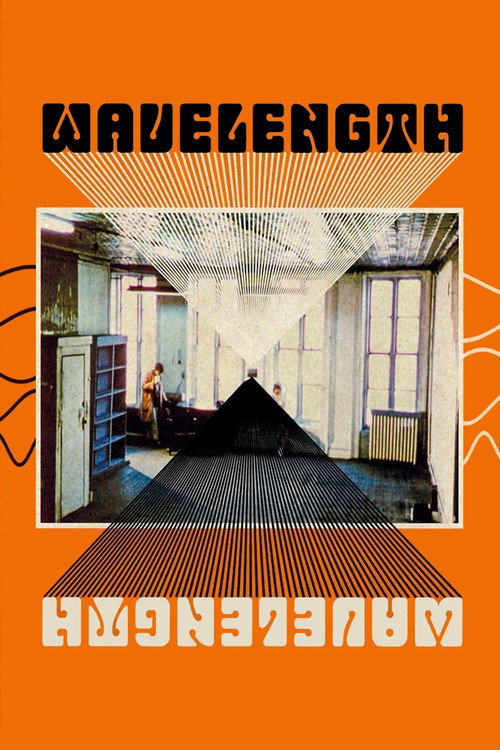
Wavelength1967
Michael Snow's experimental masterpiece is a single 45-minute zoom across a New York loft—a visual essay about time, space, and perception. It shares Temple's conviction that cinema can be essayistic, that form itself is the message. Thrilling in its rigour.
But There's no plot, no characters, no conventional reason to keep watching. It's a formal exercise that many will dismiss as not being a film at all.
Not sure tonight? Get a pick in a minute, starting from London: The Modern Babylon
The wildcard
Something you would not have found on your own.
Kes1970
Both films are love letters to England made by directors who understand that place as personal, political, and inescapable. Temple explodes with joy; Loach whispers with sorrow. They're the same argument in different registers.
Ken Loach's film about a Yorkshire boy and his kestrel is devastating in its simplicity—no voiceover, no irony, just a young life being flattened by circumstance. It's an England Temple knows. The connection: both films are love letters to place, but Loach's has nowhere near the visual fireworks. It's interested in what place *costs*.
But There's no redemption and precious little beauty. It's a film about powerlessness. If you watch Temple for the exuberance, this will feel like the film's opposite—austere and quietly furious.

More like this (7)
Sans Soleil1983
Chris Marker's fragmentary essay-film moves between Tokyo, Guinea-Bissau, and memory itself, held together by a hypnotic voiceover. Like Temple's work, it's a collage that trusts the viewer to find connections. Haunting and intellectually generous.
But The structure is deliberately loose and the pacing meditative. Without a clear narrative thread, some will feel it's deliberately obscure or emotionally distant.

Night and Fog1956
Alain Resnais's 30-minute documentary about Auschwitz is a masterclass in how to use archive material, colour, and measured narration to create something that devastates through form. It shows how Temple's montage approach can carry moral weight.
But It's a meditation on atrocity. Not a film to watch casually. Some will find the detached, poetic approach to such horror difficult to accept.

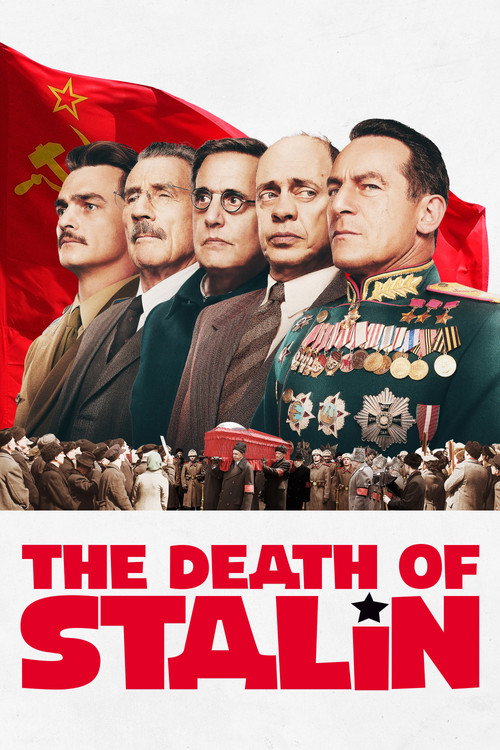
The Death of Stalin2017
Armando Iannucci's black-and-white political satire captures the chaos and competing agendas of a power vacuum with propulsive energy. Like Temple, he uses a specific place and moment to explore bigger ideas about power, memory, and adaptation.
But The satire is brutal and the characters uniformly awful. If you want likeable protagonists or a lighter touch, you won't find them here.
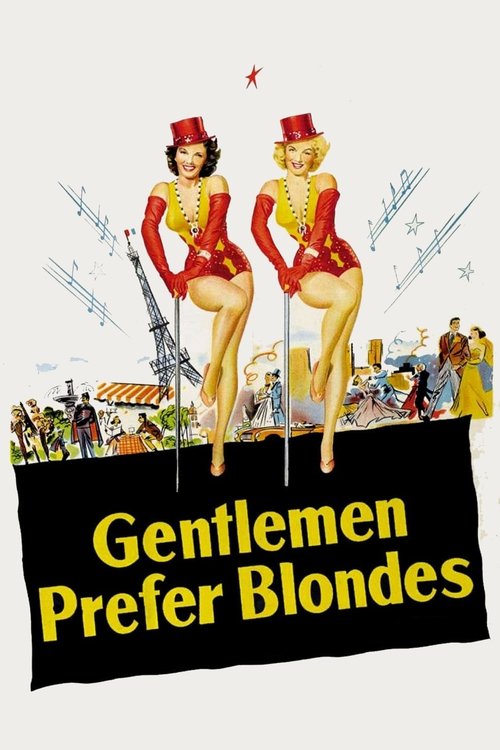
Gentlemen Prefer Blondes1953
Howard Hawks's glittering musical is pure cinema—style as substance. It captures a version of 1950s glamour and sexuality with wit and confidence. A reminder that Temple's visual excess has deeper roots in the joyful artifice of classical Hollywood.
But It can feel dated in its attitudes. The musical numbers, while gorgeous, mean the plot moves in fits and starts. Not everyone's patient with that rhythm.
The Act of Killing2012
Joshua Oppenheimer's unsettling documentary lets Indonesian death squad members restage their killings with theatrical flair. It uses artifice and performance to interrogate violence in ways conventional documentary cannot. Formally inventive and morally serious.
But It's deeply disturbing. The playfulness makes the subject matter more, not less, unbearable. Some will feel manipulated by the style.

Mulholland Drive2001
David Lynch's fractured LA dream is cinema as architecture—layered, contradictory, and full of dead ends. Like Temple's work, it treats a city as a psychological landscape where past and present collapse into each other.
But The narrative deliberately frustrates. It's designed to elude meaning rather than clarify it. Many viewers will feel angry rather than satisfied by its refusal to cohere.

Hiroshima Mon Amour1959
Both films use discontinuous narration and layered archive to ask what it means to *live* in history. Temple celebrates London's adaptability; Resnais shows how history wounds us in ways we can't fully process.
Alain Resnais's formal masterpiece interweaves two stories—a love affair and the atomic bombing—using memory and fragmented chronology as the organizing principle. It shows how Temple's collage method can excavate trauma and emotion rather than celebration.
But The structure is demanding and the tone is elegiac rather than engaging. Some will find it beautiful but cold, more interested in form than feeling.
People
Cast
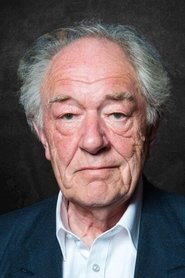 Michael GambonSelf (voice)
 Hetty BowerSelf - Interviewee
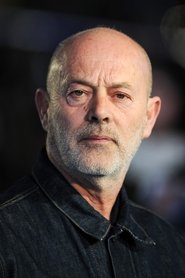 Keith AllenSpoken Quotations (voice)
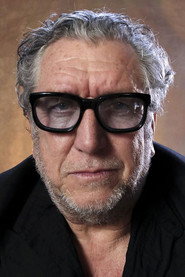 Steve JonesSpoken Quotations (voice)
- Brian NicholsonSpoken Quotations (voice)
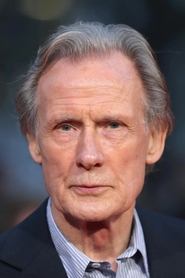 Bill NighySpoken Quotations (voice)
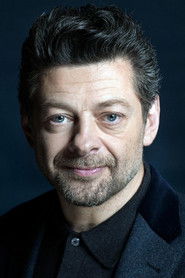 Andy SerkisSpoken Quotations (voice)
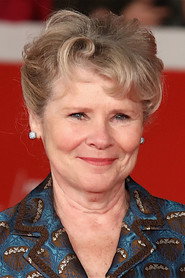 Imelda StauntonSpoken Quotations (voice)
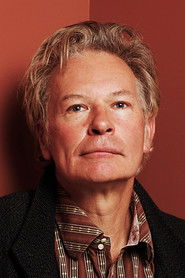 Julien TempleSpoken Quotations (voice)
 Juno TempleSpoken Quotations (voice)
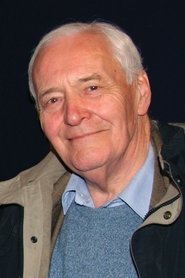 Tony BennSelf - Interviewee
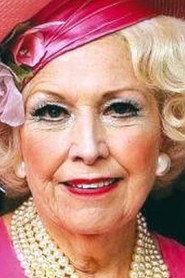 Barbara CartlandSelf - Interviewee
Directing
- Julien TempleDirector
Writing
- Julien TempleWriter
Production
- George HenckenCo-Producer
- Rosa BoschCo-Producer
- Alan YentobExecutive Producer
- Christine LanganExecutive Producer
- Jonty ClaypoleExecutive Producer
- Amanda TempleProducer
- Julien TempleProducer
- Stephen MalitProducer