
Film
Ballet Mécanique
- Musical
- Strange
A 1924 avant-garde silent film where Fernand Léger turns the machine age into pure visual rhythm. Nineteen minutes of geometric forms, fragmented bodies, and industrial objects dancing across the screen with hypnotic precision. No plot, no characters—just pattern, repetition, and the discovery that a bottle cap can be as beautiful as a face. For anyone curious about where modern cinema began.
Should you watch it?
Watch it if you hear rhythm in images and love modernist experiments where cut-up objects, spinning shapes and repeated motion stand in for a plot, the way a score might.
Skip it if you want a storyline or anything resembling drama, since the film offers mainly fragmented imagery and jolting edits that can feel more like a test of patience than an evening's entertainment.
What it asks of you: Barely any story to lean on, so it runs on a flurry of images in under twenty minutes, and you surrender to the rhythm rather than decode it.
Not sure? Find tonight's pick in a minute.
If you liked this
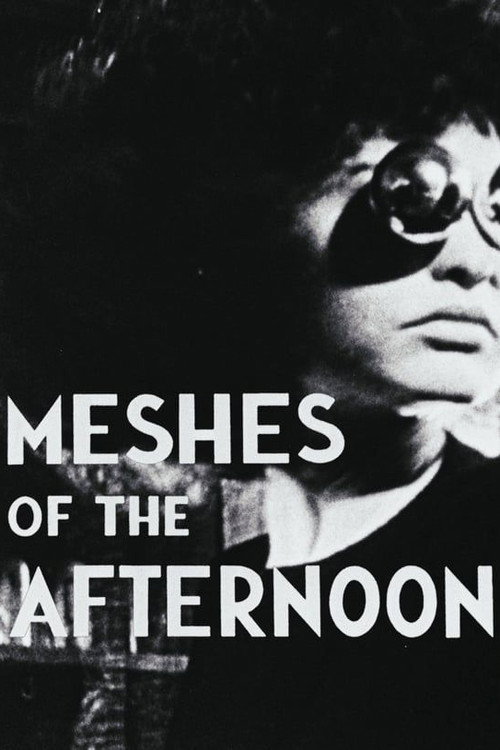
Meshes of the Afternoon1943
Maya Deren's 14-minute masterpiece of surreal repetition and obsession. Like Ballet Mécanique, it hypnotizes through rhythm and abstraction, but trades machines for the uncanny interior of a house. A film that rewires how you see.
But It's deliberately cryptic and offers no explanation. If you need narrative or resolution, this will frustrate you completely.
Man with a Movie Camera1929
Dziga Vertov's dazzling city symphony treats Soviet Moscow like Ballet Mécanique treats machines—as a visual orchestra. Montage, geometry, and the poetry of everyday motion. It's intoxicating and demands to be watched.
But Silent, experimental, and structured around form rather than story. Modern audiences often find it exhausting rather than exhilarating.

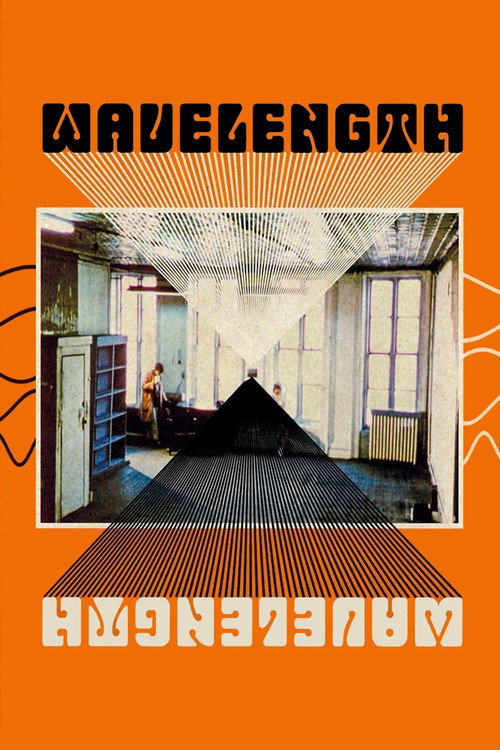
Wavelength1967
Michael Snow's 45-minute single zoom across a loft. Sounds boring; it's transcendent. Like Léger, Snow finds profound abstraction in simple geometry. A meditation on cinema itself and what the camera can reveal.
But It is, genuinely, 45 minutes of a single slow zoom. Not for patience-testing; for endurance. You will check the time.
Not sure tonight? Get a pick in a minute, starting from Ballet Mécanique
The wildcard
Something you would not have found on your own.
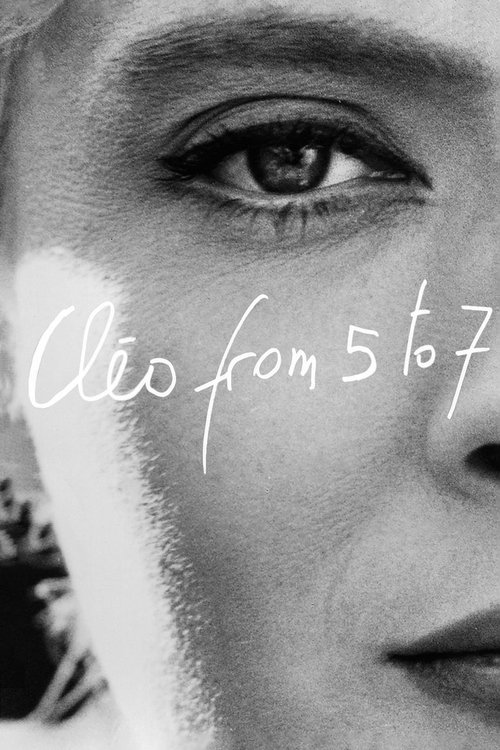
Cléo from 5 to 71962
Both films treat the camera as a way of revealing hidden rhythm in the world. Both believe that sustained observation and precise framing can make the ordinary transcendent. Both are as much about how you look as what you're looking at.
Agnès Varda's 90-minute real-time film about a woman waiting for test results. Streams of movement, color, and urban geometry. Where Ballet Mécanique found poetry in machines, Varda finds it in the city itself—same visual philosophy, human stakes.
But It's deliberately paced and more interested in mood than incident. The plot is minimal; if you need external action, you'll be bored.
More like this (6)
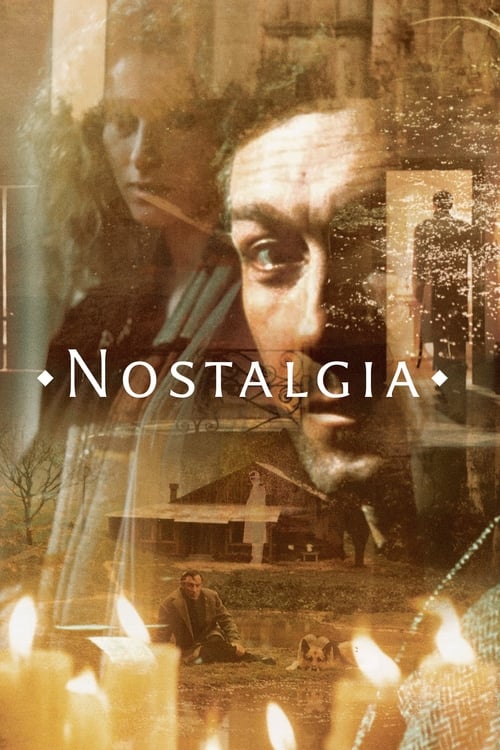
Nostalgia1983
Andrei Tarkovsky's meditative exploration of time, memory, and movement. Shares Ballet Mécanique's belief that cinema is rhythm and image first. Slow, deliberate, profoundly moving in ways words can't touch.
But 163 minutes of Tarkovsky's unhurried pacing. It doesn't entertain; it demands you change speed to meet it.
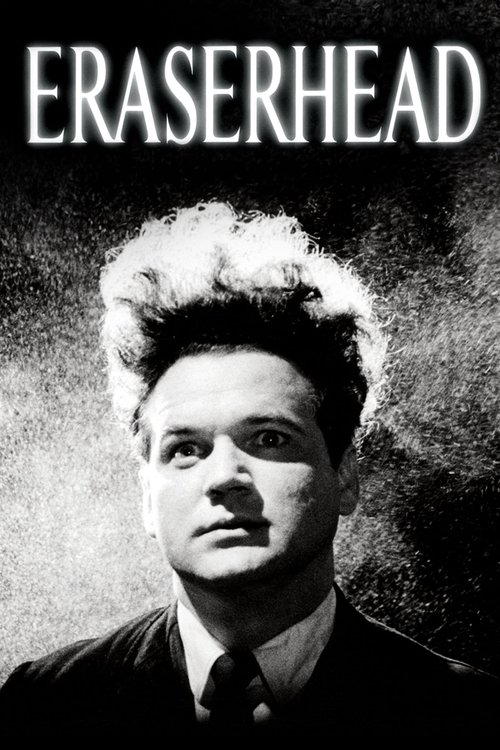
Eraserhead1977
David Lynch's nightmarish industrial landscape. Black-and-white textures, mechanical sounds, fragmented bodies—the aesthetic DNA of Ballet Mécanique twisted into psychological horror. Visionary and unsettling in equal measure.
But Deliberately grotesque and deliberately paced to unsettle. If you want comfort or conventional storytelling, this actively works against you.
Synecdoche, New York2008
Charlie Kaufman's fractured meditation on creation and scale. Like Léger, it finds abstraction in repetition and geometry of human experience. A film about the impossibility of capturing life through art—which is what Léger was doing visually.
But Narratively chaotic, thematically dense, and deliberately resistant to single viewing. It asks more of you than most films dare.

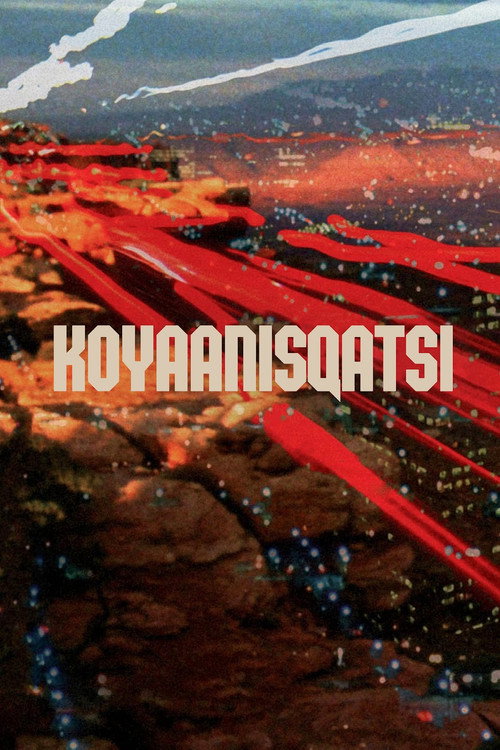
Koyaanisqatsi1983
Godfrey Reggio and Ron Fricke's city-and-nature symphony told entirely through image and sound design. Ballet Mécanique for the 1980s: machines, humans, and landscapes as rhythmic pattern. Genuinely visionary and deeply moving.
But No dialogue, no narrative, no character. Pure cinema. For some people, that's not a film—it's a screensaver.
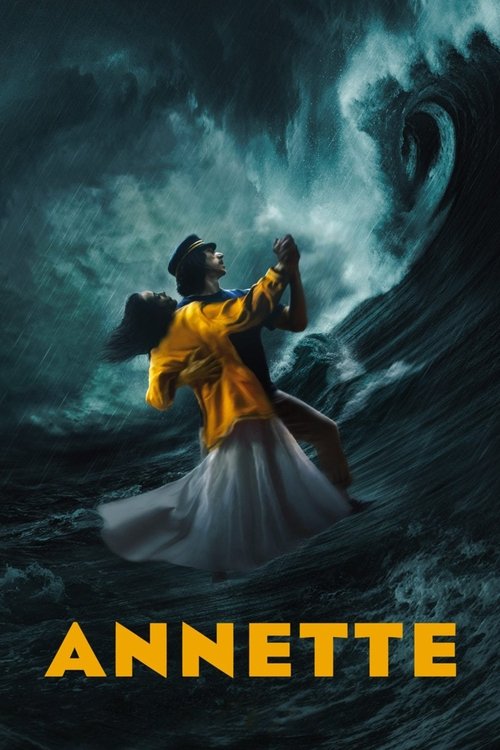
Annette2021
Leos Carax's operatic musical about art, obsession, and performance. Stylized, artificial, formally ambitious. Less like Léger's machines and more like his visual philosophy applied to human emotion and spectacle.
But It's self-consciously theatrical and mannered. If you prize realism or subtlety, this will read as pretentious excess.
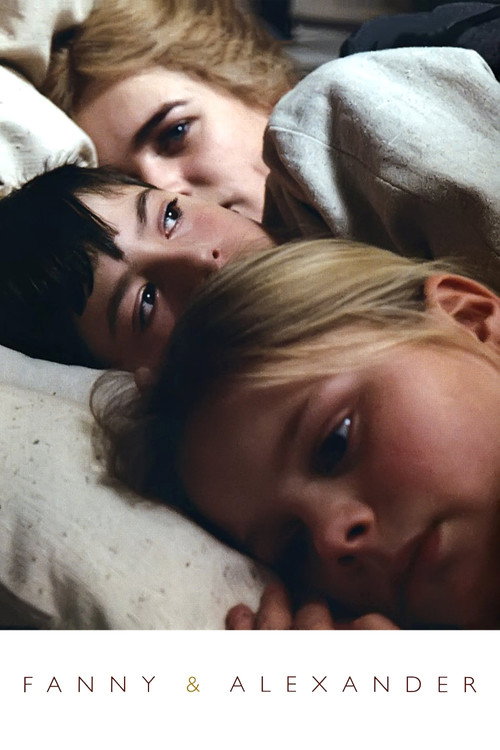
Fanny and Alexander1982
Both place the image above the story. Both demand active looking and reward close attention to composition, framing, and visual rhythm. They're inverted versions of the same belief: cinema speaks through pictures first.
Bergman's sensual, theatrical masterpiece about childhood and imagination. A reaction against modernism—all warmth, artifice, and human mess where Ballet Mécanique was pure geometry. But both films believe cinema's power lies in image and pattern more than plot.
But It's nearly three hours, deeply European, and steeped in psychological complexity. The ornate emotional language can read as obscure or self-indulgent.
People
Cast
 Kiki of MontparnasseSmiling Girl
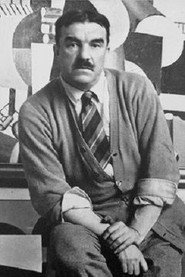
- Katrin MurphyGirl with Flower
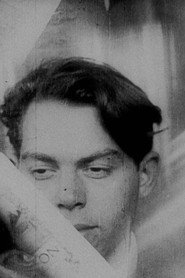
Directing
- Dudley MurphyDirector
- Fernand LégerDirector
Writing
- Fernand LégerWriter
Production
- André CharlotProducer