
Film
All Light, Everywhere
- Slow-burning
Theo Anthony's essay-documentary uses surveillance footage, scientific experiments, and archival material to untangle how vision itself—and the cameras that record it—are shaped by power, history, and bias. It's a meditation on sight rather than a conventional investigation, asking not what we see but who gets to decide what the camera shows. For viewers hungry for ideas.
If you liked this
The Fog of War2003
Errol Morris's masterpiece about Robert McNamara uses archival footage and philosophical inquiry to examine how powerful people justify their decisions. Like Anthony's film, it questions the reliability of evidence and perspective.
But It moves at a deliberate pace and requires patience with ambiguity. Some find its formal experiments—the animated sequences, the repetition—detached and cold.

The Act of Seeing
A meditation on documentary itself, questioning how the camera constructs truth. Shares Anthony's skepticism about visual evidence and the stories we layer onto images.
But Very experimental and abstract; it won't feel like a traditional documentary. Demands active viewing rather than passive consumption.
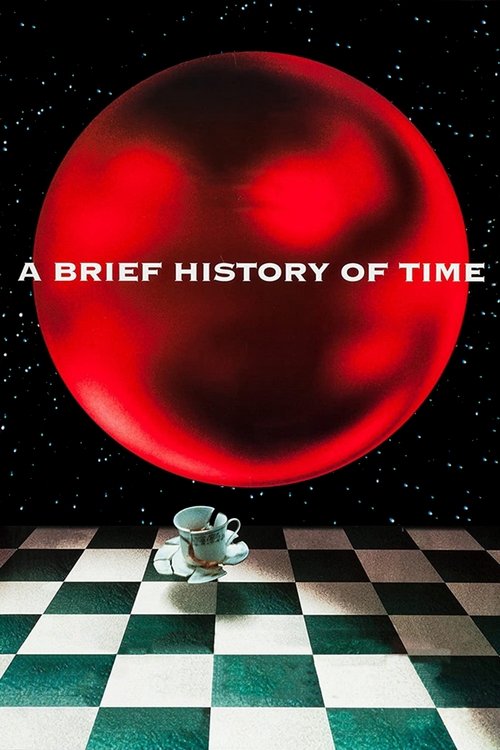
A Brief History of Time1991
Errol Morris brings Stephen Hawking's ideas to the screen through visual metaphor and creative animation. Like Anthony, it uses images to think philosophically about systems we can't directly perceive.
But The animation style is dated, and physics abstraction can feel remote if you're not drawn to cosmology.
Not sure tonight? Get a pick in a minute, starting from All Light, Everywhere
The wildcard
Something you would not have found on your own.
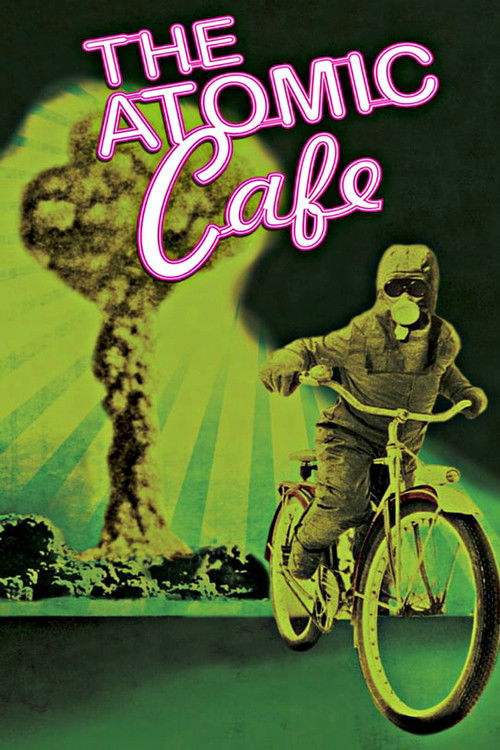
The Atomic Cafe1982
Both examine how institutional images—government, surveillance, science—shape what citizens are allowed to see and believe, but where Anthony is cool and analytical, this film burns with rage.
Kevin Rafferty and Jayne Loader compile declassified atomic test footage and civil defense propaganda into a blackly comic essay on American delusion. It's about images as lies told by institutions, and how cameras can normalize atrocity through repetition.
But The tone is grotesque and the subject horrifying; comfort-seekers should look elsewhere. Some find the dark comedy exploitative.
More like this (5)
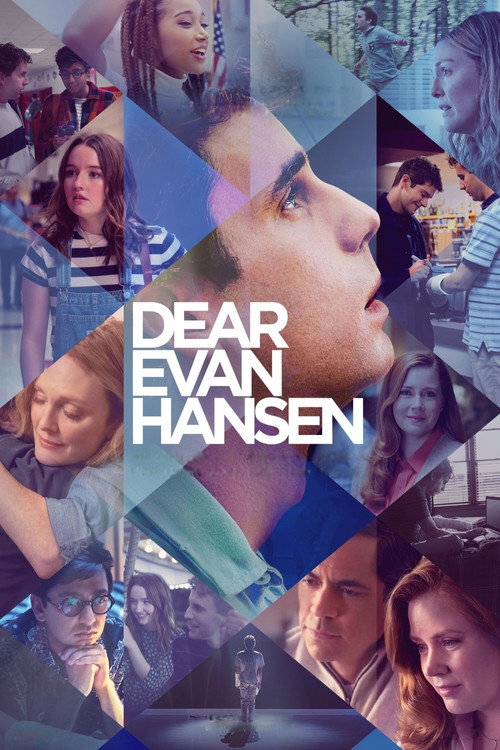
Dear Evan Hansen2021
Lynne Sachs makes a kaleidoscopic essay about language, memory, and image. It shares Anthony's willingness to meander conceptually and layer multiple registers—archival, personal, political.
But Formally challenging and deliberately fractured; the lack of conventional structure will alienate viewers wanting linear storytelling.
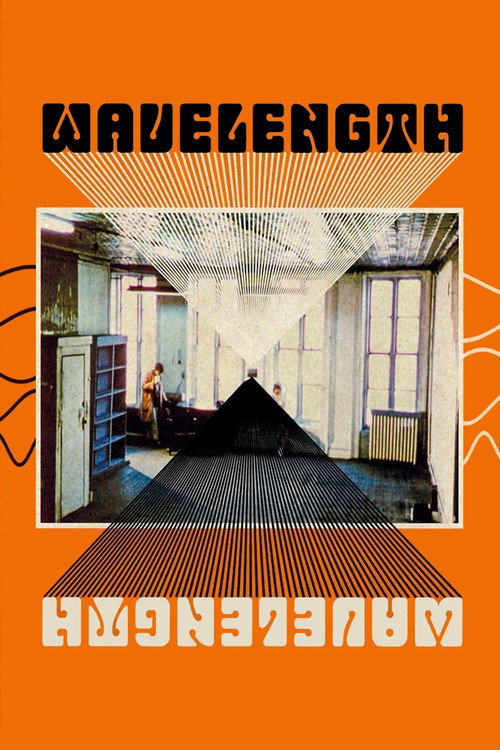
Wavelength1967
Michael Snow's legendary structural film is fundamentally about how we see—a 45-minute zoom with sound transformations. Essential ancestor to Anthony's meditation on vision and recording.
But It has no plot, no narrator, no clear subject. To many viewers, it will seem like punishment rather than cinema.
Man with a Movie Camera1929
Dziga Vertov's revolutionary silent film is an essay on cinema itself and how cameras shape our perception of reality. It's playful where Anthony is stern, but shares the core obsession: what does the camera do to truth?
But The rhythm is relentless and the lack of synchronous sound feels distant. Silent-era technique requires a different viewing muscle.

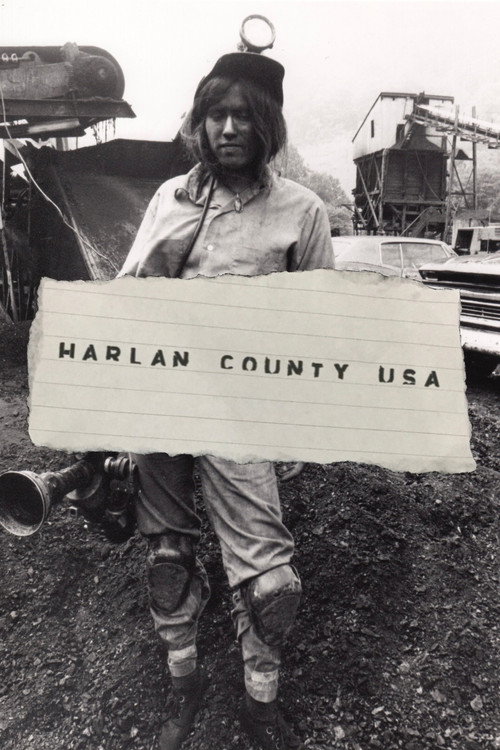
Harlan County U.S.A.1976
Barbara Kopple's documentary about a coal miners' strike uses footage and interviews to excavate power structures embedded in American life. Like Anthony, it asks who the camera serves and whose story gets told.
But The politics are on-screen and unflinching; if you're uncomfortable with class critique, this won't feel neutral to you.
Sans Soleil1983
Chris Marker's essay-film connects images across continents and decades, questioning memory, representation, and the archive. Elliptical and poetic where Anthony is forensic, but kindred in treating sight as a moral problem.
But The narration is cryptic and the editing associative rather than logical. Many find it beautiful but impenetrable.

People
Cast
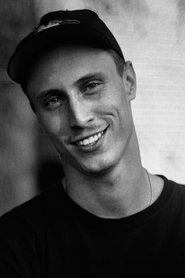 Theo AnthonySelf
- Keaver BrenaiNarrator (voice)
Directing
- Theo AnthonyDirector
Production
- David DolbyExecutive Producer
- Greg BousteadExecutive Producer
- Jessica HarropExecutive Producer
- Natasha DolbyExecutive Producer
- Tim NashExecutive Producer
- Jonna McKoneProducer
- Riel Roch DecterProducer
- Sebastian PardoProducer