
Film
Subjectivity
A four-minute feminist provocation from 1967 Berlin. Helke Sander's debut observes a bus stop with the precision of an entomologist, finding power dynamics in ordinary glances and gestures. Playful but pointed, it's a film that rewards close watching—the kind of thing that feels brief but lingers.
Should you watch it?
Watch it if you are drawn to short, formal experiments that treat a commonplace street scene as something to be looked at hard, with the attention of a sharp, slightly mischievous observer.
Skip it if you need a conventional plot to follow, since this is a brief study of one street corner rather than a story with a shape you can settle into.
What it asks of you: Only four minutes, but it wants your full attention on the frame, where small details carry the tension and nothing is explained for you.
Not sure? Find tonight's pick in a minute.
If you liked this
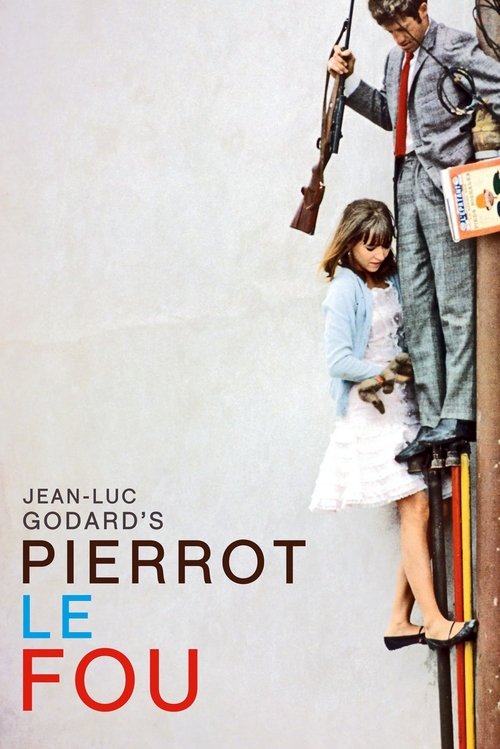
Pierrot le Fou1965
Godard's restless, fragmentary approach to narrative and character mirrors Sander's dissection of surface versus intention. Both films prize observation over plot, finding cinema's power in how we look.
But The pace is glacial by modern standards, and the philosophical density can feel airless. If you want story momentum, this will frustrate you.
La Haine1995
Mathieu Kassovitz captures power imbalances and social friction in everyday urban space with the same sharp eye Sander brings to her four minutes. Both films make the mundane feel charged and dangerous.
But It's angrier and much longer, which changes the texture entirely. The shift from observation to fury might feel like a different language.

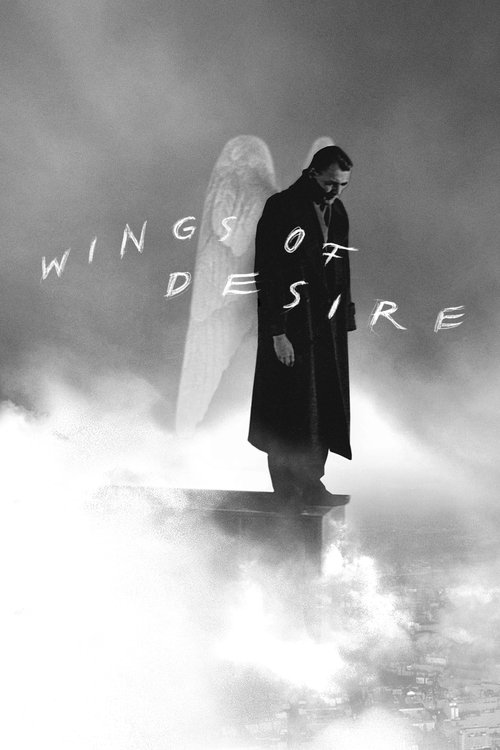
Wings of Desire1987
Wenders meditates on Berlin as a site of collision and fragmentation. Like Sander, he finds philosophy in the street, treating public space as a stage for interior truths.
But It's slow, metaphysical, and demands patience. The romantic idealism might feel at odds with Sander's cooler feminist clarity.
Not sure tonight? Get a pick in a minute, starting from Subjectivity
The wildcard
Something you would not have found on your own.
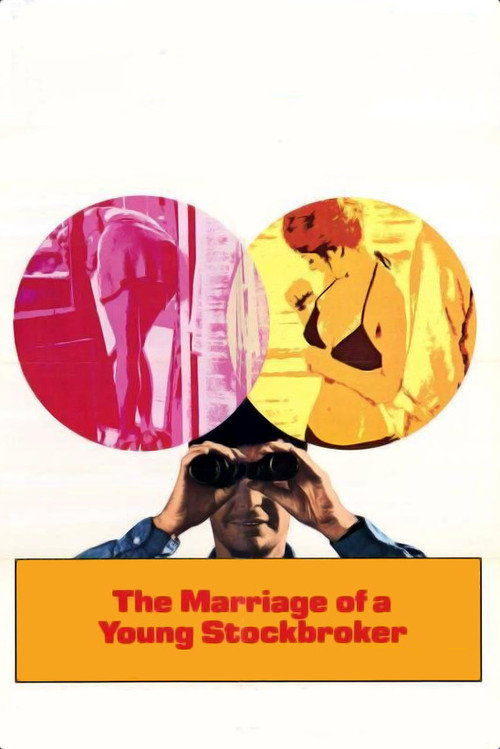
The Marriage of a Young Stockbroker1971
Both dissect how men look at women and what that looking reveals. Sander uses four minutes of precision; this film accidentally indicts itself across ninety minutes of supposed titillation.
This forgotten American sex comedy centers voyeurism and the male gaze—exactly Sander's subject—but approaches it from the opposite register: trash rather than theory. Same feminist critique, completely different costume.
But It's a softcore comedy that hasn't aged well. The sleaze is real, the humor is dated, and the gender politics feel confused rather than clarified.
More like this (6)
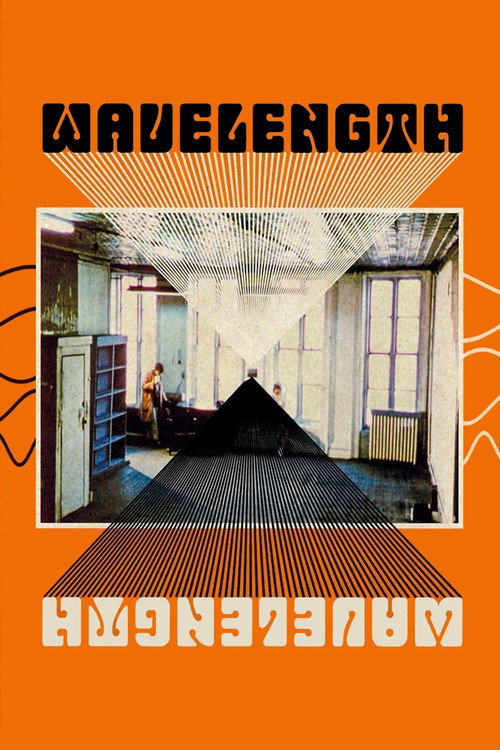
Wavelength1967
Michael Snow's structural experiment asks what cinema *is* by removing narrative entirely—pure form as content. A radical companion piece to Sander's radical brevity.
But It's 45 minutes of a fixed camera zooming very slowly across a room. Most people find it punishing rather than revelatory.
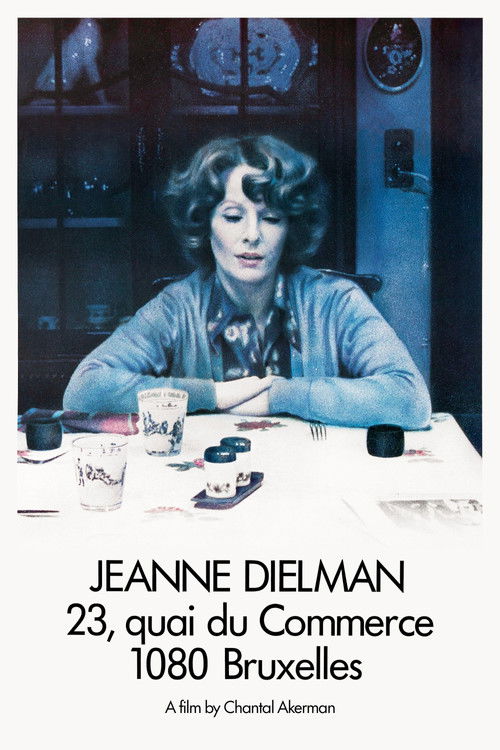
Jeanne Dielman, 23, quai du Commerce, 1080 Bruxelles1976
Chantal Akerman's feminist masterpiece observes domestic routine with the same unflinching attention Sander brings to the street. Both trust the viewer to find significance in what cinema usually ignores.
But It's three hours of a woman doing housework, shot in real time. Calling it 'a film' feels like a category error to most viewers.
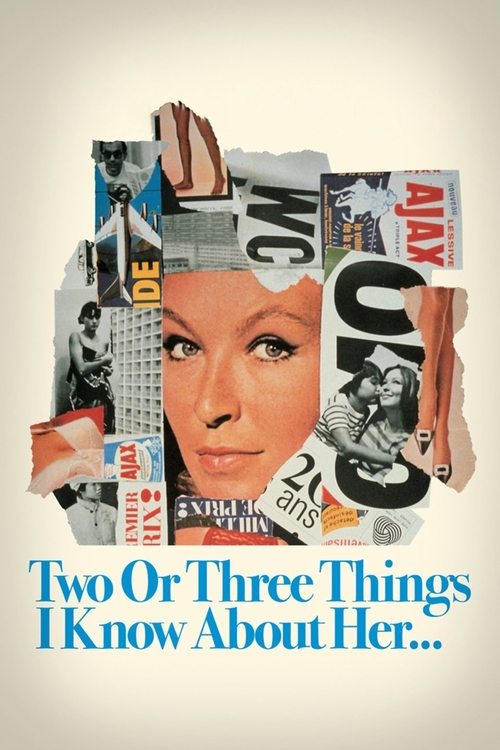
2 or 3 Things I Know About Her1967
Godard's Paris observation film—released the same year as Sander's work—unpacks gender, consumption, and the male gaze in the urban landscape. Both are brief meditations on how we see women.
But It's essayistic and digressive, with the didactic tone of early Godard. The political argument sometimes overwhelms the image.
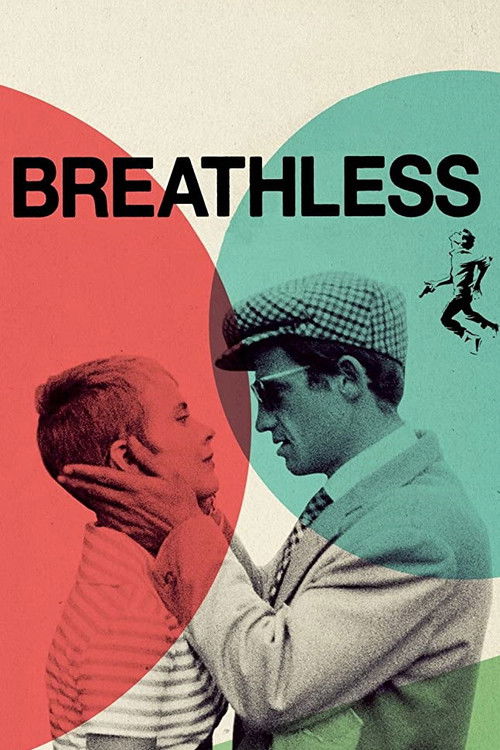
Breathless1960
Godard's debut rewrote cinema's syntax with jump cuts and self-consciousness. The visual restlessness shares Sander's interest in fragmenting conventional observation.
But It's been mythologized to death, and watching it now feels like watching a recipe book rather than eating. The cool ironies can feel cold.
Stalker1979
Tarkovsky moves through space with meditative intensity, finding metaphysics in landscape and gesture. Both films trust silence and observation to carry meaning.
But It's 163 minutes of a man walking through a room. The glacial pacing will test anyone accustomed to conventional cinema.

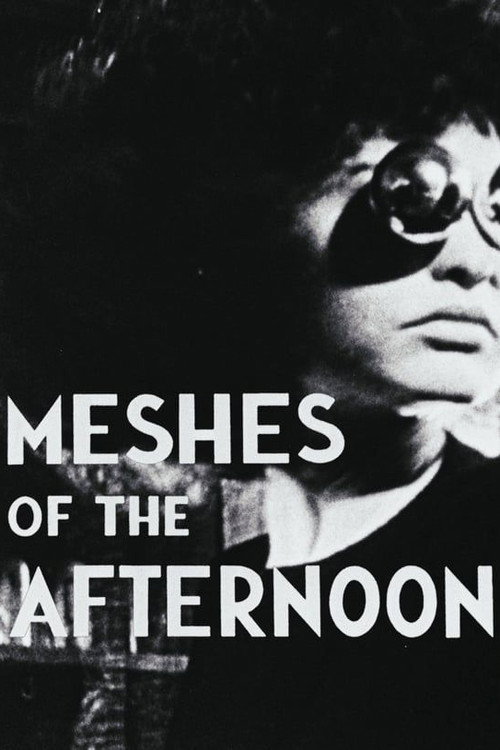
Meshes of the Afternoon1943
Both use cinema's formal properties—editing, framing, duration—as weapons against conventional representation. Both trust the viewer to find the politics in the form itself.
Maya Deren's avant-garde masterpiece predates Sander's work and maps the same territory: how cinema fragments identity and the self. Experimental form as feminist argument, two decades earlier.
But It's 14 minutes of surreal repetition and visual abstraction. If you want narrative or conventional meaning-making, you're watching the wrong film.
People
Cast
Directing
- Helke SanderDirector
Writing
- Helke SanderScreenplay