
Film
Once Upon a Time in Anatolia
- Drama
- Police procedural
- Very dark
- Slow-burning
A police commissioner, prosecutor, doctor, and driver search the Anatolian countryside for a buried body across a single night. Nuri Bilge Ceylan's masterpiece unfolds like a conversation—patient, digressive, accumulating small truths about justice, complicity, and what men hide from themselves. For viewers willing to sit with ambiguity and beauty.
Should you watch it?
Watch it if you love slow, talky films where the tension lives in what characters don't say, and where a late-night drive through empty country says more than any chase could.
Skip it if you want the crime plot to move briskly, since the search is a slow, meandering business with long stretches of men simply sitting and talking.
What it asks of you: Roughly three hours, and most of it is patience: long pauses, quiet exchanges, and night-time waiting that rewards attention rather than checking your phone.
Not sure? Find tonight's pick in a minute.
If you liked this
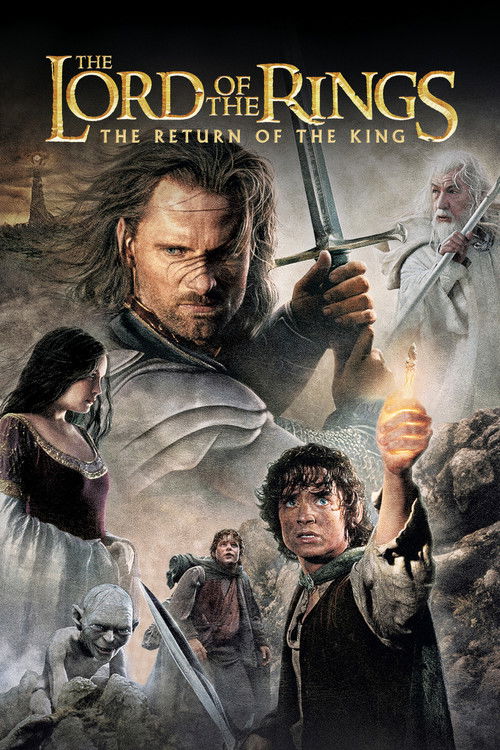
The Lord of the Rings: The Return of the King2003
Andrei Zvyagintsev's study of a man returning to his family after fourteen years missing examines secrets, authority, and masculine shame with the same unflinching patience Ceylan brings to his search narrative.
But It's slow, cryptic, and deliberately refuses to explain itself—some will find it punishing rather than profound.
In the Mood for Love2000
Wong Kar-wai's film about two neighbours discovering their spouses' affair takes its time with longing and unspoken feeling, finding poetry in repetition and restraint. A completely different aesthetic that shares Ceylan's belief in duration.
But The pacing is dreamlike and geometric; if you need plot momentum, you'll be frustrated.

A Prophet2009
Jacques Audiard's prison drama about a young man's rise among inmates combines crime procedural severity with genuine psychological depth. It has Ceylan's interest in how systems shape character and survival.
But It's set in a brutal, confined world that never offers relief or beauty as compensation for its grimness.

Not sure tonight? Get a pick in a minute, starting from Once Upon a Time in Anatolia
The wildcard
Something you would not have found on your own.
Stalker1979
Both are odysseys in search of something—a body, knowledge, redemption—that may not exist or may not matter. Both use the journey itself as the subject, not destination.
Andrei Tarkovsky's Soviet sci-fi follows three men on a mysterious journey through a landscape that refuses to reveal its secrets or meaning. Like Ceylan, Tarkovsky believes in patience, metaphor, and letting viewers make their own way through ambiguity. A completely different era and context, but the same faith in cinema as meditation.
But It's 163 minutes of deliberate pacing with virtually no plot, dialogue, or conventional drama. The slow passages test even patient viewers.

More like this (7)
The Turin Horse2011
Béla Tarr's final film, made the same year, is also a portrait of small communities in rural spaces facing forces beyond their control. Both are elegiac and structurally unconventional.
But This is apocalyptic and almost completely without hope; it's more difficult and more austere than even Ceylan's work.

Spotlight2015
A procedural about journalists investigating Catholic abuse that builds meaning through accumulated detail and interviews rather than dramatic confrontation. Same architecture as the body search—methodical, quiet, devastating.
But Some find its restraint to be undercooked; it privileges investigation over emotional catharsis.

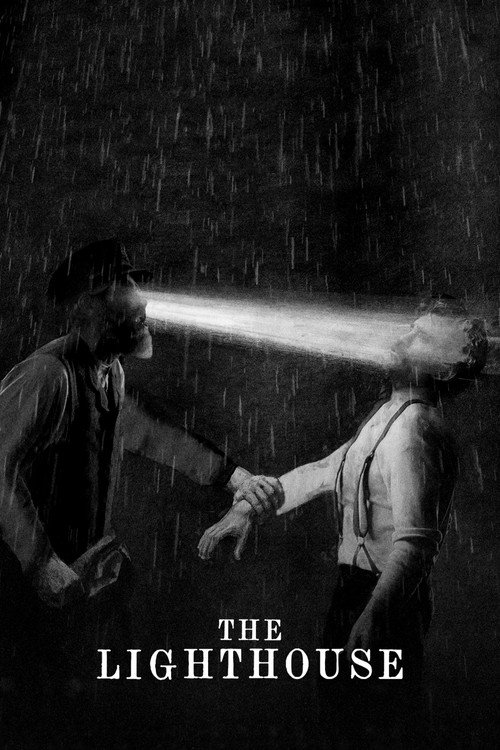
The Lighthouse2019
Robert Eggers creates an enclosed, obsessive world where two men reveal themselves through language, repetition, and proximity. Both films use duration and constraint as their primary tools.
But The black-and-white, the accent, the hermetic intensity—it's deliberately arch and stylized in ways some find exhausting.
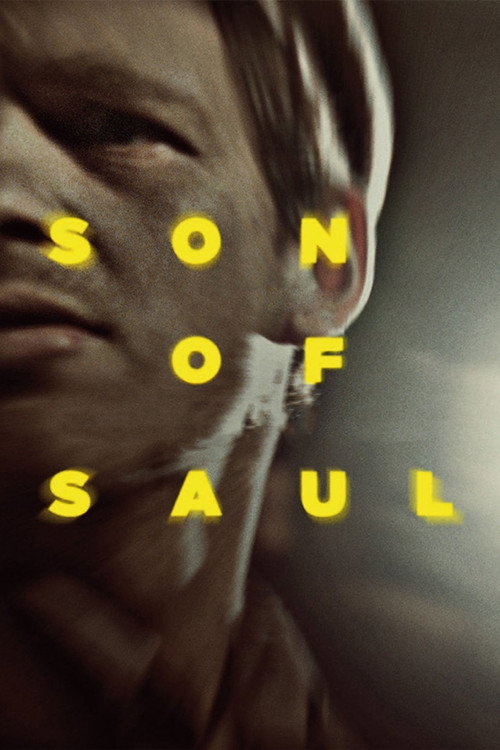
Son of Saul2015
Cineaste László Nemes's Holocaust drama follows a single man through unspeakable tragedy with formal precision. Like Ceylan, Nemes trusts the image to do moral work without explanation.
But It documents atrocity. Even viewers who admire its execution often find it too painful to revisit.
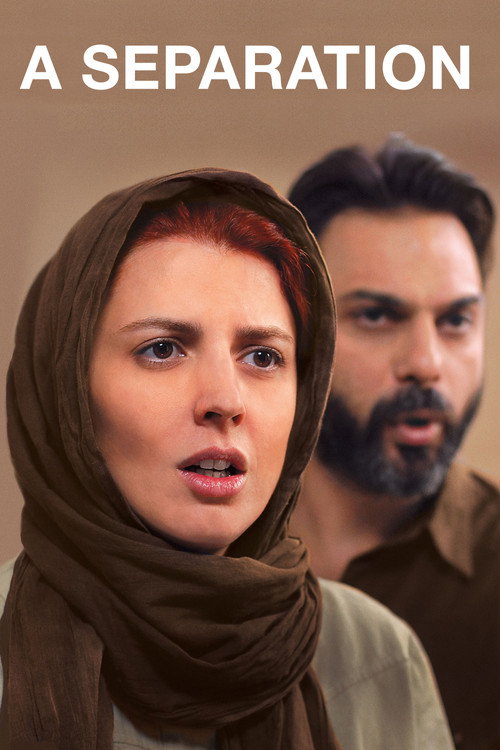
A Separation2011
Asghar Farhadi's Iranian masterpiece about a divorcing couple shares Ceylan's interest in how ordinary people navigate impossible ethical terrain. Both expose the compromises built into systems and self.
But Watching good people trapped in bad situations with no clear moral answers can feel relentless.
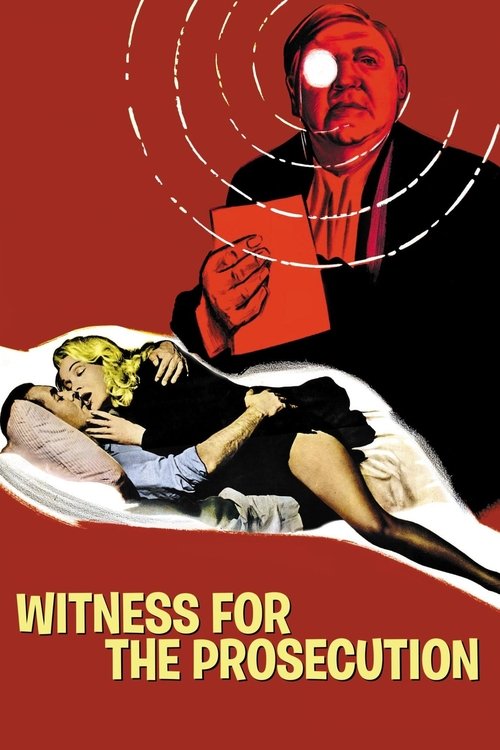
Witness for the Prosecution1957
Both examine the gap between what happened and what the law can prove. Both are fascinated by performance, testimony, and the stories men tell to survive.
Billy Wilder's courtroom thriller is technically a genre film, but it shares Ceylan's interest in how truth is constructed, obscured, and performed. It's a formal masterclass in misdirection and complicity, with decades of cinematic distance between them.
But It's a plot-driven mystery dependent on surprise; it has narrative momentum that may feel lightweight compared to Ceylan's weight.
The Act of Killing2012
Both force viewers to sit with men who have killed or participated in killing, and both refuse the comfort of judgment. Both ask: what does it mean to bear witness?
Joshua Oppenheimer's documentary asks Indonesian death-squad leaders to stage their own murders on camera, creating a Brechtian confrontation with complicity. It's a formal experiment that reaches toward something like Ceylan's moral interrogation, but through documentary and theatre rather than fiction.
But Watching perpetrators of mass violence recreate their crimes—even as theatre, even semi-confessionally—is morally vertiginous and genuinely disturbing.

People
Cast
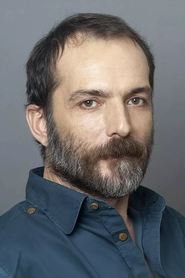 Muhammet UzunerDoktor Cemal
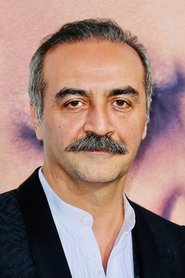 Yılmaz ErdoğanKomiser Naci
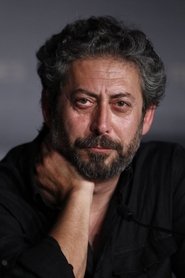 Taner BirselSavcı Nusret
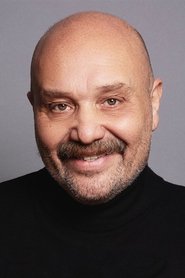 Ahmet Mümtaz TaylanŞoför Arap Ali
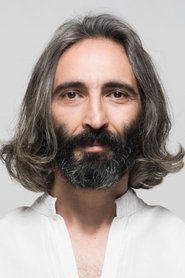 Fırat TanışKenan
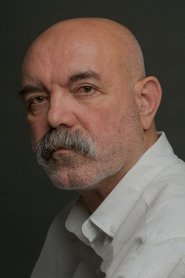 Ercan KesalMuhtar
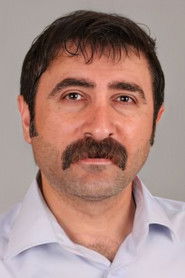 Erol EraslanMurder Victim Yaşar
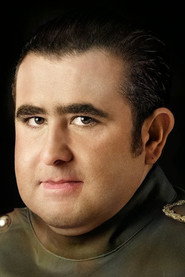 Burhan YıldızSuspect Ramazan
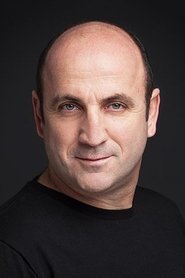 Murat KılıçPolice Officer İzzet
 Şafak KaraliCourthouse Clerk Abidin
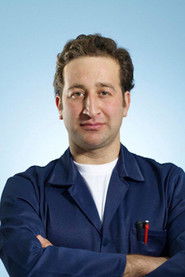 Emre ŞenSergeant Önder
 Cansu DemirciMukhtar's Daughter Cemile
Directing
- Nuri Bilge CeylanDirector
Writing
- Ebru CeylanWriter
- Ercan KesalWriter
- Nuri Bilge CeylanWriter
Production
- Nimet AtasoyCasting
- Selim ÜnelCasting
- Can YılmazProducer
- Nuri Bilge CeylanProducer
- Zeynep Ozbatur AtakanProducer
- Onur YıldızProduction Manager