
Film
La Région Centrale
- Strange
- Slow-burning
Michael Snow's landmark 1971 experimental film follows a robotic arm rotating through 360 degrees across remote Canadian landscape over a single day. Shot in pure, unbroken duration, it's a meditation on perception, time, and mechanical vision. Hypnotic and austere—for viewers willing to sit with landscape cinema that refuses narrative or easy comfort.
Should you watch it?
Watch it if you're drawn to films that treat the camera itself as the subject, and you enjoy sitting with slow, hypnotic patterns until your sense of time starts to shift.
Skip it if you need a story, characters or any human warmth to hold you, since nothing here narrates, and three hours of machine-driven movement will test your patience.
What it asks of you: Nearly three hours of slow, deliberately repetitive motion across shifting mountain landscapes, its pace set by the machine rather than by any narrative rhythm.
Not sure? Find tonight's pick in a minute.
If you liked this
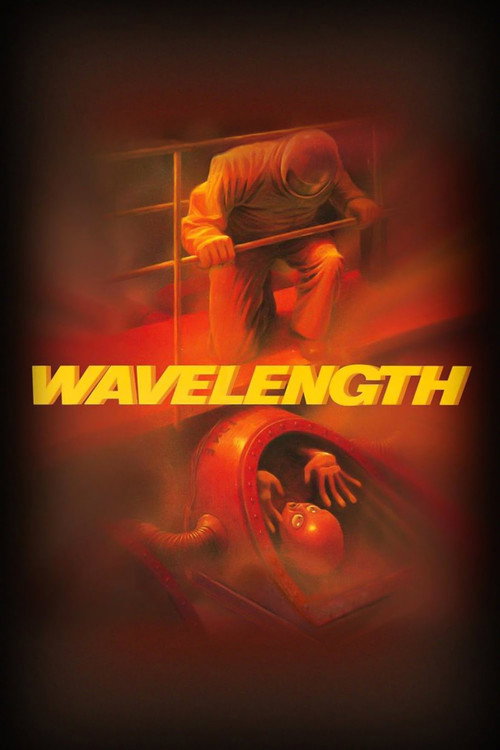
Wavelength1983
Foundational structural cinema from Snow himself. A 45-minute fixed camera zoom that rewires how you think about time and attention. Essential context for understanding his later experiments.
But It moves almost imperceptibly. The entire arc is one slow camera operation. Requires patience that can feel monastic.
Sunrise: A Song of Two Humans1927
F.W. Murnau's silent masterpiece uses camera movement and spatial composition to create emotional weather—how landscape and light become character. Proves constraint and formal precision can devastate.
But Silent film from 1927 moves at a different rhythm. The stylization can feel remote to modern eyes.

Sans Soleil1983
Chris Marker's essay-film moves across continents and time, using montage and fragmentation to ask what it means to see and remember. Poetic where Snow is austere, but equally restless about perception.
But It's deliberately oblique and digressive. The voice-over is philosophical and can feel cryptic. Not a straightforward journey.

Not sure tonight? Get a pick in a minute, starting from La Région Centrale
The wildcard
Something you would not have found on your own.
Man with a Movie Camera1929
Both films contain an entire day's passage, but where Snow's robotic gaze is mechanical and detached, Vertov's human eye is ecstatic and mobile. The same interest in duration, entirely opposite in temperament.
Dziga Vertov's city symphony uses mobile camera and montage to capture an entire day across Leningrad and Moscow—a kinetic, utterly different approach to the 24-hour duration Snow uses. Revolutionary in its formal inventiveness and celebratory in spirit.
But Silent, with a rapid-cut style that can feel overwhelming. The Soviet context and propaganda elements are present. The rhythm is frenetic, not meditative.

More like this (7)
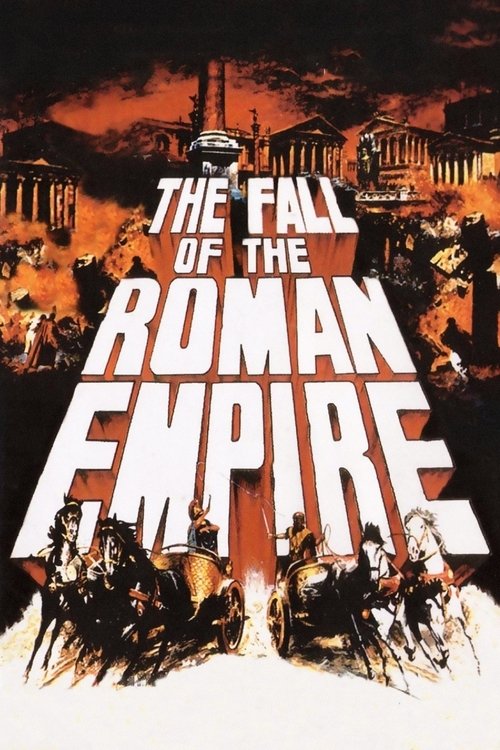
The Fall of the Roman Empire1964
Andy Warhol's eight-hour static shot of the Empire State Building at dusk. Pure duration as subject. If you're curious about experimental film's relationship to time and boredom, this is the statement.
But Nothing happens. For eight hours. That's the entire point, and it's a genuine ask.
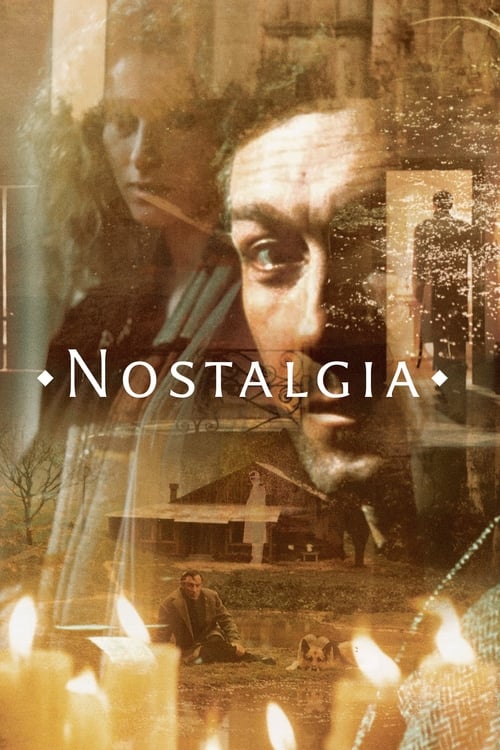
Nostalgia1983
Tarkovsky's slow meditation on loss and longing, built from extended takes and minimal plot. Shares Snow's patience with duration and landscape as a vehicle for metaphysical questions.
But Runs 163 minutes. Moves at its own glacial pace. Demands a particular mood and willingness to surrender.
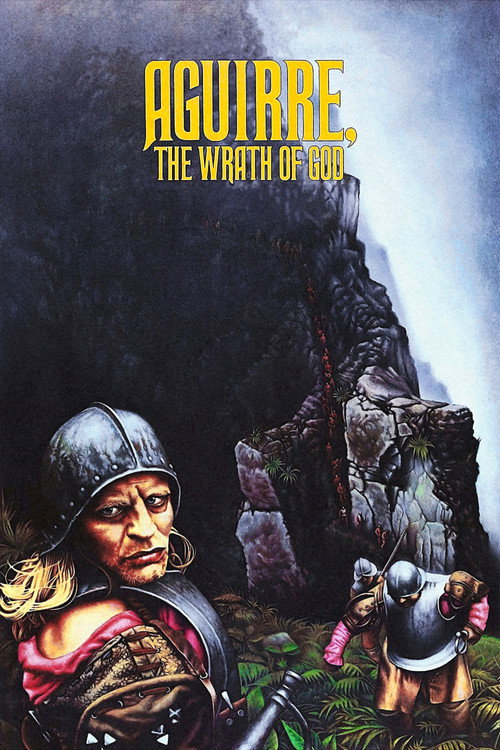
Aguirre, the Wrath of God1972
Herzog's fevered journey into landscape as adversary and obsession. Uses remote terrain and duration differently—with madness and fever—but shares the sense of human smallness against geography.
But The plotting is hallucinatory and difficult. The production was chaotic. It's stranger than it might initially seem.
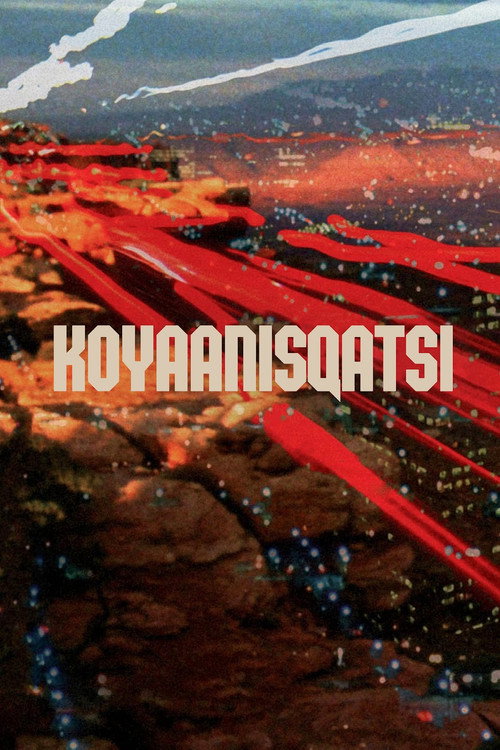
Koyaanisqatsi1983
Godfrey Reggio's visual essay on technology and time, built from hypnotic time-lapse and slow-motion sequences. Wordless. Uses landscape and camera as language, not documentation.
But Built almost entirely from spectacle. The Philip Glass score is relentless and pervasive. Can feel manipulative or shallow if you're wary of visual beauty as its own argument.
A Ghost Story2017
David Lowery's haunting meditation on time, landscape, and grief. A contemporary film that understands duration and landscape the way experimental cinema does, but through narrative and emotional specificity.
But Quiet and sparse. The central image—a figure in a white sheet—can read as precious or overstated. Some find the minimalism frustrating.

Tokyo Story1953
Both films trust that watching can be enough. Ozu holds his camera still on rooms and people; Snow holds it on landscape. Both understand that boredom dissolves into something else when you stay long enough.
Ozu's masterpiece uses minimal camera movement and static, meditative framing to observe time passing through a Japanese household. The formal constraint is everything—patience and emptiness become profound. A bridge between cinema as document and cinema as philosophy.
But The pacing is glacial even by slow-cinema standards. Shot in 1953 Japan with subtitles. The emotional register is subdued, almost reserved.

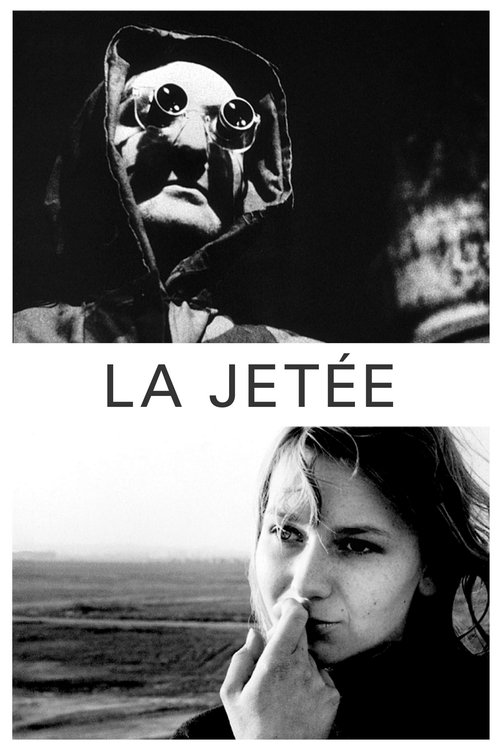
La Jetée1962
Both films are about the nature of time and vision made visible through formal constraint. Where Snow's camera never stops moving, Marker's almost never moves at all. Both arrive at truth through refusal.
Chris Marker's time-travel fable told entirely in photographs except for one brief movement—the inverse of conventional cinema. Uses stillness and montage to think about duration, memory, and the nature of the present moment with devastating economy.
But Relentlessly bleak. The voice-over is literary and can feel mannered. It's only 28 minutes, which means its impact is concentrated and unrelenting.
People
Directing
- Michael SnowDirector
Production
- Michael SnowProducer