
Television series
Ivor the Engine
Ivor the Engine is stop-motion at its most handmade: five-minute episodes of Peter Firmin's flat, felt-textured artwork and Oliver Postgate's unmistakable narrating burr, following a small green locomotive in a fictional North Wales valley who'd rather sing bass in the choir than pull trucks. Nothing is ever really at stake. It's for anyone who wants television that idles rather than races — young children, or adults chasing a very specific, gentle nostalgia.
If you liked this
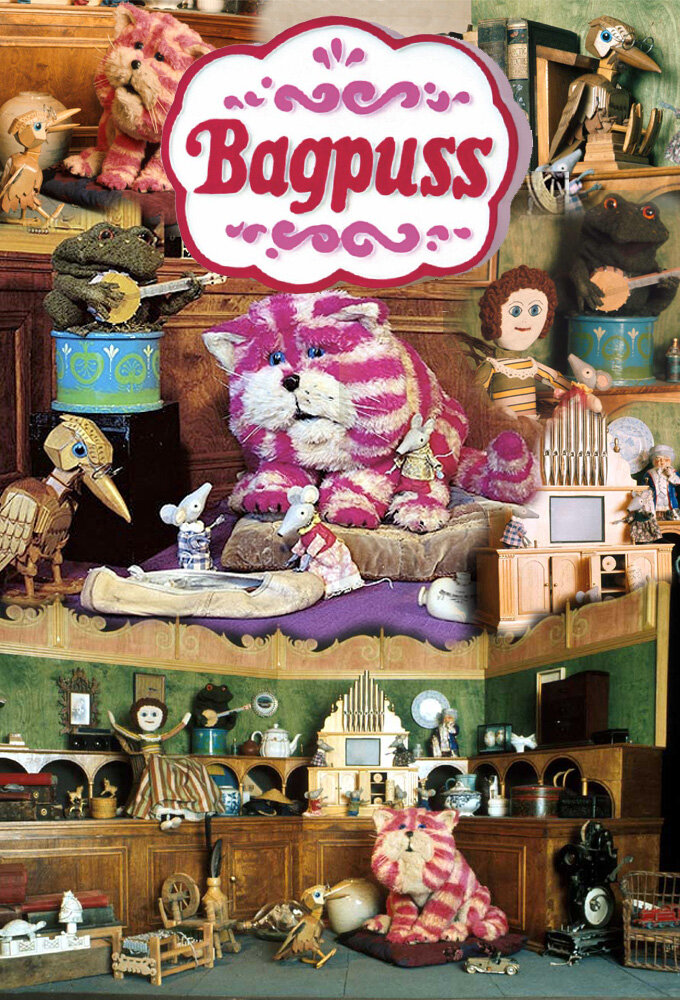
Bagpuss1974
Same creators, same narrator, same unhurried handmade magic — a saggy old cloth cat who wakes once a week to hear stories from his mouse organ. If Ivor's voice and pace charmed you, this is its direct sibling.
But It's even slower and stranger than Ivor, with almost no plot at all — pure mood, which some viewers find soporific rather than soothing.
The Cleaners
Postgate and Firmin again, but pushed into gentle sci-fi: pink knitted aliens whistling to each other on a distant moon. Same patience, same warmth, a slightly stranger world to get lost in.
But The whistled non-language and total absence of human dialogue can feel more alienating than charming if you want proper storytelling.
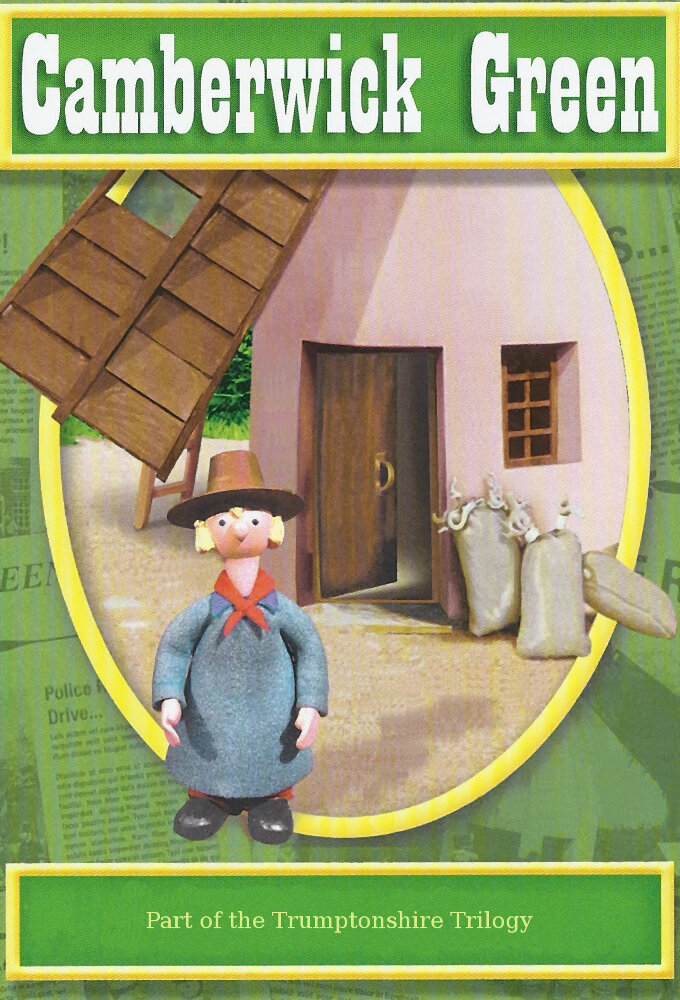
Camberwick Green1966
A different studio, same idea: a small English village populated by puppets on turntables, narrated with the same lulling warmth. Cosy, orderly, and utterly of its era.
But The puppets are stiffer and the pace even more sedate — charming as a curiosity, less alive than Ivor's world.
The wildcard
Something you would not have found on your own.
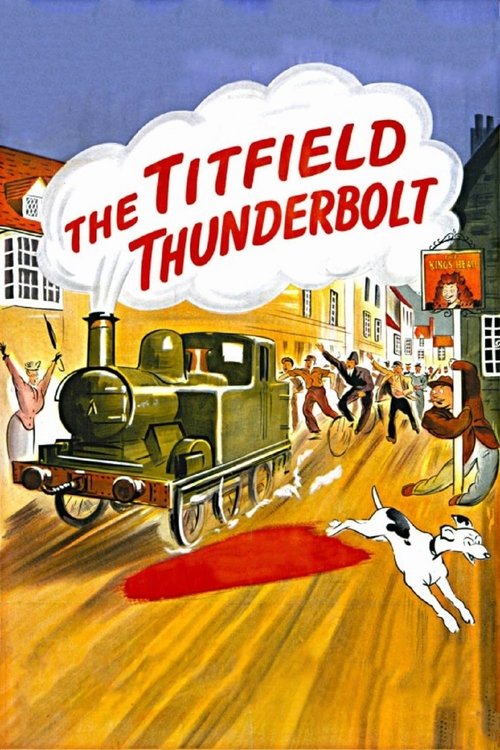
The Titfield Thunderbolt1953
Ivor's entire premise — a small, cherished, faintly ridiculous railway kept running by sheer communal stubbornness — is the exact joke this film builds a whole feature around, two decades earlier and played for adult laughs.
A 1953 Ealing comedy about a village fighting to save its condemned branch line by running the trains themselves — proof that 'eccentric community plus beloved small railway' is a much older British obsession than Ivor.
But It's a full-length adult comedy with none of the puppetry warmth — plottier and wordier, made for grown-ups at the pictures, not children at teatime.
More like this (7)
Trumpton1967
Camberwick Green's sequel and the most famous of the trilogy — fire brigade roll call and all — offering the same small-town Englishness that Ivor's Wales runs on.
But It's more about civic ritual than character, so anyone hoping for Ivor's mischief and personality might find it a bit static.
Thomas & Friends1984no page yet
If it's specifically the small, opinionated, slightly disobedient engine you fell for, here's a whole railway of them, narrated in the same storybook register.
But Model-work is glossier and the stories more moralistic — the DNA is Ivor's, but the innocence now comes with a lesson attached.
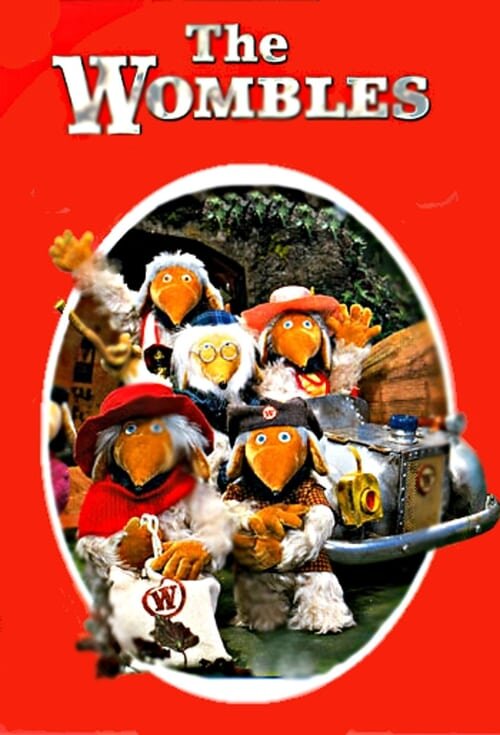
The Wombles1973
Another furry, handmade British institution from the same television decade, all about recycling and community underground on Wimbledon Common — cosy, small-scale, faintly eccentric.
But It trades trains and choirs for environmentalism and litter-picking, so the specific railway charm is entirely absent.
Postman Pat1981no page yet
Swaps the engine for a van but keeps the tiny rural community, the gently meddling neighbours, and the sense that nothing bad ever really happens.
But It's aimed more squarely at very young children and lacks Ivor's odd, dry, slightly surreal sense of humour.
Rosie and Jim1990no page yet
A narrowboat instead of a locomotive, but the same slow, meandering, real-landscape charm — gentle adventures along the canal network with rag-doll narrators.
But It's squarely for toddlers and the stories are thinner than Ivor's, more travelogue than tale.
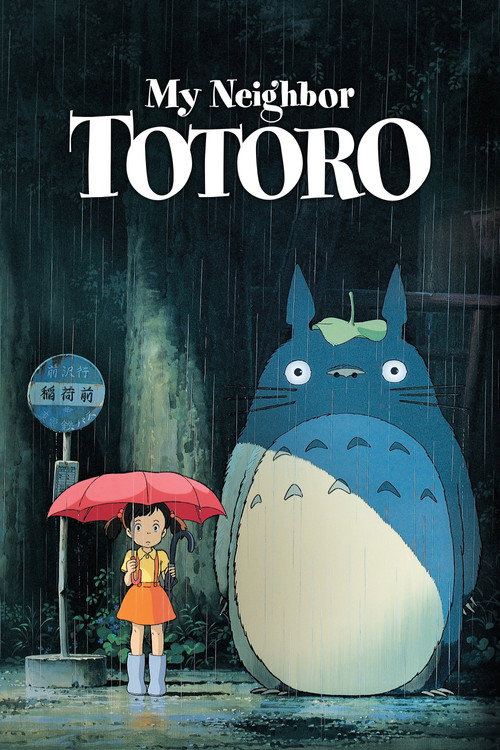
My Neighbor Totoro1988
Both trust small children and small creatures to carry a story without villains or urgency; swap the Welsh valley for the Japanese countryside and Postgate's narration for Miyazaki's visual patience, and it's the same idling, generous mood in a different medium.
Hayao Miyazaki's pastoral masterpiece has the same faith that nothing bad will really happen, the same love of rural landscape, and a willingness to let a scene just breathe.
But It's a proper feature film with real emotional stakes and a sick parent in the background — gentler in tone than in substance.
Under Milk Wood1972no page yet
Both live or die on a single voice narrating an entire small Welsh world into being; Postgate's gentle burr and Burton's are doing the identical trick, just for very different ages and appetites.
Dylan Thomas's 'play for voices' — Richard Burton narrating the dreams and secrets of a small Welsh coastal town — is Ivor's cousin grown up: same lilting narration, same tiny community, same love of Welsh eccentricity.
But It's surreal, adult, and occasionally melancholy or bawdy — a world away from teatime children's television, and demands close listening rather than easy comfort.
People
Cast
 Oliver PostgateNarrator