
Film
The Chiltern Hundreds
- Satire
- Light-hearted
A sparkling 1949 British comedy about a young viscount who schemes to dodge military service by running for Parliament, then doubles down when he loses by switching parties. Effortlessly witty, full of period charm and barbed political satire dressed up as froth. Perfect if you like your post-war comedy sophisticated, wry, and unafraid to mock the establishment from within.
Should you watch it?
Watch it if you enjoy stiff-upper-lip class satire, where aristocratic manners and election-night bluster get quietly deflated by a plot that keeps its tongue firmly in cheek.
Skip it if you need your comedy fast and modern, since this is a stagey, chatty affair with dated class assumptions and a politics plot that moves at a leisurely, drawing-room pace.
What it asks of you: At 84 minutes it is brisk and light, asking you to keep up with quick dialogue and laugh at a system everyone inside it takes very seriously.
Not sure? Find tonight's pick in a minute.
If you liked this
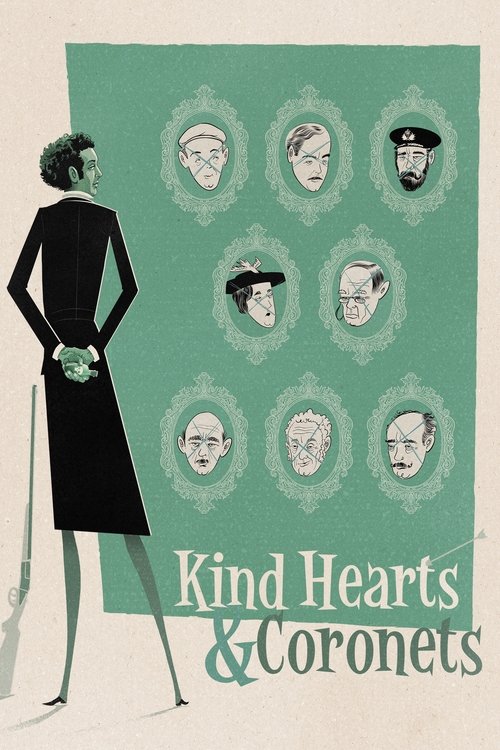
Kind Hearts and Coronets1949
Ealing comedy gold: a distant cousin murders his way up the family tree to an earldom. Alec Guinness plays eight roles. The plotting is intricate, the satire is vicious, and every scene lands exactly where it aims.
But It's pitch-dark in places, and the central conceit—serial murder as comedy—only works if you're on the film's wavelength. Some find it cruel rather than funny.
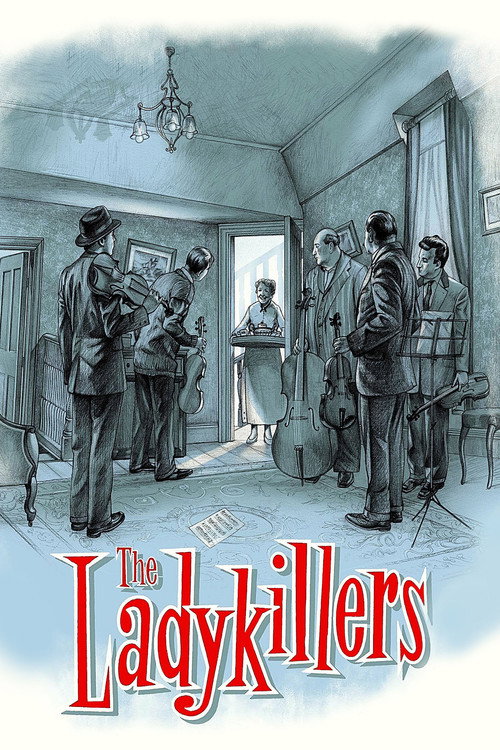
The Ladykillers1955
Five criminal masterminds posing as musicians rent a room from a tiny old landlady who outwits them at every turn. Brilliant ensemble work, barbed dialogue, and a protagonist who's polite but absolutely indomitable.
But The pacing is deliberate, almost theatrical. If you want snappy modern comedy rhythms rather than slowly-building British understatement, you'll fidget.
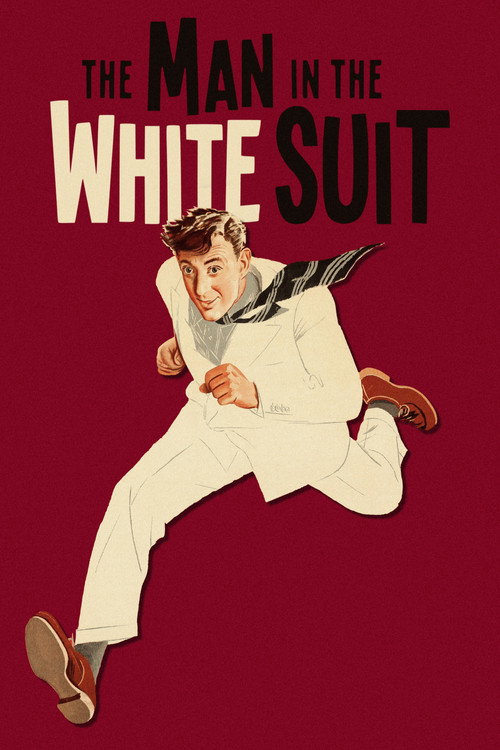
The Man in the White Suit1951
Alec Guinness invents a fiber that never wears out or gets dirty, and watches in horror as capitalists and unions unite against him. Scathing about greed masquerading as progress, hilarious, and surprisingly moving.
But The satire is deliberate and sometimes heavy-handed. It's not trying to be subtle, which will feel preachy if you just want lightweight fun.
Not sure tonight? Get a pick in a minute, starting from The Chiltern Hundreds
The wildcard
Something you would not have found on your own.
The Red Shoes1948
Both films were released in 1948-49 during the same postwar cultural moment when British cinema was establishing what it actually was. Both are assured, witty about their society's rules, and confident in their own identity without needing to apologize.
A ballet dancer torn between art and love. Visually staggering—Powell and Pressburger use color, music, and real dance the way other filmmakers use dialogue. Utterly transportive and nothing like social comedy, but it shares that 1948 British sense of a world being remade.
But It's operatic and mythic rather than funny. The central conflict is genuinely tragic. If you want laughs, you're in the wrong place entirely.

More like this (7)
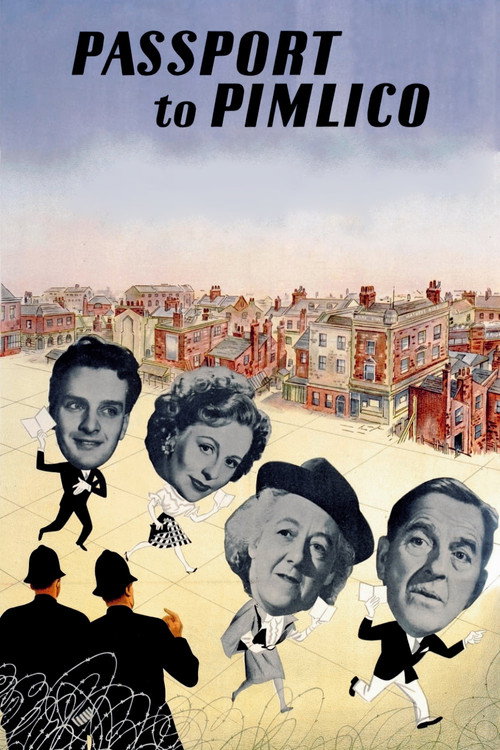
Passport to Pimlico1949
A London bomb crater accidentally reveals that Pimlico is technically part of Belgium. A working-class neighborhood declares independence and chaos follows. Warmth, whimsy, and genuine affection for ordinary people getting above their station.
But The charm is specifically postwar British—if period location feel and gentle muddling through don't appeal, it might feel quaint rather than funny.
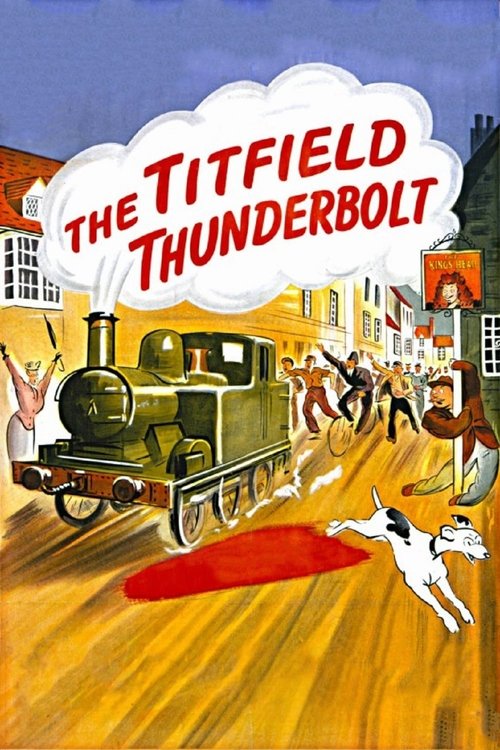
The Titfield Thunderbolt1953
A village fights to keep its branch railway line open by forming a cooperative. Pure Ealing joy: chaos, goodwill, pratfalls, and faith in community triumphing over bureaucracy and big business.
But The whimsy is thick enough to spread on toast. If you're looking for anything with an edge, you'll find this aggressively cozy.
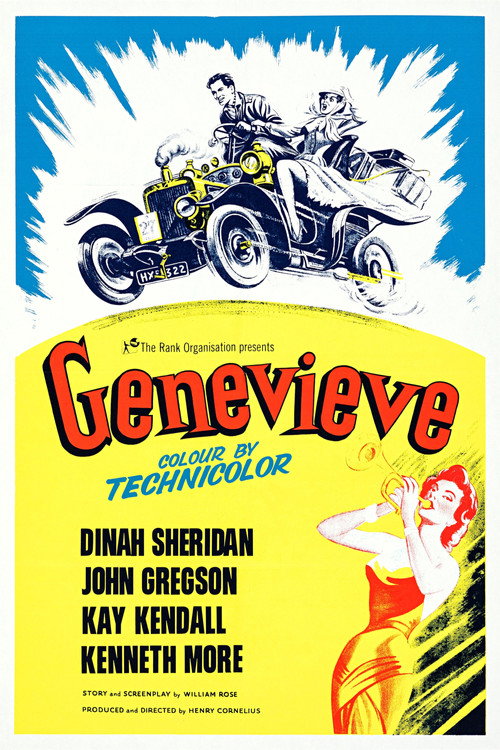
Genevieve1953
Two couples in vintage cars race from Brighton to London after the annual Vintage Car Rally. Breezy, charming, full of light romantic complications and genuine affection for the characters' various quirks.
But It's structurally slight and doesn't build toward anything momentous. Some will find it pleasant and others will find it wan.
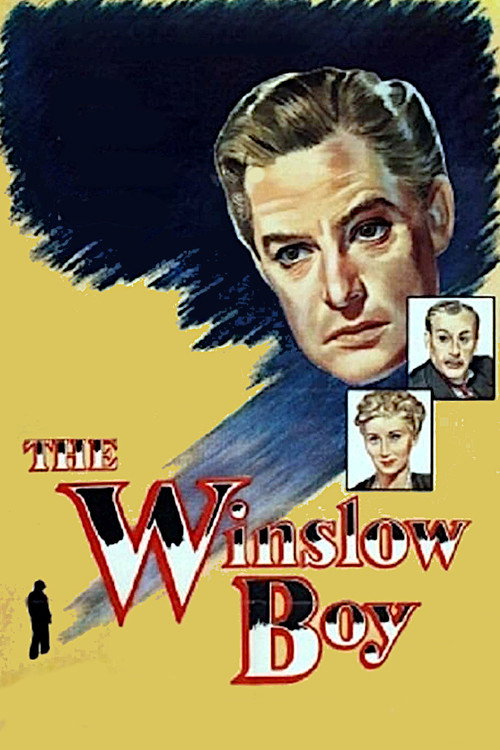
The Winslow Boy1948
A middle-class family fights the Admiralty to clear their boy's name after expulsion from naval college. Tense courtroom drama wrapped in Britishness, with Cedric Hardwicke commanding every scene. Surprisingly gripping.
But The class consciousness is very much of its moment, and the formal dialogue can feel slow if you're not attuned to watching people discuss honor across many scenes.
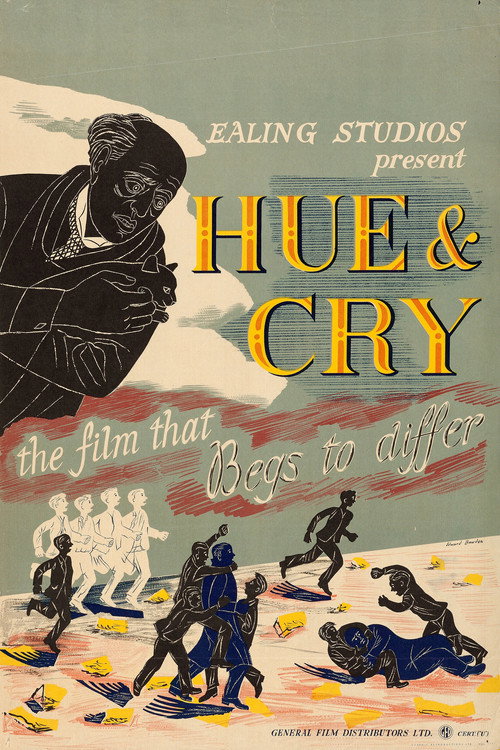
Hue and Cry1947
East End street kids realize their favorite comic book is actually being used to pass criminal instructions. Early Ealing gem—lean, clever, bursting with local color, and deeply fond of its young protagonists.
But The plot is thin and the action sequences feel a bit ragged. If you need strong narrative momentum, this is more of a mood and a moment than a machine.
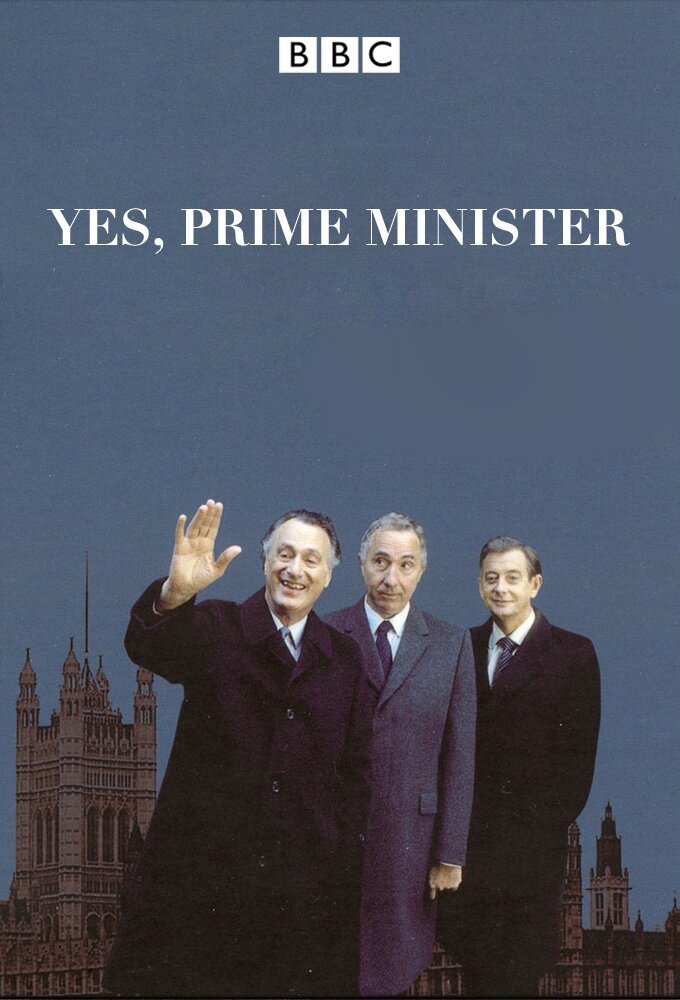
Yes, Prime Minister1986
Both hinge on the same idea: the gap between what politicians appear to be doing and what they're actually doing, with immense affection for the elaborate machinery that keeps everything running. One's a comedy, one's a satire, but both are genuinely intelligent about how institutions survive.
Civil servant Sir Humphrey systematically outmaneuvers a well-meaning Prime Minister through procedural brilliance and deadpan obfuscation. Incomparably sharp about how power actually works, written by people who understood Westminster from the inside.
But It's a stage play adapted for television—minimal sets, static composition, dialogue-heavy. If you need visual movement or cinematic texture, the staginess will distract you.
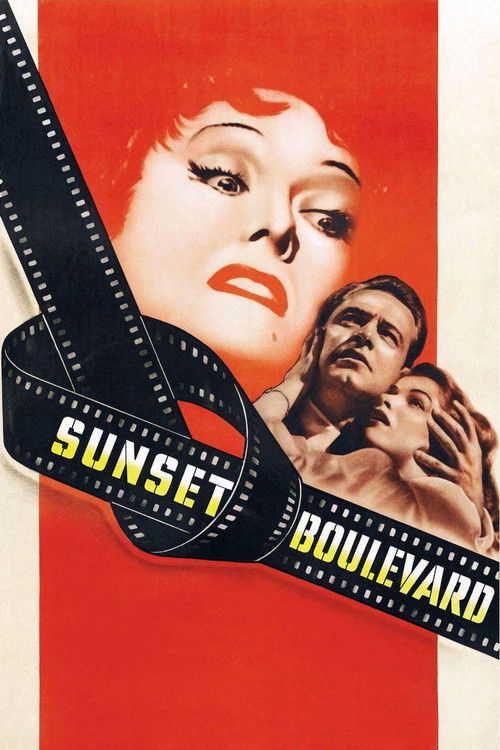
Sunset Boulevard1950
Same year, different country, same question: what happens when you're the wrong person in the wrong system? In Chiltern Hundreds, it's funny because Tony Pym is fundamentally adaptable and the system is actually quite flexible. In Sunset Boulevard, it's tragedy because Norma Desmond can't adapt and the system discards her anyway. They're inverted versions of the same story about class, ambition, and institutional power.
A failed screenwriter gets caught in the orbit of a delusional, wealthy silent-film star. Vicious, beautiful, and genuinely tragic. Wilder's masterpiece, and a scalpel aimed at vanity and delusion.
But It's entirely serious and occasionally brutal about human weakness and pathology. The tone is noir and regret, not comedy. It's a completely different temperature from the rest of this list.
People
Cast
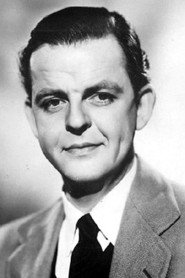 David TomlinsonLord Tony Pym
 Lana MorrisBessie Sykes
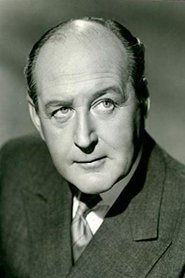 Cecil ParkerBenjamin Beecham
 Marjorie FieldingLady Lister
- Tom MacaulayCleghorn
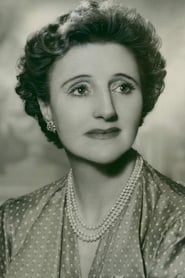 Joyce CareyLady Caroline
- Helen BacklinJune Farrell
- Robert CawdronSergeant
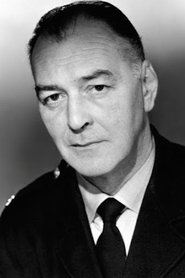 Cyril ChamberlainSentry
- Peggy Ann CliffordMother
- Richard DunnLabour Agent
 Ambrosine PhillpottsLady Fielding
Directing
- Peter BoltonAssistant Director
- Olga BrookContinuity
- John Paddy CarstairsDirector
Writing
- Patrick KirwanWriter
- William Douglas-HomeWriter
Production
- Maude SpectorCasting
- George H. BrownProducer
- F. Sherwin GreenProduction Manager
- Herbert SmithProduction Manager