
Film
A Day at the Races
- Comedy
- Light-hearted
The Marx Brothers wreck a sanitarium and attempt to save it through horse racing. It's an almost plotless cascade of routines—verbal slapstick, physical comedy, music numbers—strung together with the thinnest excuse. Anarchic, frequently hilarious, occasionally drag. For anyone who loves comedy built on personality and improvisation rather than mechanics.
Should you watch it?
Watch it if you enjoy anarchic wordplay, bickering set pieces and slapstick that runs on sheer nerve, and don't mind a plot that exists mainly to hang gags on.
Skip it if you want a tight story or modern pacing; the romance is dutiful, the musical numbers pause the plot dead, and the 1930s studio gloss can feel creaky.
What it asks of you: Roughly an hour and three-quarters of mostly brisk, scene-by-scene chaos, so you need to be happy to let the madness run loose rather than follow a careful thread.
Not sure? Find tonight's pick in a minute.
If you liked this
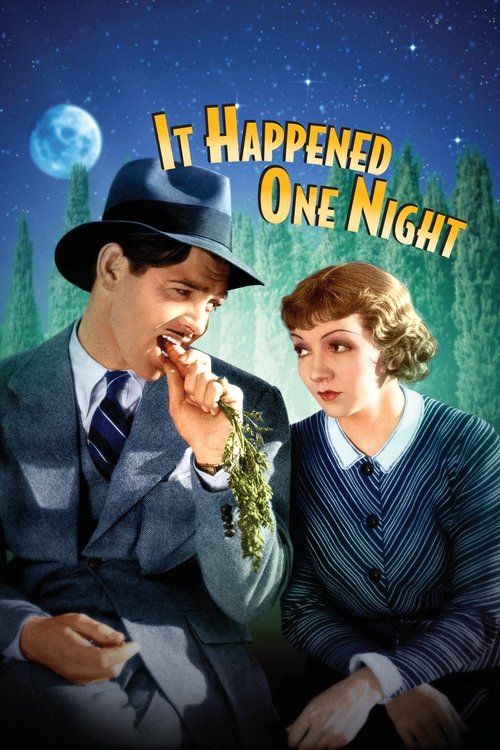
It Happened One Night1934
If you loved the Marx Brothers' anarchic energy, Capra's romantic comedy has that same screwball velocity and dialogue that flies at you faster than you can catch it. Smart and joyful.
But It's ultimately a conventional love story, whereas the Marxes aim to destroy convention entirely. Some may find that comforting; others will find it a step down.
Singin' in the Rain1952
Another film that prioritizes sheer performative joy and technical brilliance over plot. The dancing is what the Marxes' physical comedy is—not decoration but the entire point. Pure entertainment as an end in itself.
But It's romantic and sentimental in ways the Marxes never are. If you want Marx's cynicism and disorder, this movie's warmth might feel like a betrayal.

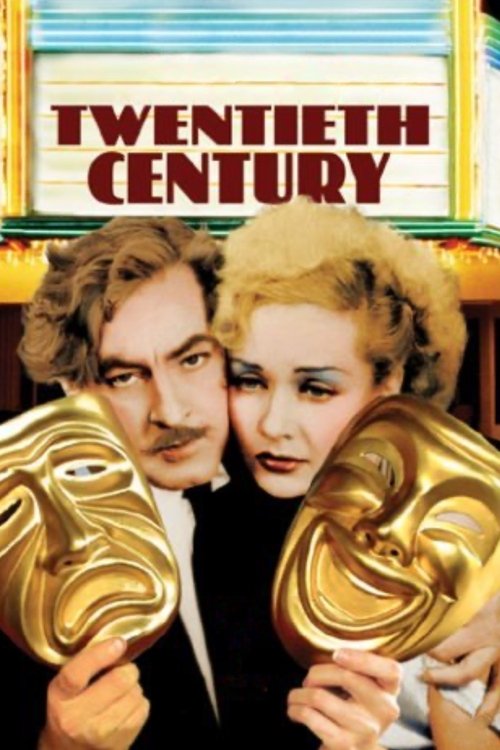
Twentieth Century1934
Screwball comedy at maximum chaos. Two theatrical professionals commit absolute lunacy on a train. The dialogue crackles, the pace never lets up, and nothing is sacred. This is the energy that inspired the Marxes themselves.
But Pre-Code energy means it moves at a clip that can exhaust you. Some viewers find the relentlessness wearing rather than exhilarating.
Not sure tonight? Get a pick in a minute, starting from A Day at the Races
The wildcard
Something you would not have found on your own.
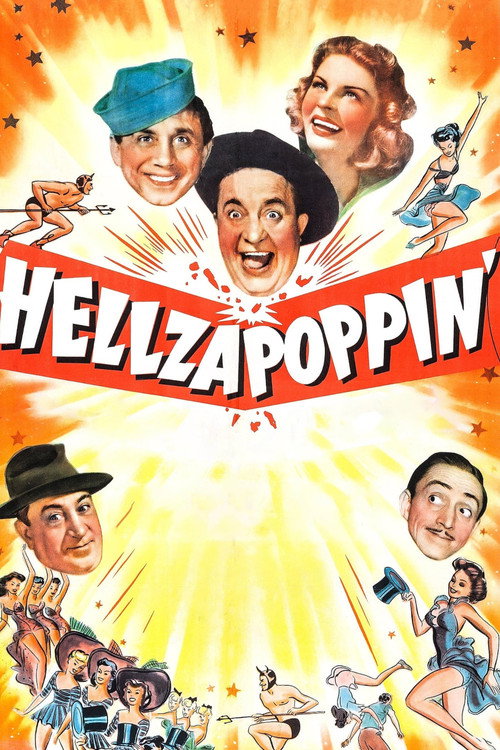
Hellzapoppin'1941
Both films treat narrative as a container for comedy rather than vice versa. Both use that container as permission to create controlled chaos. But where the Marxes stay within a loose story, Hellzapoppin' openly dismantles the very idea of film structure.
Ole Olsen and Chic Johnson's film adaptation of their stage show is pure theatrical mischief. It breaks the fourth wall constantly, stops and starts its own narrative, and treats the entire film as a playground for interruption and decoration. It's what happens when variety show chaos meets cinema.
But It's genuinely hard to follow. There is almost no plot, and the film itself seems actively uninterested in narrative coherence. It can feel like watching someone else's avant-garde prank.
More like this (7)
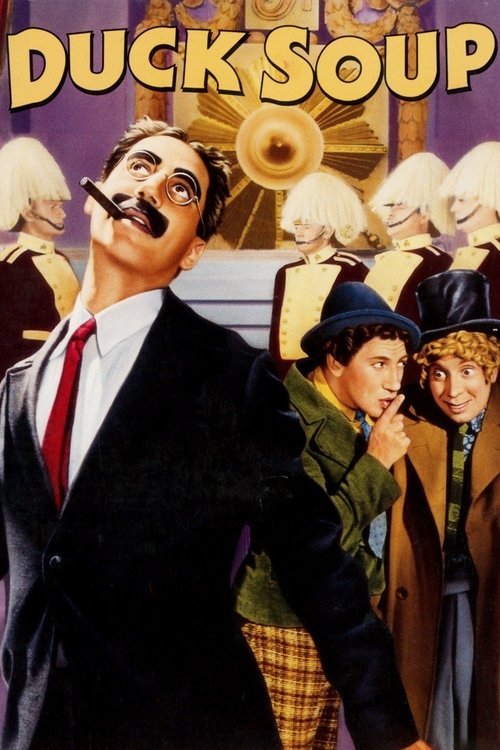
Duck Soup1933
The Marxes at their most purely destructive, sent up as a fascist government. No sanitarium plot to distract from the chaos. It's comedy as conceptual vandalism—nothing is too sacred to demolish.
But Even fans of Marx find it occasionally impenetrable. The gags sometimes work backwards or require knowledge you don't have. It can feel like watching someone else's inside jokes.
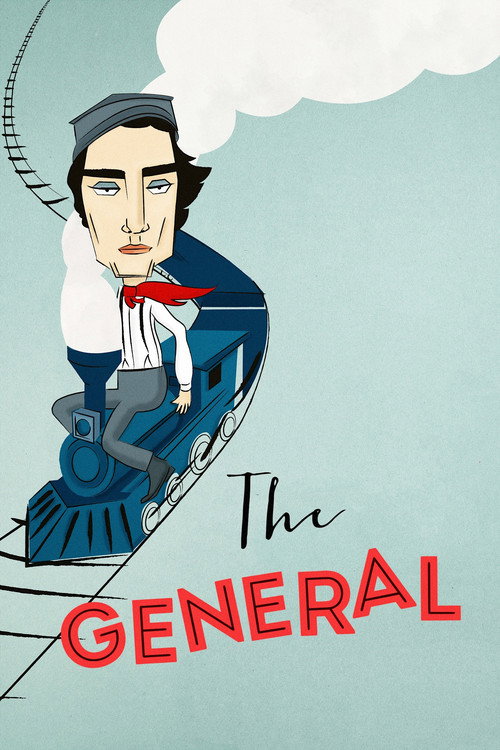
The General1926
Buster Keaton's masterpiece of physical comedy and storytelling. Like the Marxes, he makes comedy from how his body works and his absolute refusal to break character. The stone-faced anarchism is infectious.
But Silent film. Keaton's comedy is visual and deadpan where Marx is verbal and operatic. If you need dialogue and wisecracks, this will feel distant.
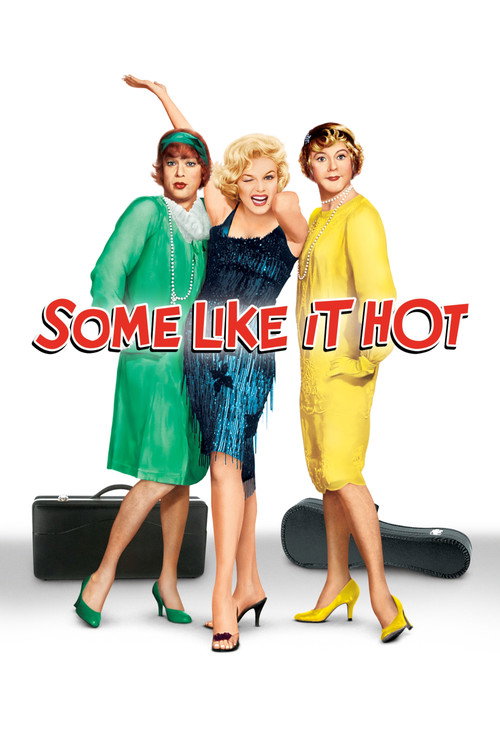
Some Like It Hot1959
The perfected form of the comedy the Marxes were pioneering—a plot held together by thin thread, driven entirely by character and gag. Wilder understood that the disruption matters more than the story.
But It's infinitely more polished and carefully structured than Marx Brothers films. The anarchism is tamed. It might feel slick where you want raw.
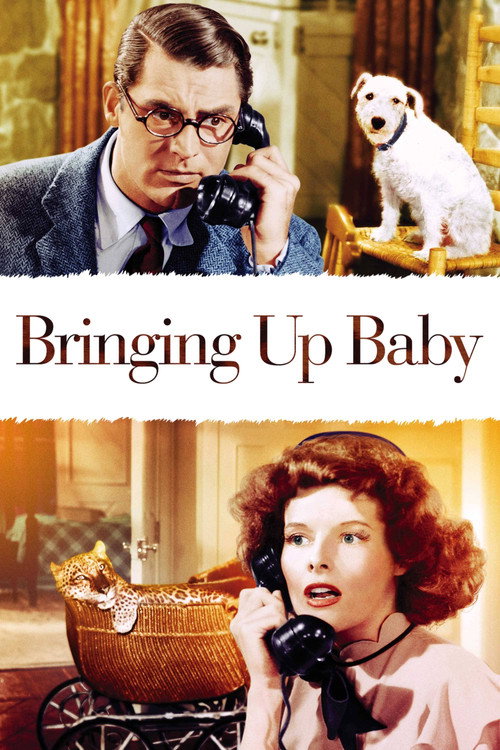
Bringing Up Baby1938
Hawks' masterpiece of screwball chaos. Cary Grant and Katharine Hepburn dismantle an entire evening through sheer force of personality and misunderstanding. The Marxes would recognize this energy absolutely.
But The chaos serves a romantic plot. If you want the Marxes' anti-romantic anarchism, this movie's devotion to Cupid might feel conventional.
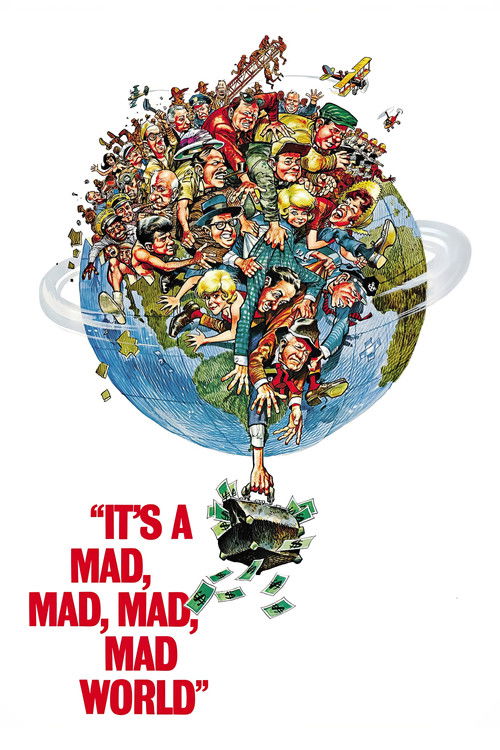
It's a Mad, Mad, Mad, Mad World1963
An ensemble comedy built on the idea that more people creating chaos is better. Sprawling, confident, deeply silly. The spirit of Marxist anarchism applied to an entire cast of comedians and a cross-country road race.
But At nearly three hours, it tests patience. Some stretches feel padded, and the sentimentality in the ending contradicts everything that came before.
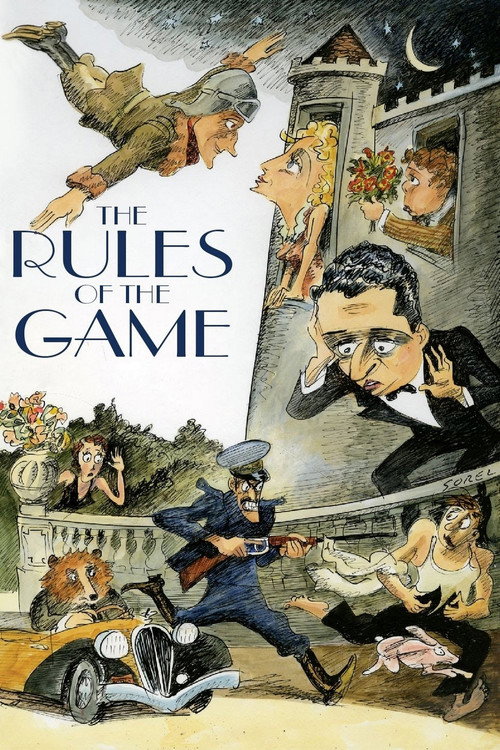
The Rules of the Game1939
Both films ask: what happens when someone refuses to follow the script? In A Day at the Races, the Marxes are anarchists who wreck institutions through chaos. In Rules of the Game, Renoir shows how institutions are already elaborate performances waiting to collapse. One is farce; one is tragedy. Both understand that civilization is a fragile arrangement.
Renoir's masterpiece uses formal elegance to show how social rules regulate human behavior. Every character follows invisible scripts until those scripts collapse. It's a dissection of order, ceremony, and the farce that keeps institutions together.
But It's a three-hour French drama with subtitles, slow-paced and deeply serious. It contains comedy, but the comedy is bitter and rooted in real consequence. This is not entertainment in the way the Marxes offer it.
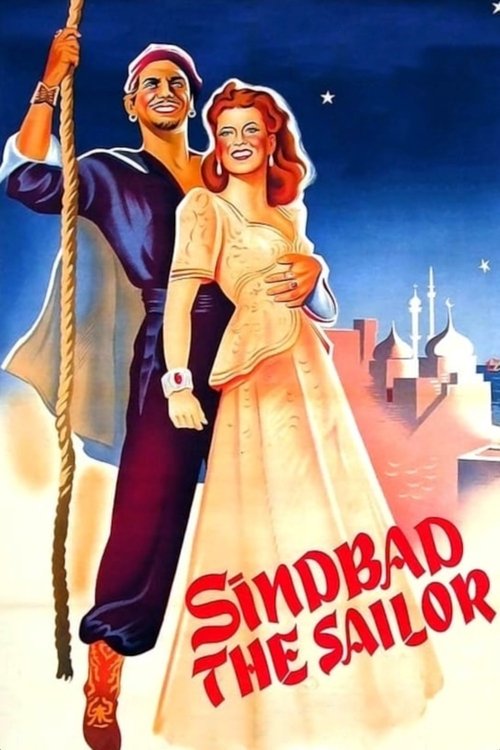
Sinbad the Sailor1947
Both prioritize the performer over story. Both are built on sequences and spectacle rather than dramatic arc. But Sinbad does this in the realm of fantasy and action, where the Marxes did it through dialogue and disruption. It shows that the Marx philosophy—let the performer carry it—works across completely different genres and registers.
Technicolor fantasy-adventure built on the same principle as the Marxes used: gather brilliant physical performers, give them minimal plot, and let personality and spectacle do the work. Sabu becomes the film's engine, and the chaos flows from him. Pure visual delight and nonsense.
But It's a children's film, or seems like one. The plot is genuinely thin even by Marxes standards. Adult viewers sometimes find it too lightweight and whimsical, without the edge or intelligence they want from their entertainment.
People
Cast
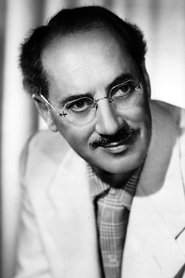 Groucho MarxDr. Hugo Z. Hackenbush
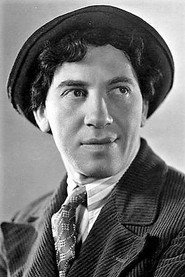 Chico MarxTony
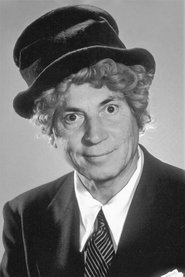 Harpo MarxStuffy
 Allan JonesGil Stewart
 Maureen O'SullivanJudy Standish
 Margaret DumontEmily Upjohn
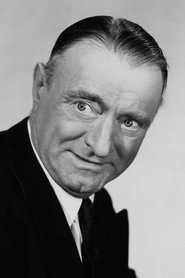 Sig RumanDr. Leopold X. Steinberg
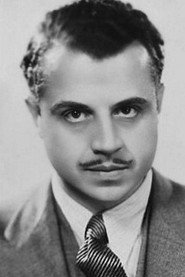 Leonard CeeleyWhitmore
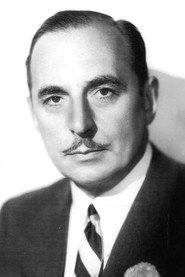 Douglass DumbrilleMorgan
 Esther Muir'Flo' Marlowe
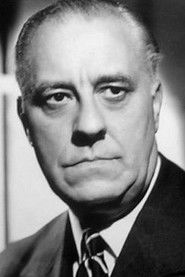 Robert MiddlemassSheriff
 Vivien FaySpecialty Dancer
Directing
- Robert A. GoldenAssistant Director
- Sam WoodDirector
Writing
- Gus KahnLyricist
- George OppenheimerScreenplay
- George SeatonScreenplay
- Robert PiroshScreenplay
- George SeatonStory
- Robert PiroshStory
Production
- Irving ThalbergProducer
- Lawrence WeingartenProducer
- Sam WoodProducer