
Film
It Ain't Hay
- Comedy
- Light-hearted
Abbott and Costello at peak velocity: mistaken identity, slapstick chaos, and a horse at the centre of everything. It's wartime comedy that doesn't apologise for being silly—rapid-fire gags, tight timing, and two comics who know exactly how to land a punchline. For anyone who loves physical comedy that moves like clockwork.
Should you watch it?
Watch it if you love a fast-talking double act where the comic rhythm of two mismatched men matters more than the plot, and classic Hollywood slapstick is your idea of a good time.
Skip it if you want a tight story or modern pacing; the racing plot is a flimsy excuse for pratfalls, and the jokes can feel creaky to anyone raised on sharper comedy.
What it asks of you: Roughly eighty minutes of brisk verbal exchanges and set-piece mugging, with gags that arrive on their own schedule and need your patience more than your attention.
Not sure? Find tonight's pick in a minute.
If you liked this
Singin' in the Rain1952
The gold standard of Hollywood musical comedy: impeccable timing, genuine affection for its own absurdities, and Gene Kelly at his most exuberant. Every scene builds perfectly into the next.
But It's a product of its era in ways that can feel dated; the romantic plot occasionally halts the momentum you came for.

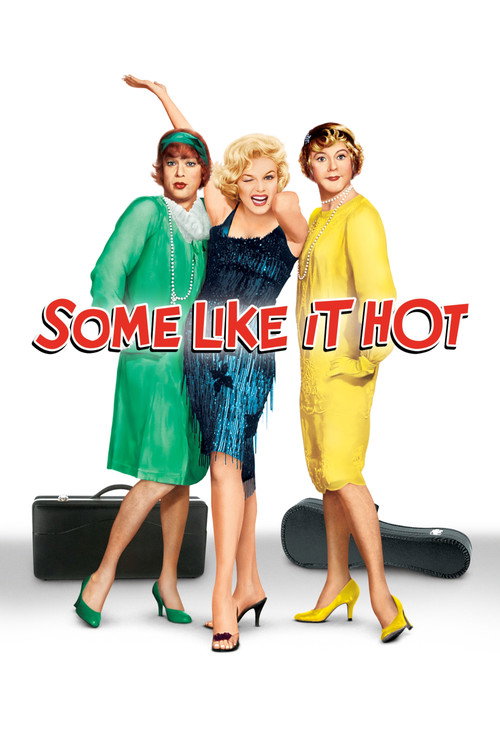
Some Like It Hot1959
Wilder directing two comic geniuses in a film that understands disguise, mistaken identity, and timing at the molecular level. Endlessly rewatchable—jokes land differently each time.
But The pace can feel theatrical rather than naturalistic if you've grown up on faster editing; some might find the sentimentality sappy.
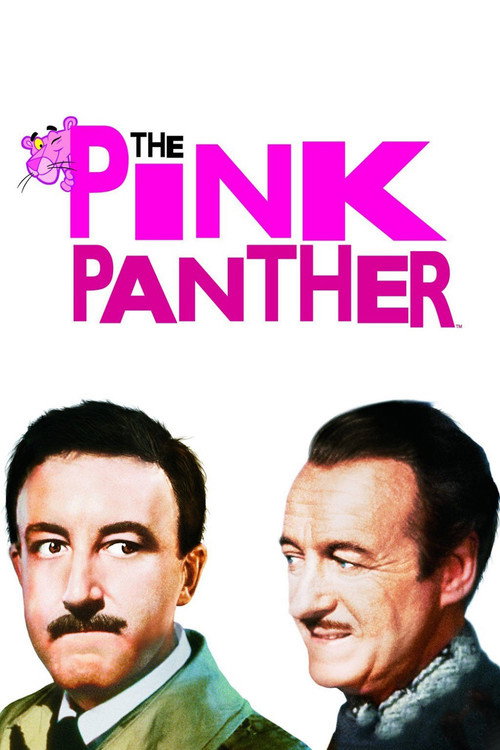
The Pink Panther1963
Physical comedy so precise it's almost choreography. Peter Sellers is a masterclass in controlled chaos, and the film finds humour in watching competence slowly unravel.
But The plot is essentially an excuse for set pieces; if you need narrative momentum, you might feel it dragging between laughs.
Not sure tonight? Get a pick in a minute, starting from It Ain't Hay
The wildcard
Something you would not have found on your own.
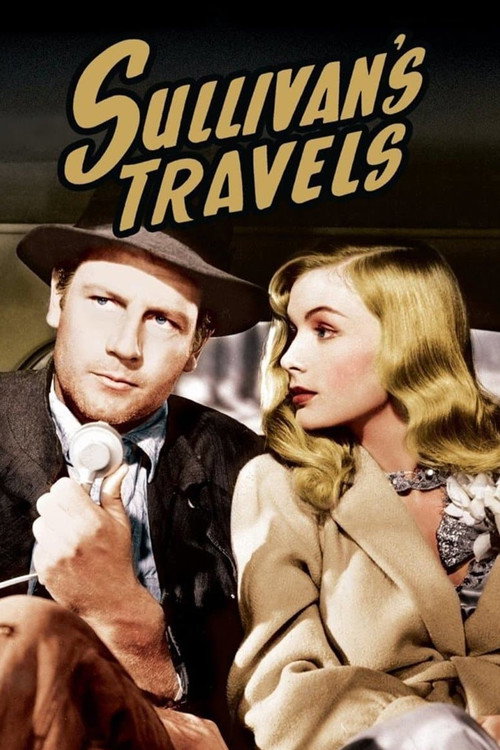
Sullivan's Travels1941
Both use comedy as a vehicle for something larger—farce and mistaken identity as the engine for exploring character and meaning, not just gags for their own sake.
Preston Sturges pulls off something nearly impossible: a comedy that becomes genuinely moving without losing its wit. It's about the purpose of laughter itself—meta before that was easy, and it earns it.
But The tonal shift in the second half alienates viewers expecting pure comedy; the serious material can feel clumsy if you're resistant to sentiment.
More like this (8)
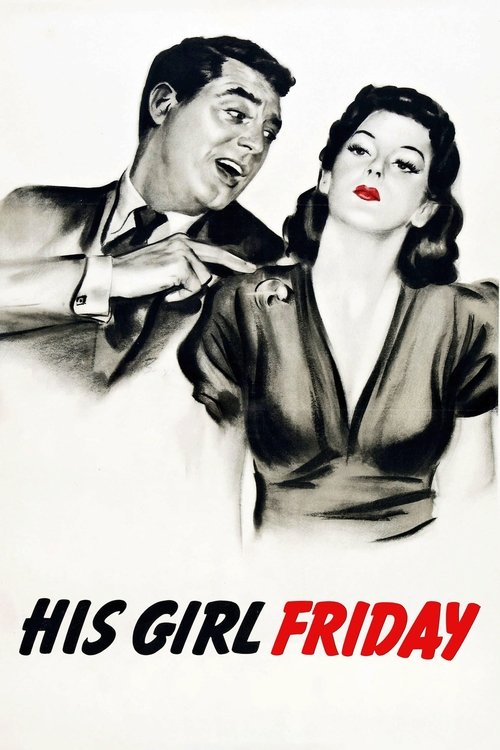
His Girl Friday1940
Rapid-fire overlapping dialogue and comedic timing so sharp it feels modern. The chemistry between leads crackles; watch the script work like a Swiss watch.
But The speed can be exhausting on first viewing; the newsroom milieu may feel distant unless you're interested in 1940s journalism.
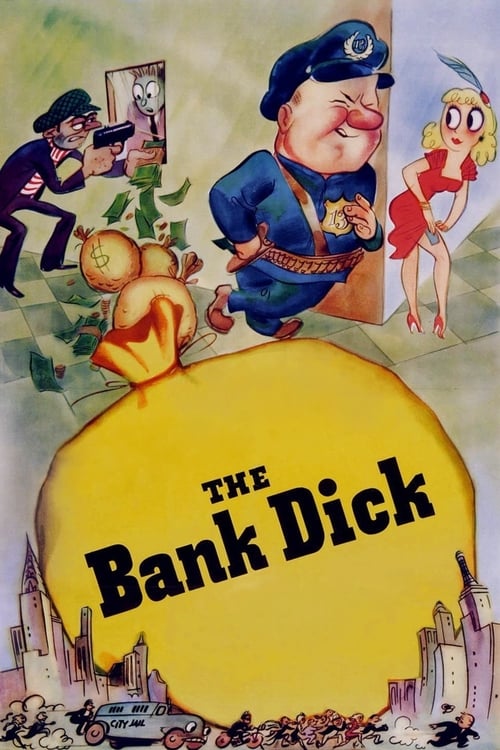
The Bank Dick1940
W.C. Fields drunk and disagreeable, destroying every scene with perfect comic timing. It's anarchic, mean-spirited, and utterly delightful—pre-war comedy at its most unruly.
But Fields is the film's entire appeal; there's no plot to speak of, just a string of gags. If you don't love his persona, you'll feel lost.
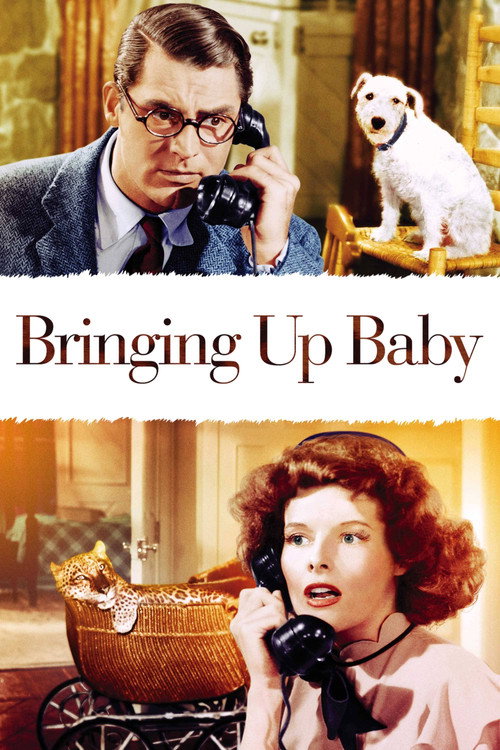
Bringing Up Baby1938
Screwball perfection: Cary Grant and Katharine Hepburn in a film that prioritises chaos and verbal wit over sense. The leopard is perfect. The pacing is relentless and expert.
But The humour depends entirely on the leads' chemistry and delivery; if their timing doesn't land for you, the whole thing collapses.
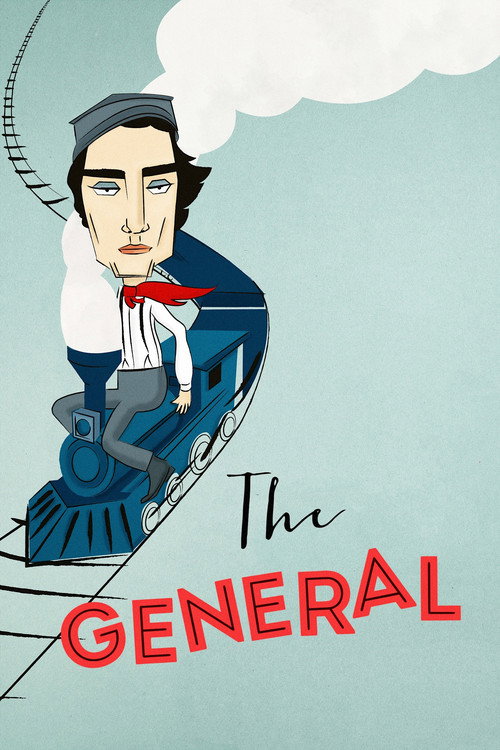
The General1926
Buster Keaton's stone face doing impossible things with a train. Pure physical comedy, no dialogue needed—the precision is breathtaking, the gags genuinely inventive.
But Silent film grammar feels alien to modern viewers; without context, it can seem slow or play as unintentionally funny rather than comedic.
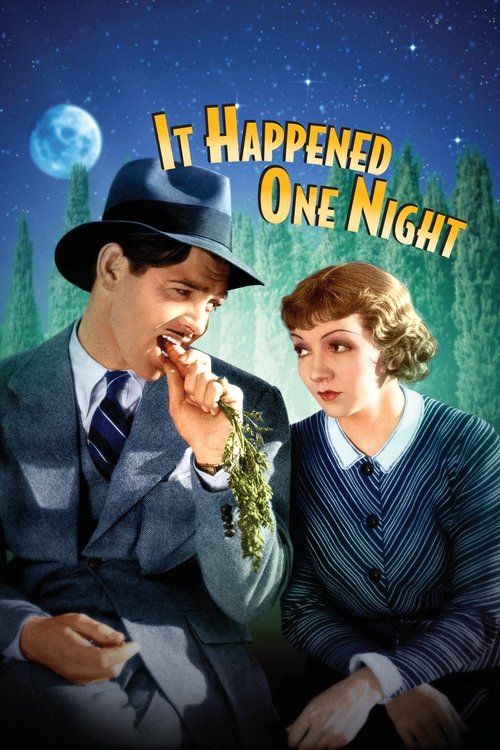
It Happened One Night1934
Pre-war romantic comedy that actually works—Clark Gable and Claudette Colbert with chemistry, wit, and scenes that feel spontaneous despite meticulous control.
But The romance can overshadow the comedy if you're after pure laughs; the pacing feels leisurely compared to later screwball films.
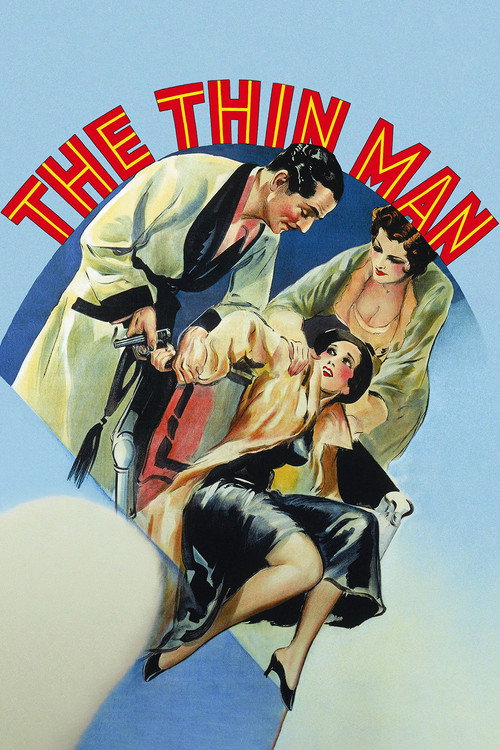
The Thin Man1934
William Powell and Myrna Loy drunk and flirting while solving a murder. It's effortless, charming, and proves that chemistry between leads can carry an entire film.
But The mystery plot is perfunctory and easy to ignore; if you want an actual whodunit, you'll be disappointed by the slack middle section.
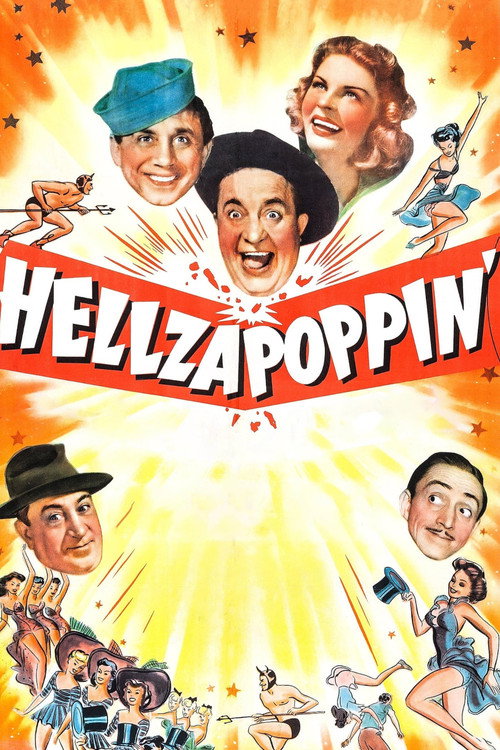
Hellzapoppin'1941
Both prioritise momentum and gag density over story; the plot is scaffolding for comedy, not the other way around. Abbott and Costello understood this language perfectly.
Olsen and Johnson deconstruct the entire concept of a plot. There's barely a frame without a gag; it ignores narrative logic entirely and dares you to keep up. Genuinely anarchic.
But It's less a film than a barrage—no emotional anchor, no character development, just relentless visual and verbal chaos. Exhausting for some, exhilarating for others.
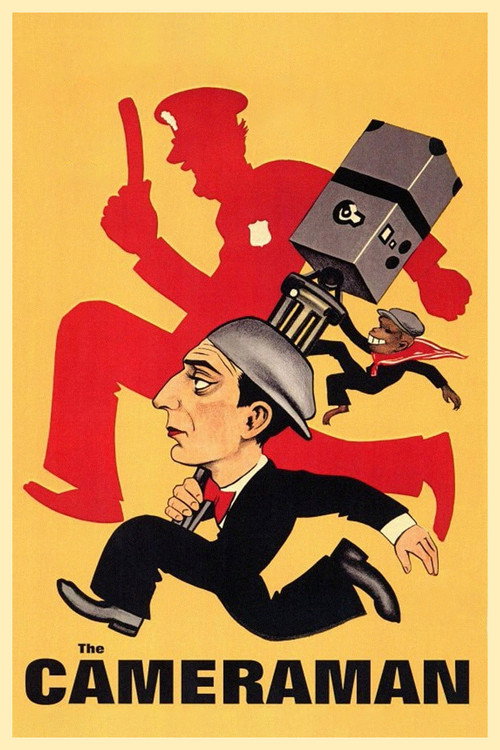
The Cameraman1928
Both use physical comedy and mistaken identity as the spine of the story, not distractions from it. Both know that timing and character matter as much as the joke landing.
Buster Keaton in a love story where every beat is a physical gag perfectly calibrated to its moment. Remarkably tender underneath—comedy that trusts you to feel something real while laughing.
But It's silent and deliberately paced; modern audiences often mistake restraint for slowness, and the ending might seem sentimental rather than earned.
People
Cast
 Bud AbbottGrover Mockridge
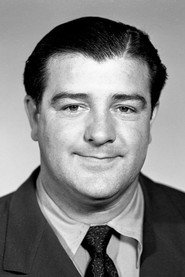 Lou CostelloWilbur Hoolihan
 Grace McDonaldKitty McClain
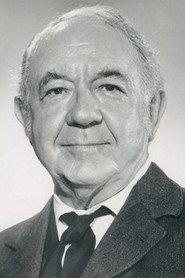 Cecil KellawayKing O'Hara
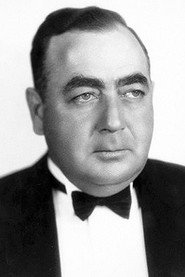 Eugene PalletteGregory Warner
 Patsy O'ConnorPeggy / Princess O'Hara
- Leighton NoblePrivate Joe Collins
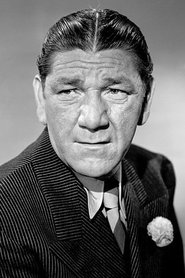 Shemp HowardUmbrella Sam
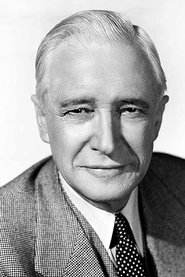 Samuel S. HindsColonel Brainard
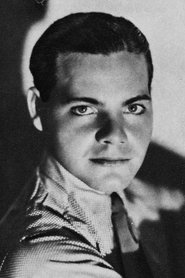 Eddie QuillanHarry, the Horse
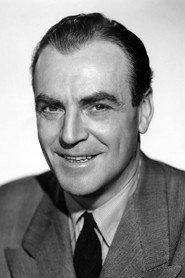 Richard LaneSlicker
- David HackerChauncey the Eye
Directing
- Erle C. KentonDirector
Writing
- Allen BoretzScreenplay
- John GrantScreenplay
- Damon RunyonStory
Production
- Alex GottliebProducer