
Film
The Great Buster: A Celebration
- Comedy
- Light-hearted
A warm, affectionate documentary celebrating Buster Keaton's genius as both a comedian and filmmaker. Through interviews with admirers and archival footage, it traces how his deadpan physicality and technical innovation reshaped cinema itself. Perfect for anyone curious about silent film's enduring power.
Should you watch it?
Watch it if you already love Buster Keaton's stone-faced stunts and want an affectionate tour through his career, with clips and talking heads who clearly adore him.
Skip it if you have never seen a Keaton film, since this assumes you know his work and leans on fan-style reverence rather than explaining the craft from scratch.
What it asks of you: It runs about an hour and forty minutes at a leisurely, chatty pace, so settle in for an appreciation rather than a brisk overview.
Not sure? Find tonight's pick in a minute.
If you liked this
Singin' in the Rain1952
A love letter to cinema's early days, bursting with the kind of physical comedy that Keaton pioneered. Gene Kelly and Donald O'Connor channel his spirit through every dance and gag.
But Its optimism and theatrical style feel very much of the 1950s; some find it saccharine or overly precious now.

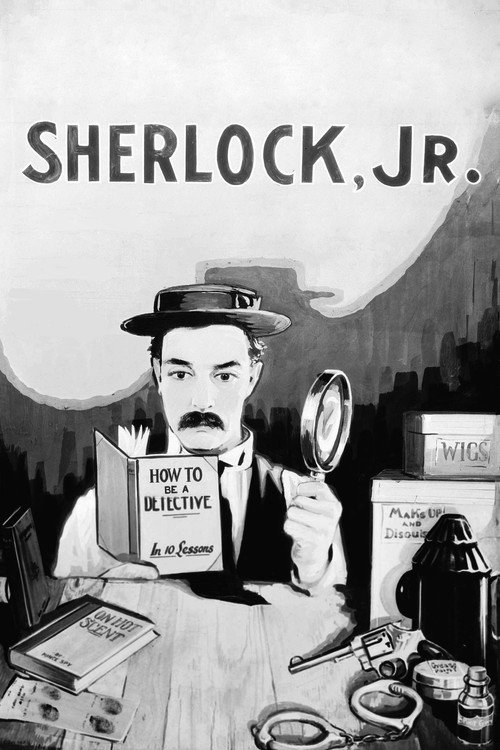
Sherlock Jr.1924
Keaton's own masterpiece: a stunt-filled fever dream about a film projectionist who dreams himself into a movie. Essential viewing to understand what the documentary is celebrating.
But It's silent and only 45 minutes long. Some viewers struggle with pacing or finding emotion without dialogue.
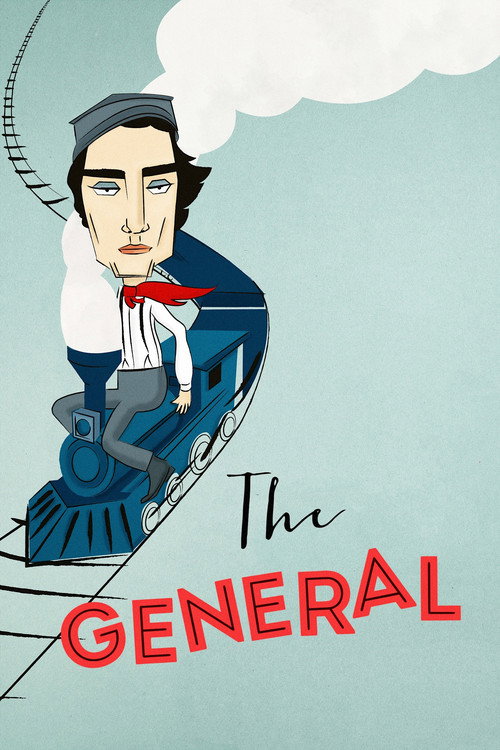
The General1926
Keaton's greatest film—a Civil War comedy that plays like a perfectly timed machine. His face never moves while chaos erupts around him, and that tension is hilarious and oddly moving.
But The plot is thin and the tone deadpan to the point of alienation. It rewards patience more than belly laughs.
Not sure tonight? Get a pick in a minute, starting from The Great Buster: A Celebration
The wildcard
Something you would not have found on your own.
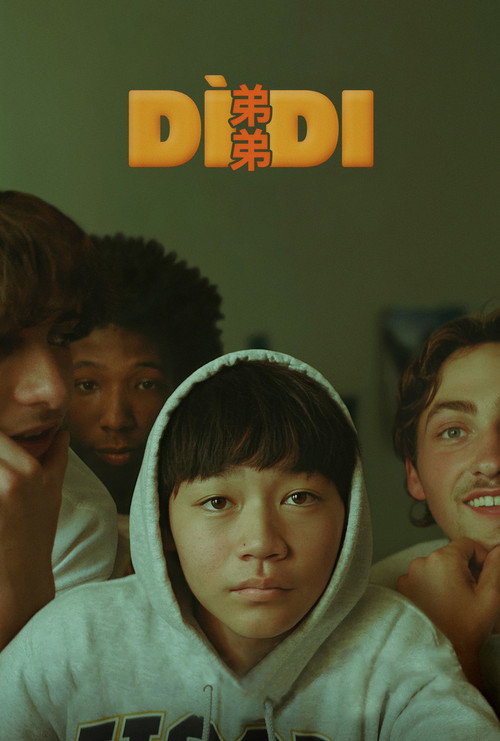
Dìdi (弟弟)2024
Both Keaton and this film prove that physical comedy and stillness can convey loneliness, grace, and humanity without a single word.
A contemporary film where an aging man rediscovers joy through pure physical comedy and mime. Like Keaton, the director finds profundity in the body's ability to express what words cannot, without nostalgia.
But It's quiet and meditative in ways that test patience. There's no plot in the traditional sense, just mood and performance.
More like this (8)
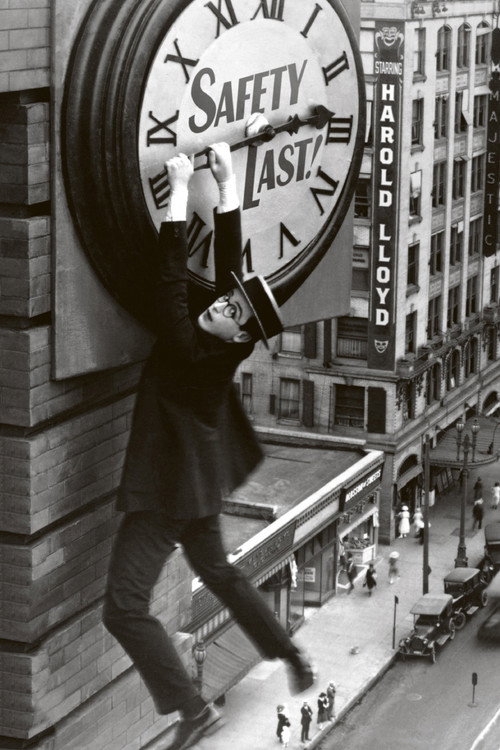
Safety Last!1923
Harold Lloyd climbing a skyscraper with no safety net is iconic, but the whole film is a masterclass in escalating comedy. This is what made audiences fall in love with silent slapstick.
But Lloyd's frantic energy is the opposite of Keaton's stillness; if you come for Keaton, you might find this exhausting.
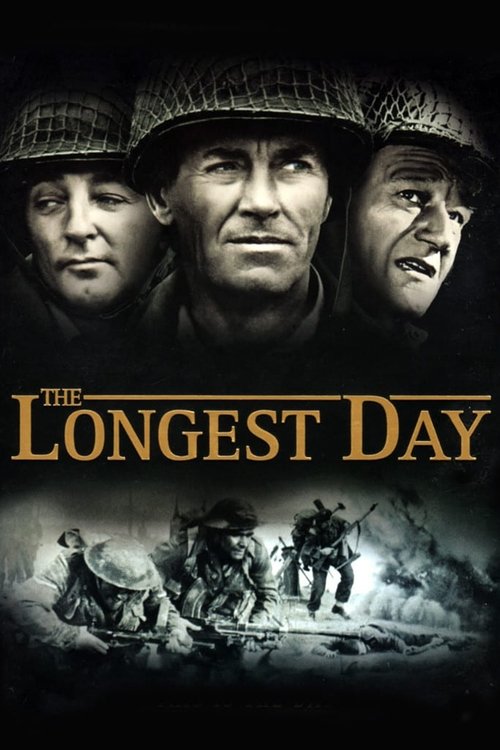
The Longest Day1962
A sprawling D-Day epic with a massive cast, including a late-career Keaton. It's a grand war film that shows how his influence spread across Hollywood decades after silent cinema.
But It's nearly three hours of cross-cutting between dozens of soldiers. The scope can feel overwhelming rather than moving.
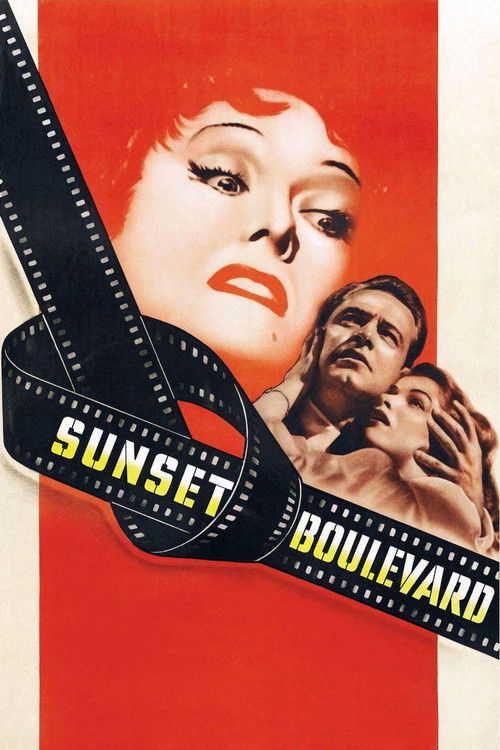
Sunset Boulevard1950
Billy Wilder's savage anatomy of Hollywood and forgotten stardom. It captures the same era of cinema as Keaton's work, with the same sharp eye for tragedy beneath the glamour.
But It's bleak and cynical in ways the documentary celebrates Keaton for transcending. Some find it punishing to watch.
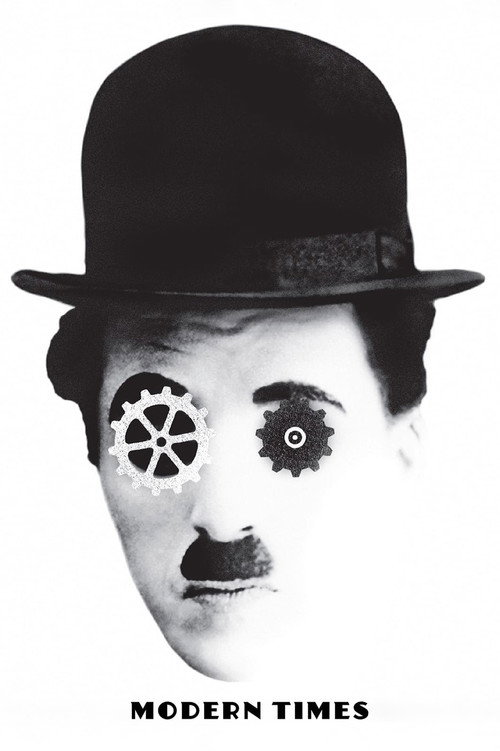
Modern Times1936
Chaplin's response to the machine age, made while Keaton was still active. Watching both comedians react to industrialization shows the range of what silent film could do.
But Chaplin's sentimentality is the inverse of Keaton's ice. If you love Buster, you might find this maudlin.
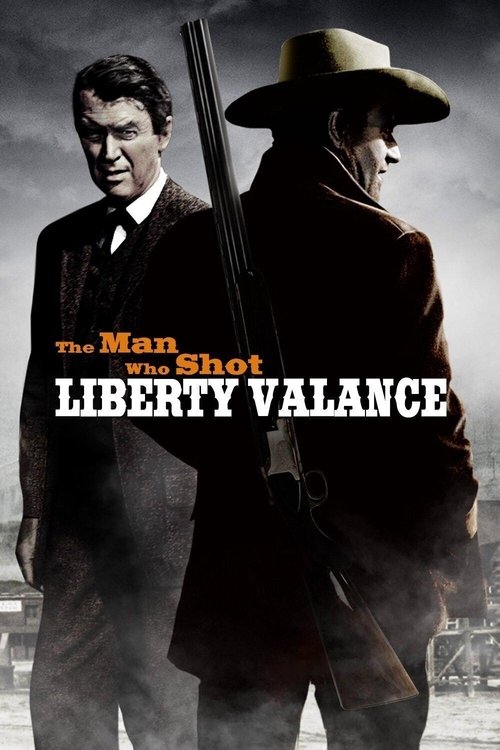
The Man Who Shot Liberty Valance1962
John Ford's meditation on legend versus truth, shot in black and white like the films Keaton made. It has the same unhurried pace and visual grace as silent cinema at its peak.
But It's a slow Western with minimal action. Modern viewers often find it dull compared to the physical comedy of Keaton's era.
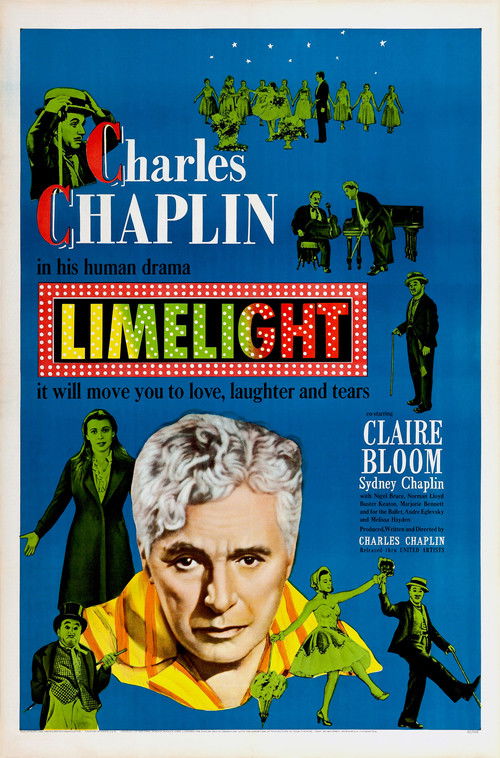
Limelight1952
Chaplin's farewell to vaudeville and the silent era, with brief appearances by other era legends. It's a meditation on mortality and artistic legacy that complements the documentary's elegiac tone.
But It's Chaplin's most indulgent work—sentimental to the point of bathos. Some viewers find it insufferable.
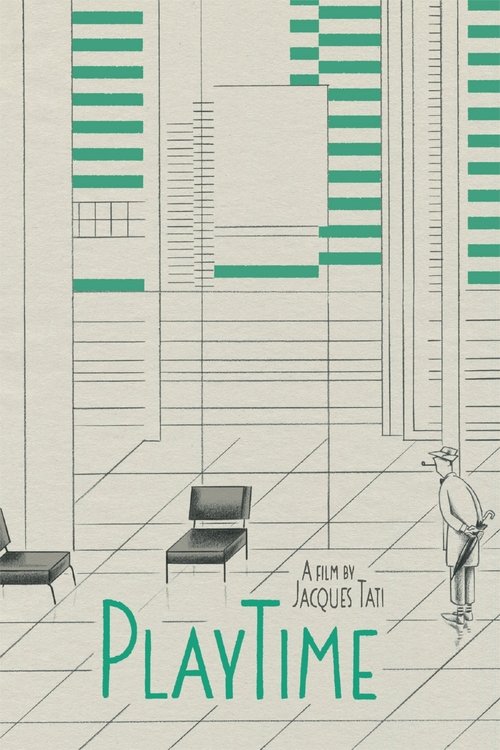
PlayTime1967
Tati inherited Keaton's belief that camera placement and physical space are comedy. Both men made films where the world is funnier than any face could be.
Jacques Tati's vast, meticulously choreographed comedy about a man navigating a sterile modern city. Every frame is designed like one of Keaton's stunts: the joke lives in spatial precision, not in a actor's reaction.
But It's a four-hour French film shot in VistaVision where dialogue is almost inaudible and the action happens across the entire frame. Exhausting if you're not on its wavelength.
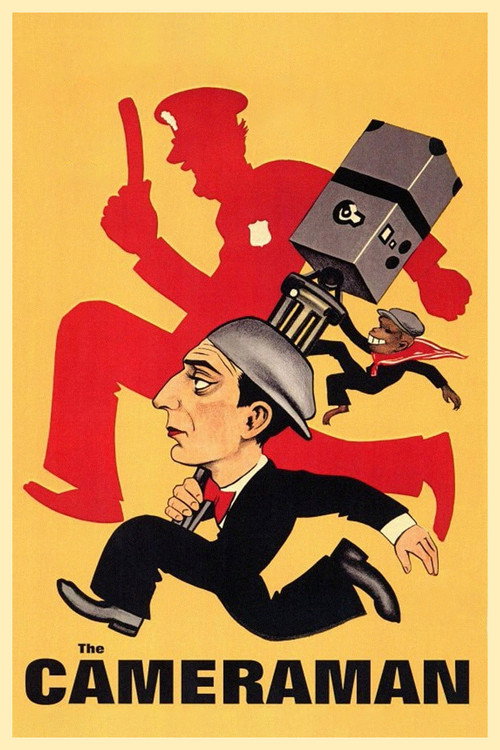
The Cameraman1928
This is the opposite kind of wildcard: not a film influenced by Keaton, but one he made that's been overshadowed. The documentary celebrates his genius; this film proves every word of it.
One of Keaton's finest late silents: a young man competes for the affections of a woman by becoming a news cameraman. It's endlessly inventive, touching, and a perfect encapsulation of why he mattered.
But It's lesser-known even among silent film enthusiasts, which means few modern audiences have heard of it. That obscurity itself can feel like a barrier to engagement.
People
Cast
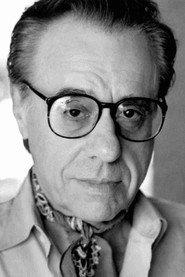 Peter BogdanovichNarrator (voice)
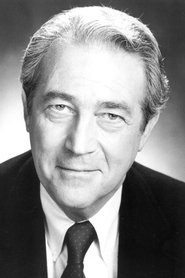 James KarenSelf
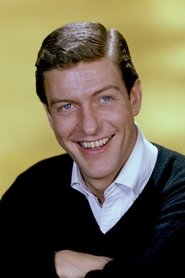 Dick Van DykeSelf
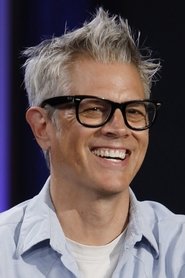 Johnny KnoxvilleSelf
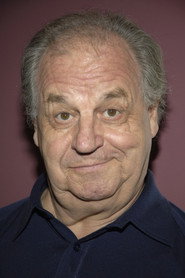 Paul DooleySelf
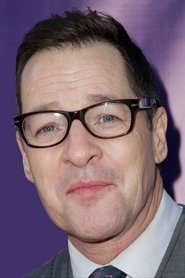 French StewartSelf
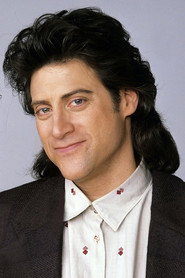 Richard LewisSelf
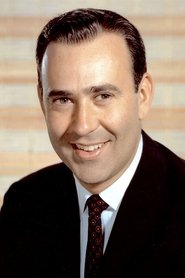 Carl ReinerSelf
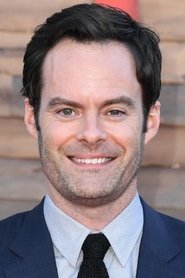 Bill HaderSelf
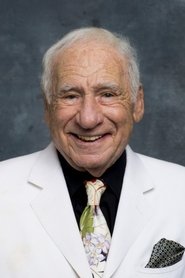 Mel BrooksSelf
 Cybill ShepherdSelf
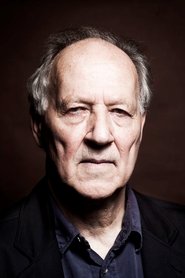 Werner HerzogSelf
Directing
- Peter BogdanovichDirector
Writing
- Peter BogdanovichScreenplay
Production
- Bill Berg-HillingerCo-Producer
- Charles S. CohenProducer
- Charles V. BenderProducer
- Louise StrattenProducer
- Peter BogdanovichProducer
- Roee Sharon PeledProducer
Recommended by
Steamboat Bill, Jr., The Poughkeepsie Tapes, Three Men in a Boat