
Film
The Poughkeepsie Tapes
A found-footage horror film built around the discovery of videotapes documenting a serial killer's crimes. Structured as a police procedural with documentary elements, it's methodical and merciless—all surface, no cutaways. For viewers drawn to the psychological texture of crime rather than jump scares: how evil gets documented, how obsession works, what remains after atrocity.
Should you watch it?
Watch it if you are drawn to cold, procedural horror where dread builds through found evidence and interview-style detail rather than jump scares, and you can sit with what the camera records.
Skip it if you need relief from cruelty on screen, since it lingers on suffering for long stretches and the tape-by-tape structure can feel episodic and grinding.
What it asks of you: Expect a lean runtime of about eighty-one minutes, mostly bleak and watchful, with long stretches of observation and little relief, so both patience and stomach get tested.
Not sure? Find tonight's pick in a minute.
If you liked this
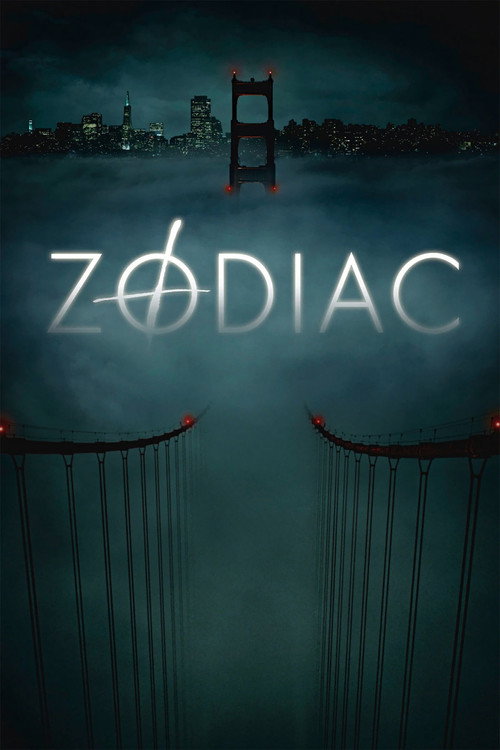
Zodiac2007
Fincher's obsessive hunt for a killer across decades, told through investigation rather than violence. Like Poughkeepsie, it's about the slow architecture of a crime, the weight of evidence, the detective's descent into the killer's logic.
But Methodical to the point of glacial. Three hours of men staring at papers and each other. The killer barely appears onscreen.
Memories of Murder2003
A South Korean masterpiece about detectives pursuing a serial killer in the 1980s. Fractured, darkly funny, heartbreaking—it understands how mystery corrodes the hunters as much as the hunted. Infinitely more sophisticated than the premise suggests.
But Subtitled. The pacing is deliberately fractured and ambiguous; it refuses catharsis in ways that will frustrate some viewers.

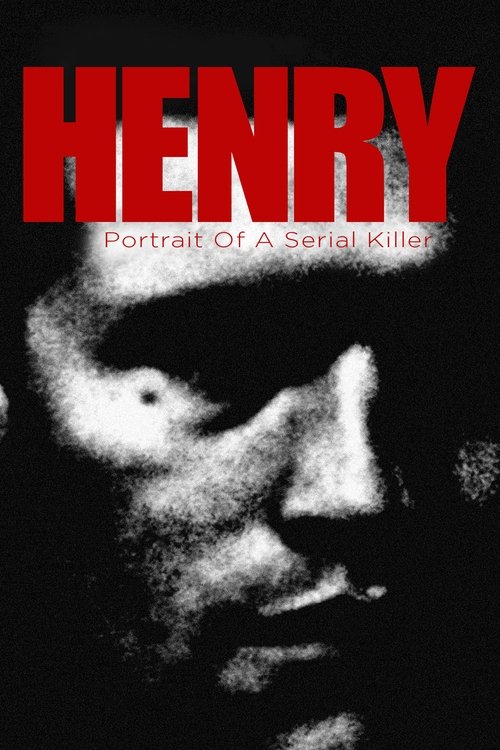
Henry: Portrait of a Serial Killer1986
Raw, unflinching account of a drifter and his crimes. Shot on VHS with documentary flatness, it shares Poughkeepsie's commitment to depicting evil without aesthetic distance or moral commentary from the frame itself.
But Genuinely difficult to watch. Not gory, but emotionally blunt. Some scenes are exploitative and there's no catharsis, just aftermath and drift.
Not sure tonight? Get a pick in a minute, starting from The Poughkeepsie Tapes
The wildcard
Something you would not have found on your own.
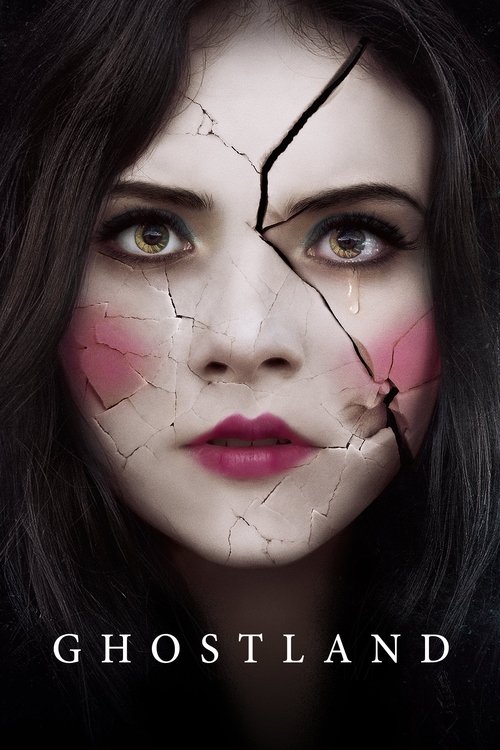
Ghostland2018
Both are about what evidence—footage, memory, the recorded moment—tells us versus what it withholds. Both refuse to let the audience witness the crime cleanly. Both are more interested in the psychological aftermath than the act itself.
Pascal Laugier's film about two sisters and the escape from a serial killer—but it's a trauma film, not a crime film. Deals with how violence gets stored in the body and mind, how memory fractures. Shares Poughkeepsie's refusal of catharsis but aims for something far more psychological and poetic.
But The ending will anger some viewers. It's abstract where Poughkeepsie is concrete. A sustained tone of existential dread with no resolution, and the violence is brief but shocking.
More like this (8)
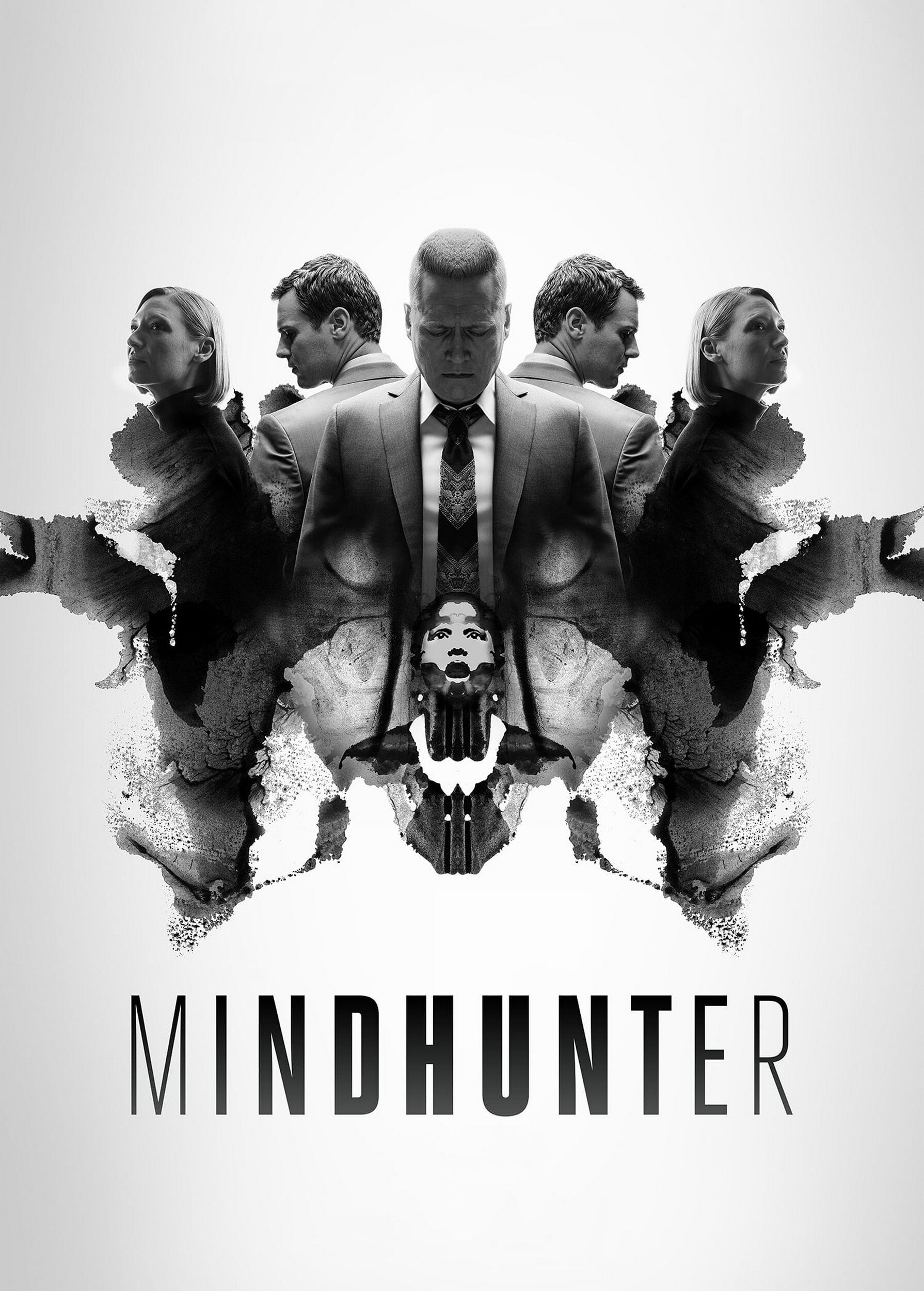
MINDHUNTER2017
Netflix series that builds the FBI's profiling unit through interviews with imprisoned killers. Meticulous, intelligent, and obsessed with the gap between what a killer is and what investigators imagine. Season 1 is immaculate.
But Slow. Interviews are repetitive by design. Later seasons lose focus and momentum. The show's own obsession becomes its weakness.
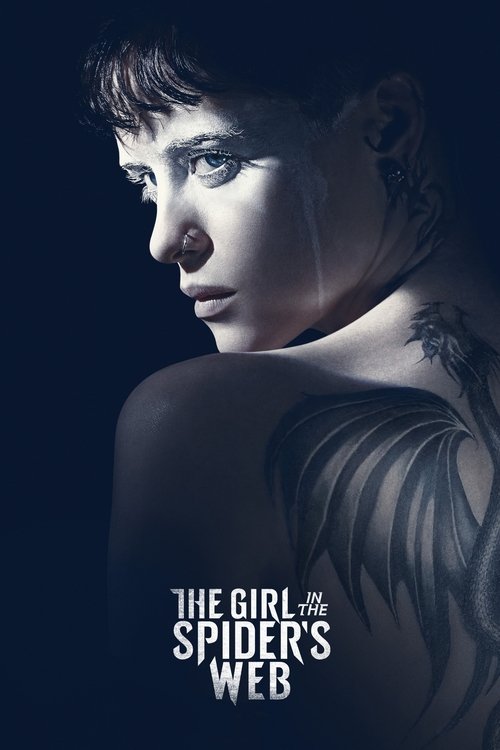
The Girl in the Spider's Web2018
Stylish Scandinavian thriller built on digital surveillance, hacking, and the evidence that lives in machines. Shares Poughkeepsie's fascination with how crime is recorded and witnessed through technology rather than presence.
But The plot twists are sometimes nonsense. It prioritizes mood and visual style over logic, which works until it doesn't. Moderately forgettable despite being handsomely made.
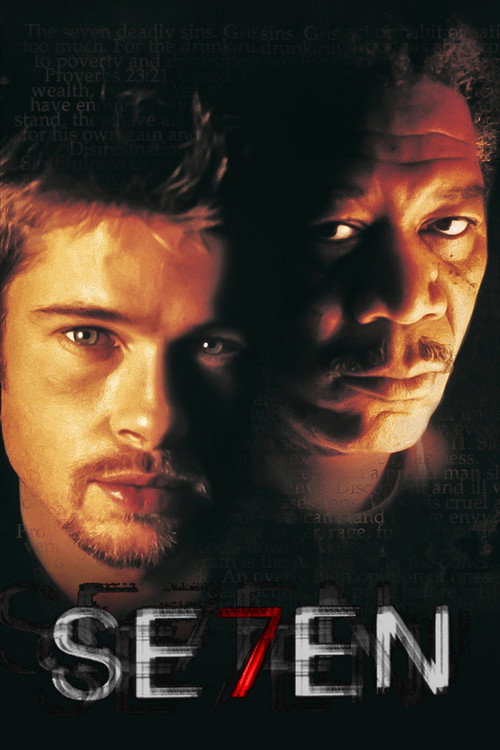
Se7en1995
The foundational serial killer procedural. Grim, baroque, structurally perfect. Two detectives and a killer locked in a chess match played through murders that are almost acts of philosophy. The ending is merciless.
But Everyone's seen it. The twist has been spoiled everywhere. Some of the mysticism around the crimes feels dated now, and Pitt's performance can grate.
The Great Buster: A Celebration2018
Docuseries following a pair of detectives pursuing a serial killer using old videotapes as evidence. Real investigation, real interviews, real evidence. The actual structural DNA of what Poughkeepsie tries to dramatize.
But True crime documentary formats are exhausted. This one is competent but familiar; there's no narrative pressure. Some viewers will find real crime harder to watch than fictional dramatization.
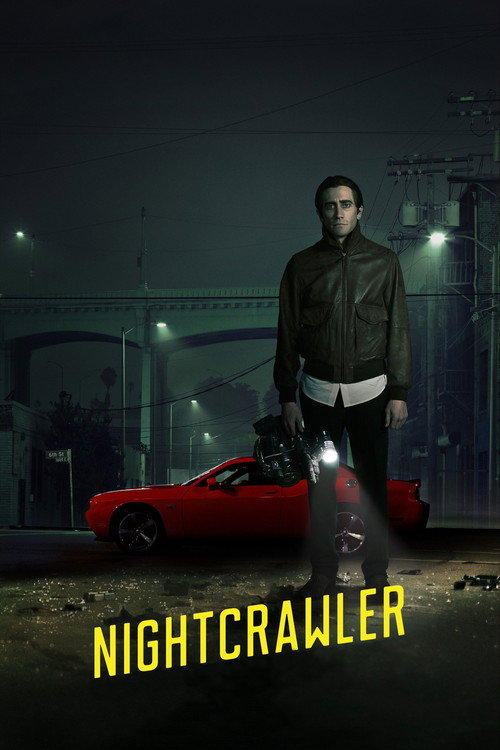
Nightcrawler2014
Jake Gyllenhaal as an obsessed freelance cameraman selling crime footage to news. It's about the architecture of witnessing through the lens—how cameras create narrative out of chaos, how recording changes the reality being recorded.
But More about ambition and Los Angeles than serial crime. The killer isn't the point. Some find it a shallow character study dressed in neon; others find that *is* the point.
The Killer2023
Fincher again, now following a hitman with obsessive routines. Less about investigation than about the psychology of precision, compartmentalization, and how killers think. Methodical in the way Poughkeepsie aspires to be.
But Glacially paced, mostly internal monologue, almost no interaction. Thelonious Monk on the soundtrack. Some viewers will find it insufferably pretentious and deadened.
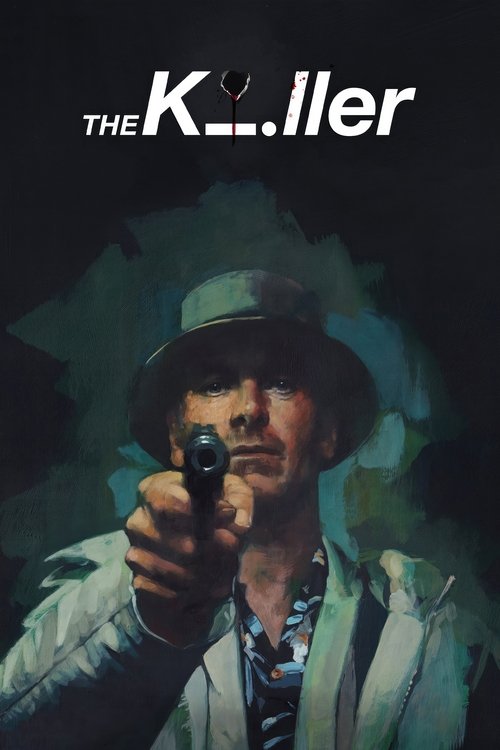
The Wailing2016
Both use fragmented footage and investigation as the engine. Both ask whether what we see is truth or construction. But Wailing asks philosophical questions about guilt and evil; Poughkeepsie merely documents it.
South Korean mystery-horror about a village plagued by murders, investigated by a bumbling cop who can't determine guilt or innocence. Baroque, philosophical, formally complex. Uses found footage and fragmented evidence as obsessively as Poughkeepsie but toward a completely different end: moral ambiguity rather than documented truth.
But Two hours and forty-one minutes. Deliberately obscure. The ending is intentionally unresolved and the film is not interested in your satisfaction. Some will find it a pretentious mess.

The Act of Killing2012
Both are about video as evidence and as construction. Poughkeepsie shows us hidden tapes; Killing shows us openly-made ones. Both ask: what happens when evil is recorded? What does the recording do to the act and the witness?
Documentary where the director asks Indonesian death-squad commanders to recreate their murders on film. It's about performance and documentation turning horror into narrative. Like Poughkeepsie, it's fascinated by how violence gets recorded, but it flips the power dynamic: the killers direct their own films, and we see evil as *they* choose to perform it.
But Deeply disturbing in a different register—you're watching real perpetrators playact atrocity, which some find more immoral than any fiction. Long, formally challenging, and asks you to sit with profound discomfort. Not a thriller; a document about the nature of confession and performance.

People
Cast
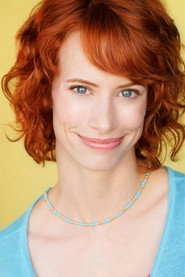 Stacy ChboskyCheryl Dempsey
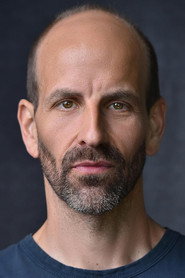 Ben MessmerEdward 'Ed' Carver
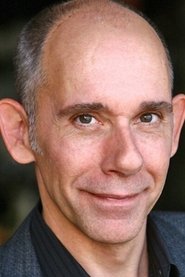 Lou GeorgeFelton Lewis
 Ivar BroggerLeonard Schway
- Michael LawsonSimon Alray
 Amy LyndonAlice Endrisart
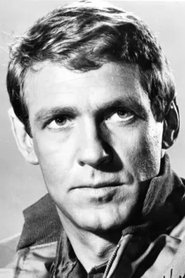 Ron HarperMike Moakes
 Samantha RobsonSamantha Baker
- Kim KennyPam Frears
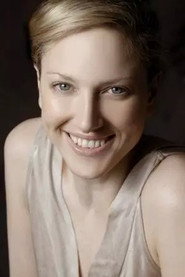 Beth TapperKaren Tyler
 Iris BahrAretha Creely
 Scott BeehnerJason Ribling
Directing
- John Erick DowdleDirector
- Adam LawsonFirst Assistant Director
- Erin TambelliniScript Supervisor
- Dustin Cole BlackburnSecond Assistant Director
Writing
- Drew DowdleStory
- John Erick DowdleStory
- John Erick DowdleWriter
Production
- Dustin Cole BlackburnAdditional Casting
- Bill Sharpe IIIAssociate Producer
- Denis DowdleAssociate Producer
- George M. KostuchAssociate Producer
- Michael DowdleAssociate Producer
- Mitchel DumlaoAssociate Producer
- Stacy ChboskyAssociate Producer
- Drew DowdleExecutive Producer
- Michael ZoumasExecutive Producer
- Patrick LussierExecutive Producer
- Stephen ChboskyExecutive Producer
- Ward BarnettExecutive Producer
- Gabriel CopelandKey Set Production Assistant
- Drew DowdleLine Producer
- Cassandra HerediaLocation Manager
- Drew DowdleProducer
- Brett HaleyProduction Assistant
- Bri HerveyProduction Assistant
- Buzz HughesProduction Assistant
- Carli Jo BidlingmalerProduction Assistant
- Gabriel CopelandProduction Assistant
- Joey PresleyProduction Assistant
- Lauren WagnerProduction Coordinator
- Matthew StruskiUnit Production Manager
Recommended by
Sinister, David Holzman's Diary, Lake Mungo, Hell House LLC, [REC]²