
Film
The Quiller Memorandum
A cerebral Cold War thriller about a British agent sent to Berlin to infiltrate a shadowy neo-Nazi cell. It's a film of restraint and atmosphere: tense conversations in modernist apartments, the city itself as a pressure cooker, minimal violence but maximum dread. For patient viewers who prefer spycraft over spectacle.
Should you watch it?
Watch it if you like cool, talky espionage where the menace is quiet, the dialogue does the sparring, and a mystery unfolds through conversation and paranoia rather than gunfire, much like the sober Cold War chess of Le Carré adaptations.
Skip it if you want brisk set pieces and constant action, since much of this runs on interrogation rooms, stilted exchanges and a deliberately measured pace that can feel static to modern eyes.
What it asks of you: It asks for patience and close listening across about an hour and forty-five minutes, with a steady, watchful tone that stays wry and tense rather than thrilling in the usual sense.
Not sure? Find tonight's pick in a minute.
If you liked this
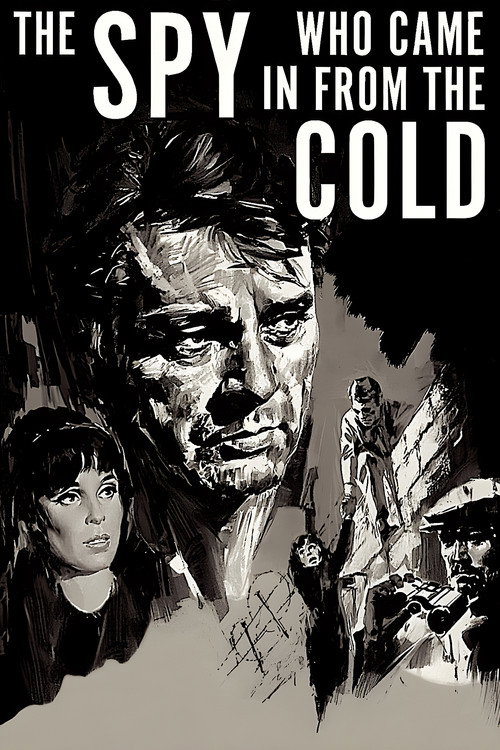
The Spy Who Came In from the Cold1965
John le Carré's espionage world brought to screen with similar intelligence and moral ambiguity. A haunted Oskar Werner and the same Cold War Berlin paranoia, but with even grimmer stakes.
But Glacial pacing and a deliberately bleak ending will frustrate anyone wanting a rousing spy yarn.
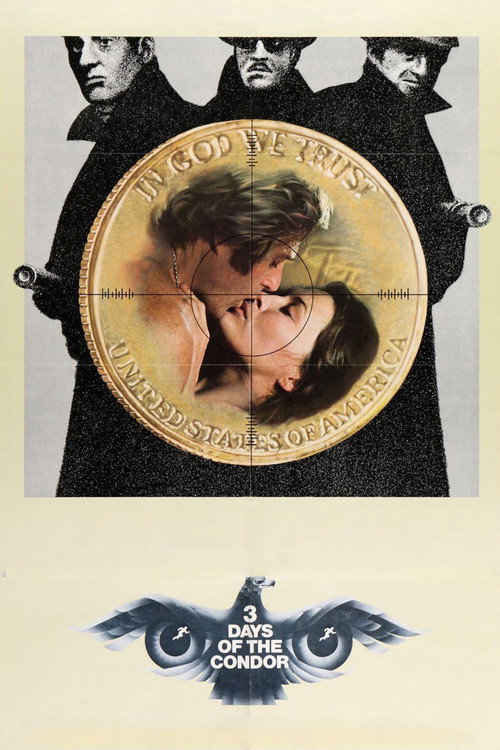
Three Days of the Condor1975
Robert Redford as an American analyst on the run after a rogue operation. The same paranoid 70s texture—trust no one, the conspiracy runs deep—but with more kinetic urgency.
But The political thriller style dates more visibly than Quiller. Some plot mechanics feel creaky by today's standards.
The Lives of Others2006
East German surveillance state, moral compromises, a protagonist slowly awakening to what he's become. Emotionally devastating in ways Quiller only hints at, but from the same DNA.
But Requires subtitles and emotional investment. The ending arrives quietly, which some find affecting and others find withholding.

Not sure tonight? Get a pick in a minute, starting from The Quiller Memorandum
The wildcard
Something you would not have found on your own.
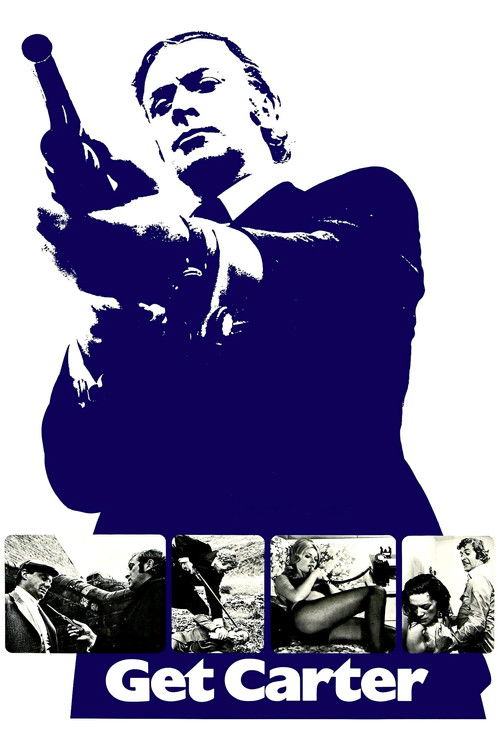
Get Carter1971
Both are studies in how little a skilled man can trust. Quiller is hunted; Carter hunts. The paranoia flows in opposite directions but feels identical.
Michael Caine in Newcastle, a hired killer working through betrayal and violence. Same era, same lead actor (Caine was in other spy films), but inverted: here the amoral operative is the protagonist, and sympathy becomes complicated.
But Brutal violence and a moral vacuum. Some find it honest; others find it pointless.
More like this (8)
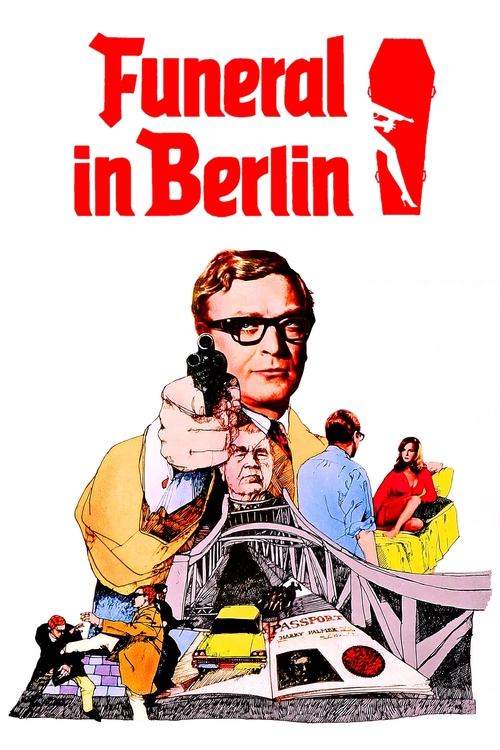
Funeral in Berlin1966
Another le Carré adaptation with Michael Caine's Harry Palmer. Released the same year as Quiller, it's lighter and more playful but carries the same Berlin intrigue and low-key tradecraft.
But Caine's wry tone is the opposite of George Segal's anxiety. If you want grim, this leans quirky instead.
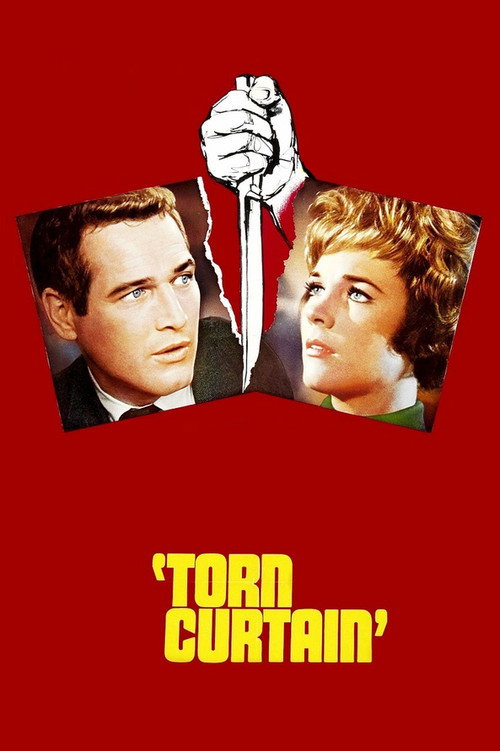
Torn Curtain1966
Hitchcock on the Cold War: a scientist and his wife behind the Iron Curtain. Higher stakes theatricality than Quiller, but the same divided-city menace.
But Hitchcock in his late period means uneven pacing. Some sequences drag; others feel mechanical.
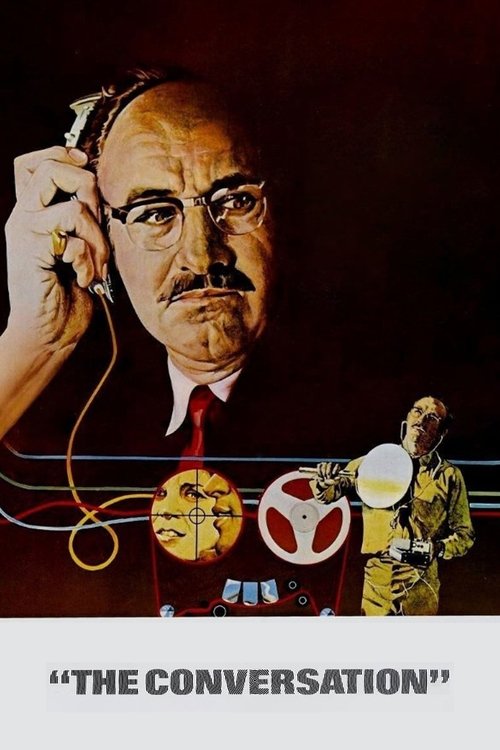
The Conversation1974
Gene Hackman as a surveillance expert spiraling into paranoia. It's about listening, watching, the impossible weight of secrets—themes Quiller whispers; this one screams them.
But Almost entirely internal. If you need action or clear resolution, this will frustrate you deeply.
Winter Light1963
Bergman's study of a man unraveling in a small Swedish parish. Not a spy film at all, but the same aesthetic of dread, alienation, and moral vertigo.
But Bergman demands patience and accepts sadness as sufficient. Some find it profound; others find it punishing.

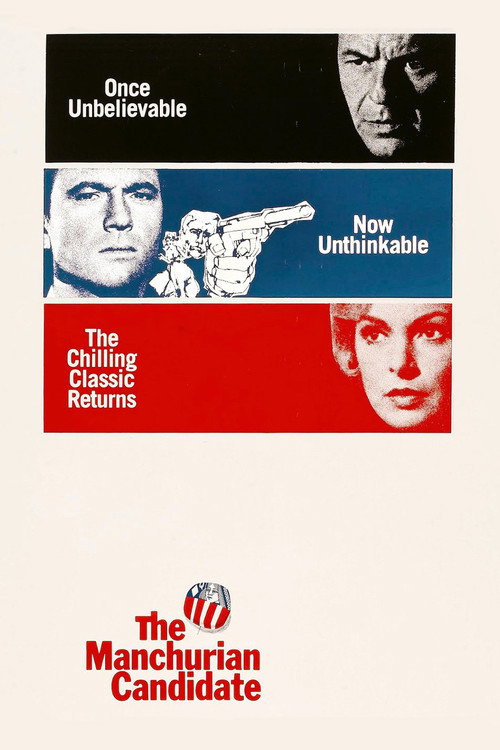
The Manchurian Candidate1962
A brainwashed American soldier returns from Korea. Taut paranoia and the same question: whom can you trust? Faster-moving than Quiller but equally dark.
But The climax is jarring in tone. Some find it brilliant; others find it tonal whiplash.
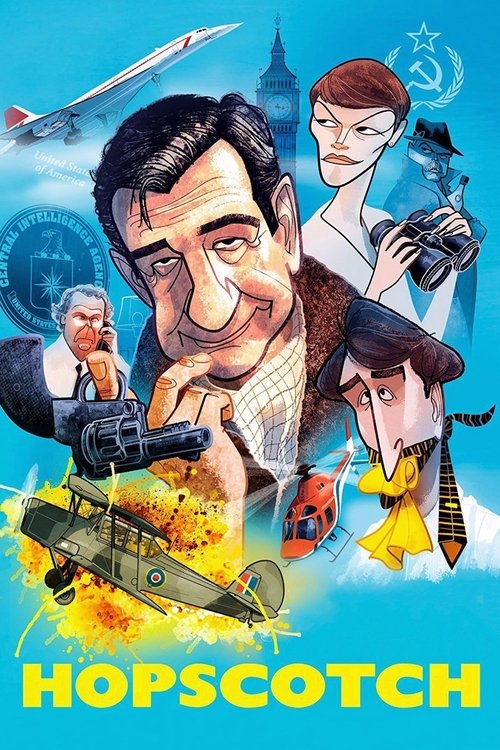
Hopscotch1980
Walter Matthau as a CIA agent who decides to publish his memoirs as revenge. A lighter, more playful take on spy tradecraft and betrayal.
But The warmth and humor undercut the tension. It's a espionage comedy, not a thriller.
The Battle of Algiers1966
Both explore how power operates in cities. One is a thriller; one is a report. Both find the same truth: in modern espionage and urban warfare, there are no heroes.
Released the same year as Quiller, this Italian-Algerian film documents insurgency and counter-insurgency with documentary-like precision and unbearable tension. Shot in black-and-white, no stars, no romance—pure structure.
But It's aggressively austere and morally refuses easy answers. Some experience it as a masterpiece; others experience it as punishment.

Stalker1979
Both are about men moving through controlled space toward an unreachable truth. Quiller hunts a target; Stalker hunts meaning. Both find that the real mystery is internal, not external.
Andrei Tarkovsky's metaphysical science fiction: a guide leads two men through a forbidden zone toward a mysterious room. Glacially slow, hypnotic, about desire and the impossibility of knowing what you're pursuing.
But 163 minutes of long takes and philosophical exposition. If you need narrative momentum or plot, this will test your patience severely.

People
Cast
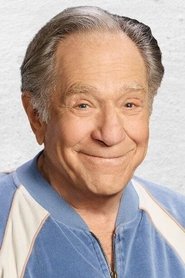 George SegalQuiller
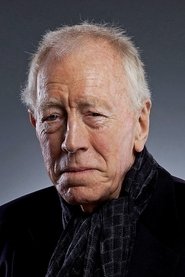 Max von SydowOktober
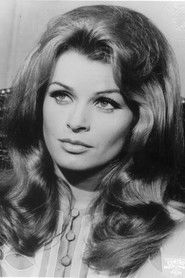 Senta BergerInge Lindt
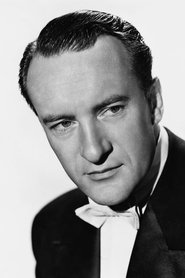 George SandersGibbs
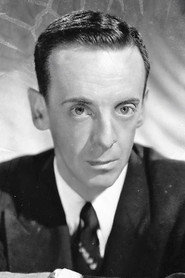 Robert HelpmannWeng
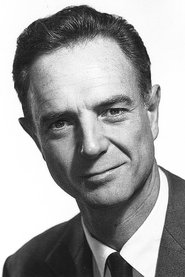 Robert FlemyngRushington
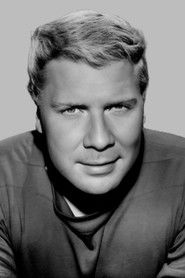 Peter CarstenHengel
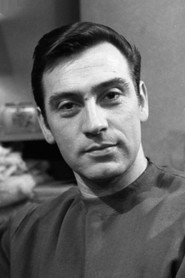 Ernst WalderGrauber
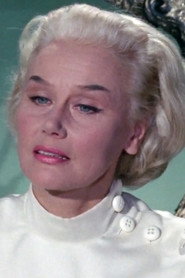 Edith SchneiderHeadmistress
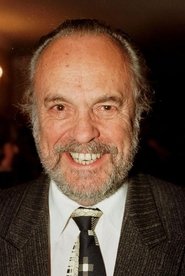 Philip MadocOktober's Man
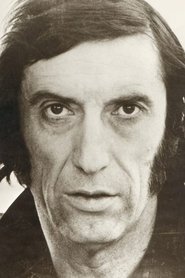 Herbert FuxOktobers Gefolgsmann
Directing
- Clive ReedAssistant Director
- Joan KirkContinuity
- Michael AndersonDirector
Writing
- Mack DavidLyricist
- Trevor Dudley-SmithNovel
- Harold PinterScreenplay
Production
- Ivan FoxwellProducer
- Sydney StreeterProduction Supervisor
- Bernard WilliamsUnit Manager