
Television series
Callan
Callan is a taut 1960s British spy thriller about a ruthless secret service assassin reclaimed from exile to handle the jobs nobody else will touch. Edward Woodward is coiled menace in a role that defined him—intelligent, amoral, haunted. It's procedural espionage with genuine moral teeth, treating Cold War violence as messy and corroding rather than glamorous.
Should you watch it?
Watch it if you like spy stories built on moral grubbiness and weary professionalism rather than gadgets, where the hero is a tired operative doing dirty work for employers who rarely say thanks.
Skip it if you need brisk set-pieces and sleek glamour, because this is talky, grey and often plodding, with long stretches of quiet waiting and little flash.
What it asks of you: Sixty-minute episodes stacked across four seasons reward steady attention, with a slow, unshowy rhythm and a sober tone that rarely lightens.
Not sure? Find tonight's pick in a minute.
If you liked this
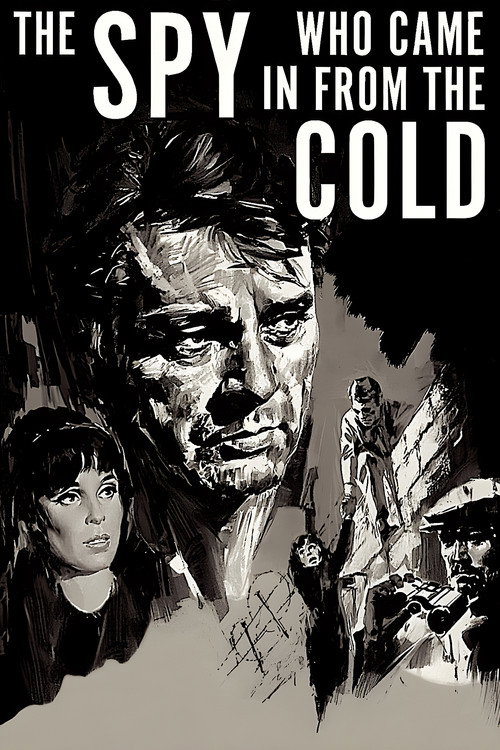
The Spy Who Came In from the Cold1965
John le Carré's bleak masterpiece about a burned-out agent doing one last dirty job. The same moral exhaustion and grey-on-grey morality that drives Callan, but on film with Richard Burton's weary perfection.
But It moves slowly and offers no catharsis or triumph—just the cost of living in the shadows. If you want reassurance, this won't provide it.
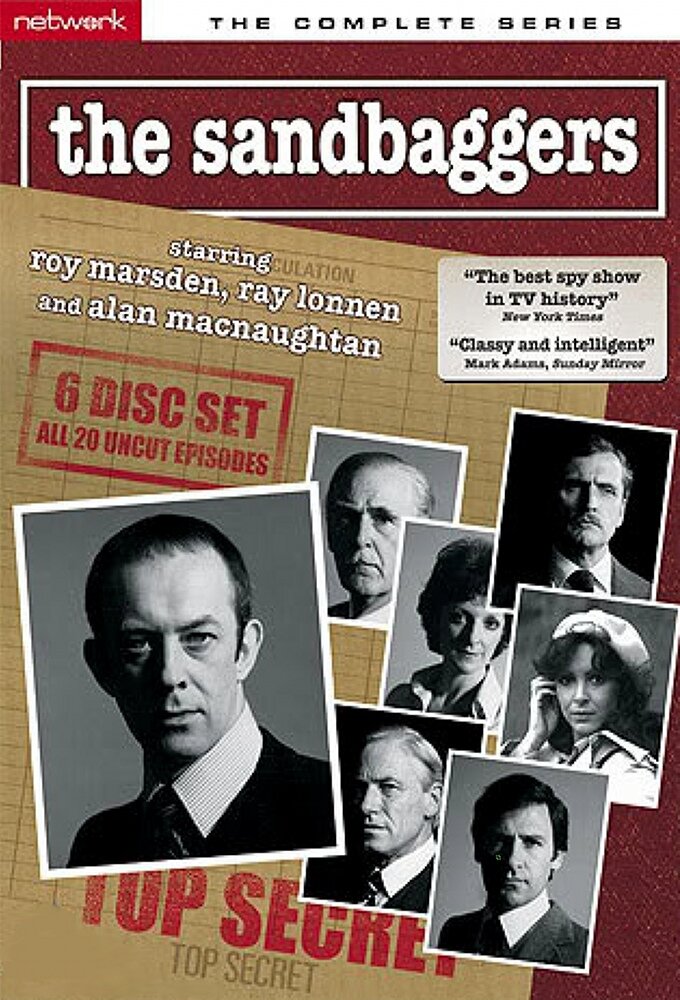
The Sandbaggers1978
British espionage drama that treats tradecraft and moral compromise with the same unflinching clarity. Tighter plotting than Callan, equally savage about what the work does to people, and it builds into something genuinely tragic.
But Six seasons, and it demands real investment. Also cancelled abruptly, which means the ending won't give you closure you might want.
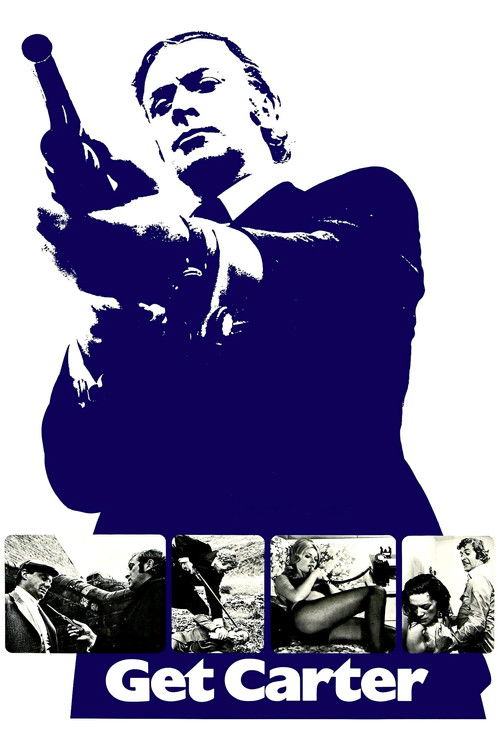
Get Carter1971
Michael Caine as a hired gun navigating criminal underworld with the same cold competence Callan brings to espionage. Brutal, stylish, and it understands that survival and morality don't always share the same bed.
But It's violent in ways that feel genuinely ugly rather than thrilling. The Newcastle setting and accents take some adjustment for non-British viewers.
Not sure tonight? Get a pick in a minute, starting from Callan
The wildcard
Something you would not have found on your own.
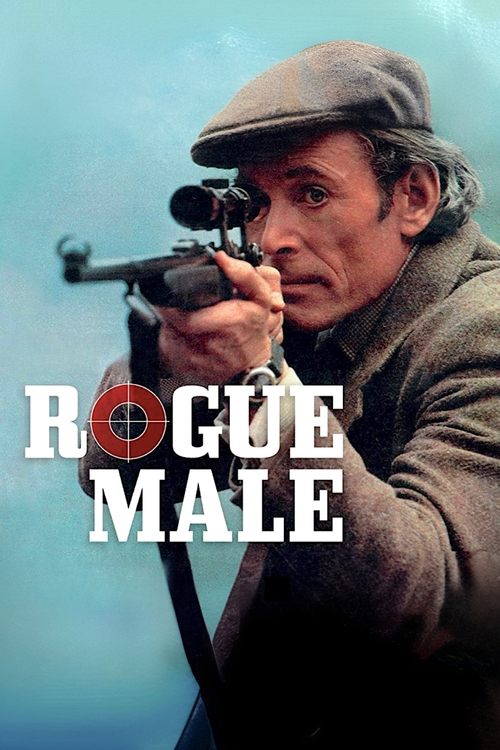
Rogue Male1976
Both are about agents operating alone against institutional power—but Callan serves the institution while Rogue Male is hunted by it. Inverted positions, identical moral loneliness.
A man hunted through English countryside after an assassination attempt—paranoid, ingenious, and filmed with the tension of Callan but entirely different format: a three-part miniseries that's sustained suspense rather than episodic. Peter O'Toole is magnificent, and it strips espionage to pure survival and cunning.
But It's a sustained cat-and-mouse game with minimal dialogue and maximum atmosphere. The pacing is relentless in ways that can feel exhausting rather than exciting.
More like this (6)
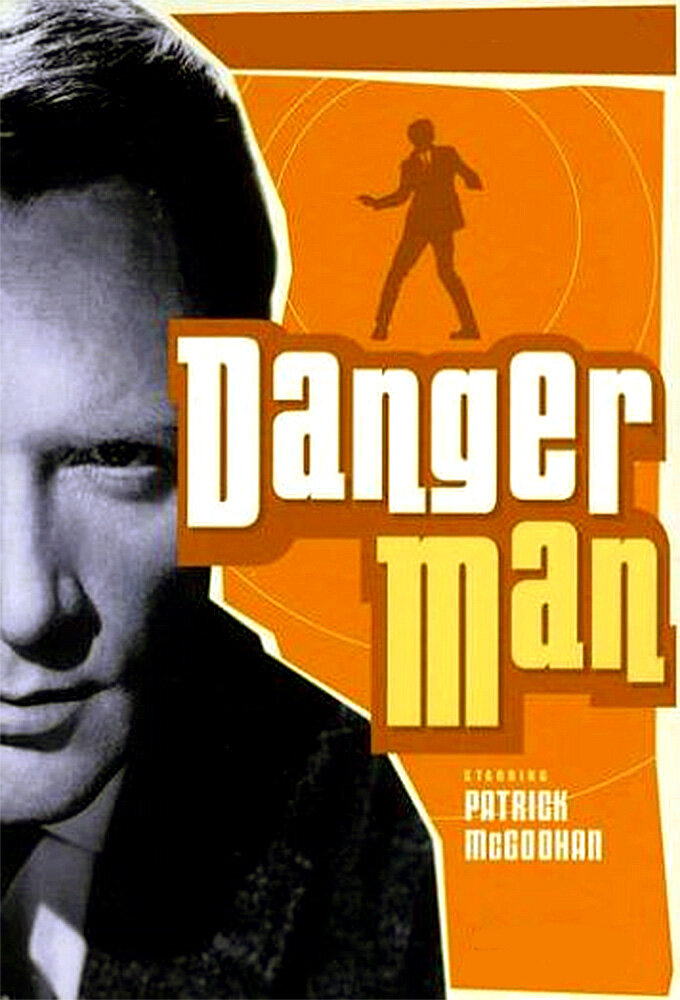
Danger Man1960
Patrick McGoohan in the intelligence game before The Prisoner—smart, tense, and focused on technique and psychological games rather than shoot-outs. The same DNA as Callan but slightly less willing to scar its protagonist.
But Early sixties TV production values show their age. The stories can feel episodic and slight compared to Callan's deeper character work.
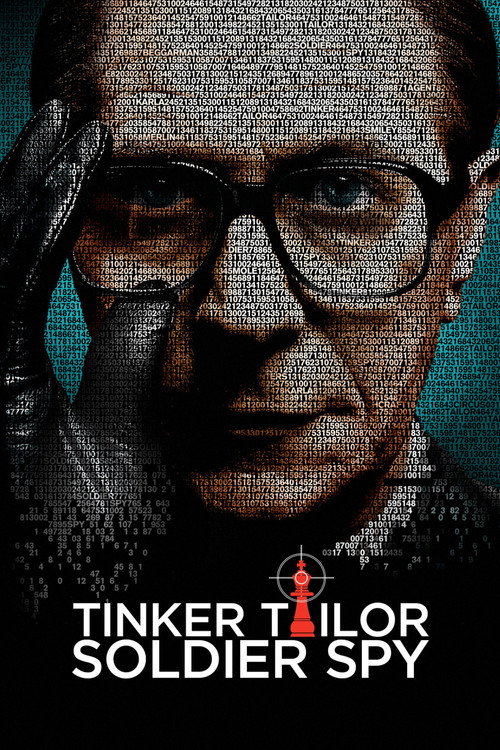
Tinker Tailor Soldier Spy2011
Alec Guinness as le Carré's haunted spymaster hunting a Soviet mole. Dense, atmospheric, and profoundly concerned with the psychology of betrayal and doubt. Moves at Callan's speed: slow, methodical, lethal.
But Byzantine plot, extensive dialogue, minimal action. It requires absolute attention and rewards it slowly. Many will find it glacial.
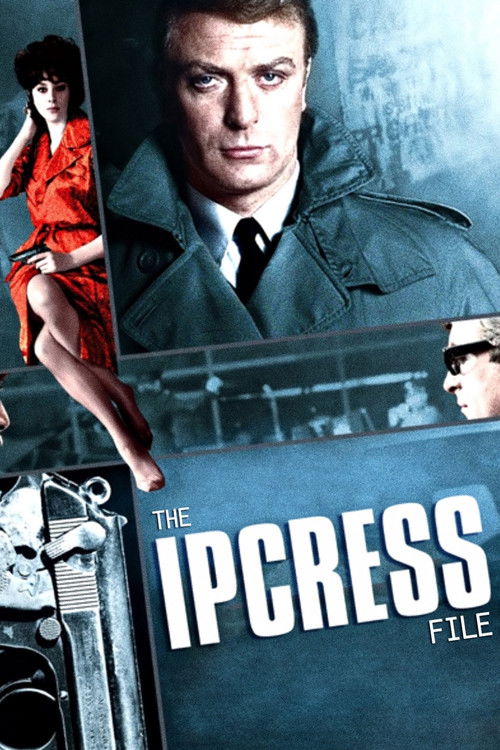
The Ipcress File1965
Michael Caine's debut as Harry Palmer—a thinking man's spy who asks uncomfortable questions and navigates institutional paranoia. It treats espionage as intellectual warfare, with Callan's moral ambiguity lurking underneath.
But The 1960s spy-fi aesthetic and mod affectations feel dated. Caine's character is almost too clever for his own good, and some find the pacing slack.
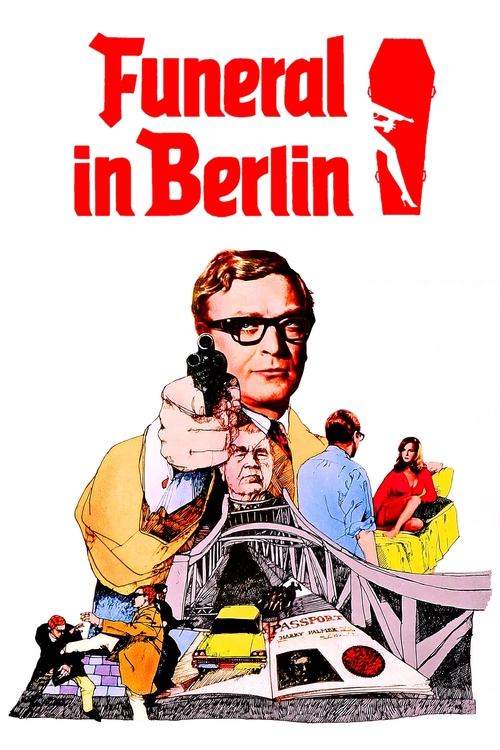
Funeral in Berlin1966
Michael Caine returns as Harry Palmer in a colder, grittier espionage puzzle set against the Berlin Wall. More cynical than The Ipcress File, closer to Callan's willingness to work in moral shadow.
But Convoluted plot that doesn't quite justify its own complexity. The Cold War setting feels exhausted rather than urgent in places.
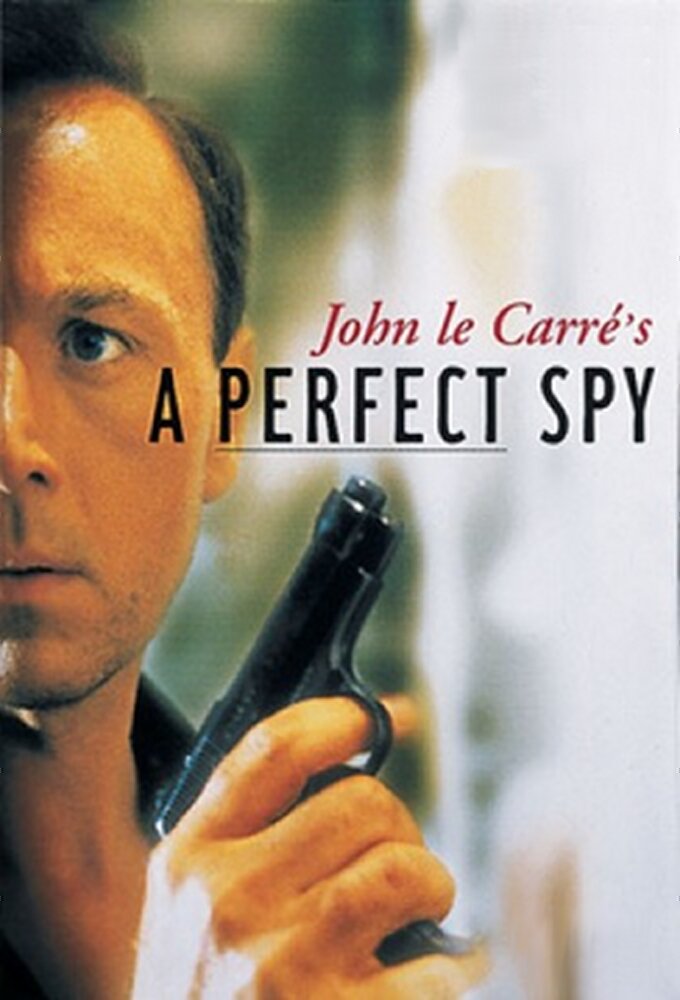
A Perfect Spy1987
Le Carré's most personal novel adapted for television—a man assembles his fragmented past while lying low. It's Callan's thematic opposite, the spy trying to reclaim humanity, but the terrain of betrayal and institutional loyalty is identical.
But Heavily dependent on understanding Cold War politics and le Carré's dense worldbuilding. It's a five-part commitment and quite interior—less plot-driven than psychologically introspective.
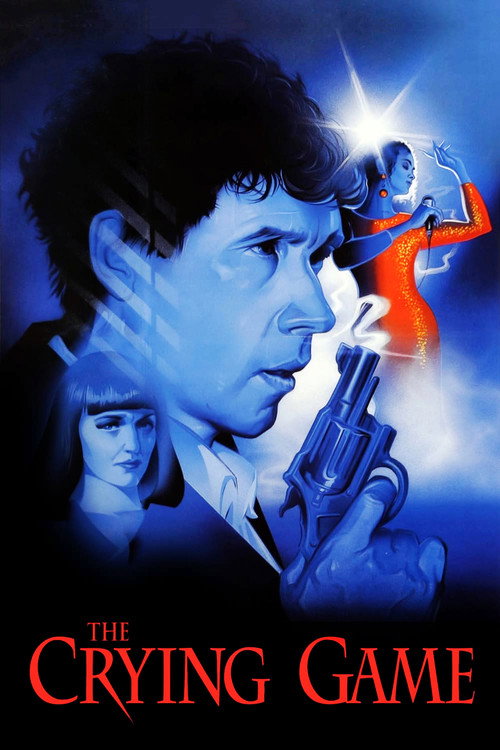
The Crying Game1992
Both explore how institutional loyalty corrodes personal identity. Callan is already corroded; The Crying Game shows the process of corruption in real time.
Neil Jordan's film about an IRA volunteer and a British soldier who becomes a spy—it shares Callan's interest in loyalty, betrayal, and the men caught between opposing sides. Gorgeously shot, profoundly human, and it finds tragedy in the everyday.
But Famous for a twist that derails some viewers entirely. The first half moves slowly, and the second half pivots into unexpected territory that won't satisfy anyone looking for conventional espionage thrills.
People
Cast

Writing
- James MitchellCreator
Recommended by
Danger Man, The Ipcress File, Department S, Bergerac, The Professionals, Minder, The New Avengers, Shoestring