
Television series
Department S
- Police procedural
- Detective mystery
- Dip in and out
A stylish 1969 British spy series about an elite Interpol unit solving impossible cases—murders with no motive, disappearances that defy logic, crimes that shouldn't exist. Each episode is a locked-room puzzle played with wit and swagger. It's procedural crime drama at its most inventive, shot through with dry humour and the kind of confidence that made sixties television shimmer.
Should you watch it?
Watch it if you enjoy caper-flavoured mysteries where the puzzle is delightfully absurd and the pleasure lies in watching three very different investigators bicker their way toward an answer, much like the playful spy hour of The Avengers.
Skip it if you want a tightly plotted procedural with a steady throughline; this is episodic, the cases are often more fun than they are logical, and the 1960s pacing can feel leisurely.
What it asks of you: Each hour stands mostly on its own, so you can dip in anywhere, but you will need to tolerate a fair amount of talk and a wardrobe of sixties swagger rather than relentless tension.
Not sure? Find tonight's pick in a minute.
If you liked this
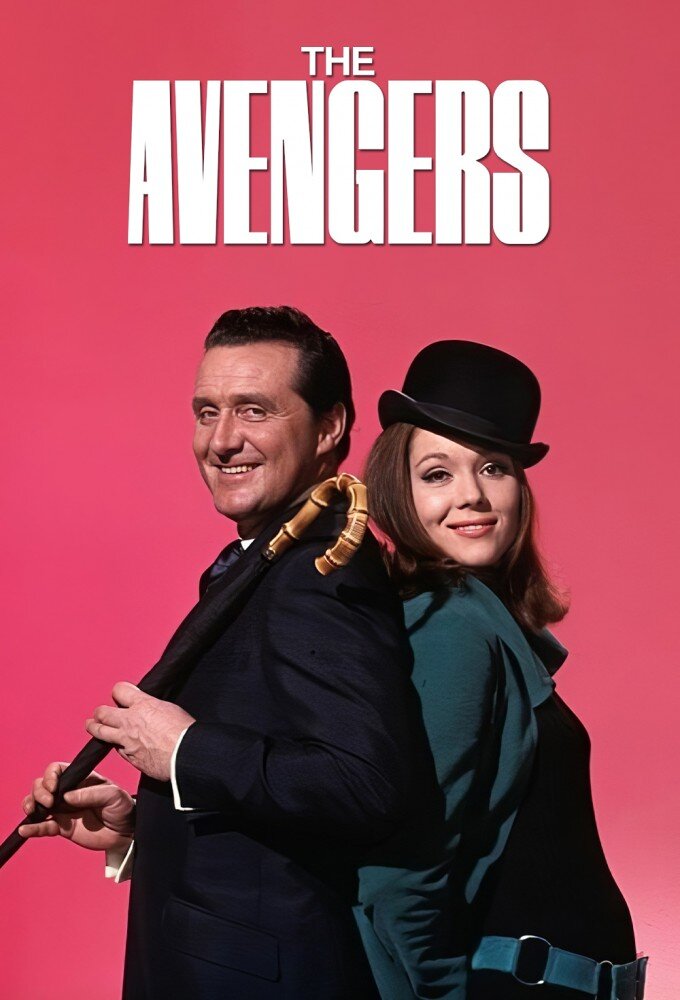
The Avengers1961
Urbane spies solving the impossible with style and deadpan wit. Like Department S, it's a show that trusts the audience's intelligence and plays its outlandish premises completely straight, with characters who are always three steps ahead.
But The early series are rather static in places, and the whole thing can feel mannered if you're not in the mood for arch camp. Some episodes don't quite land.
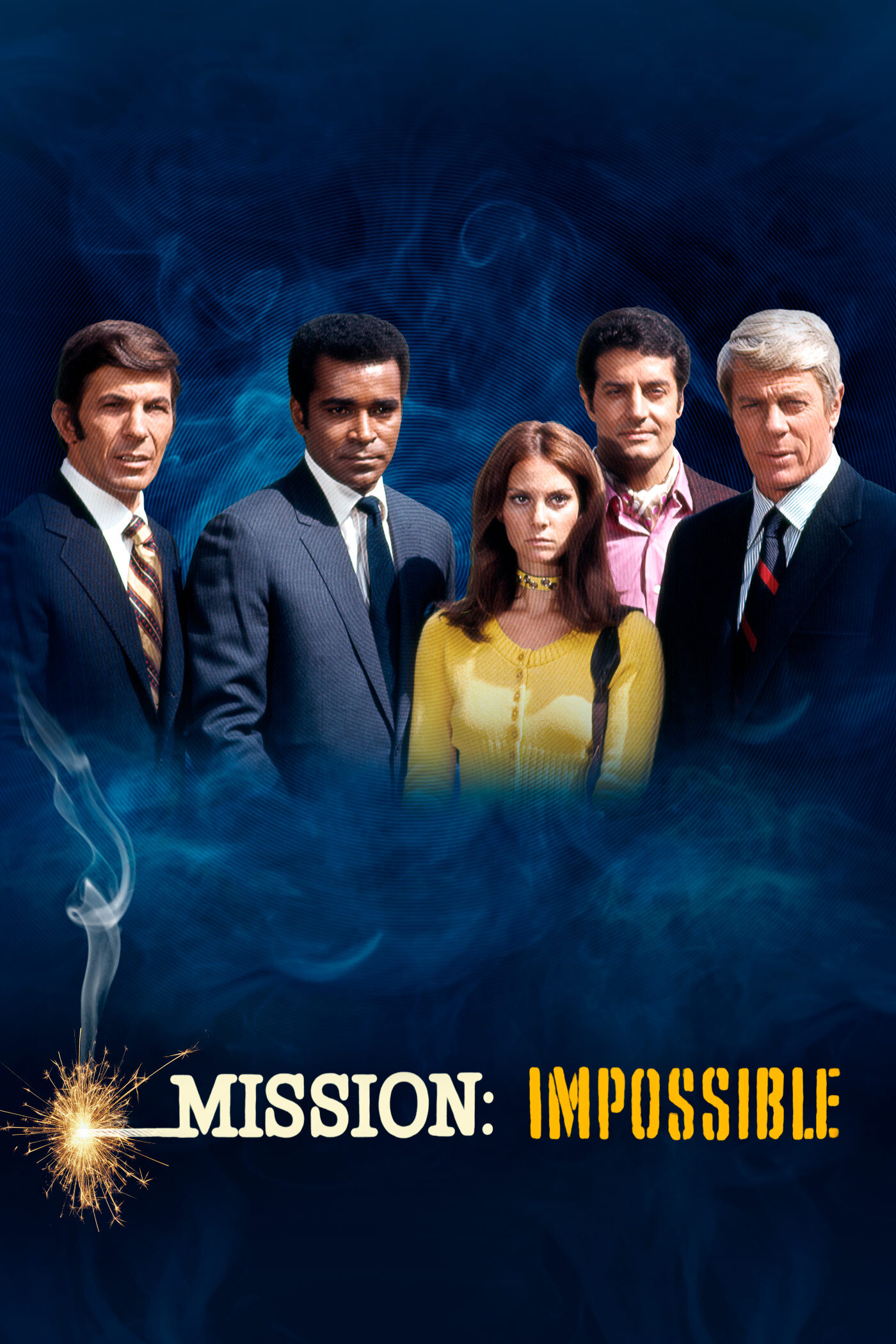
Mission: Impossible1966
Ingenious cons and heist plotting with a team of specialists, each playing their role. Both shows build their pleasure from elaborate problem-solving and the satisfaction of a plan coming together with style.
But The American earnestness can feel heavier than Department S's lighter touch. Some episodes run thin on character beneath the gadgetry.
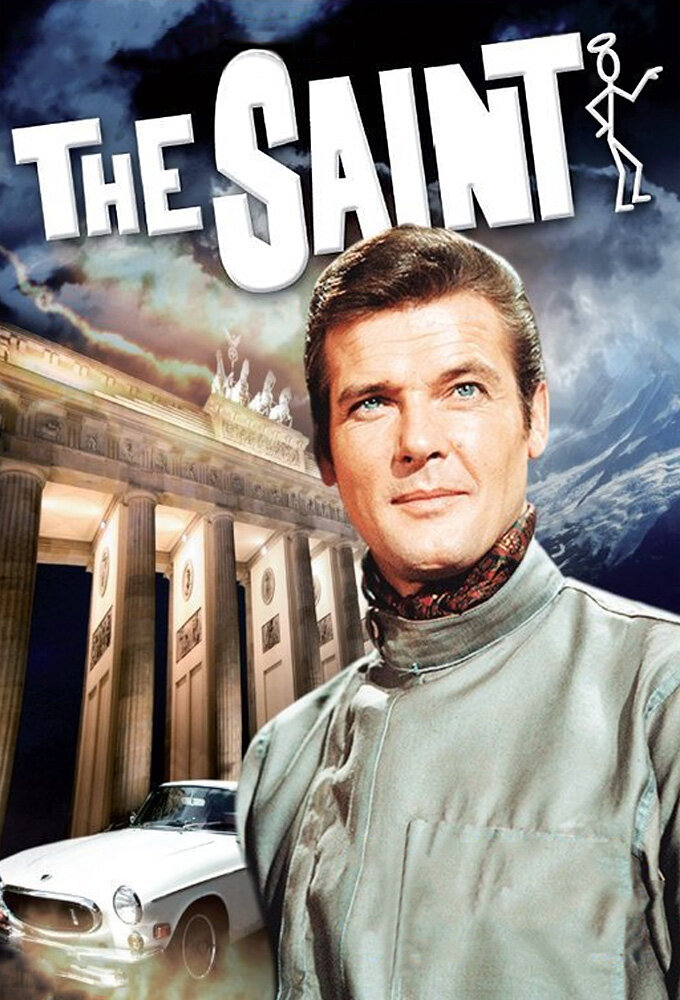
The Saint1962
A charismatic rogue solving crimes across Europe with charm and improvisation. Roger Moore brings the same effortless cool that Peter Wyngarde embodies, and both shows are about outsmarting rather than overpowering opposition.
But It's lighter on plot than Department S and relies heavily on its leading man's magnetism. If you want mystery over personality, this won't satisfy.
Not sure tonight? Get a pick in a minute, starting from Department S
The wildcard
Something you would not have found on your own.
The Swimming Pool1969
Both use isolation and constraint (a locked case, a sealed location) to force revelation. Both trust the audience to see what the characters are hiding.
A sultry French film from the same year, built on a locked-room principle—four people, a villa, one beach, and a murder that unravels through shifting perspective and hidden motive. Like Department S, it's about surfaces hiding truth, but filtered through desire and class tension rather than spy-craft.
But It's slow, sensual, and more interested in mood than plot. There's no action, no international intrigue, and no cheerful puzzle-solving—only mounting dread and moral rot.

More like this (8)
The Prisoner1967
A brilliantly strange series where logic itself becomes the subject. Like Department S, it presents impossible situations and plays by its own rules, though it's far more metaphysical and less interested in solving cases than questioning reality.
But It's oblique and sometimes impenetrable, with an ending that enrages as many as it enlightens. Department S is straightforward by comparison.
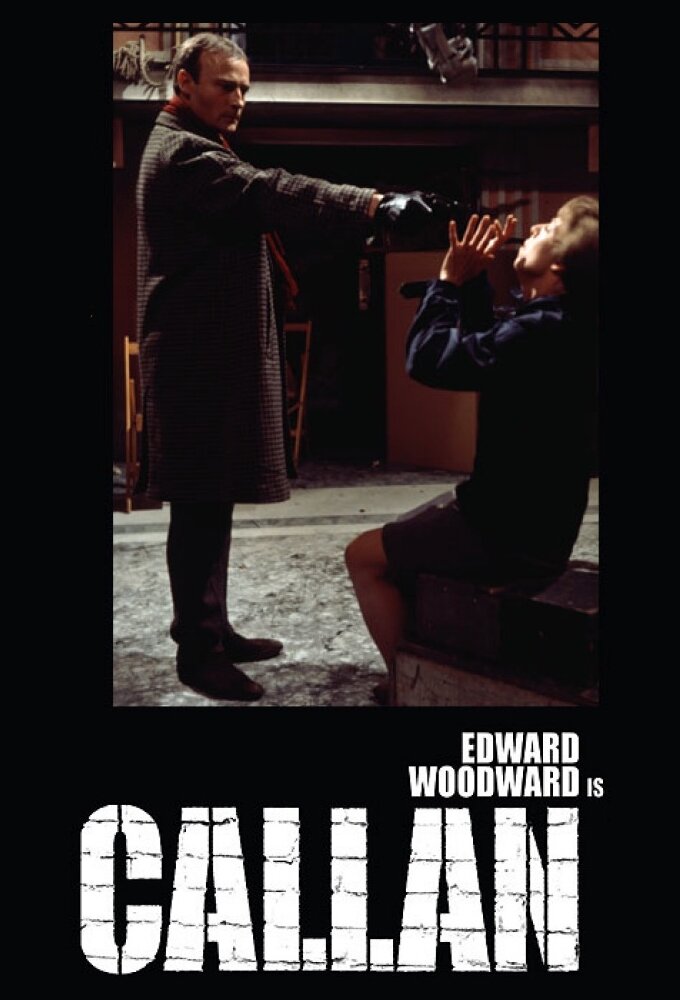
Callan1967
British espionage with a harder edge and real moral weight. Like Department S, it's about people who solve problems others can't, but it's darker and more interested in the cost of that work.
But Much grimmer in tone. If you want Department S's brightness and puzzle-box pleasure, this will feel like a cold shower.
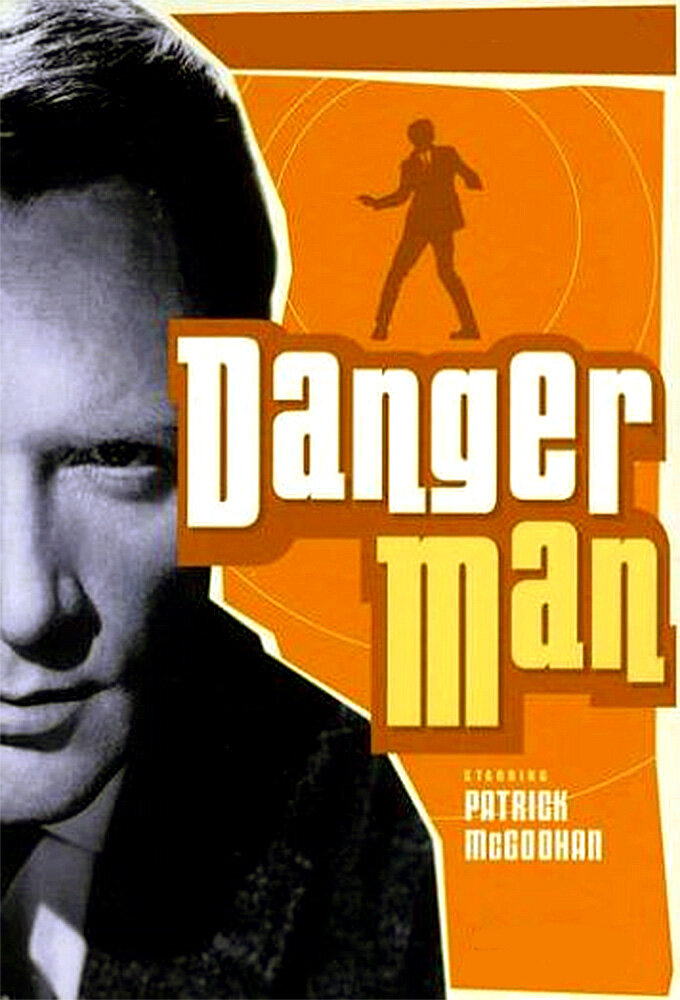
Danger Man1960
Elegant spy work across Europe, one case per episode, with a lead character who thinks his way through trouble. The architecture is similar: intelligence, style, and self-contained mysteries.
But It's more conventional as a spy show and less interested in the impossible or absurd. Department S's charm lies partly in its willingness to get weird.
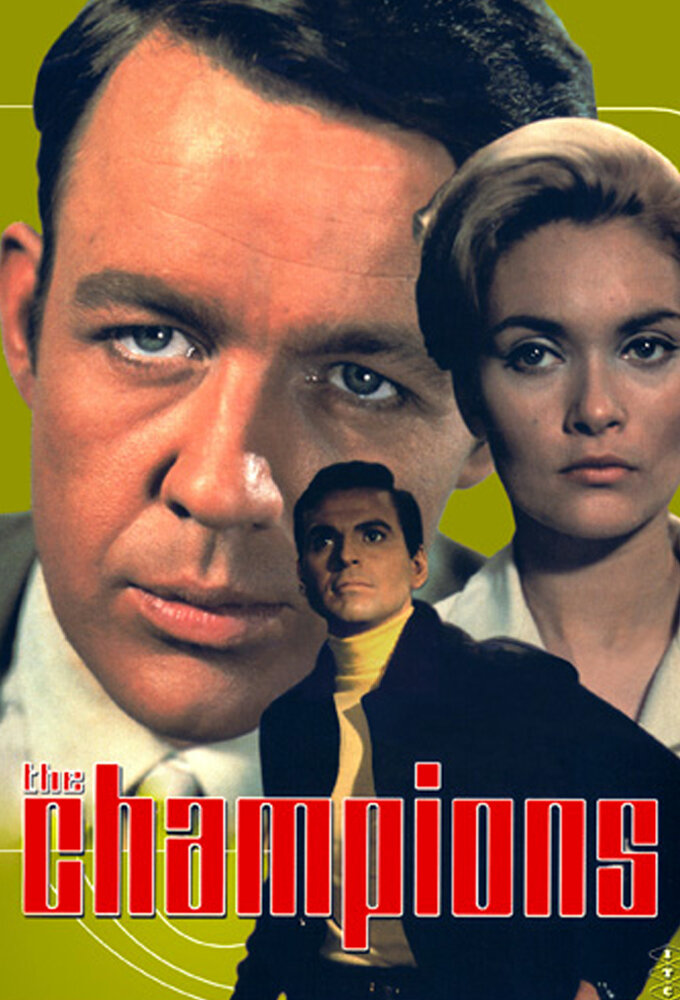
The Champions1968
Three globe-trotting operatives solving crimes with enhanced abilities and team chemistry. It shares Department S's ensemble appeal and its love of travel, exotic locations, and international intrigue played with a light hand.
But The science-fiction element (the secret powers) sits awkwardly in some episodes. Department S's mysteries feel more grounded, even when they're fantastical.
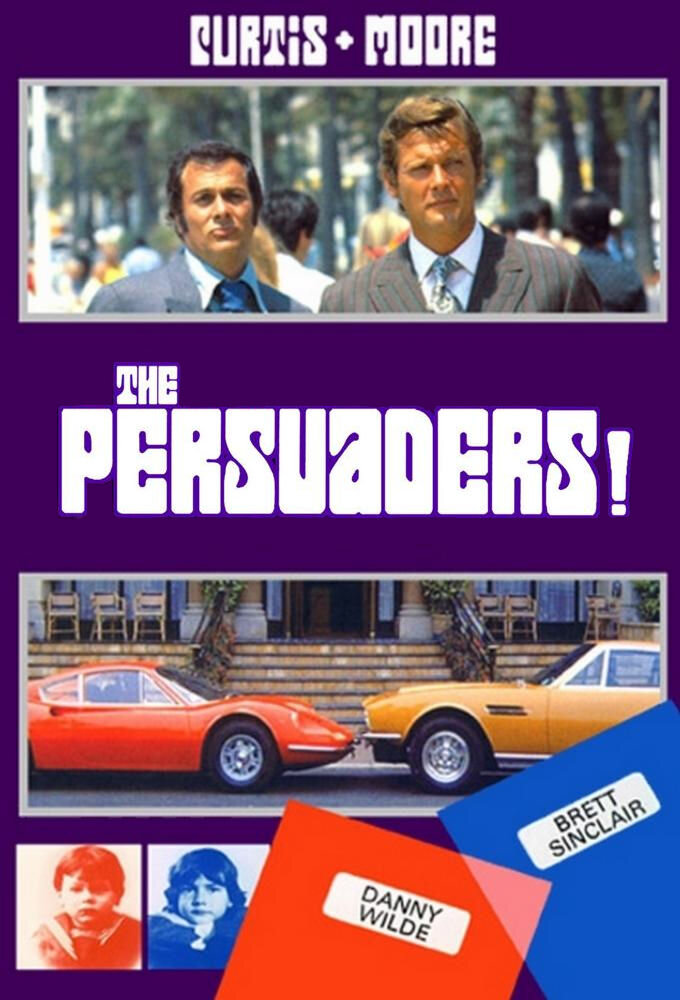
The Persuaders1971
Two wealthy men solving crimes for the fun of it, with style and chemistry that sparkles. It has Department S's confidence that the audience will enjoy watching clever people enjoy themselves.
But It's more about charm than mystery. The cases often feel like excuses for the leads to travel and look expensive. If you watch for the plot, you'll feel shortchanged.
Killing Them Softly2012
British police procedural with real craft and attention to investigation. It grounds itself in procedure and logic where Department S embraces the impossible, but both shows respect the audience's intelligence.
But It's substantially grittier and less stylish. The puzzle-box pleasure and international glamour are gone; you get paperwork and moral ambiguity instead.

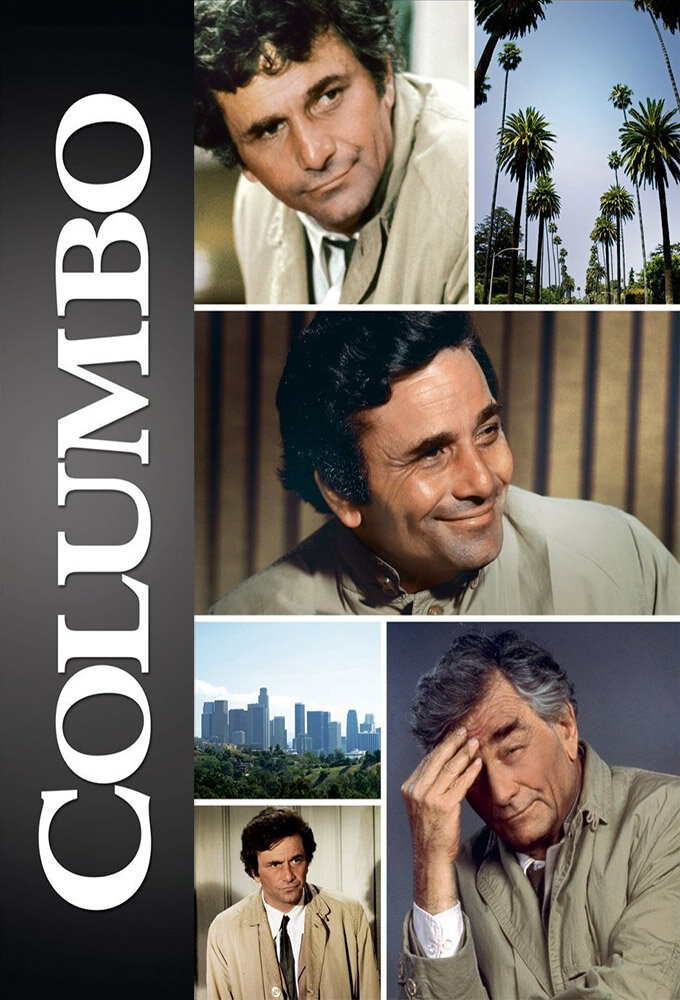
Columbo1968
Both shows are about problem-solvers who don't look like they're trying. Both enjoy the process of solution more than the destination.
American detective series that inverts the mystery formula: you see the crime and killer first, then watch the detective unravel them through patience and seemingly bumbling questions. Like Department S, it's about outsmarting opposition, but through empathy and persistence rather than style.
But It's entirely American, domestic, and working-class. Where Department S jets across Europe, Columbo shuffles through Los Angeles in a raincoat. The tone is melancholic rather than buoyant.
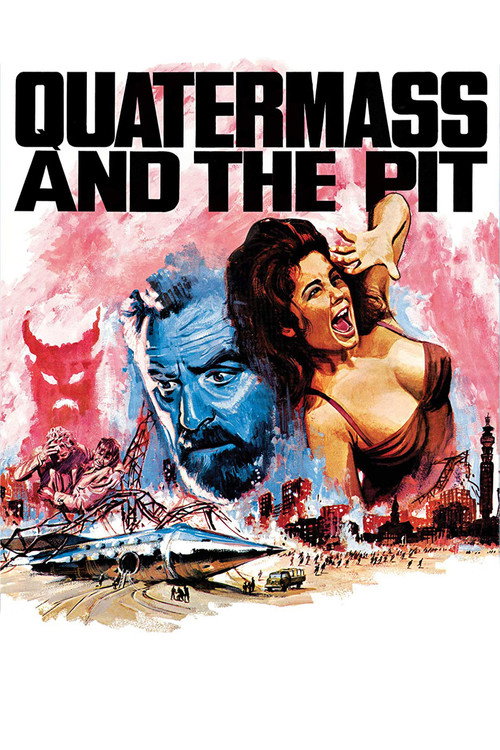
Quatermass and the Pit1967
Both take the impossible as a starting point and follow the logic wherever it leads, trusting the viewer to stay with them.
A British science-fiction mystery where archaeologists uncover something impossible beneath London. It has Department S's love of puzzles that defy explanation, but scales up to cosmic horror and existential dread. Shot with the same sixties craft and seriousness.
But It's grimly pessimistic about human nature and anchored in philosophy rather than narrative momentum. Department S is buoyant; this film is a warning.
People
Cast




Writing
- Dennis SpoonerCreator
- Monty BermanCreator
Recommended by
The Avengers, Joe 90, Code Name: Diamond Head, The New Avengers, Return of the Saint, Jason King, The Protectors