
Film
Billion Dollar Brain
A brittle spy thriller shot through with sixties pop-art excess and dread. Michael Caine's Harry Palmer stumbles into a mad plot involving a Texan billionaire, a supercomputer, and Cold War ideology turned grotesque. Visually extravagant and genuinely strange, it's less about espionage than moral vertigo—nobody's quite what they seem, and the film doesn't reassure you. For viewers who prize atmosphere and style over plot coherence.
Should you watch it?
Watch it if you enjoy cold-war paranoia played with dry wit, where the gadgets are bureaucratic and the betrayals are quietly unsettling rather than explosive, and you like a hero who is more irritated than heroic.
Skip it if you want a tight, action-driven spy caper; this is talky, mannered and slow to build, and its 1960s sensibility, with its loose plotting, can feel dated.
What it asks of you: Settle in for under two hours of patient, sardonic plotting where you must track who holds which loyalty, with humour arriving in dry asides rather than set pieces.
Not sure? Find tonight's pick in a minute.
If you liked this
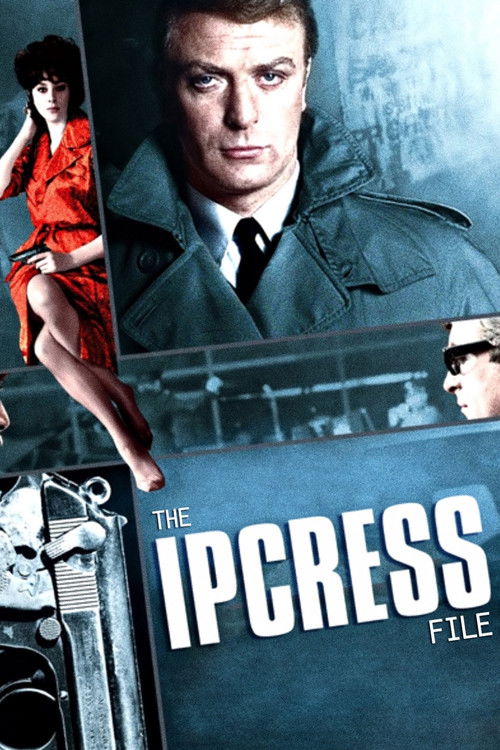
The Ipcress File1965
The first Harry Palmer film, with Caine at his most magnetic. Smarter and tighter than Billion Dollar Brain, it has the same wry spy who refuses to be anyone's good soldier. Essential context and genuinely superb.
But Shot in flat, cold black-and-white. The plot involves brainwashing and moves slowly. If you want action and colour, you'll feel its age.
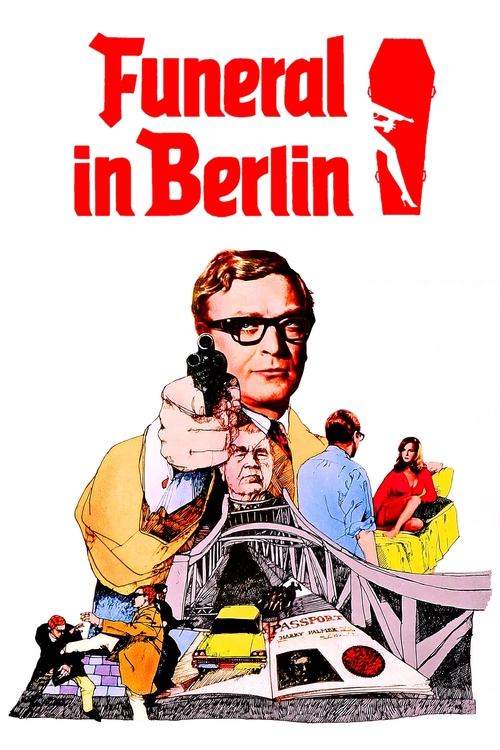
Funeral in Berlin1966
The middle Palmer adventure, with Caine navigating Cold War Berlin. Darker and more suspicious in tone than the first, with a genuinely twisted ending that earns its cynicism. The spy game as a hall of mirrors.
But Slower-paced than most thrillers. The plot tangles deliberately. Some will find it ponderous rather than tense.
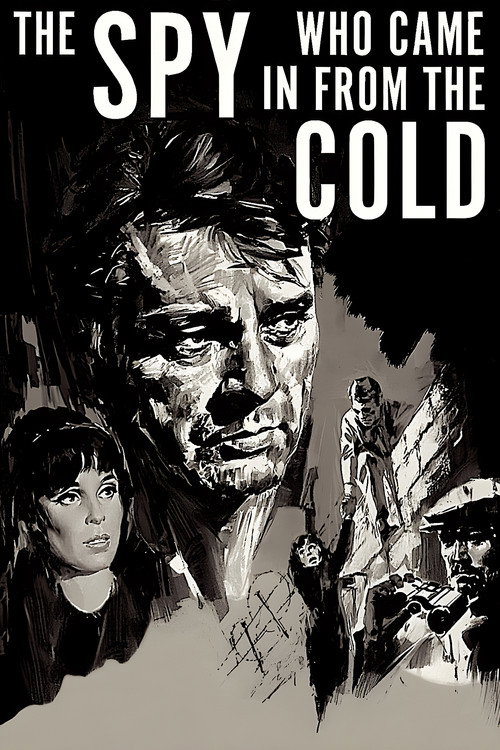
The Spy Who Came In from the Cold1965
Le Carré's masterpiece of espionage as bureaucratic betrayal. Richard Burton as a worn-down agent in a world of ideological rot. Cold, precise, and morally savage. The anti-Bond, and all the better for it.
But Bleak to the point of despair. No heroics, no clever escapes. It ends badly and means it. Not comfort viewing.
Not sure tonight? Get a pick in a minute, starting from Billion Dollar Brain
The wildcard
Something you would not have found on your own.
Barbarella1968
Both are 1967 thrillers that prioritize visual excess and mood over narrative logic. Both feel like fever dreams rather than coherent stories. Billion Dollar Brain plays it as dread, Barbarella plays it as camp, but they share the same disregard for plot in favour of atmosphere and style.
Released the same year as Billion Dollar Brain but from an entirely different planet. Space opera camp with Jane Fonda, scored by Daft Punk's ancestors, visually insane. Seventies excess before the seventies even began. Pure joy.
But Some find it too silly to enjoy. The plot is tissue-thin. If you approach it as serious sci-fi, you'll hate it instantly.

More like this (7)
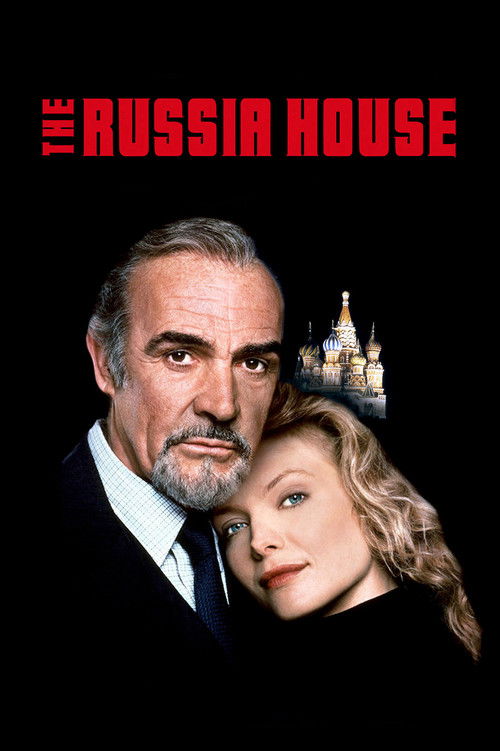
The Russia House1990
Sean Connery in a Le Carré adaptation that captures the vertigo of Late Cold War—truth and lies so entangled you can't separate them. Tense, romantic, and genuinely unsettling. A rare Cold War spy film with heart.
But Glacially paced. The romantic subplot will feel like a detour if you're here for espionage machinery. Some scenes drag visibly.
Berlin Station2016
Modern spy procedural that understands paranoia and moral compromise. CIA operatives in Berlin during a fictional crisis. Fast-moving, genuinely tense, and full of the kind of betrayal and doubt that makes espionage fiction work.
But Cancellation after three seasons means no real ending. The plotting can veer into soap opera. If you need closure, look elsewhere.

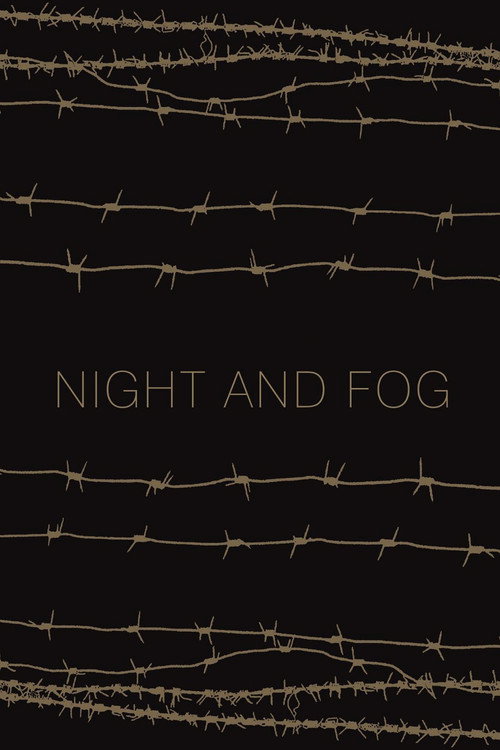
Night and Fog1956
Alain Resnais' thirty-minute documentary about the Holocaust that doubles as Cold War meditation on how nations bury atrocity. Poetry and horror married. Not a spy film, but it explains the ideological sickness at Billion Dollar Brain's core.
But Documentary about atrocity. Not entertainment. Heavy, required viewing rather than pleasure. Some will find it difficult to bear.
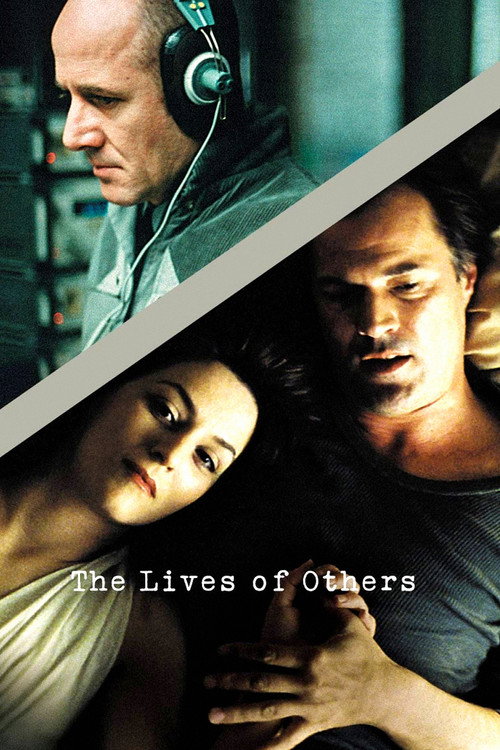
The Lives of Others2006
A Stasi surveillance officer begins to doubt the regime he serves. Whisper-quiet and devastating, about how systems corrupt the soul. Earned its Oscar. A perfect film about Cold War moral collapse.
But Subtitled. Deliberately slow-burning and introspective. If you need external action to stay engaged, it will feel like watching paint dry.
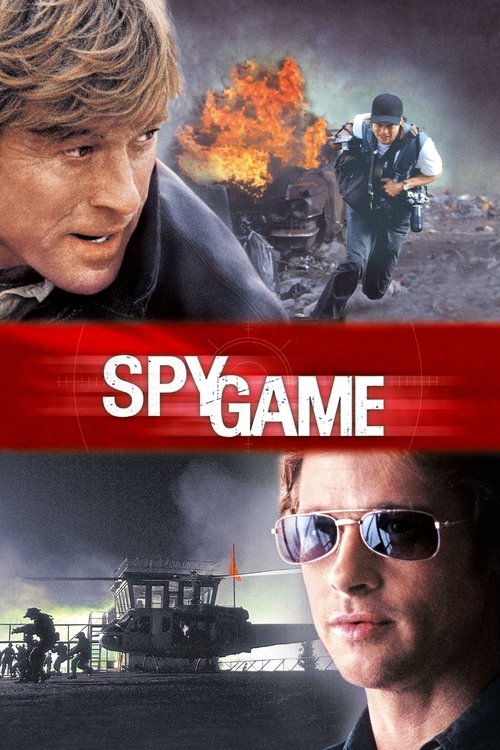
Spy Game2001
Brad Pitt and Robert Redford in a slick, stylish romp through decades of CIA work. Energetic, playful, and genuinely fun. The anti-serious spy film, and perfectly executed on its own terms. Pure entertainment.
But Ridiculous plot. Zero moral weight. If you value intelligence and realism, this gleaming confection will feel hollow.
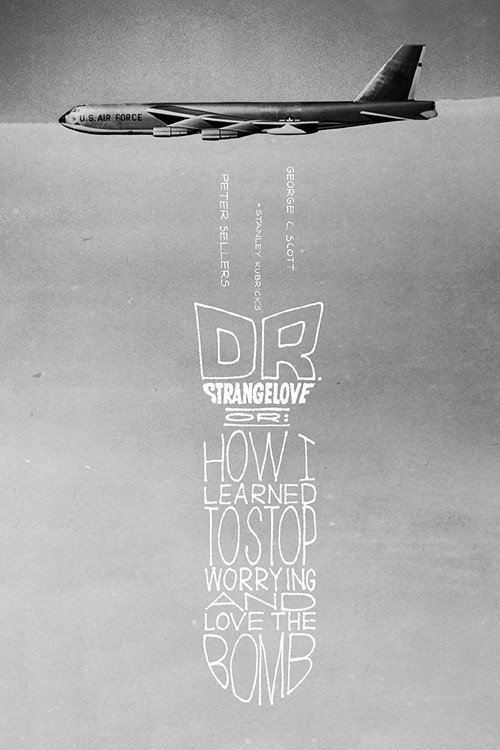
Dr. Strangelove or: How I Learned to Stop Worrying and Love the Bomb1964
Billion Dollar Brain is fundamentally about ideology rotting systems from within. Dr. Strangelove is the same diagnosis told as a joke. Both view Cold War logic as a kind of madness that nobody's equipped to stop. One's a thriller that feels like a nightmare; one's a comedy that feels like a warning. Different register, identical anxiety.
Kubrick's black-comedy apocalypse about Cold War paranoia eating its own tail. Peter Sellers as three characters, nuclear annihilation treated as absurdist theatre. Savage, brilliant, and somehow hilarious about the end of the world.
But Bleak satire, not comfort comedy. If the humor doesn't land, you're left with nihilism. Some find it dated or preachy.
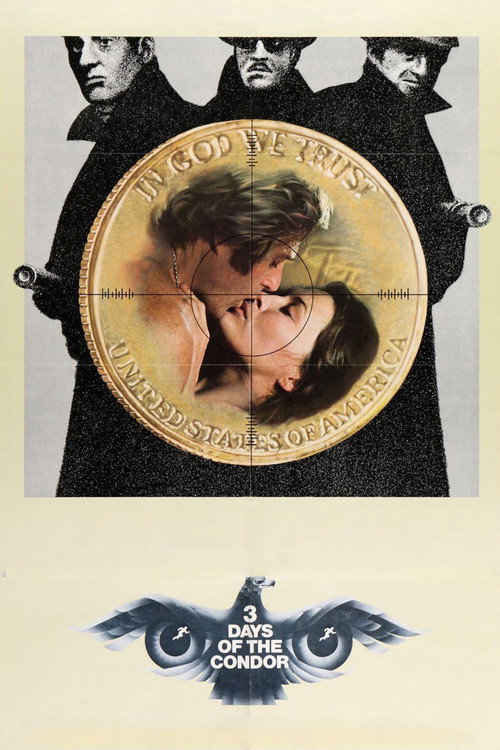
Three Days of the Condor1975
Like Billion Dollar Brain, it's built on the core dread that intelligence systems have become machines for pursuing abstract ideas rather than protecting people. Both depict ordinary men learning too late that the game is rigged. Condor plays it as procedural thriller; Brain plays it as surreal nightmare. Same paranoia, different visual language.
Robert Redford as a CIA analyst who stumbles onto a real secret and becomes hunted. Paranoia as lived experience. Brilliantly crafted, genuinely tense, and deeply uncertain about whom to trust. The spy film that understands bureaucratic murder.
But Seventies pacing means slower than modern thrillers expect. The ending is deliberately ambiguous and offers no catharsis. If you need resolution, it won't satisfy.
People
Cast
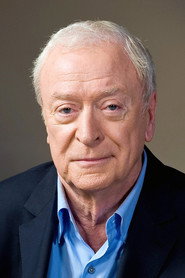 Michael CaineHarry Palmer
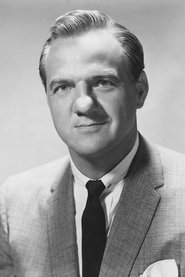 Karl MaldenLeo Newbigen
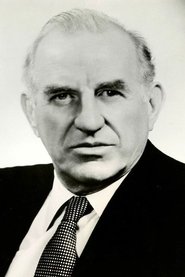 Ed BegleyGeneral Midwinter
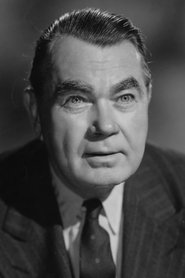 Oskar HomolkaGeneral Stok

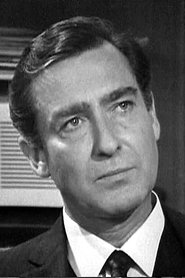 Guy DolemanColonel Ross
 Vladek SheybalDr. Eiwort
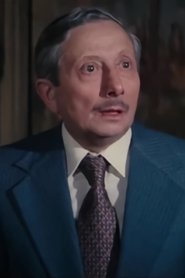 Milo SperberBasil
- Janos KurutzLatvian Gangster
 Alexei JawdokimovLatvian Gangster
 Paul TamarinLatvian Gangster
- Izabella TelezynskaLatvian Gangster
Directing
- Ariel LevyAssistant Director
- Ken RussellDirector
Writing
- Len DeightonNovel
- John McGrathScreenplay
Production
- André de TothExecutive Producer
- Harry SaltzmanProducer