
Film
Game of Death
Bruce Lee's final film, a martial-arts thriller patched together after his death with stand-ins and new footage. It's fascinating and frustrating in equal measure: moments of pure Lee genius interrupted by clumsy storytelling and the eerie presence of actors replacing him. Essential viewing for Lee devotees; a complicated, bittersweet artifact.
Should you watch it?
Watch it if you love Bruce Lee's precise, almost balletic fight choreography and don't mind a loose plot wrapped around it, since the fights are the reason to sit down.
Skip it if you want a tight, coherent thriller, because the middle stretches out with long talky passages and the story often feels stitched together rather than driven.
What it asks of you: At just over 100 minutes, it moves in bursts: bouts of violence separated by slower, dialogue-heavy scenes that test your patience between fights.
Not sure? Find tonight's pick in a minute.
If you liked this
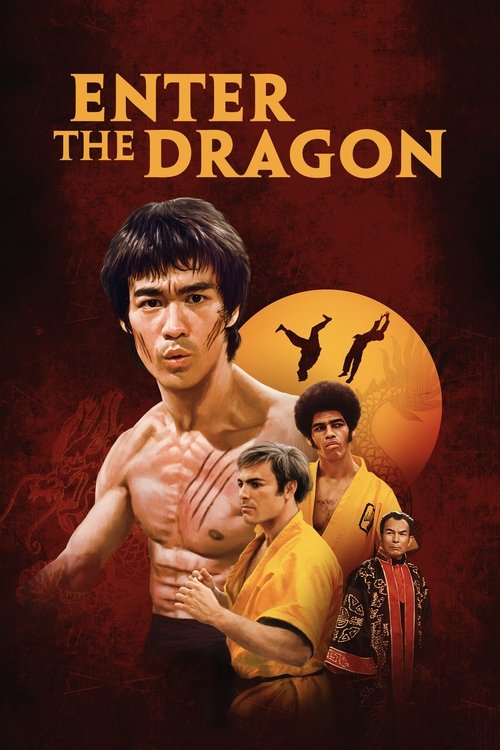
Enter the Dragon1973
Lee's masterpiece and the template for every martial-arts action film since. Propulsive, elegant, and genuinely thrilling—this is what Lee was capable of at peak power, before any tragedy or compromise.
But It's been imitated to death, so it can feel familiar even on first viewing. And yes, it's now 50 years old.
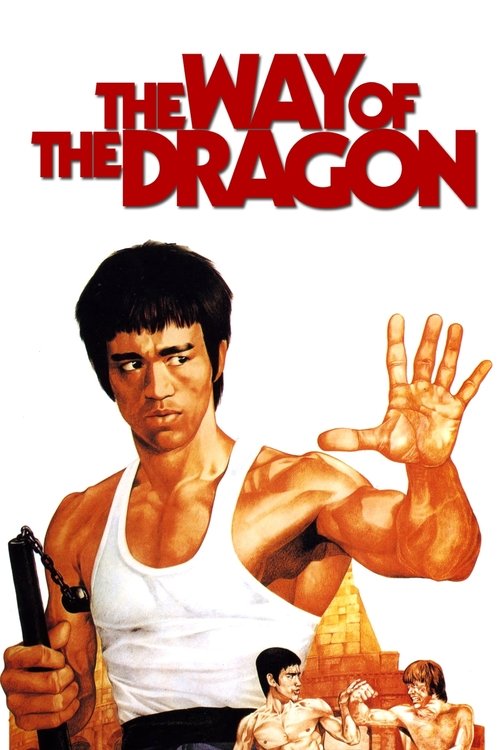
The Way of the Dragon1972
Lee directs and stars, giving us his vision of action cinema without studio interference. The Colosseum fight is one of cinema's great sequences. He's looser here, funnier, more human than in Enter the Dragon.
But The pacing drags in the middle hour. Some of the supporting performances are genuinely awkward. It's not as tight as it thinks it is.
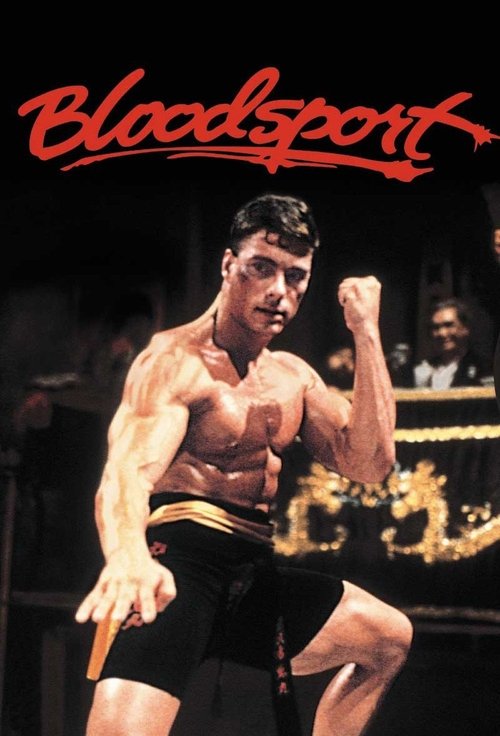
Bloodsport1988
Jean-Claude Van Damme steps into the Lee role: a martial artist fighting in an underground tournament. It's Lee's spiritual heir—less elegant, more muscular, but sincere and surprisingly effective at what it's trying to do.
But Van Damme is no Lee, and the film knows it. This is action cinema with less grace and more spandex. The plot is tissue-thin.
Not sure tonight? Get a pick in a minute, starting from Game of Death
The wildcard
Something you would not have found on your own.
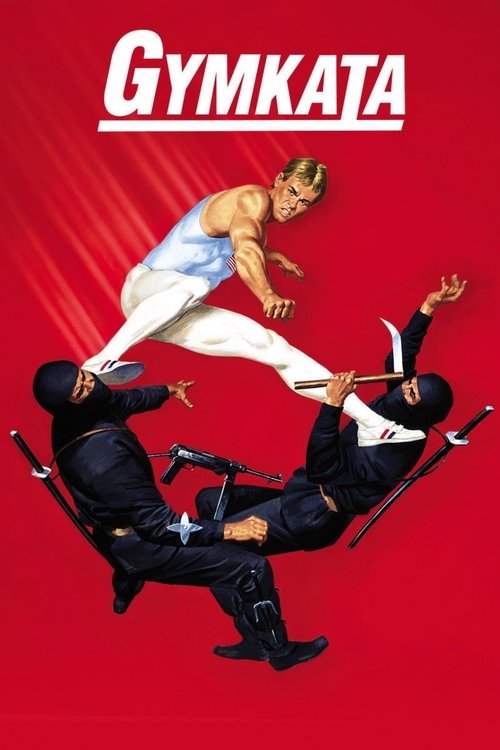
Gymkata1985
Both are martial-arts films clearly in trouble during production, patched together with visible seams and desperation. Game of Death at least has Lee's genius; Gymkata has only its audacious wrongness. They're cousins in cinematic dysfunction.
A gymnast is forced into a spy thriller where he uses gymnastics as his martial art. It's genuinely deranged—a film so committed to its premise that it becomes fascinating. Bad in the most entertaining way possible.
But It's incompetent in nearly every way. The plot makes no sense. The action scenes are unintentionally comic. You have to be willing to laugh at something that's not trying to be funny.
More like this (8)
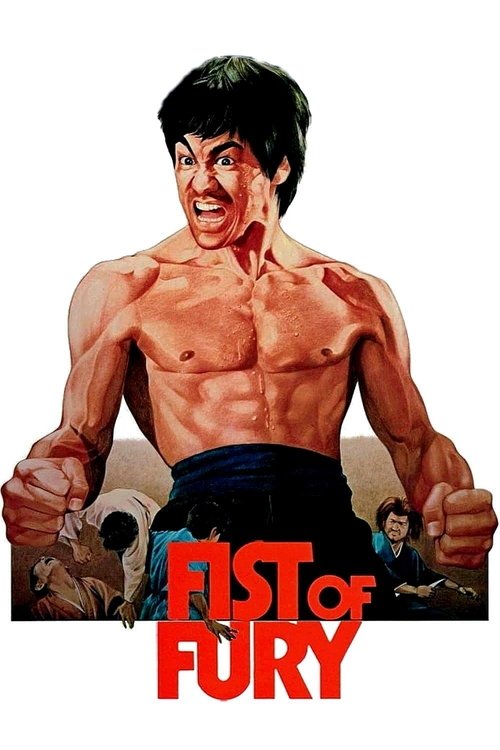
Fist of Fury1972
Lee is angrier and rawer here than in his other films—a revenge story with genuine emotional stakes. The action is more brutal, less showboating. You see him as an actor, not just a phenomenon.
But The emotional beats can feel melodramatic by modern standards. Some of the pacing is slack. It's messier than Enter the Dragon.
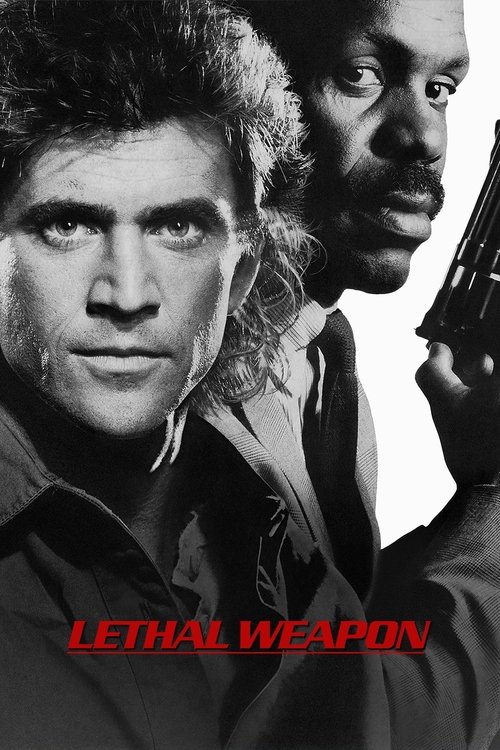
Lethal Weapon1987
Mel Gibson and Danny Glover inherit the martial-arts action-hero template Lee created. Faster editing, California locations, a buddy dynamic—but the DNA is pure Lee. Modern and exciting on its own terms.
But It's a product of its time in ways that don't always age gracefully. The humor can feel dated. It's also very much a franchise film, which means it lacks the personal vision of Lee's best work.
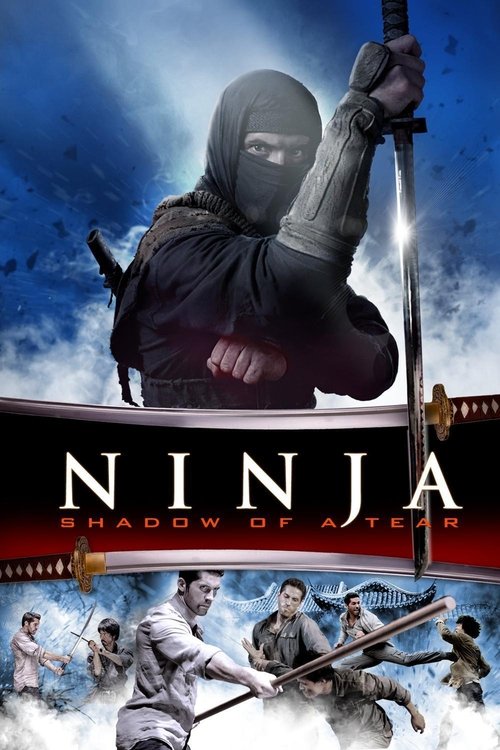
Ninja: Shadow of a Tear2013
Scott Adkins delivers what Lee fans actually want: beautifully choreographed martial arts sequences with genuine emotional stakes. The action is inventive and the fight scenes are lovingly shot, not edited into incomprehensibility.
But The plot is paint-by-numbers revenge. Adkins is a solid martial artist but not a movie star in Lee's sense. This is for action nerds, not general audiences.
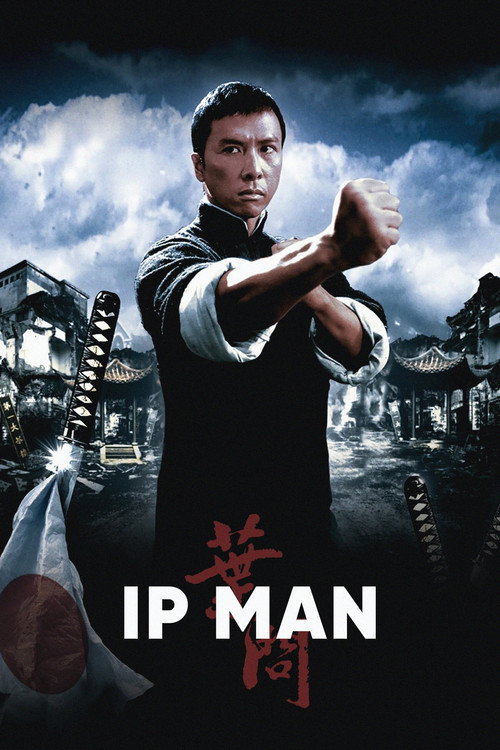
Ip Man2008
Donnie Yen brings Lee's intensity and precision to the origin story of Lee's own master. Beautiful fight choreography, genuine dramatic weight, and a performance of real dignity. The best modern martial-arts drama.
But It's in Cantonese with subtitles, which some find a barrier. The historical accuracy is loose. The sequels got progressively sillier, but this one stands.
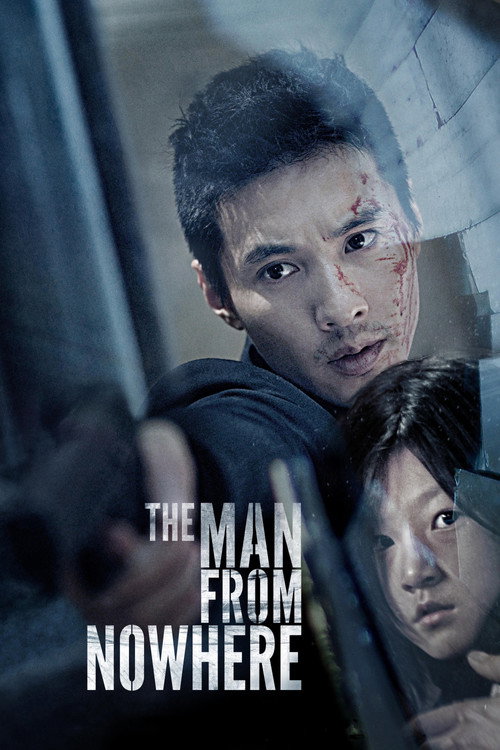
The Man from Nowhere2010
Won Bin is a retired assassin pulled back into violence. Korean action cinema at its peak: moral complexity, brutal choreography, genuine emotional devastation. This is what happens when martial-arts films grow up.
But It's darker and more violent than Lee's films, in ways that might feel joyless. The pacing is patient to the point of slow. Not an action movie in the traditional sense.
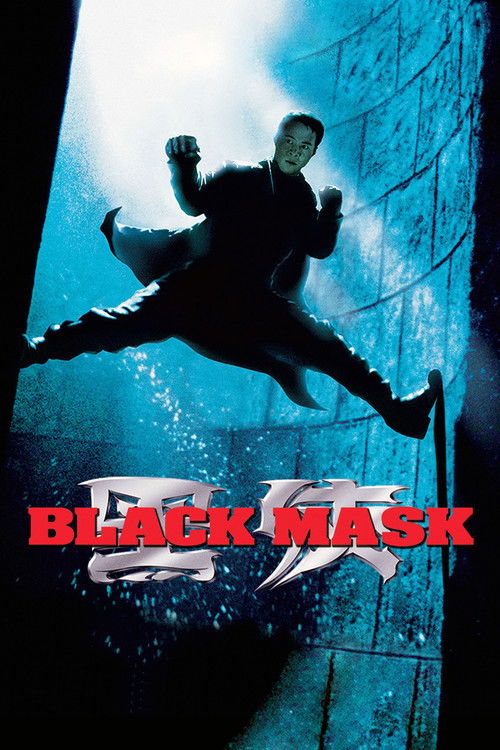
Black Mask1996
Jet Li in a superhero action film that understands Lee's legacy better than most. Flying, gadgets, and practical choreography all colliding. It's silly and earnest at once, which is harder than it sounds.
But The plot is genuinely nonsensical. The CGI has aged badly. It's trying to be both a Lee homage and a Hong Kong action film, and those impulses don't always align.
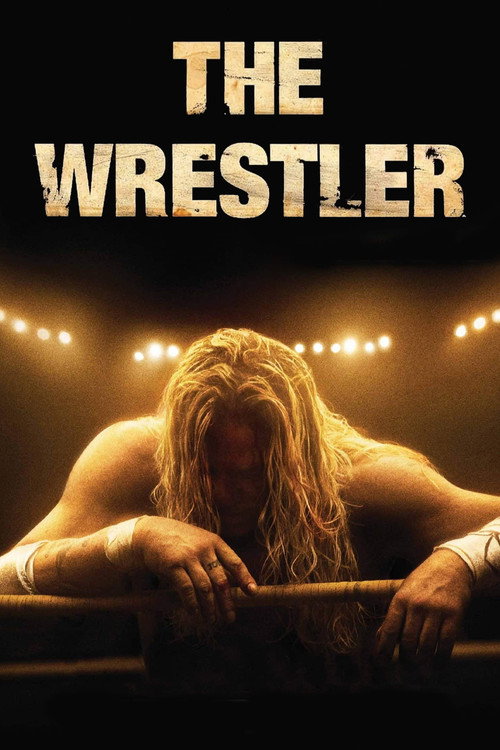
The Wrestler2008
Both films are ultimately about a performer's body as their art form, and what happens when that body fails. Both are haunted by mortality and the impossibility of returning to what you were. Game of Death uses stand-ins because Lee is gone; The Wrestler is about a man trying to pretend he hasn't gone yet.
Mickey Rourke as an aging professional wrestler clinging to relevance and pain. It's a film about performance, the body as an instrument, and the tragic cost of doing what you love. Devastating and tender.
But There's no plot in the traditional sense. It's slow, repetitive, and deeply melancholic. If you want catharsis or resolution, this isn't it.
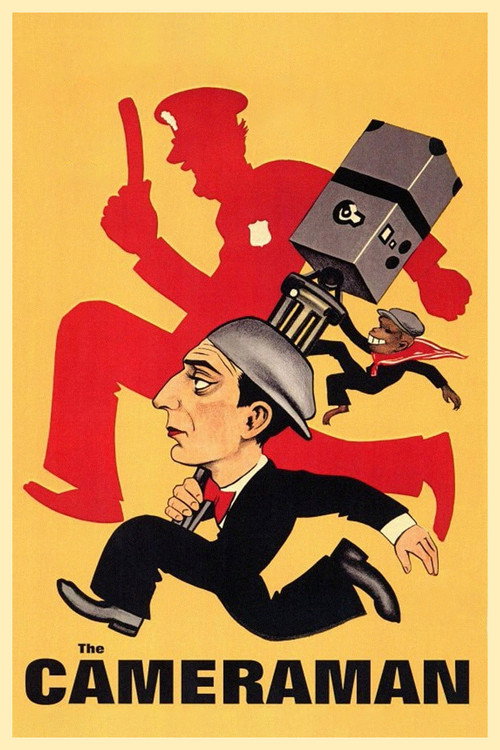
The Cameraman1928
Both Lee and Keaton are primarily performers whose art is physical—precise, inventive, their bodies as text. Both were working in forms where you can't hide behind dialogue or editing tricks. Both created an entire language through motion. Lee knew Keaton's work; the debt is there in every fight.
Buster Keaton as a cameraman trying to film a story. Pure physical comedy—a man using his body as an instrument of expression and survival. Keaton's the template for everything martial-arts cinema learned from Lee.
But It's silent, from 1928, and utterly committed to a worldview that's not ours. If you're not patient with old cinema, you'll be lost. Some sequences don't land outside their historical context.
People
Cast
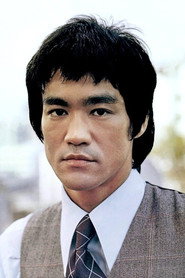 Bruce LeeBilly Lo
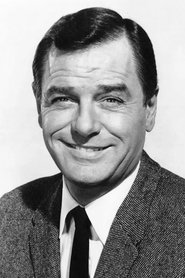 Gig YoungJim Marshall
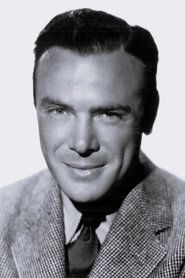 Dean JaggerDr. Land
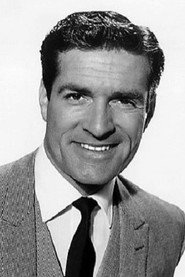 Hugh O'BrianSteiner
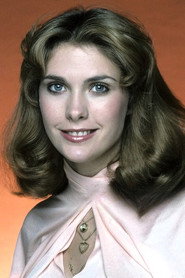 Colleen CampAnn Morris
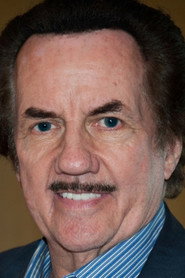 Robert WallCarl Miller
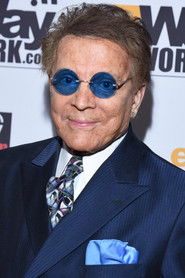 Mel NovakStick
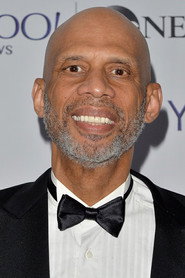 Kareem Abdul-JabbarHakim
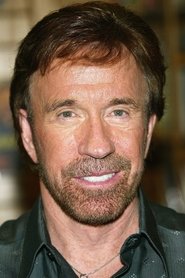 Chuck NorrisColt
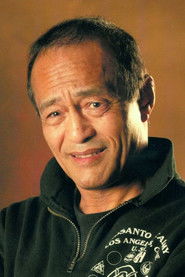 Dan InosantoPasqual
- Billy McGillJohn
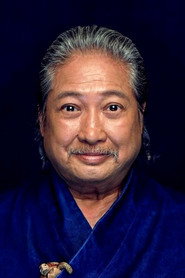 Sammo Hung Kam-boLo Chen
Directing
- Robert ClouseDirector
- Mike GowansFirst Assistant Director
- Bryan LevingeSecond Assistant Director
- Yeh ShenSecond Assistant Director
Writing
- Bruce LeeWriter
- Robert ClouseWriter
Production
- Andre MorganAssociate Producer
- Bruce LeeProducer
- Raymond ChowProducer
- David ChanProduction Manager
- Sam WongUnit Manager