
Film
Let the Corpses Tan
A French Western-horror fever dream about criminals hiding stolen gold at a Mediterranean villa, interrupted by a bohemian writer and his muse. It's visually stunning and deliriously weird—part siege film, part art-house nightmare, shot in striking colour and shot composition. For those who love cinema that prioritizes style and strangeness over narrative comfort.
If you liked this
The Killing1956
Kubrick's heist masterpiece established the template for criminals-on-the-run stories. Tense, elegantly constructed, and preoccupied with how small details derail perfect plans—much like Corpses.
But It's deliberately paced and black-and-white; the cool restraint is the opposite of the anarchic visual style you're signing up for here.

Johnny Guitar1954
Ray's Western is surreal, gorgeous, and uninterested in genre conventions. Two powerful figures locked in a standoff; dazzling colour cinematography; violence erupting from prolonged tension and sexual politics.
But It's deliberately operatic and the dialogue can feel arch. The plot occasionally takes a back seat to atmosphere and visual composition.

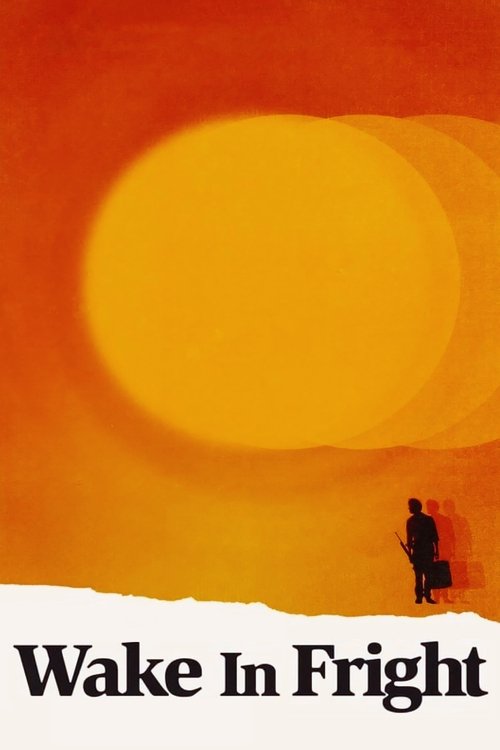
Wake in Fright1971
An Australian nightmare about a man trapped in a town where normal rules collapse. Visceral, aggressively weird, shot with unsettling beauty. That same sense of civilisation peeling away.
But It's bleaker and more misanthropic than Corpses, and the pacing is slower. Some will find it more punishing than entertaining.
Not sure tonight? Get a pick in a minute, starting from Let the Corpses Tan
The wildcard
Something you would not have found on your own.
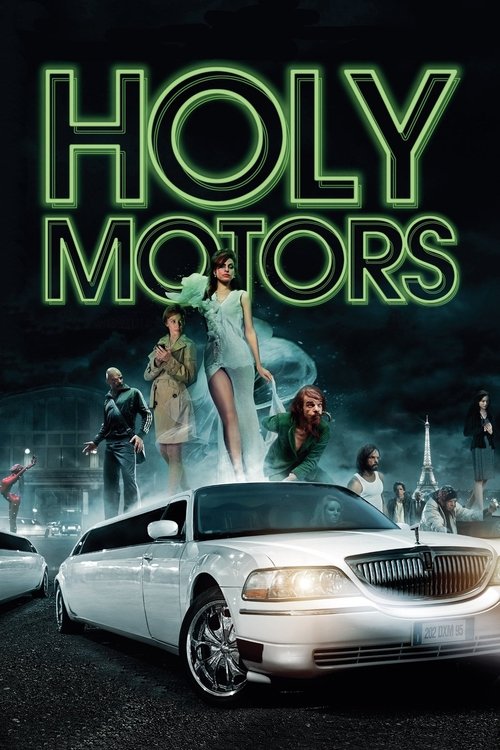
Holy Motors2012
Both films treat narrative as secondary to visual experience and mood. Both are fiercely concerned with style as substance. Both feature characters isolated from ordinary life in surreal spaces.
Carax's surreal odyssey follows a man driving through Paris in a limo, stepping out to live different lives. Formally radical, wildly original, visually stunning. It's cinema as dreamwork rather than narrative—exactly Corpses' sensibility applied to a different story.
But It's deliberately incoherent; there is no plot to follow, only images and mood. You have to surrender to abstraction or it feels like pretension.
More like this (8)
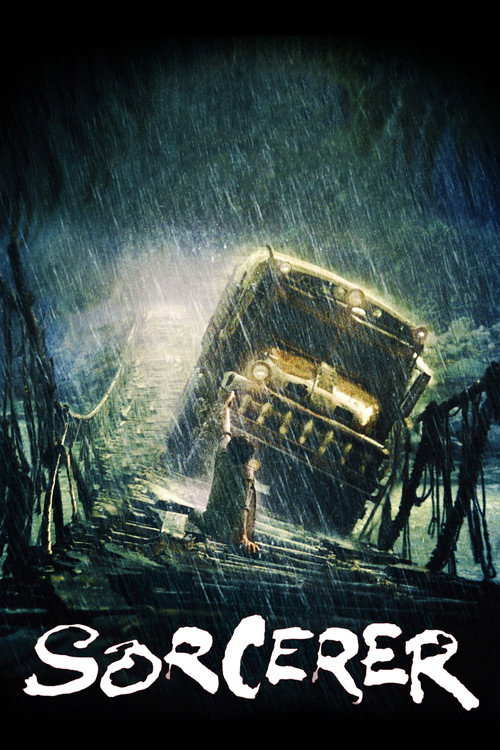
Sorcerer1977
Friedkin's slow-burn survival epic traps damaged people in an impossible situation with mounting paranoia and violence. Masterful tension and visual storytelling; feels like watching a nightmare unfold.
But At 121 minutes it requires patience. The narrative is straightforward, which might feel slow compared to Corpses' delirious energy.
A Prophet2009
Audiard's crime saga tracks power, corruption, and alliances tested under pressure. Visually confident, morally murky, brilliant cast. Shows how Corpses' DNA connects to contemporary French thriller tradition.
But It's a conventional narrative—very good, but not formally adventurous. Three hours, and the stakes are internal rather than fantastical.

Under the Skin2014
Glazer's sci-fi horror prioritizes mood, image, and strangeness over plot clarity. Alien landscape cinematography applied to Scottish coastline. Visual storytelling at its most hypnotic and unsettling.
But Plot barely exists and dialogue is minimal. Some viewers find it remote and impenetrable rather than engaging.

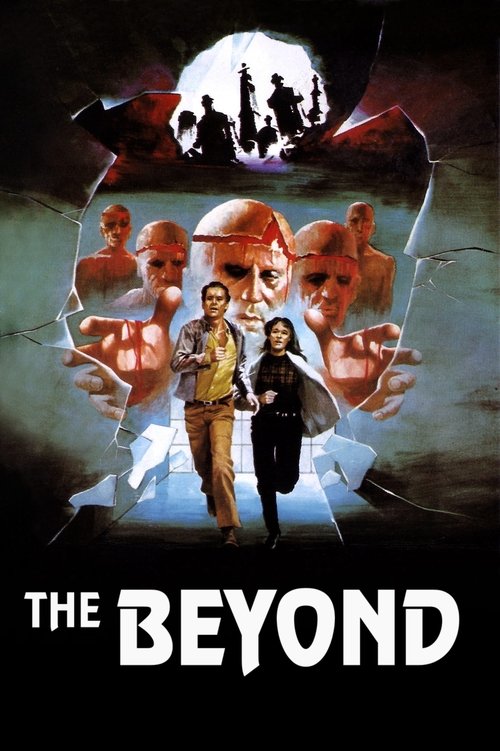
The Beyond1981
Fulci's Italian horror abandons logic for pure visual and sonic nightmare. A woman inherits a hotel that's a gateway to hell. Grotesque, dreamlike, gorgeously composed chaos.
But It makes no narrative sense; the gore is excessive and not everyone's appetite. It's craft in service of atmosphere rather than story.
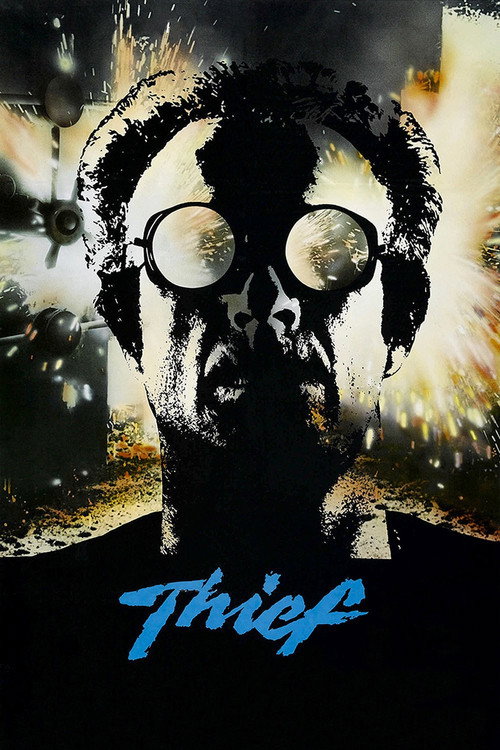
Thief1981
Mann's neon-soaked heist film is hypnotically stylish, with methodical criminals and precision editing. Criminal codes and relationships fracture under pressure. Moody and kinetic at once.
But It's a conventional heist narrative with a dated synth score. Some will find the cool distance alienating rather than cool.
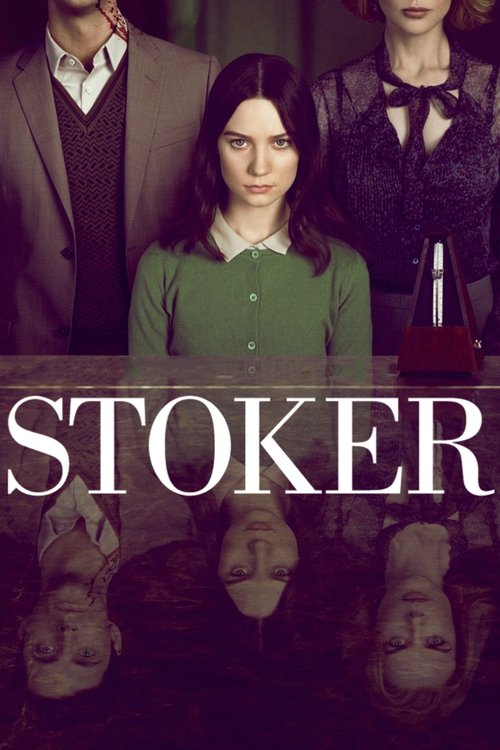
Stoker2013
Park's American debut is gorgeously composed Gothic mystery about a wealthy family disrupted by a mysterious relative. Visual storytelling as the main event; colour, composition, performance doing all the work.
But The plot is fairly thin and the tone can feel precious. Some see it as style overwhelming substance.
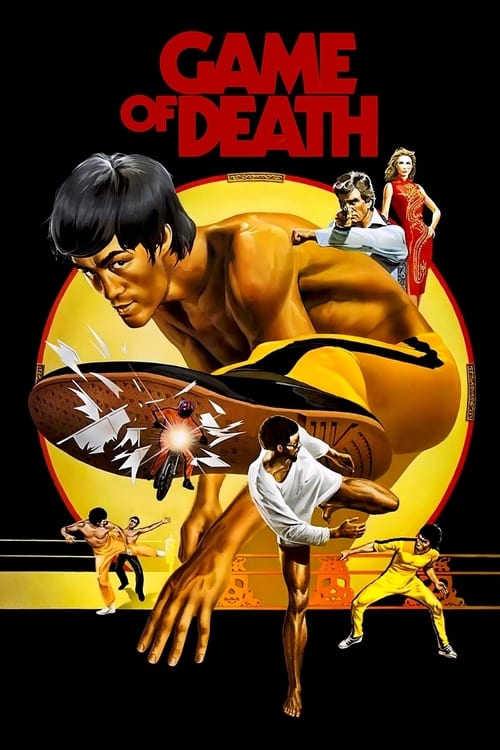
Game of Death1978
Both prioritize visual spectacle and physical movement over dialogue. Both have the formal strangeness of films made for artistic rather than commercial reasons. Both use colour and composition as the primary storytelling tool.
Lee's final film, completed after his death, abandons dialogue and plot for pure physical cinema. Colour-coded adversaries in a tower; movement instead of words. Hypnotic, strange, utterly committed to image over narrative logic.
But The production is fragmented and incomplete; Lee's death partway through means the coherence varies wildly. The fight scenes, while visually stunning, are what carries it—not character or story.
The Wailing2016
Both are genre hybrids that refuse easy categorisation. Both feature isolated spaces where normal morality breaks down. Both use religious or mythic imagery to elevate pulp genre material.
A Korean mystery-horror about a village gripped by violent obsession and paranoia. Formally adventurous, ambiguous, visually assured. Genre-blending in the same way Corpses is—Western, crime, horror, philosophy all at once.
But At 156 minutes, it demands patience. The narrative is deliberately opaque; it's unclear what is happening and why, right to the end. Some will call it profound, others tedious.

People
Cast
 Elina LöwensohnLuce
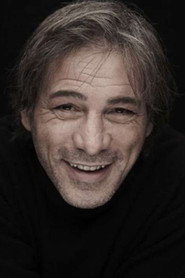 Stéphane FerraraRhino
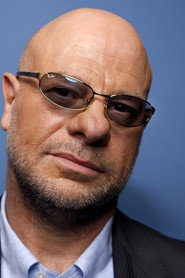 Bernie BonvoisinLa Brute
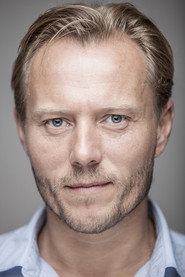 Hervé SogneLe policier
 Marine SainsilyLa nounou
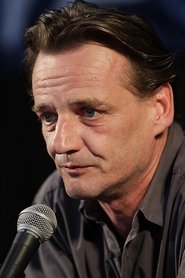 Marc BarbéMax Bernier
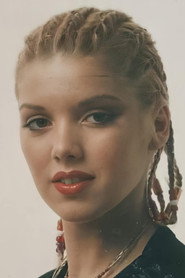 Marilyn JesLa policière
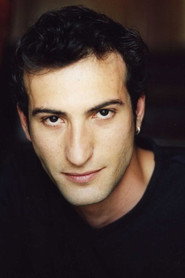 Michelangelo MarcheseAvocat
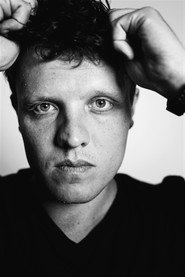 Pierre NisseLe jeune
- Aline StevensLa femme dorée
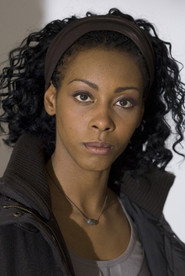 Dorylia CalmelLa femme de Bernier
Directing
- Bruno ForzaniDirector
- Hélène CattetDirector
- Christèle AgnelloFirst Assistant Director
- Pascale BrischouxSecond Assistant Director
- Victor RidleyThird Assistant Director
Writing
- Jean-Patrick ManchetteNovel
- Jean-Pierre BastidNovel
- Bruno ForzaniWriter
- Hélène CattetWriter
Production
- Johanna BoursonAssistant Production Manager
- Alex VerbaereAssociate Producer
- David ClaikensAssociate Producer
- Doug HeadlineAssociate Producer
- Philippe LogieAssociate Producer
- François CognardCo-Producer
- Eve CommengeProducer
- Helene Pigeard-BenazeraProduction Manager