
Film
A Dry White Season
A Dry White Season is a 1989 drama about a white South African teacher forced to confront apartheid's machinery when he investigates a black student's death in police custody. It's a slow-burn moral awakening, uncomfortable and unflinching, designed for viewers ready to sit with complicity and conscience. For anyone serious about understanding how systems of oppression work, not just as backdrop but as the actual subject.
If you liked this
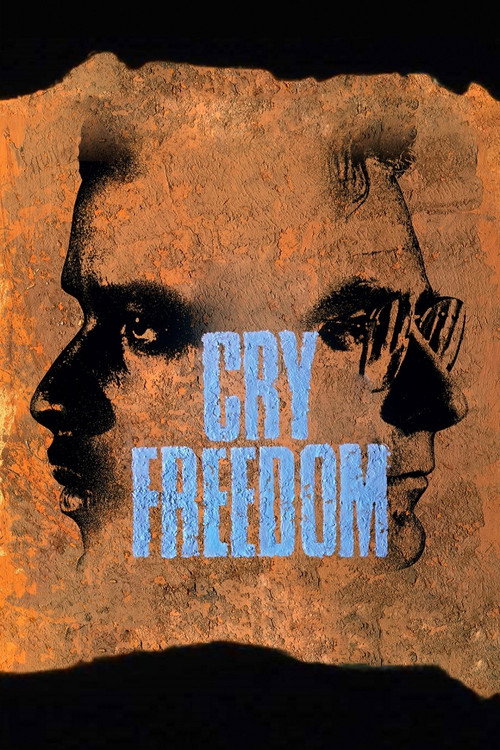
Cry Freedom1987
Richard Attenborough's account of journalist Donald Woods and activist Steve Biko traces a similar arc of white consciousness-raising against apartheid's brutality, with searing performances and genuine moral urgency beneath the period drama.
But It can feel like it's asking for credit for the white man's journey, and the pacing occasionally drifts into conventional biopic rhythms when the subject demands rawness.
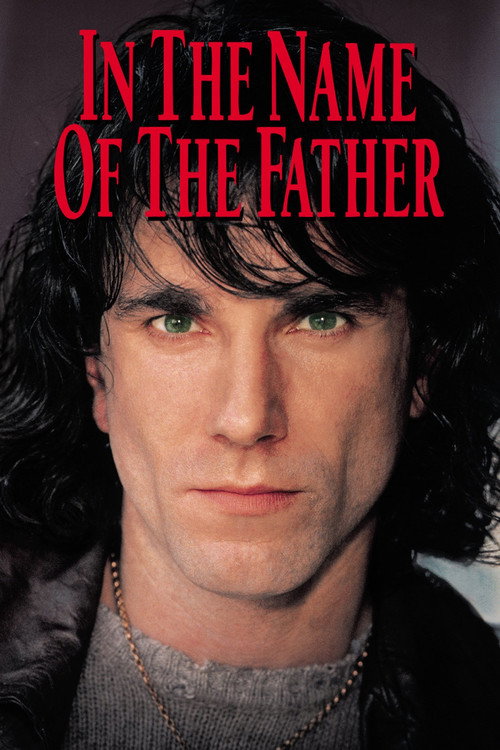
In the Name of the Father1993
Daniel Day-Lewis as a wrongfully imprisoned man fighting an unjust system—another portrait of institutional corruption that grinds away at innocence. The anger here is white-hot and warranted, and the film doesn't look away from complicity in the machinery.
But It's set in Northern Ireland rather than South Africa, so if you're specifically seeking that geographic/historical context, you'll need to look elsewhere.
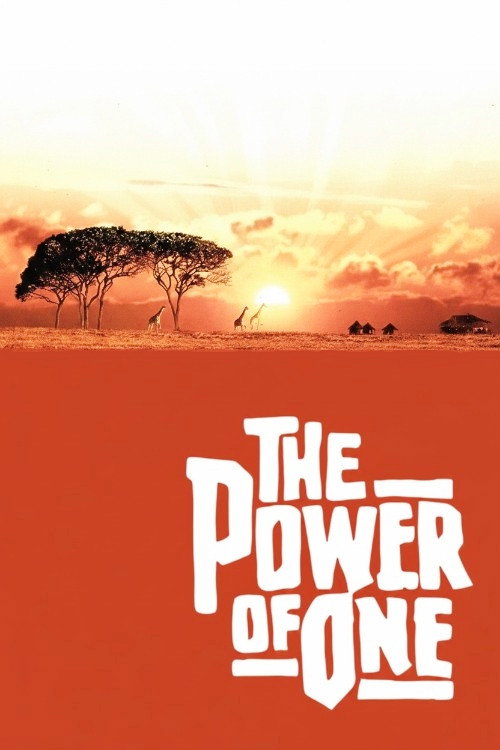
The Power of One1992
Set in apartheid South Africa, this follows a young white woman's political education through mentorship and love, with stunning cinematography and a soundtrack that will haunt you. It's more hopeful than A Dry White Season, but equally serious.
But The protagonist's naïveté can read as precious, and some will find the romantic subplot distracting from the political core.
Not sure tonight? Get a pick in a minute, starting from A Dry White Season
The wildcard
Something you would not have found on your own.
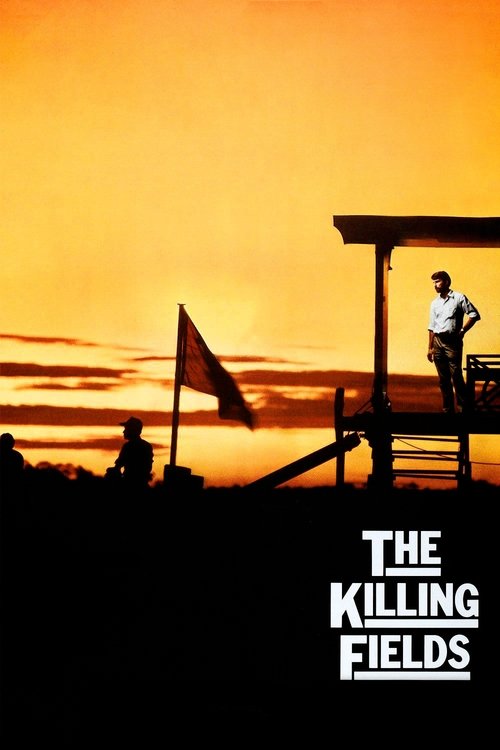
The Killing Fields1984
Both use a Westerner's awakening as the frame for examining institutional violence, but where A Dry White Season is about complicity within a system, The Killing Fields is about witnessing it from the outside—yet neither offers easy moral positioning.
Sam Waterston as a journalist documenting the Cambodian genocide—a companion piece that shows what happens when a nation's machinery of oppression runs all the way to its logical end. Harrowing, necessary, structured as thriller and testimony both.
But It's based on real atrocity footage and makes no attempt to soften its subject. Some scenes are genuinely difficult to endure; this is not a film you watch to feel entertained.
More like this (8)
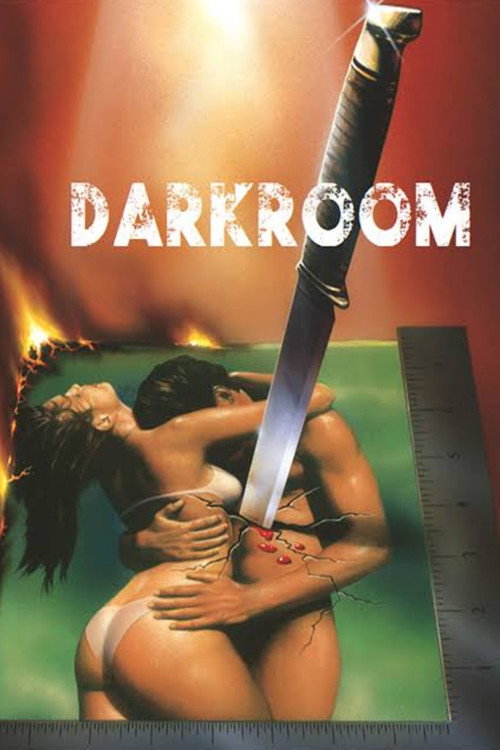
Darkroom1989
German-language film examining institutional power and moral compromise through the story of a photographer documenting state violence. It shares A Dry White Season's interest in the question: what do you do when you see something terrible?
But It's abstract and slow, more interested in atmosphere than narrative momentum. Subtitles required, and patience.
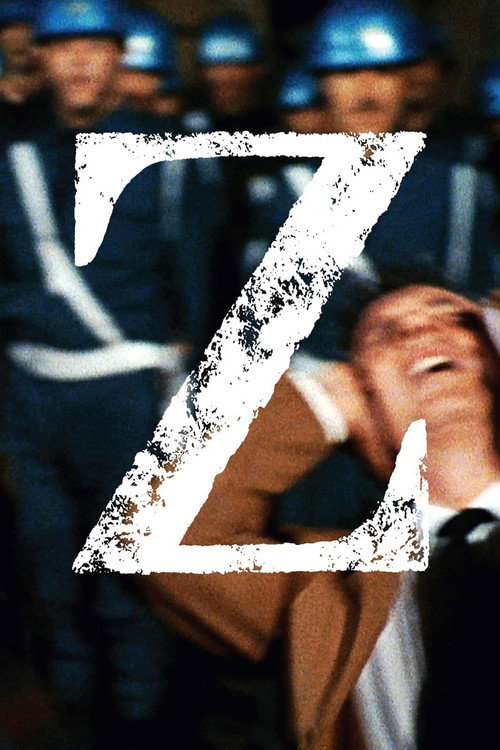
Z1969
Costa-Gavras's masterpiece about a political assassination and the cover-up that follows—a thrilling dissection of how systems protect themselves. Faster-paced than A Dry White Season but equally rigorous about institutional evil.
But It's about a different country and era (1960s Greece), so the specific historical parallel won't apply if that matters to you.
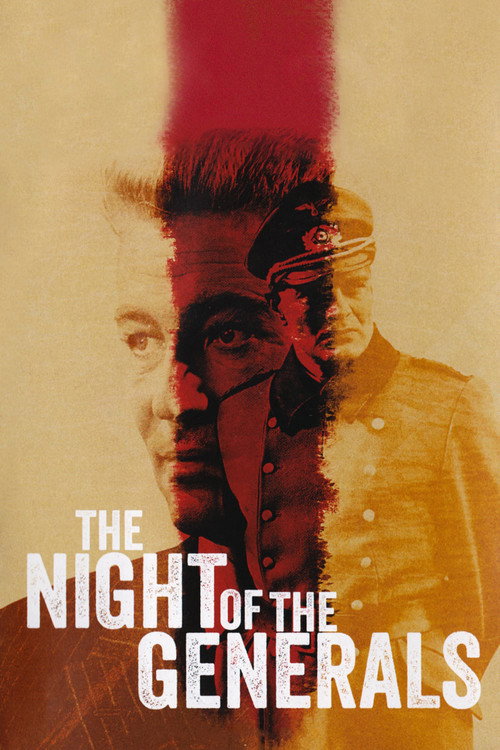
The Night of the Generals1967
Peter O'Toole in a WWII thriller about a general's crime and the investigation that threatens to expose the rot within the officer class. A tense study of how power protects itself, with real menace underneath the formal proceedings.
But The period setting and military structure might feel distant from A Dry White Season's institutional critique, and the pacing can feel theatrical.
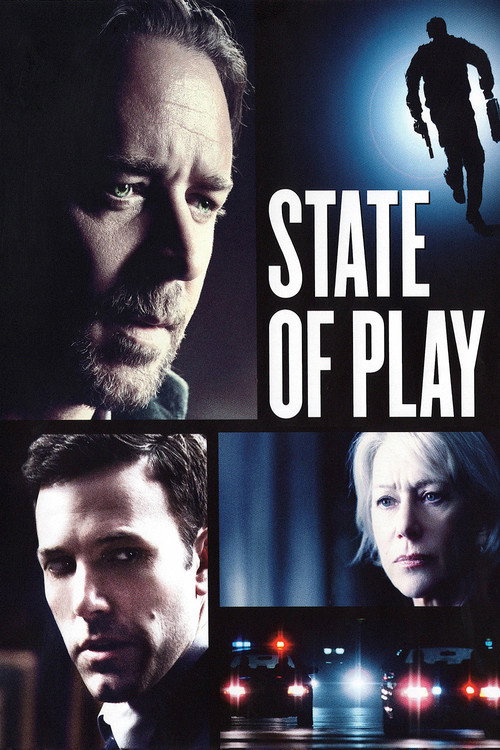
State of Play2009
A political thriller about institutional corruption and the effort required to expose it, starring Russell Crowe and Ben Affleck. It's more conventional than A Dry White Season but shares the obsession with how systems close ranks.
But It's ultimately more entertainment than meditation—slicker, faster, less interested in moral ambiguity than in plot momentum.
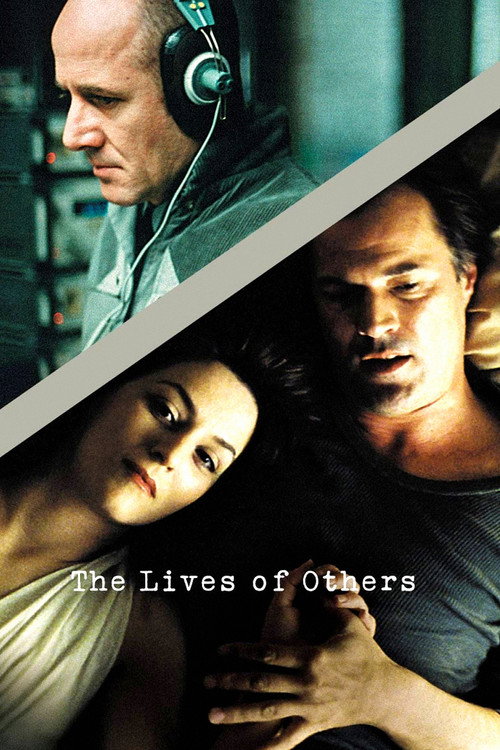
The Lives of Others2006
A Stasi surveillance officer begins to question his complicity in a totalitarian system. Exquisitely constructed, it explores the same terrain as A Dry White Season: how ordinary people rationalize participation in extraordinary cruelty.
But Some find it manipulative in its emotional payoffs, favoring sentiment over the harder questions about redemption and responsibility.
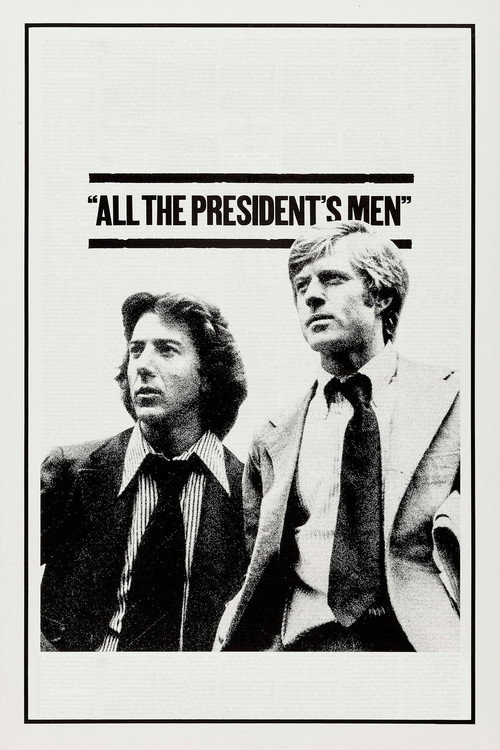
All the President's Men1976
Woodward and Bernstein investigate Watergate—a procedural that's also a study of institutional rot and the effort required to expose it. Methodical, intelligent, and propulsive without sacrificing substance.
But It's American politics rather than international authoritarianism, and the journalists are the heroes rather than the conflicted complicit figures that interest A Dry White Season.
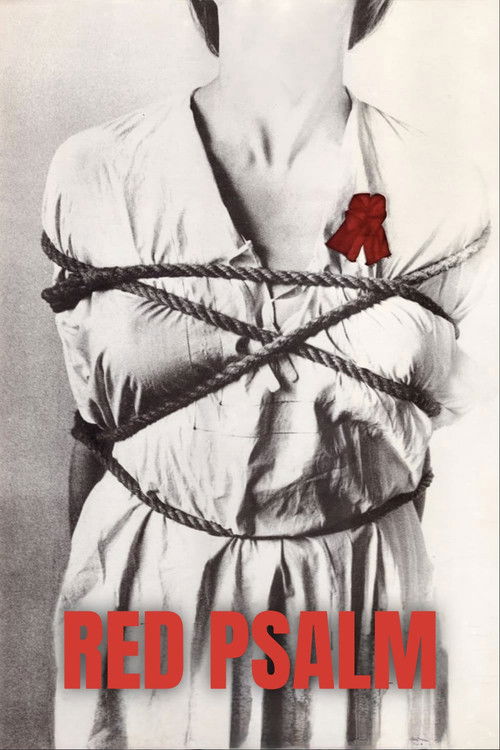
Red Psalm1972
Where A Dry White Season shows complicity through psychological realism, Red Psalm asks how collective action resists systematic oppression—a different formal language for the same ultimate question about power and resistance.
Miklós Jancsó's elliptical, almost abstract film about peasants resisting oppression in 19th-century Hungary—shot as myth and movement rather than narrative. It's formally daring and politically uncompromising in ways most films aren't brave enough to attempt.
But There is almost no conventional plot. Dialogue is minimal. It demands active, interpretive watching and many will find it impenetrable or simply boring on first encounter.
The Act of Killing2012
Both are interested in the psychology of complicity: how people rationalize participation in systems of state violence. A Dry White Season asks it through a man of conscience; The Act of Killing asks it by letting perpetrators speak in their own language.
A documentary where Indonesian death squad perpetrators reenact their own killings. Morally complex and genuinely unsettling, it forces viewers to confront how ordinary people justify extraordinary violence—a documentary answer to A Dry White Season's fictional inquiry.
But It's shocking and disturbing by design, and some will find the method—giving perpetrators a platform—ethically questionable regardless of the film's ultimate intention.

People
Cast
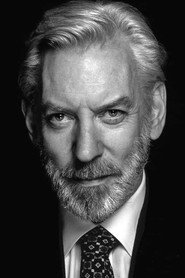 Donald SutherlandBen du Toit
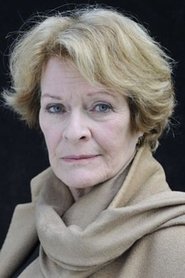 Janet SuzmanSusan du Toit
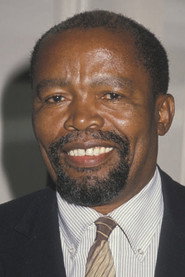 Zakes MokaeStanley Makhaya
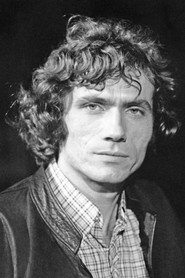 Jürgen ProchnowCaptain Stolz
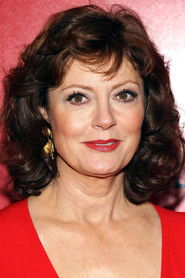 Susan SarandonMelanie Bruwer
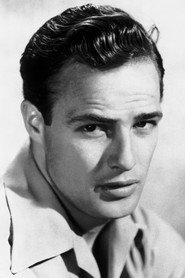 Marlon BrandoIan McKenzie
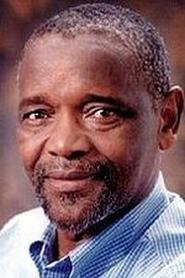 Winston NtshonaGordon Ngubene
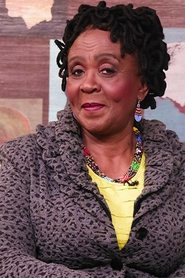 Thoko NtshingaEmily Ngubene
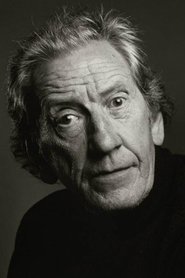 Leonard MaguireBruwer
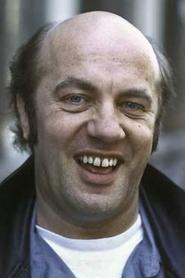 Gerard ThoolenColonel Viljoen
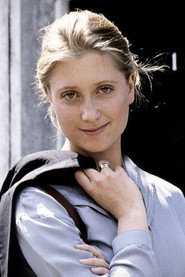 Susannah HarkerSuzette du Toit
- Rowen ElmesJohan du Toit
Directing
- Euzhan PalcyDirector
- Michel FerrySecond Assistant Director
Writing
- André P. BrinkNovel
- Colin WellandScreenplay
- Euzhan PalcyScreenplay
Production
- Mary SelwayAssociate Producer
- Mary SelwayCasting
- Tim HamptonExecutive Producer
- Paula WeinsteinProducer
- Janine ModderProduction Coordinator
- John FennerProduction Designer