
Film
The Learning Tree
Gordon Parks's directorial debut is a tender, unflinching portrait of a Black teenager navigating identity, injustice, and belonging in 1920s Kansas. Lyrical rather than didactic, it treats its young protagonist's interior life with the seriousness usually reserved for adults. A quiet landmark—the first film directed by a major Black photographer.
Should you watch it?
Watch it if you want a coming-of-age story built from family life, small-town prejudice and a young Black man's private hopes, told with a steady, lived-in eye for ordinary detail.
Skip it if you want brisk plotting or a light touch, because its mood stays sober and its subject, racial prejudice in small-town America, is never far from the frame.
What it asks of you: Give it its full 107 minutes and a patient ear: episodic in rhythm, with its weight arriving in quiet domestic moments rather than big set pieces.
Not sure? Find tonight's pick in a minute.
If you liked this
Moonlight2016
Three chapters of a Black man's life—childhood, adolescence, adulthood—each filmed with poetic attention to isolation, desire, and the gap between who you are and who the world sees. Lyrical cinematography and restrained performances that let small moments carry enormous weight.
But The narrative structure is fragmented and deliberately paced. Some find the lack of plot resolution frustrating; others find melodrama's absence baffling.

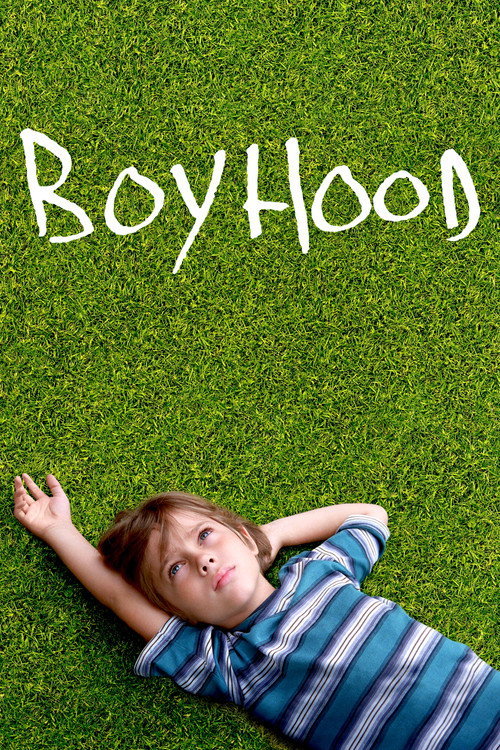
Boyhood2014
Filmed over twelve years, following one boy from childhood to young adulthood with the same unhurried attention to ordinary life, small betrayals, and the uneven pace of growing up. A meditation on time and becoming rather than a conventional arc.
But Three hours of watch a character age in real time. Minimalist in incident. You're signing up for texture over drama, and some viewers find that exhausting rather than moving.
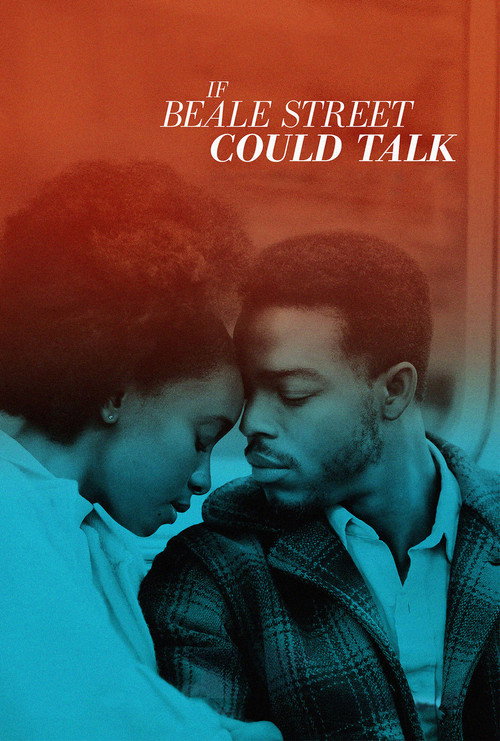
If Beale Street Could Talk2018
Barry Jenkins adapts James Baldwin with the same visual and emotional precision he brought to Moonlight—a story of young love and injustice told in jewel-toned images and intimate close-ups. Gorgeous and heartbreaking in equal measure.
But The romance moves at its own pace, not yours. Some viewers find the deliberate, sensual rhythm languorous rather than engrossing. Heavy subject matter wrapped in beauty can feel evasive to some.
Not sure tonight? Get a pick in a minute, starting from The Learning Tree
The wildcard
Something you would not have found on your own.
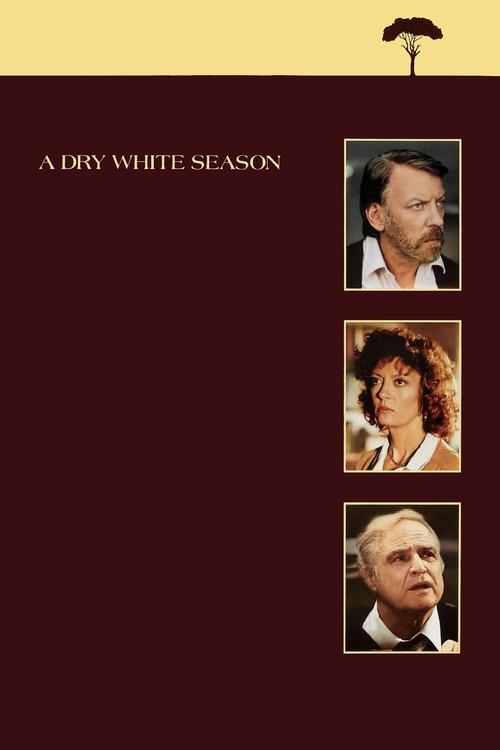
A Dry White Season1989
Both are directorial debuts by photographers/visual artists, and both use cinema to confront the moral reality of racism in America. Both trust their medium's visual language over dialogue to communicate a political argument.
Donald Sutherland's teacher confronts apartheid's logic when his Black gardener's son is killed. Directed by Euzhan Palcy, the first Black woman to direct a major studio film. Urgent, politically engaged, structurally daring—it puts the white protagonist's moral awakening second to the actual violence.
But Dated production design and some stilted performances. The political messaging sometimes overwhelms nuance. Harder to find than its reputation suggests.
More like this (7)
Come and See1985
A Belarusian film about a teenage boy conscripted into WWII—an unflinching exploration of how war steals childhood and idealism. Shot with brutal realism and emotional intensity. One of cinema's most honest films about young people and trauma.
But Deeply disturbing and relentlessly bleak. Not cathartic—it stays with you as an open wound. One of the most difficult films ever made; not viewing comfort.

Kes1970
Ken Loach's working-class British boy discovers agency through training a falcon. Naturalistic, kind to its protagonist, attentive to small rebellions and moments of dignity. Released the same year as The Learning Tree, yet rarely mentioned alongside it.
But Yorkshire dialect and working-class English school setting may feel remote. Slow-building and low-key; quiet anger rather than cathartic release.

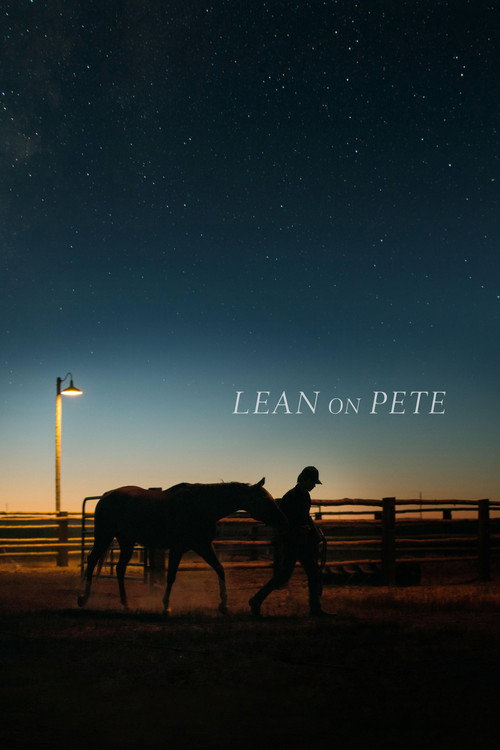
Lean on Pete2018
A boy and a racehorse forge an unlikely bond while drifting across the American West. Gentle but unflinching about class, loneliness, and what survival costs. Beautiful cinematography and a vulnerable central performance.
But Quiet to the point of minimalism. Plot is deliberately thin; if you need forward momentum, this will feel slow.
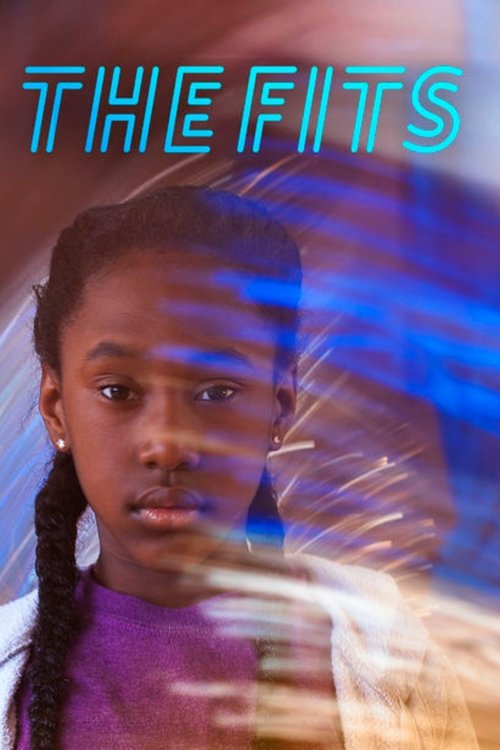
The Fits2016
An 11-year-old girl joins a dance team in Cincinnati and experiences a surreal, unexplained phenomenon. Visually inventive, mysteriously funny, genuinely weird. Shot almost entirely in long takes with minimal dialogue—you watch rather than listen.
But The mystery is never explained. The dreamlike register will frustrate anyone wanting clarity. Very deliberate pacing; some find it precious.
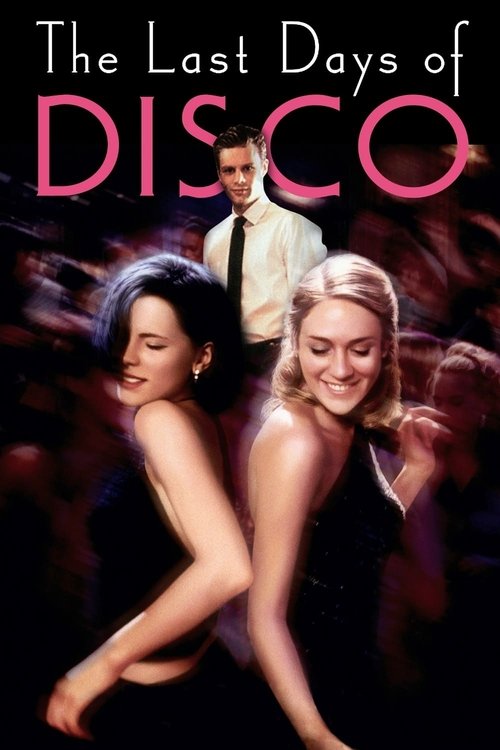
The Last Days of Disco1998
Whit Stillman observes young people navigating desire, class, and meaning in '80s Manhattan with sharp dialogue and genuine affection for his characters' small moral struggles. The final entry in his loosely connected trilogy about educated uncertainty.
But Archly intellectual dialogue will feel dated or precious to some. Plot takes a backseat to conversation and observation; not a traditional narrative.
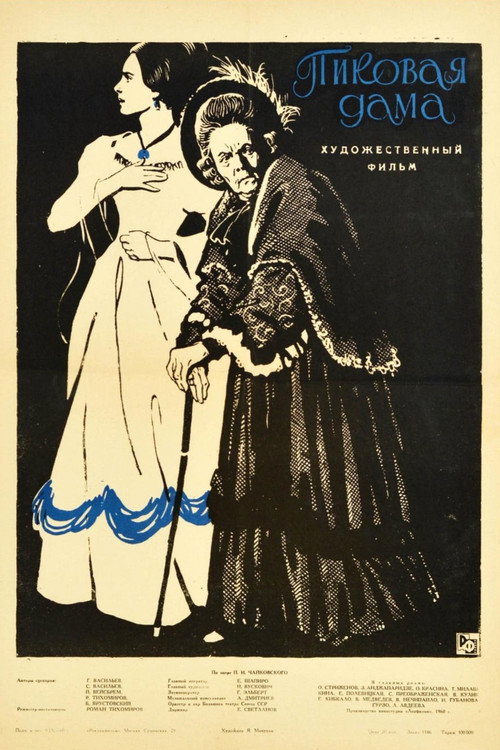
Queen of Spades1960
Both treat adolescence as a crucible for understanding meaning and belonging, rather than as a prelude to 'real' adulthood. Both films are visually considered and philosophically serious in ways rarely extended to young protagonists.
A Soviet sci-fi film about a teenage girl and boy confronting an alien intelligence on a space station. Shot in stunning black-and-white, formally inventive, genuinely eerie. Treats the teenager's capacity for moral reasoning as the film's centre of gravity rather than a sideshow.
But It's 1960s Soviet sci-fi, so pacing is glacial by contemporary standards. The dubbing (if you watch it that way) can feel theatrical. Requires patience and active watching.
Memories of Murder2003
Like The Learning Tree, it's a profound statement on injustice embedded in a story about a young man's initiation into an indifferent, rigged world. Both films refuse to soften their vision or offer false comfort—they insist you see what they see.
Bong Joon-ho's first masterpiece: a South Korean serial-killer procedural set in the '80s that becomes a meditation on corruption, masculinity, and institutional failure. Formally brilliant, deeply political, gripping in a way that never sacrifices intelligence.
But Bleak and occasionally brutal. The ending is deliberately inconclusive and pessimistic. If you want a mystery 'solved', you'll leave unsatisfied. Subtitles required.

People
Cast
- Kyle JohnsonNewt
- Alex ClarkeMarcus
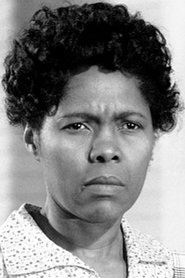 Estelle EvansSarah
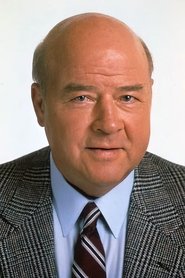 Dana ElcarKirky
- Mira WatersArcella
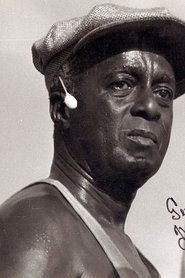 Joel FluellenUncle Rob
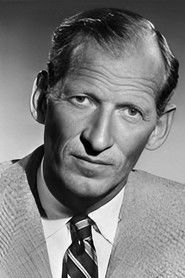 Malcolm AtterburySilas Newhall
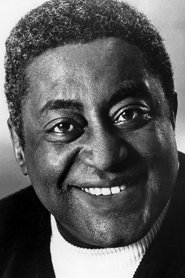 Richard WardBooker Savage
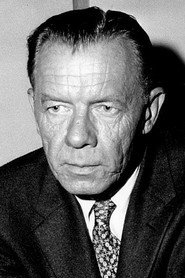 Russell ThorsonJudge Cavanaugh
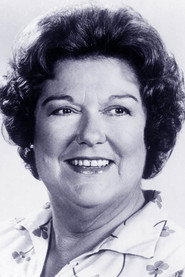 Peggy ReaMiss McClintock
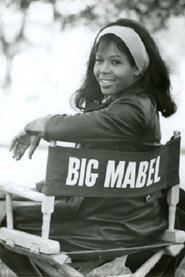 Carole LamondBig Mabel
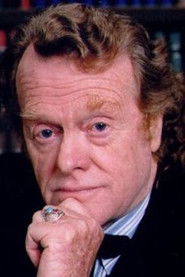 Kevin HagenDoc Tim Cravens
Directing
- Gordon ParksDirector
- Jack AldworthFirst Assistant Director
- Fred GilesSecond Assistant Director
Writing
- Gordon ParksNovel
- Gordon ParksScreenplay
- Genevieve YoungStory Consultant
Production
- Jimmy LydonAssociate Producer
- William ConradExecutive Producer
- Gordon ParksProducer
Recommended by
Sounder, Nothing But a Man, Summer of My German Soldier, Bright Road