
Film
Ascendancy
A 1983 British drama set in wartime Ireland, following an Anglo-Irish aristocrat who begins questioning her class privilege when she encounters the independence movement. Quiet, thoughtful, with the political education happening through intimacy and uncertainty rather than speeches. For viewers patient with slow revelation and interested in how history feels from within it.
Should you watch it?
Watch it if you are drawn to quiet, character-led history about divided loyalties, where the politics arrive through a woman's private unease rather than through battle scenes.
Skip it if you want action, a brisk pace, or a clear-cut war story; this is talky and deliberate, and at ninety-two minutes its drama of conscience moves slowly.
What it asks of you: Expect a hushed, unhurried build across ninety-two minutes, with long stretches of conversation and interior silence where the emotional weight accumulates slowly rather than arriving in set pieces.
Not sure? Find tonight's pick in a minute.
If you liked this
The Remains of the Day1993
Anthony Hopkins embodies a man complicit in history through passivity and duty. Like Ascendancy, it's about how power operates through restraint, and what loyalty costs when you finally see clearly.
But The pace is deliberate and the emotional arc is internal. Nothing explodes; everything erodes.

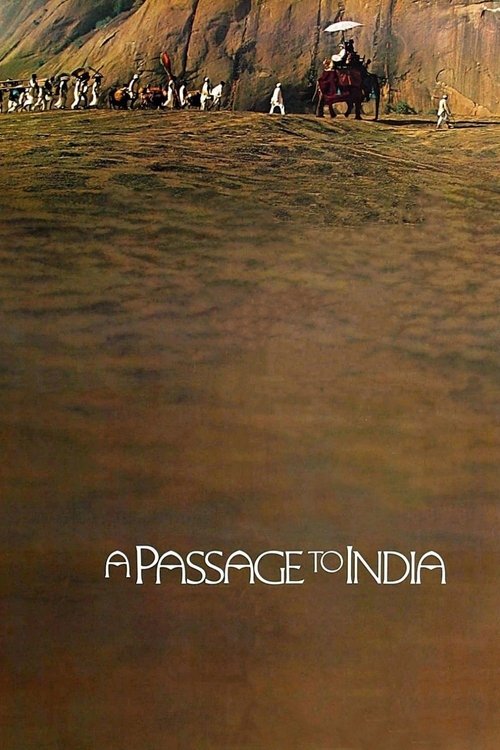
A Passage to India1984
Another film about an Englishwoman's collision with colonialism and the limits of her world. Lean, searching, with the same sense of ideological walls cracking quietly.
But It's nearly three hours, and the ending may feel unresolved if you want clear answers about who was right.
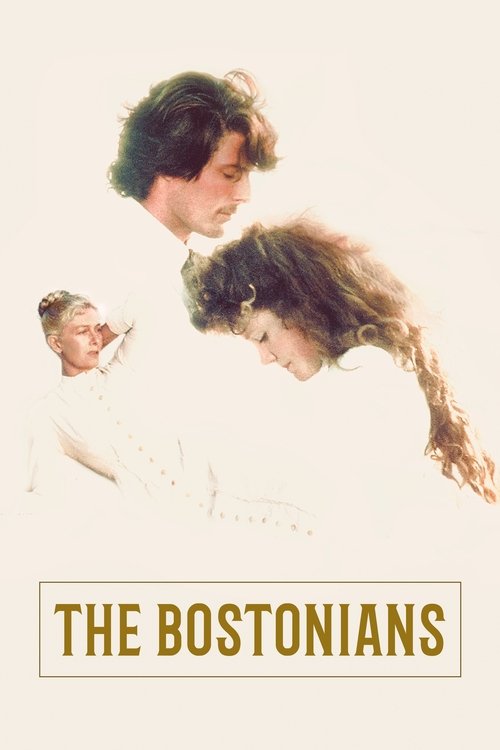
The Bostonians1984
Henry James adapted with particular attention to how ideology shapes desire and loyalty. A woman caught between competing visions of the future, much like Connie Wintour is here.
But Very talky, very mannered. The emotional stakes are conversational rather than dramatic.
Not sure tonight? Get a pick in a minute, starting from Ascendancy
The wildcard
Something you would not have found on your own.
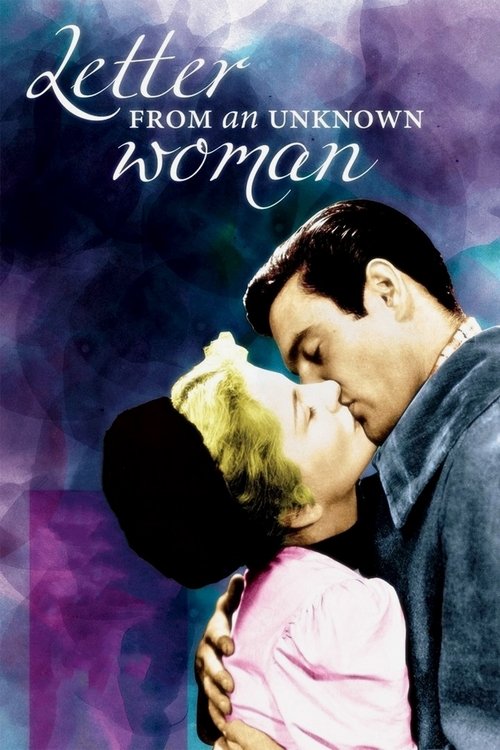
Letter from an Unknown Woman1948
Both are about a woman's painful education in her own powerlessness; both suggest that seeing clearly doesn't mean you can act. The emotional machinery is the same, dressed in different periods.
A woman watches a man she loves across years and class boundaries, unable to speak her knowledge or claim her own life. Max Ophüls builds the same quiet catastrophe—what happens when you see everything and remain powerless.
But It's a melodrama from 1948 in glittering Hollywood style. If you want social realism, not romantic tragedy, this will feel arch.
More like this (8)
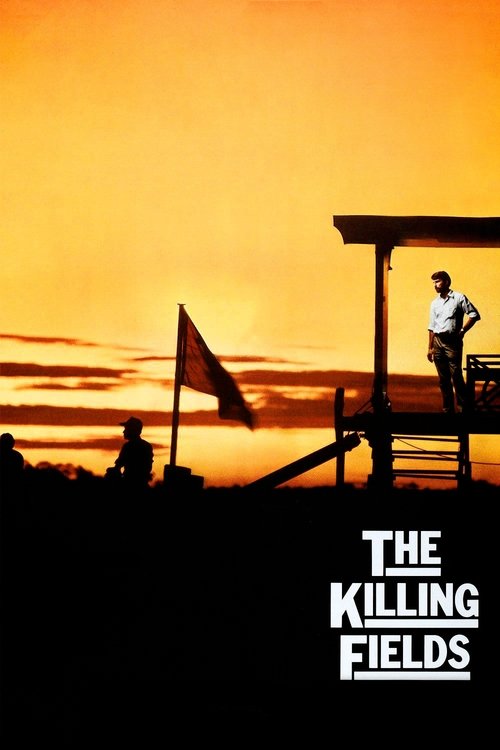
The Killing Fields1984
Another 1980s film about witnessing atrocity from within a system that normalizes it. The guilt and complicity cut deeper than easy villainy ever could.
But Far darker and more violent than Ascendancy. Based on real genocide, not reimagined history.
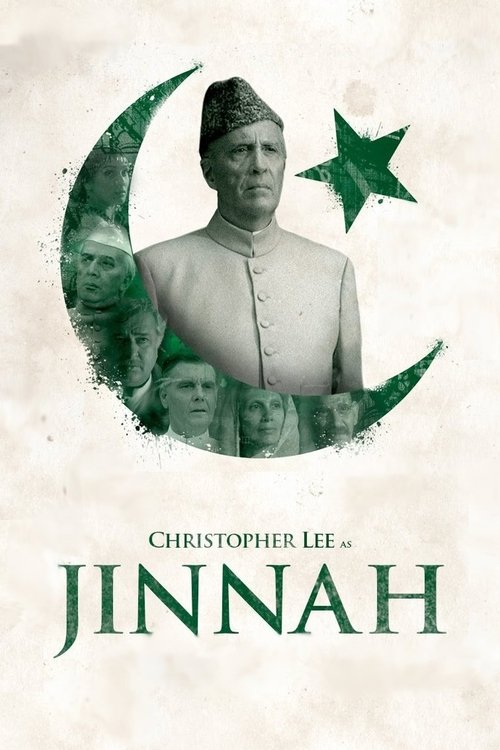
Jinnah1998
An Indian film about partition and independence, told from a perspective rarely centred in Western cinema. The same colonial machinery dismantled from the other side.
But The English subtitles may tire some viewers, and the political speeches are frequent rather than implied.
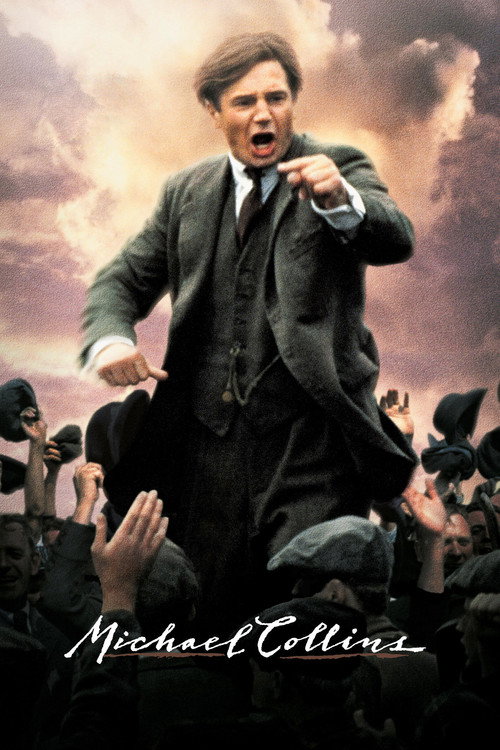
Michael Collins1996
Liam Neeson as the Irish revolutionary, Neil Jordan directing. Ascendancy from the other angle—what it looked like to those fighting the system Connie was born into.
But More conventional Hollywood drama than Ascendancy's restraint. The heroism is less ambiguous.
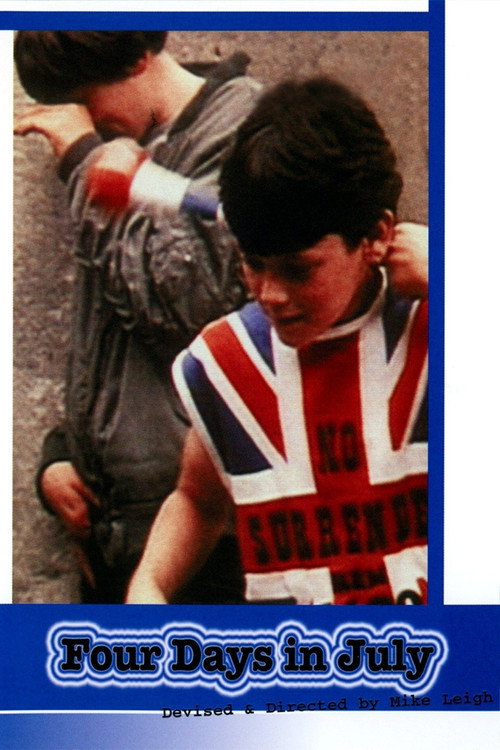
Four Days in July1984
Mike Leigh's film about Protestant and Catholic families in Belfast. Shows how ideology becomes personal, how it lives in kitchens and arguments, not just in history books.
But The realism is grinding. No uplift, no neat resolution. Bleakly funny rather than cathartic.
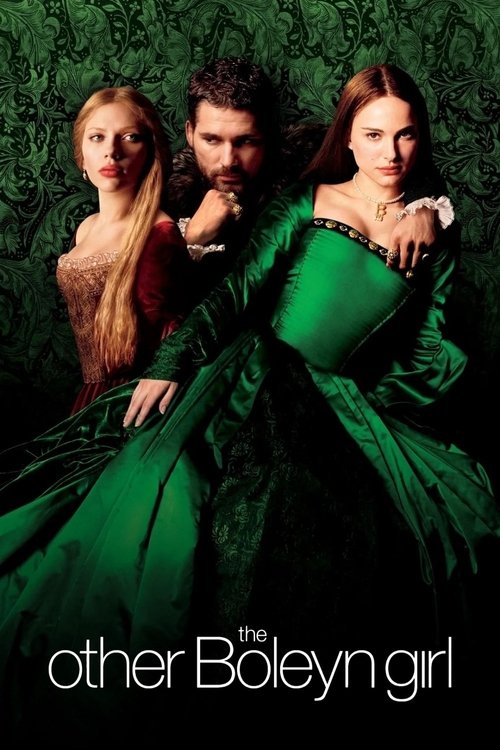
The Other Boleyn Girl2008
A woman navigating power through the men around her, learning too late what loyalty to the wrong system costs. The stakes are personal and political at once.
But More melodrama than Ascendancy. Prettier, but less interested in ambiguity or the texture of complicity.
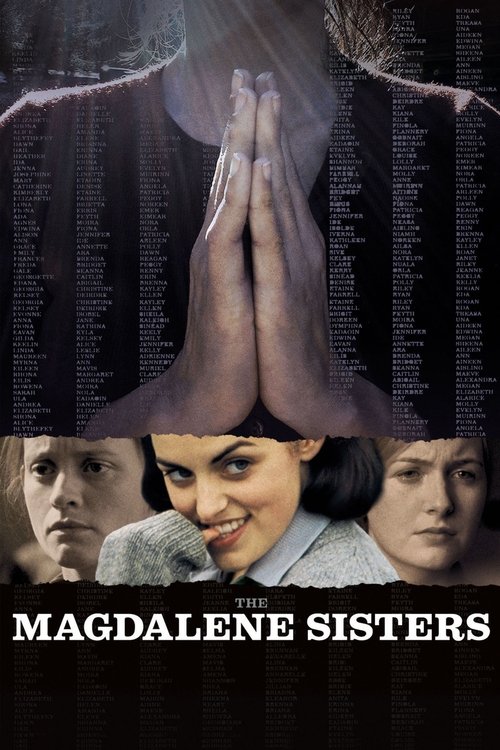
The Magdalene Sisters2002
Peter Mullan's Irish film about institutional cruelty and women trapped by the system their birth placed them in. The rage under the restraint is the whole story.
But Brutal and unrelenting. Not reflective; angry. If you want nuance in every direction, this won't give it.
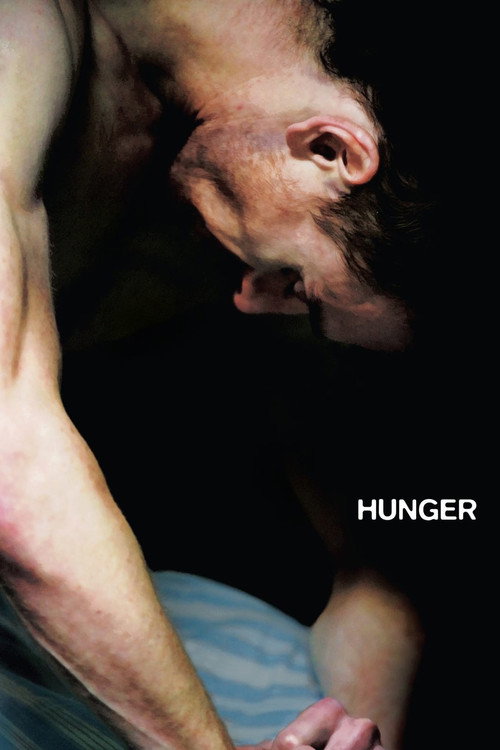
Hunger2008
Both films are about Ireland and political awakening, but Hunger is the inverse—the body and rage Ascendancy's restraint never reaches. They're two pieces of the same historical moment.
Steve McQueen's film about Bobby Sands and political prison in the Troubles. Aesthetically punishing, visually extraordinary. It shows what Connie Wintour never sees: what the independence movement actually costs.
But Extremely graphic and emotionally brutal. Not meditative; explosive. Based on real suffering that left audiences shaken.
Possession1981
Both interrogate how people become tools of systems they inherit—marriage, class, nation. But Possession explodes the form to show what Ascendancy contains. Same theme, one controlled and one baroque.
Andrzej Żuławski's hallucinatory drama about a marriage and ideology colliding. Strange, intoxicating, formally restless. It uses the collapse of a relationship to explore political and emotional possession in ways narrative usually can't.
But Surrealist, verging on experimental. The plot is secondary to mood and images. If you want clear story, this will frustrate you.

People
Cast
 Julie CovingtonConnie Wintour
 Ian CharlesonLt. Ryder
 John PhillipsWintour
- Susan EngelNurse
 Philip LockeDr Strickland
- Kieran MontagueDr Kelson
- Rynagh O'GradyRose
- Michael McKnightVesey
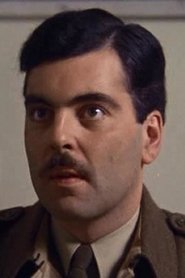 Jeremy SindenDarcy
- Walter McMonagleDawson
 Shay GormanKeir
Directing
- Edward BennettDirector
Writing
- Edward BennettWriter
- Nigel GearingWriter